Tu laringe

Con
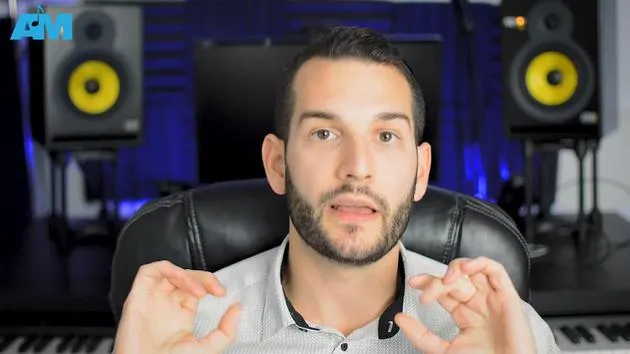
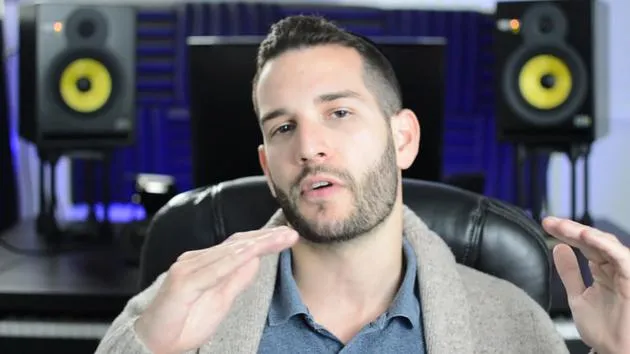
Adam MishanAdam Mishan te muestra cómo localizar tu laringe y tus cuerdas vocales encontrando tu nuez de Adán, el primer paso para entender cómo funciona tu voz.
Qué incluye el curso
24 lecciones (1h 9m) · 4 gratis






Transcripción de la lección
Understanding Your Vocal Cords
When beginning to sing, it's important to know where your vocal cords are located in your body.
Locating Your Vocal Cords
To locate your vocal cords, you first have to find your Adam's apple or voice box. Follow these steps:
- Put your finger on your chin.
- Slide your finger down your neck until you feel a little notch.
- For men, the notch is much more pronounced than it will be for women.
- This notch is located in the upper half of your neck.
If you've slid your finger down past the upper half of your neck, you've probably gone too far into what's called your cricothyroid.
Becoming Acquainted with Your Larynx
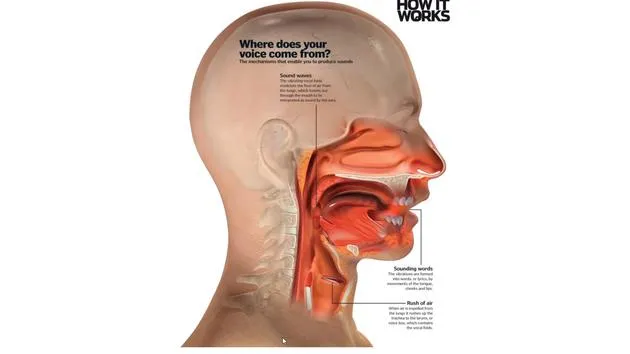
Now, I'd like you to become a little bit more acquainted with this notch in your neck. This notch is the top of your larynx. Right behind your larynx is where your vocal cords are housed. They exist in a V shape in your throat behind that little notch.
Observing Your Larynx
With your finger lightly resting on your larynx, I'd like you to swallow.
- What happened when you swallowed? Your larynx should have jumped up and come right back down. This is exactly what happens when we swallow.
Now, I'd like you to try yawning.
- Try to give a really big yawn and feel where your larynx goes.
As you heard in my demonstration of yawning, the sound of your voice when you try to speak while yawning changes quite significantly.
Tonal Changes
These are the tonal changes that happen when we yawn or when we swallow.
- If my larynx jumps up in my neck, then I get a really brittle, high, and squeezed type of sound.
- Kind of like Steve Urkel: "Did I do that?"
When we yawn or lower the larynx in our throat, we actually get a much dumber, dopier sound.
Mastering Your Tone
Knowing this arms you with the ability to change your tone at will. You can make adjustments when you notice that your tone is getting too nasal or too dopey.
24 lecciones
1h 9m de lecciones en vídeo estructuradas
Funciones de vídeo avanzadas
Ralentiza, repite un pasaje, sigue la partitura
Móvil, tablet y ordenador
Practica donde quieras
Garantía de satisfacción 100%
30 días de garantía de devolución
Conoce a tu gurú
Conoce a tu gurú
Adam Mishan es un profesor de canto que aprendió a cantar por sí mismo. Sus vídeos documentan el recorrido desde no ser capaz de mantener una nota hasta cantar con verdadero control, y ese camino es ahora el que da forma a su manera de enseñar: más de 200.000 personas lo siguen en YouTube. En sus cursos trabajarás la afinación, el apoyo respiratorio, el tono y el registro en pasos pequeños y repetibles, del mismo modo en que él construyó su propia voz.