Ken Lupper - Amazing Grace (Aretha Franklin)

Con
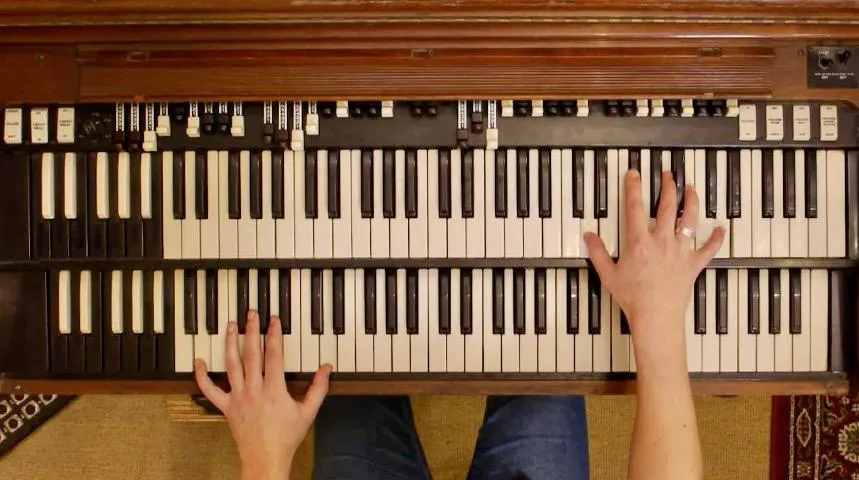
Joe GlossopJoe Glossop desglosa el gospel al órgano Hammond de Ken Lupper en 'Amazing Grace' de Aretha Franklin, centrándose en cómo la mano izquierda lleva la melodía.
Qué incluye el curso
24 lecciones (2h 18m) · 1 gratis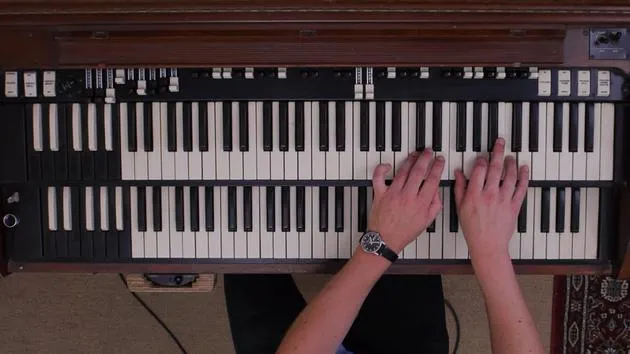
01. The Funk Brothers - How Sweet It Is (interpretación - vista de teclado)
1:42
02. The Funk Brothers - How Sweet It Is
8:51
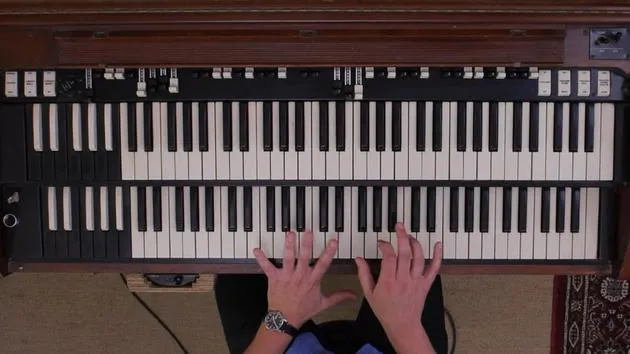
03. Marvin Gaye - What's Going On (interpretación - vista de teclado)
1:54
04. Marvin Gaye - What's Going On
8:49
05. Carole King - You've Got A Friend (interpretación - vista de teclado)
1:51
06. Carole King - You've Got A Friend
8:22
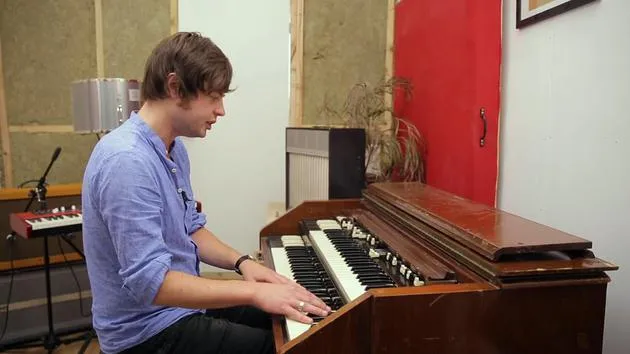
01. Ken Lupper - Amazing Grace (Aretha Franklin)
Estás aquí11:27

Transcripción de la lección
Amazing Grace Music Lesson
Okay, so we're going to look at a really cool tune from an album by Aretha Franklin called Amazing Grace that features just one of the most killer bands you'll ever see.
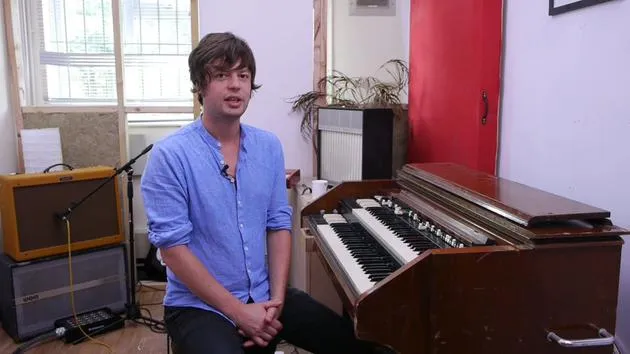
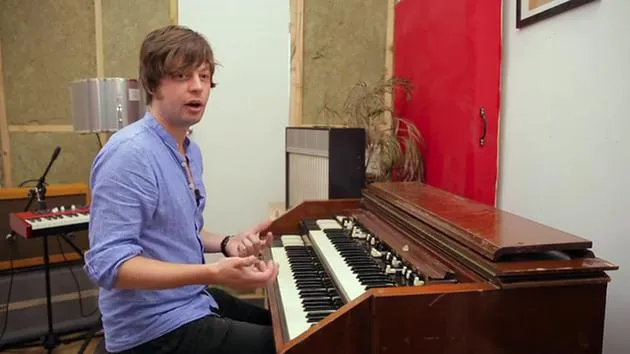
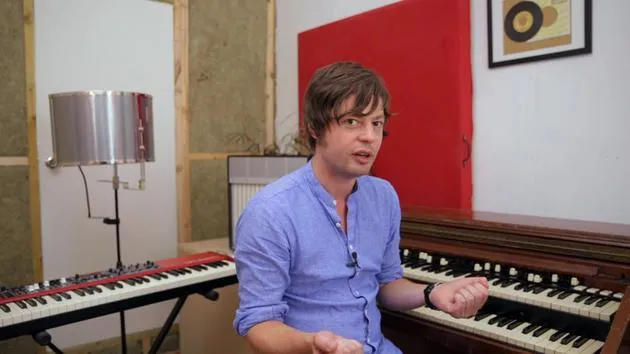
The guy called Ken Luppa is on the organ. If you bought the first course, we covered Ken Luppa a little bit on another tune from that album. And this is one of the best ones, I think. It's a very full-on, sort of gospel style. Very involved.
Lesson Overview
We're going to look at how to carry it with the left hand doing quite a bit of playing and just get stuck in, really. So I'll play through a couple of choruses, and then we'll get deeper into it.
The couple of choruses go round and round and just build, but I want to get into how it all links together, what the harmony is, and what the left hand is doing to carry it.
Intro and Structure
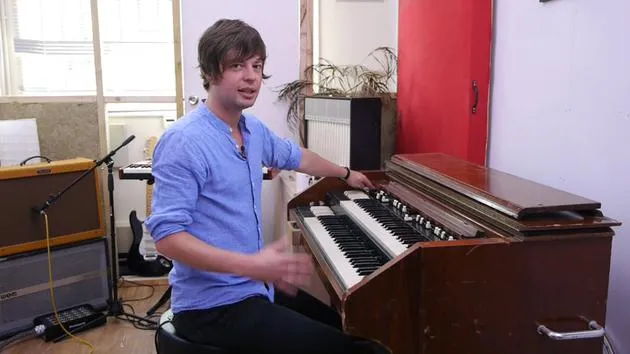
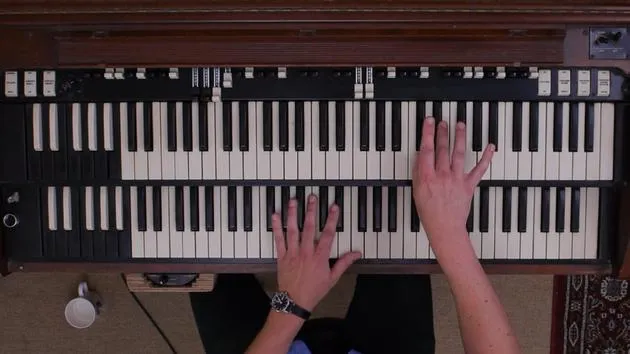
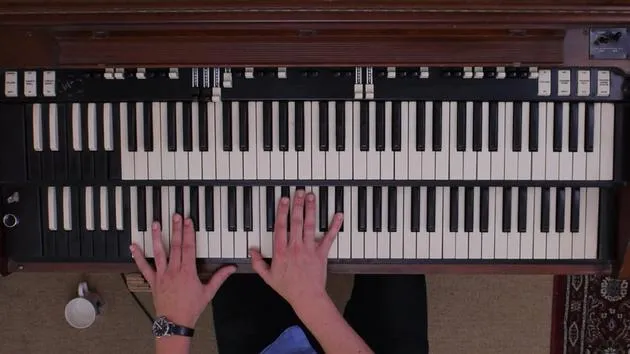
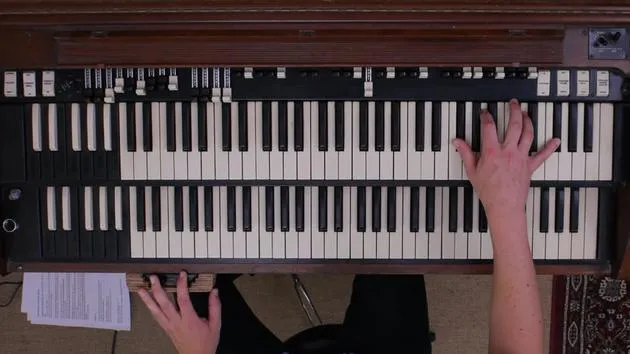
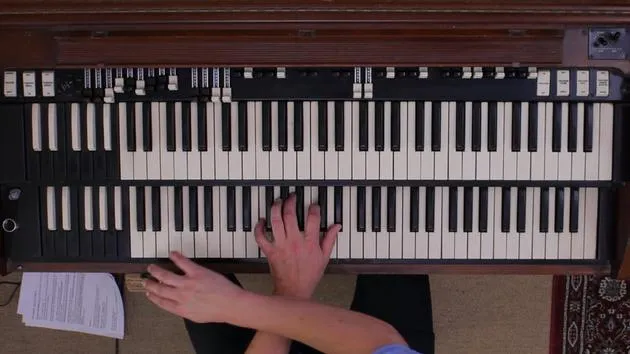
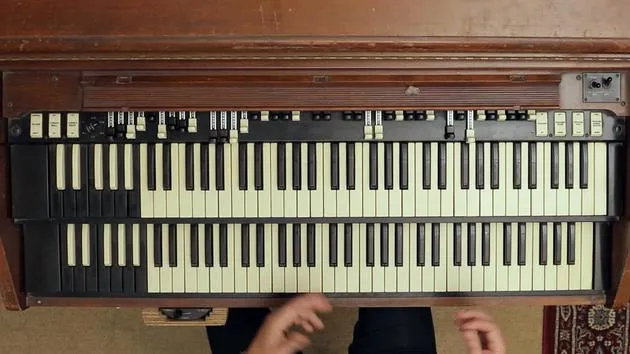
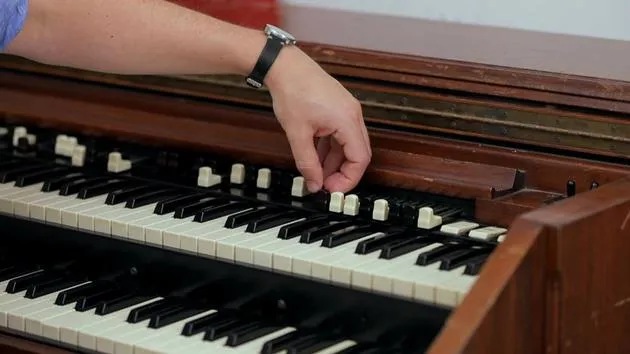
- On the bottom manual, we can see we've got the first four drawbars out, which gives a very big, bulky, thick tone.
- I started off with a little intro. This isn't actually on the track, but it's just a nice little lead-in.
- The song is quite chordal based in both sections.
Harmonic Analysis
You'll notice that some of that looks like an A flat minor, but we're actually in the key of A flat major. However, it's hinting at that minor blues thing.
The feel of it is created by the kind of rolling up here, which is true right through the track. So:
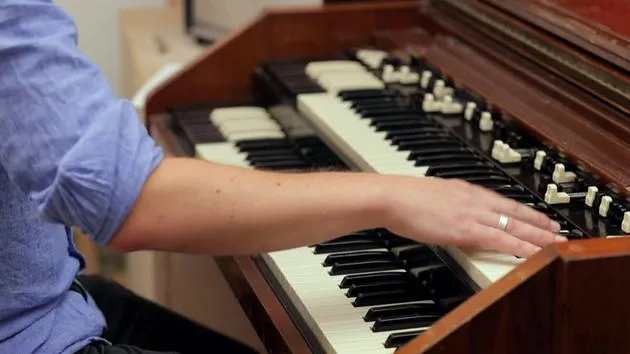
- The left hand is playing quite lightly.
- You're not trying to get all the harmonics engaged as we talked about before; the harmonics come in one by one as you depress the key.
- You're just trying to kind of gently scutch the top couple of harmonics on there.
It's more about that feeling of pushing it along rather than actually playing all of them at once. Most of that is just octaves and fifths.
Blues and Gospel Influences
You've got your classic walk down, which you get in blues and gospel a lot. The interplay between the hands is what you want to get before we go anywhere else with the harmony.
So, very slowly, just that on the one.
Technical Insights
You'll notice there was a Leslie change in there between the chords. What we've got is a sort of diminished A chord moved up to the:
- Two E flats on it.
- We land on the A, then flipped the Leslie and rolled up to the E flat in the bass.
Now for some specifics:
- B flat minor: that same chord with a C in the bass.
- A flat over E flat: If you've already gone through the other half of the chords, you'll have done this chord on the There Will Never Be Another You song.
This is a flat 10 flat 104 by flat 9 with an E in the bass.
- C7 flat 10: E in the bass, which leads us nicely to the F minor.
You're always kind of moving between these lovely passing chords, which is very much a feature of gospel. They love to throw in different changes and always add color to it.
Playing Techniques
For the first half, I did everything on the bottom manual.
- The second half: I moved up to the top manual from there.
- There are a couple of things in there that are very specific to Hammond.
I did a little glissando on the way up and a roll-off of the pedal there as you hit. So that's just:
- Fingers here and then kind of nails on the other side, coming down to join that on the bass walk there.
Conclusion
So to break down the harmony a bit more in that second half, you come down and hit that nice 11 chord on E flat.
For the second one of those, where I come off the sharp niner, I did a very characteristic Hammond thing. Instead of the approach we did for the first half, what you're trying to do is very lightly touch the keys on the way up a few times.
So rather than...
24 lecciones
2h 18m de lecciones en vídeo estructuradas
Funciones de vídeo avanzadas
Ralentiza, repite un pasaje, sigue la partitura
Móvil, tablet y ordenador
Practica donde quieras
Garantía de satisfacción 100%
30 días de garantía de devolución
Conoce a tu gurú
Conoce a tu gurú
Joe Glossop es un teclista de Sheffield que se ha hecho un nombre con el órgano Hammond. Actualmente ocupa el puesto de órgano en la banda de gira de Tom Jones, y ha tocado con Van Morrison y James Hunter, además de al piano y al Rhodes. Sus cursos consiguen sacar el auténtico sonido Hammond de cualquier teclado: el registro de drawbars, el Leslie, el bajo caminante de la mano izquierda y el vocabulario de acompañamiento y solos de las tradiciones del órgano soul-jazz, blues y rock, de Jimmy Smith a Booker T.