Cómo funciona el órgano Hammond

Con
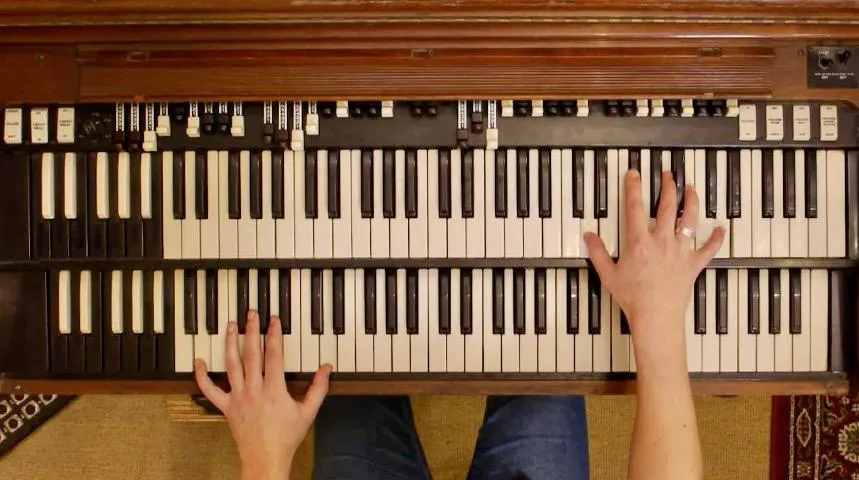
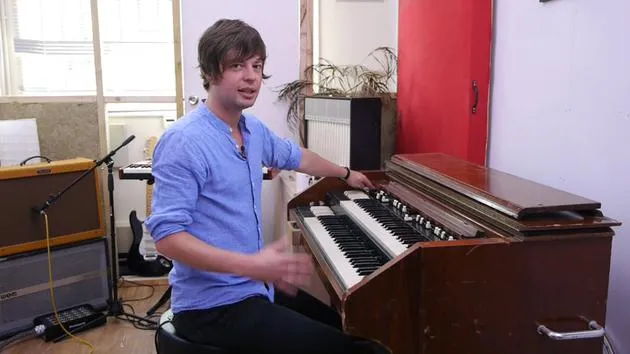
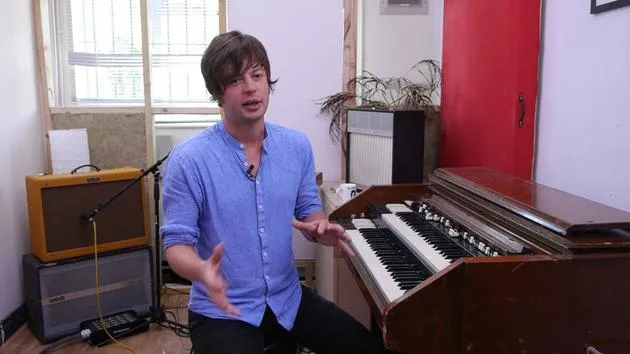
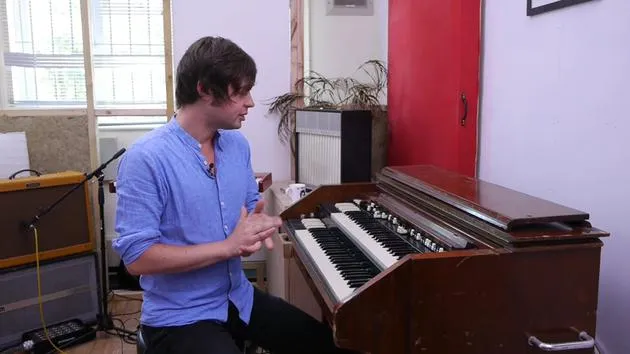
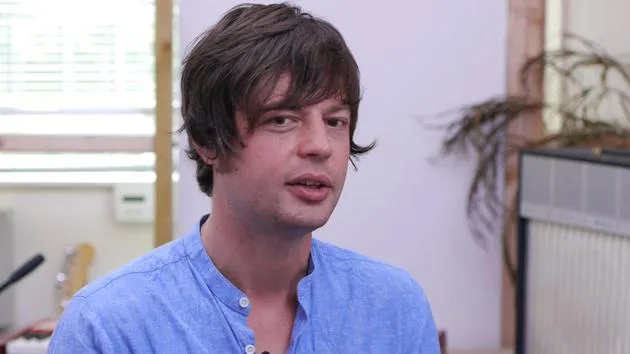
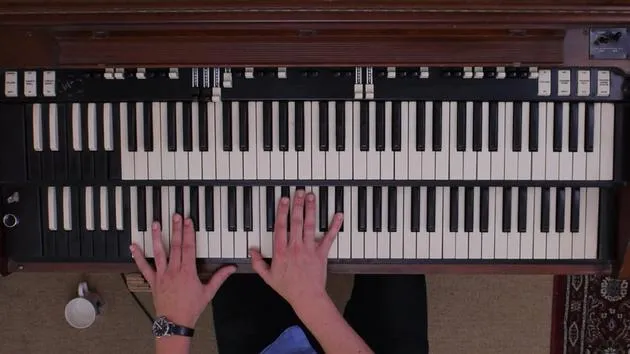
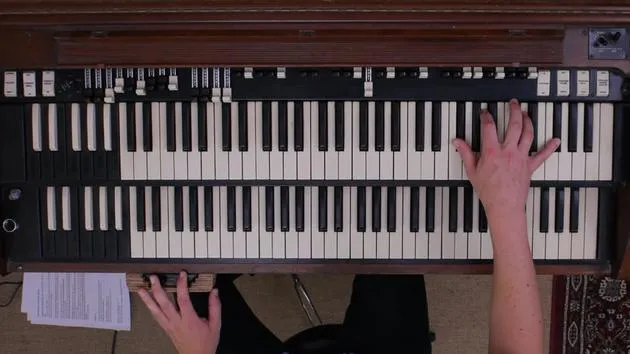
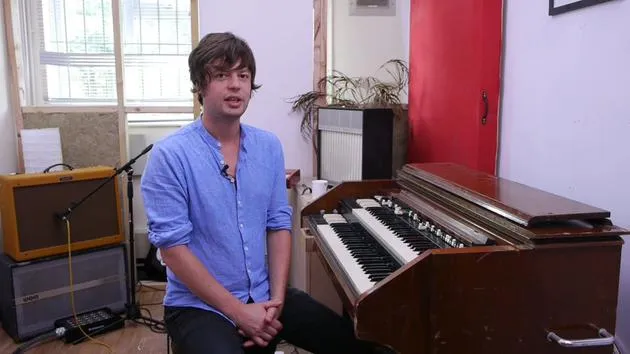
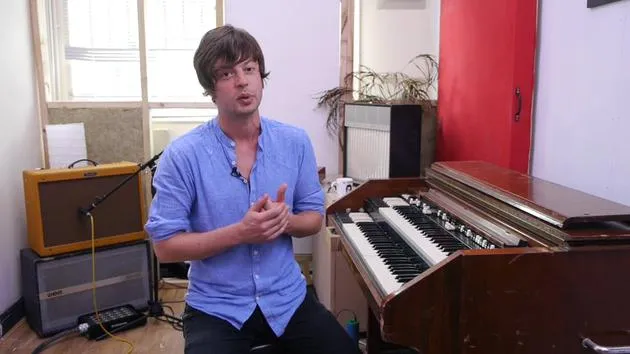
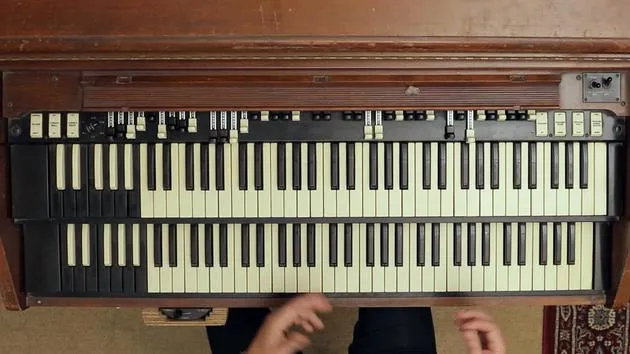
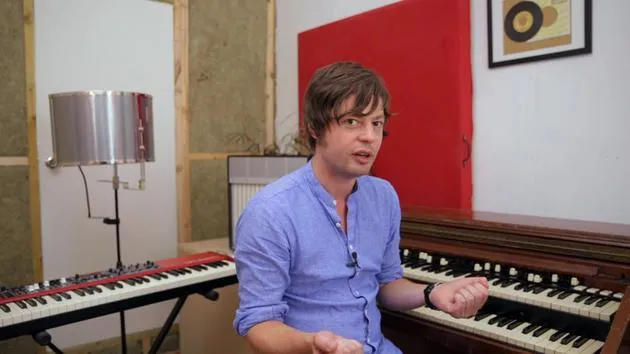
Joe GlossopJoe Glossop abre el generador de ruedas fónicas del Hammond, mostrando cómo sus 96 ruedas giratorias y nueve drawbars por tecla recrean las longitudes de tubo de un órgano de iglesia.
Qué incluye el curso
24 lecciones (2h 18m) · 1 gratis
01. The Funk Brothers - How Sweet It Is (interpretación - vista de teclado)
1:42
02. The Funk Brothers - How Sweet It Is
8:51
03. Marvin Gaye - What's Going On (interpretación - vista de teclado)
1:54
04. Marvin Gaye - What's Going On
8:49
05. Carole King - You've Got A Friend (interpretación - vista de teclado)
1:51
06. Carole King - You've Got A Friend
8:22


Transcripción de la lección
Understanding the Tone Wheel Generator
The guts of it are this tone wheel generator that has 96 tone wheels on a rod, and they spin in an electric current.
How It Works
- Each time the little cog cuts through the current, a tone is produced.
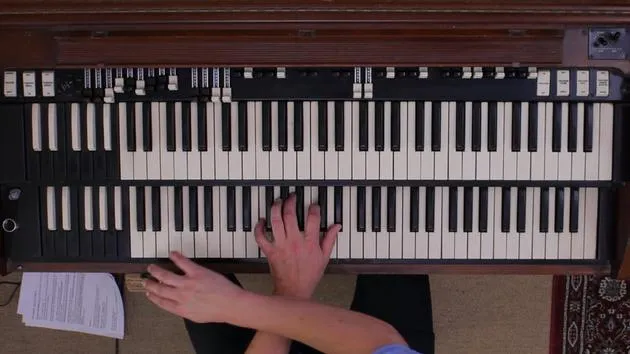
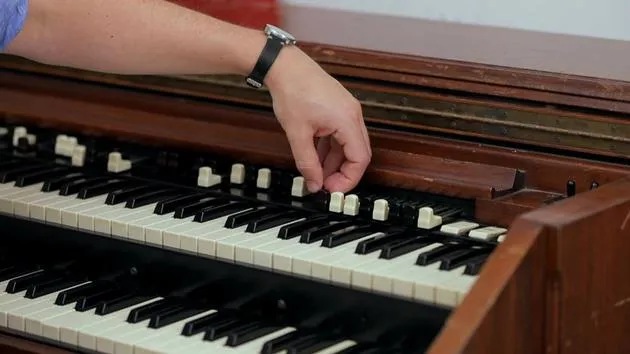
- Each key has nine contacts which correspond to nine drawbars.
- As you press the key down, you gradually hear a transition from high to low.
- The contacts engage one by one.
Key Mechanics
- In each key, there are nine contacts going up and down vertically.
- It's a very complicated system.
- I don't know how he came up with it, and it's amazing that they still work all this time later.
Historical Context
- The design is 70 to 80 years old.
- It's different from a church organ in that it's electric, to begin with.
Drawbar Modeling
- These drawbars are modeled on lengths of pipe from a church organ.
- The original idea was to recreate a church organ.
Drawbar Labels
-
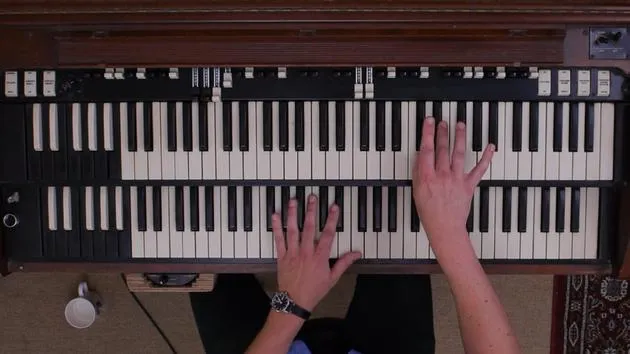
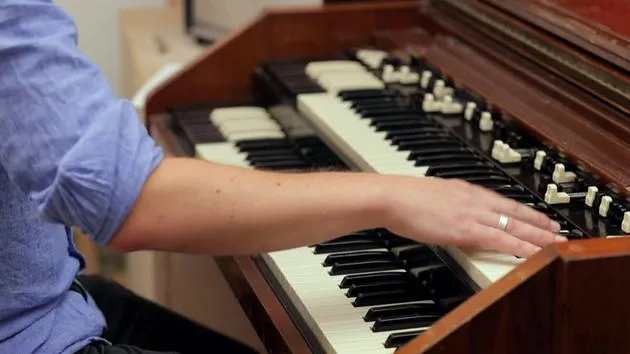
If you see slightly later models from the late 60s onwards through the 70s, the drawbars had the lengths of pipe written on:
- This is 16
- This is 5 and a third
- This is 8
- This is 4
- That's 2 and 1
-
Additional notes:
- These are all kind of one and a third, two and three fifths.
- I think these are sub fundamentals.
- The white ones are all fundamentals.
- That's a fifth, and these are all fifths.
Conclusion
It's an incredible bit of engineering, really. This model was made from 1955 to 1975.
24 lecciones
2h 18m de lecciones en vídeo estructuradas
Funciones de vídeo avanzadas
Ralentiza, repite un pasaje, sigue la partitura
Móvil, tablet y ordenador
Practica donde quieras
Garantía de satisfacción 100%
30 días de garantía de devolución
Conoce a tu gurú
Conoce a tu gurú
Joe Glossop es un teclista de Sheffield que se ha hecho un nombre con el órgano Hammond. Actualmente ocupa el puesto de órgano en la banda de gira de Tom Jones, y ha tocado con Van Morrison y James Hunter, además de al piano y al Rhodes. Sus cursos consiguen sacar el auténtico sonido Hammond de cualquier teclado: el registro de drawbars, el Leslie, el bajo caminante de la mano izquierda y el vocabulario de acompañamiento y solos de las tradiciones del órgano soul-jazz, blues y rock, de Jimmy Smith a Booker T.