



Análisis, explicación y demostración con Ana Chumachenco
Qué incluye el curso
6 lecciones (1h 59m) · 1 gratis
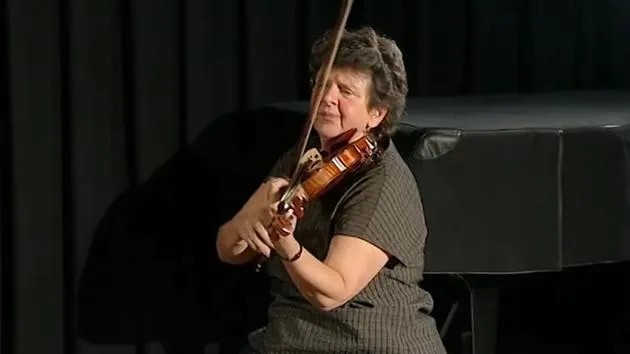
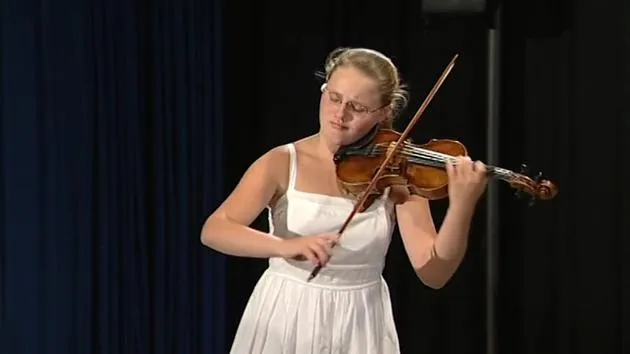
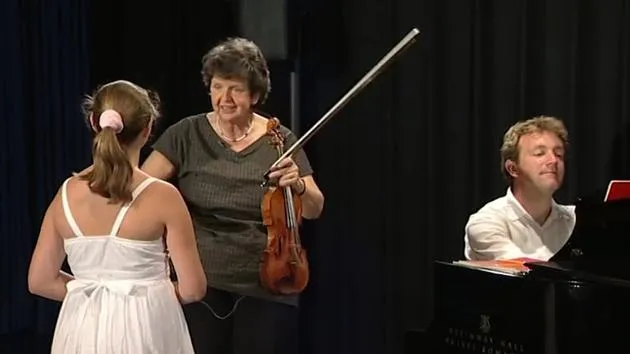
Transcripción de la lección
Music Lesson
Introduction
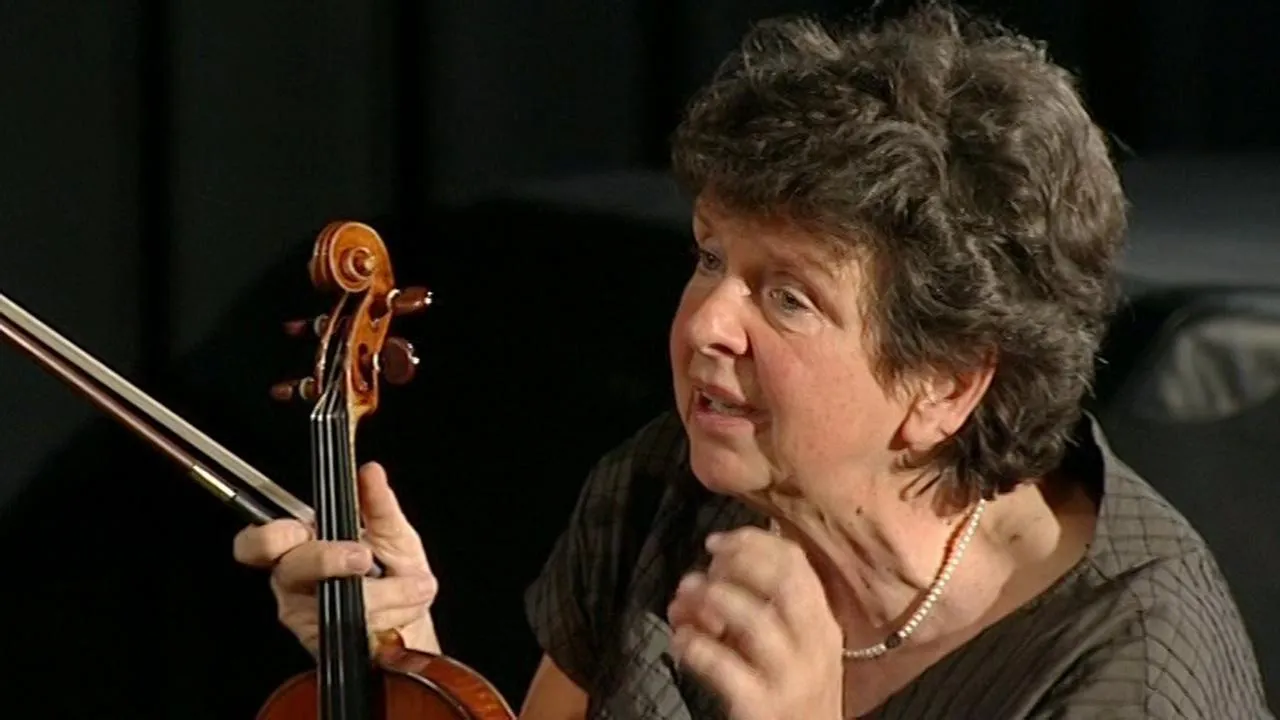
"Before I say something. When you play, it's very interesting because you move very much everywhere. But in the most important place, where you should move, you are tense."
Key Points
-
Be Quiet and Listen:
- "You should hear. Be quiet and hear."
-
Focus on Movement:
- "Move as much here, as much as possible, but not here."
-
The Importance of Activity:
- "The activity should come here already in the beginning. The first adagio here. Quiet, quiet, quiet."
Performance Tips
-
Control Duration:
- "Not too long, not too long."
- "It shouldn't sound as it. Oh, what do I do next?"
-
Orchestral Coordination:
- "And then the orchestra. Shall we do the same thing?"
-
Tension and Tone:
- "No tension, no volition. You already are thinking a beautiful tone. Yes, yeah."
-
Articulation and Dynamics:
- "Try to do it, try to do."
- "Let it blossom. Long."
- "This G natural. This minor. No, right. Has to change."
-
Imagery in Sound:
- "Not coming out, but just like a little cloud, the sun shining. And a little cloud passes."
Practice Suggestions
-
Character and Differentiation:
- "A lot of character differentiation. All the time is happening something, you think it goes somewhere."
-
Light and Firm Movement:
- "You need to stand quietly or to do something firm and move here, everything. Do it from here."
-
Managing Tension:
- "That's why you cannot realize these changes as quickly as it is."
Dynamics and Expression
-
Use of Bowing:
- "In this leggiero, just start up this coming the scale up to there."
-
Taking Risks in Performance:
- "Take a risk. Exactly. Not like a Salto Mortale."
Conclusion
-
Awareness and Presence:
- "When you practice this in front of the mirror, look at yourself, look at your presence. Just to."
- "You can do it. But all this time before, you were playing like that, and silently it comes."
-
Final Thoughts:
- "Thank you very much. Good."
6 lecciones
1h 59m de lecciones en vídeo estructuradas
Funciones de vídeo avanzadas
Ralentiza, repite un pasaje, sigue la partitura
Móvil, tablet y ordenador
Practica donde quieras
Garantía de satisfacción 100%
30 días de garantía de devolución
Conoce a tu gurú
Conoce a tu gurú
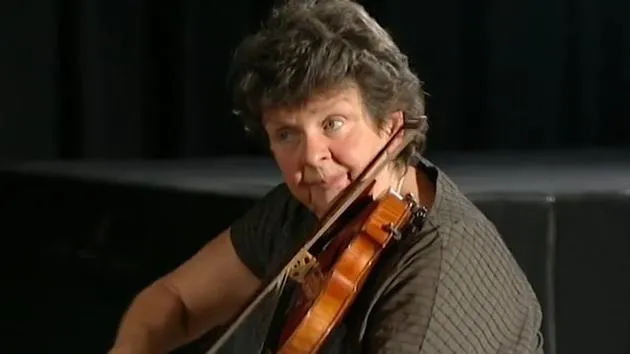
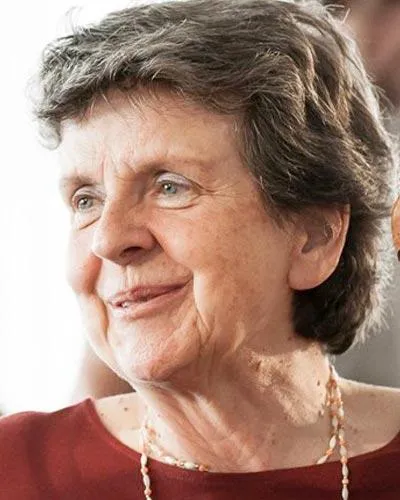
De origen ruso, pero nacida en Italia y de nacionalidad argentina y alemana, Ana Chumachenco empezó a tocar el violín a los cuatro años bajo la supervisión de su padre, discípulo de Leopold Auer, y más tarde con Ljerko Spiller en Buenos Aires. Tras alcanzar una carrera notable en sus primeros años, regresó a Europa a los 17 años para continuar sus estudios. Un año después obtuvo la medalla de oro en el concurso Carl Flesch de Londres y, unos años más tarde, la medalla de plata en el Concurso Reina Isabel de Bruselas. Sus mentores musicales de aquellos años fueron Joseph Szigeti, Sandor Vegh y Yehudi Menuhin.
Además de sus recitales y sus apariciones como solista con grandes orquestas, Ana Chumachenco ha dedicado gran parte de su tiempo a la música de cámara, especialmente en un trío de cuerdas con su marido y violista, Oscar Lysy, y el violonchelista Walter Notas, con quienes, bajo el nombre de Munich String Trio, ha actuado durante más de 20 años.
Ana Chumachenco ocupa una cátedra en la Musikhochschule de Múnich y es una de las profesoras de violín más solicitadas del mundo: sus alumnos son jóvenes violinistas excepcionales que se han convertido a su vez en solistas internacionales. También es invitada periódicamente a formar parte del jurado de importantes concursos de violín, como el Concurso Internacional de Música Reina Isabel de Bélgica, el Concurso Internacional de Violín Jean Sibelius de Helsinki y otros.
En su clase magistral de MusicGurus sobre los Conciertos para violín n.º 3, 4 y 5 de Mozart, podrás estudiar directamente con ella. Ana comparte las claves que han formado a toda una generación de solistas: cómo dar forma a una frase, colorear el tono, gestionar la arcada y la articulación, y hacer aflorar el carácter, el ingenio y el canto que hacen de Mozart algo tan revelador de tocar.







