



Octavas y dinámicas

Con
Doug MacLeod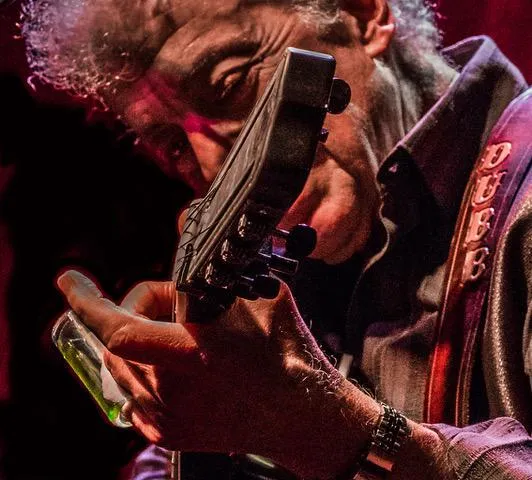
Qué incluye el curso
16 lecciones (1h 51m) · 1 gratis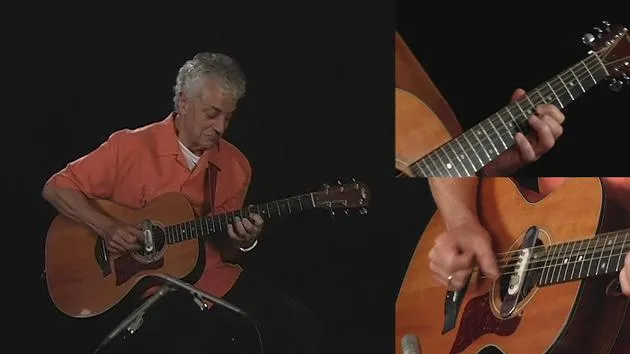
01. Introducción al curso
Lección gratis2:23
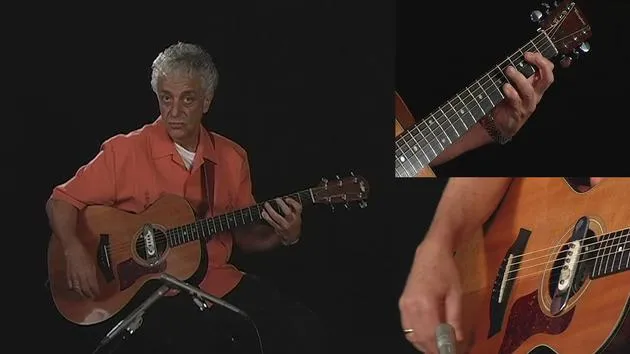
02. Afinación
1:30
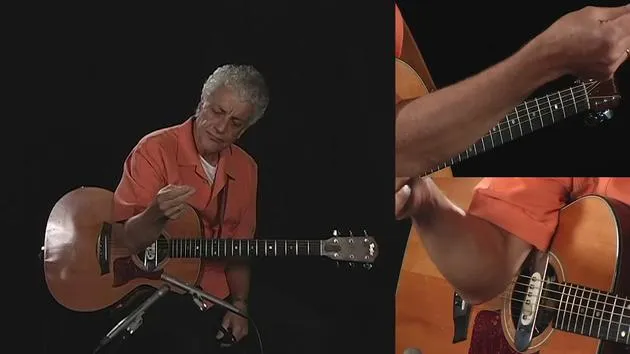
03. Técnicas esenciales para la mano izquierda y derecha
10:19
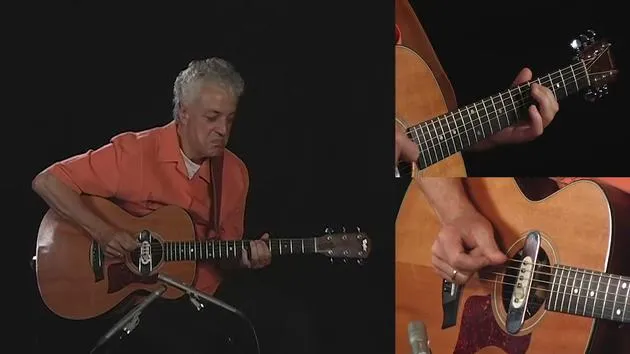
04. Groove de un acorde
8:30
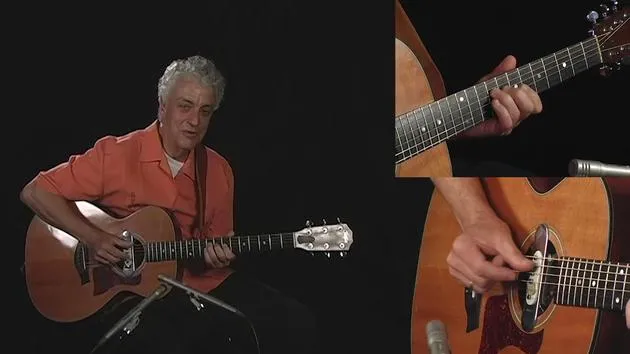
05. Octavas y dinámicas
Estás aquí6:45
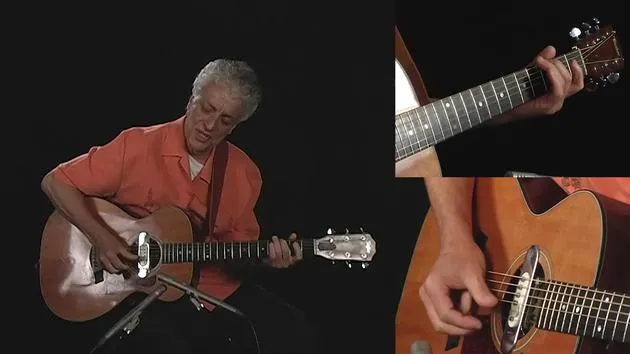
06. You Can't Take My Blues
3:53
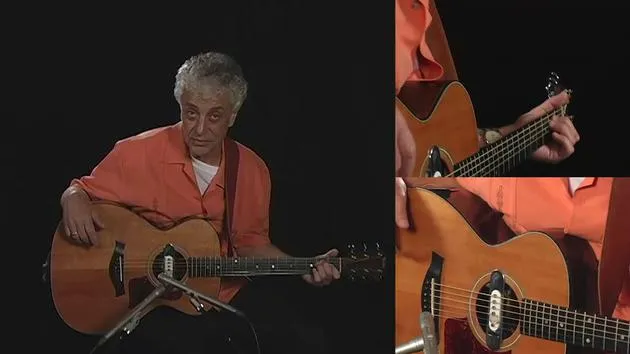
07. 12 Bar Blues
3:35
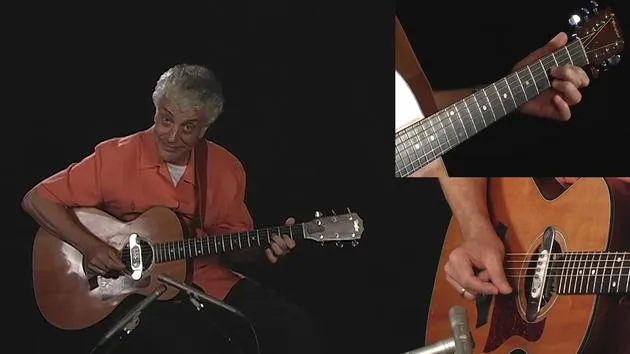
08. Turnarounds
3:34
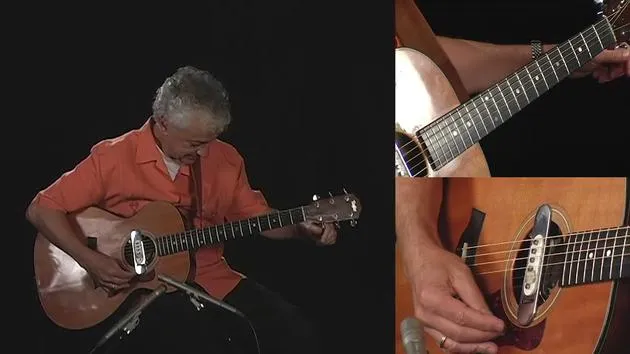
09. Explorar el mástil para lograr mayor alcance
10:27
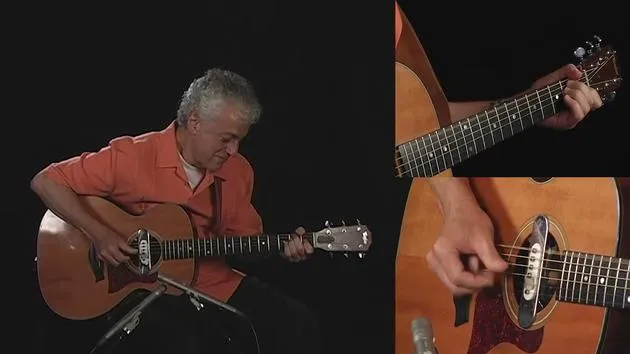
10. Home Cooking
4:08
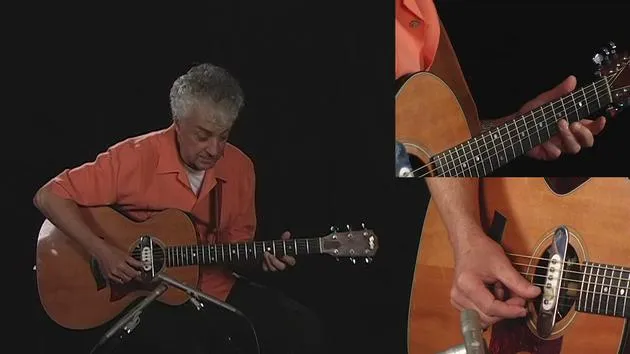
11. Blues de 8 compases
16:56
12. Ain't The Blues Evil
3:07
13. La afinación especial en "Sol" de Doug
16:07
14. Big City Woman (She Talks So Much She Makes Me Tired)
4:30
15. Open G Tuning
11:34
16. A Sweet Ride
4:04
Transcripción de la lección
Music Lesson: E7 Chord and Octaves
Now we're grooving up here on the very top of the guitar. And we got a chord that sounds a little bit different, doesn't it?
Understanding the E7 Chord
It doesn't sound like this one, and it doesn't sound like down here, does it? That's why we're using the third up here. Now, this is an E7. We got the G sharp in it, and that's what defines the chord.
- Two Notes Define a Chord:
- The third
- The seventh
A little bit later on, I'll explain to you how the bass can change. But the two notes that define a chord are the third and the seventh. So, there it is. There's your E7.
Exploring Octaves
Now we can do octaves off of this too, which is a kind of cool sound. Let me explain them to you.
What Are Octaves?
Yes. What am I doing on an octave? I'll show you. We gotta change this around; the lights and so on sometimes can run a little havoc on the guitar.
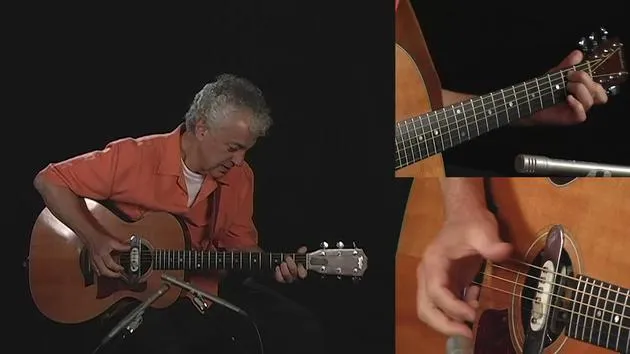
What you got here is your octave. I put my first finger on the G string at the:
- 12th fret
- 11th fret
- 10th fret
- 9th fret
And then my pinky will go up here on the 12th fret.
The secret is: I'm bending this finger over so it deadens the B string. So you get it like that. Now you can pinch and get your octave like that, like Wes Montgomery used to do.
He used to take that thumb and just whack it down to get that groove, see? You can feel free about attacking hard because you're not going to hit the string if you do it right. So, just kind of get the fat part of this finger over, and you're there. And that works on this set of strings too.
Basic Finger Position
Again, oops! Well, we got a little trouble here.
That works down here. Same principle: the first finger drops over the G string and deadens that one. Then we work our way down.
When we get down here to the A string and the G string, we're going to wrap this finger around the D string to deaden it. When it's down like that, you notice I've changed. My pattern isn't like this now. No, my pattern is like that.
- Do not do this: That's going to sound wrong.
- But this will sound right: And then we move this, and that pattern stays the same on here and down to here and all the way down.
Building a Solo
So if you're going to be building something, if you're going to be building a solo, if you are improvising in blues or any kind of music, you want to:
- Build on a motive
- Use dynamics
- Make your music sound like you're talking
We talked about vocal stuff, and that's exactly what I'm talking about with you.
Now, if I were to talk to you in the same voice pattern, the same way, pretty soon you'd be sleeping over there.
But if I change my voice and I approach you, reaching out with my voice, you'll be interested. It's the same when you're playing music. It's called emotive; it's also called dynamics.
Setting Up the Groove
So let's set something up here with our one-note groove again. We're going to use octaves, and you're going to say, "Man, how am I going to do that?" Because I got my thumb working my bass; how am I going to play octaves?
Finger Mechanics
I saw you do this; I'm not going to leave you stranded. I got the answer for that, it's going to be your picking finger.
Remember that lead belly strum I told you, where one goes up and the other goes down? You just bring your picking finger up, and it'll make the octave. Check this out:
- I pinched there, and I'm still strumming up, and I got the octave.
Dynamics in Blues
Now, what is this? Oh, I'll show you this one too. They say this is 101 blues tips, but I think you're going to find there's more than 101, but who's counting? Check this out!
What I did on this octave here is I put this finger down on the B string, giving this a kind of sound like a George Benson sound.
Someone said, "Well, how can you use George Benson in the blues?" I said, "Why not?" If Robert Johnson heard Wes Montgomery, I gotta believe that Robert Johnson would be playing octaves.
And I mean, Lemon Jefferson played octaves. He just played them like this. So, you can use octaves too.
Putting It All Together
Let's go ahead and put the groove in and add the Benson fifth in there. It sounds like this:
Boy, that sounds good! We hit our double stop down here. We got the groove now.
Now, let's put the whole thing together. Listen, now I'm just taking this chord here. Check this out.
This is what I call a partialization of the E chord. All I'm doing is taking my first finger off to get that sound.
- Hear that motor?: Make you hear it. It's like you're writing a song.
You're not just playing scale notes; you're making melodies. And we're doing this on one chord.
Dynamics Again
We're going to play loud. Now listen.
Now we bring it down. That's dynamics.
We're making music. We're making music.
16 lecciones
1h 51m de lecciones en vídeo estructuradas
Funciones de vídeo avanzadas
Ralentiza, repite un pasaje, sigue la partitura
Móvil, tablet y ordenador
Practica donde quieras
Garantía de satisfacción 100%
30 días de garantía de devolución
Conoce a tu gurú
Conoce a tu gurú
Doug MacLeod es conocido por sus magníficas composiciones, su virtuosismo a la guitarra, su voz cálida y llena de alma, su ingenio y sus inolvidables actuaciones en directo. En el corazón de una actuación de Doug MacLeod está su don para contar historias, dando vida de forma asombrosamente real a personajes que van de los anónimos a los legendarios. Doug ha ganado múltiples Blues Music Awards, entre ellos el Blues Music Award 2020 al Artista Acústico del Año y el Blues Music Award 2018 al Álbum Acústico del Año por 'Break The Chain', y ha sido nominado al Blues Music Award 2021 al Artista Acústico del Año.
Su álbum con el productor Jim Gaines se publicó en 2021.
En 101 Blues Guitar Essentials, Doug transmite los fundamentos de su oficio -los grooves, las técnicas y el feeling que sustentan la auténtica guitarra de blues acústico- para que puedas construir un verdadero vocabulario en el instrumento y empezar a contar tus propias historias a través de él.
"Como todos los grandes bluesmen, MacLeod vive su música, y las canciones no están solo en la punta de sus dedos y de su lengua, sino que son una sola cosa con su ser." - Blues Music Magazine
"Uno de los grandes artistas del blues... ¡y punto!" - Jorma Kaukonen







