



Analyse des zweiten Satzes mit Yuri Bashmet
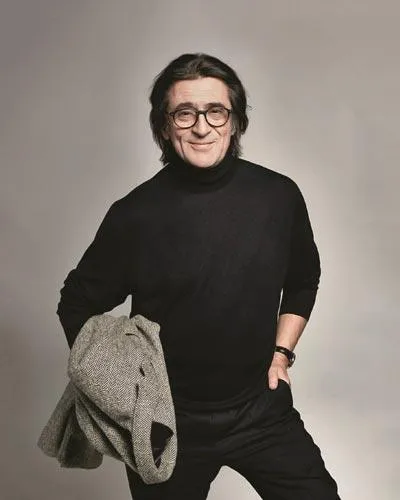
Mit
Yuri Bashmet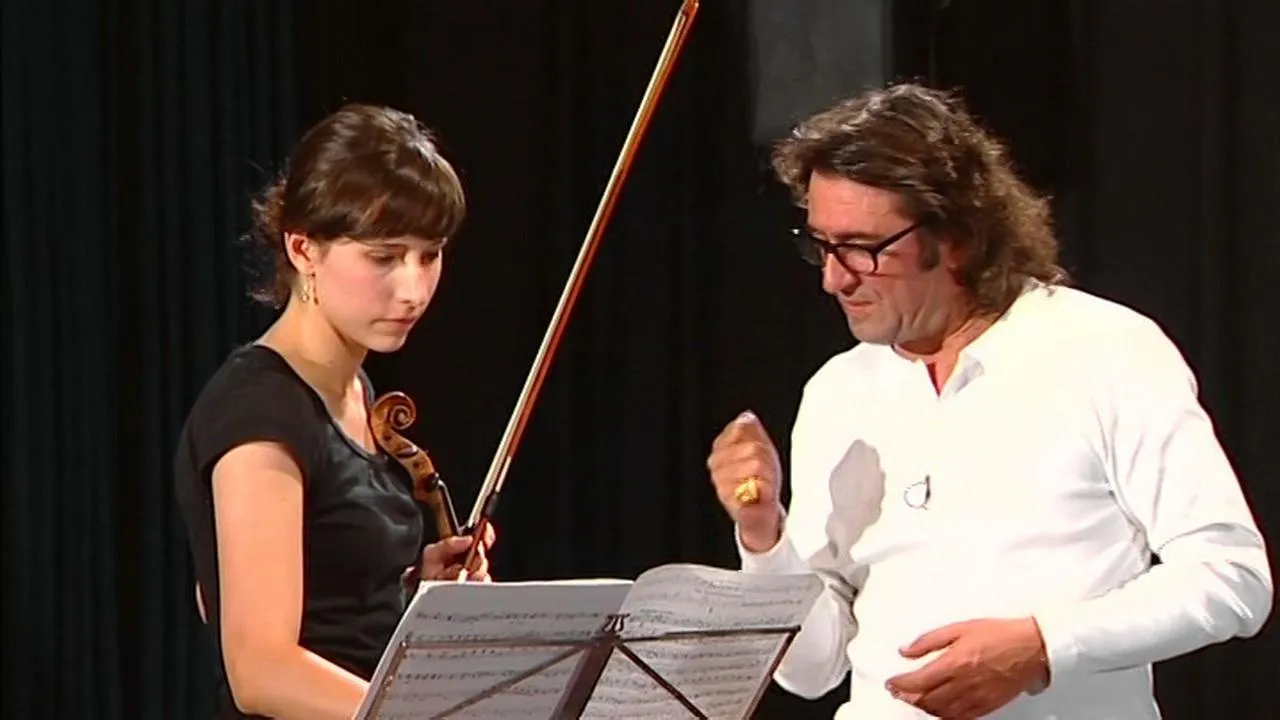
Das steckt im Kurs
6 Lektionen (2h 3m) · 1 gratis
01. Aufführung des ersten Satzes von Barbara Buntrock
Gratis-Lektion10:15
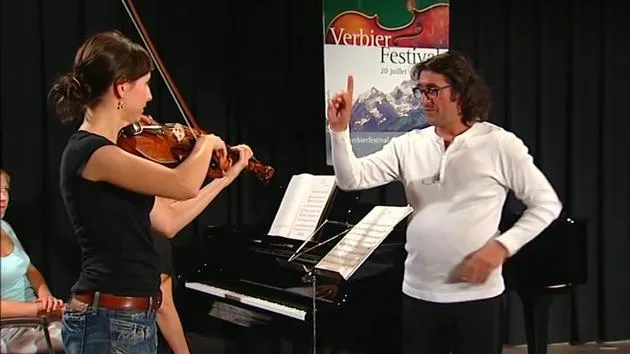
02. Analyse des ersten Satzes mit Yuri Bashmet
49:28
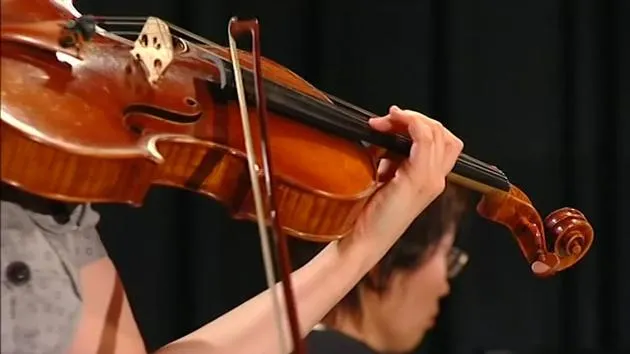
03. Interpretation des zweiten Satzes von Lilli Maijala
7:43
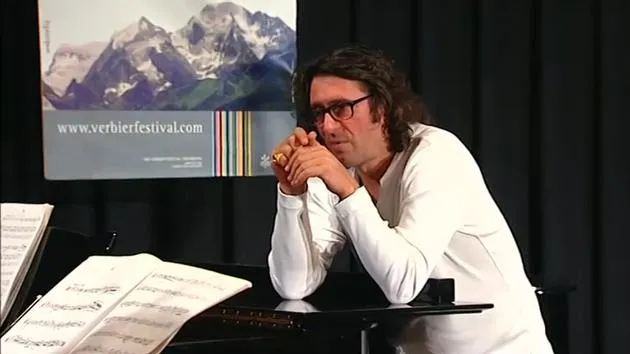
04. Analyse des zweiten Satzes mit Yuri Bashmet
Du bist hier21:18
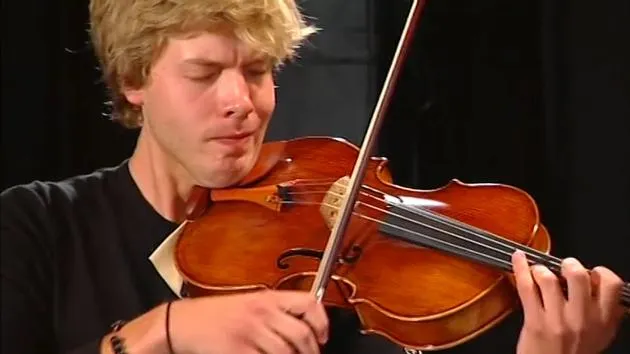
05. Interpretation des ersten Satzes von Jan Grüning
14:24
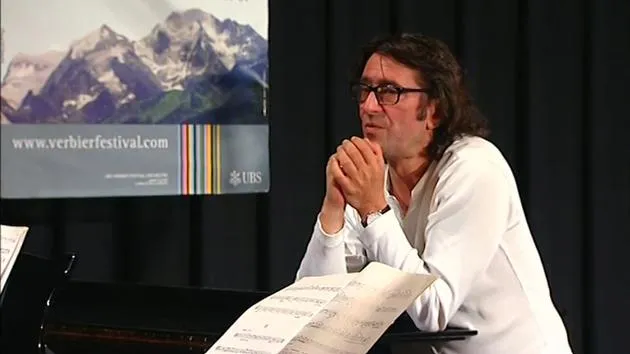
06. Analyse des dritten Satzes mit Yuri Bashmet
20:41
Transkript der Lektion
Music Lesson Formatting
Teacher: Generally for me, it is a little bit too slow. I know you take the right metronome tempo as it's written. But when I played it with a very famous Russian pianist, Sviatoslav Richter, we spoke about tempo in this piece. He said, "Yuri, don't look to the metronomes of Shostakovich."
Metronome Insights
- Shostakovich's Metronome:
- He had the wrong metronome at home; it was broken.
- So, don't trust what he wrote.
- Shostakovich was very flexible with tempo; he liked it when people played quicker or slower.
Movement Insights
- For me, the second movement has to be like a Scherzo.
- Remember about beats, sometimes you jump.
- Be careful, be careful.
Playing Suggestions
- Let's try to play from the beginning a little bit quicker.
- Yes, faster!
Teacher: Very good!
Artistic Picture
- What kind of picture do you see?
- What do you want?
- What is your idea?
Tone and Emotion
- It's not quality; it should be maybe more like not too joyful or nice at all.
- Good, it's not nice. It is kind of angry.
- Maybe you can play loud a little bit, good, good!
- It's still a bit too "Deutsch" from the beginning.
Character and Dynamics
- It depends on character, of course.
- Don't be a "good girl."
- First Beat: Do it with an accent for a guarantee!
Energy and Style
- Oh yeah, I do. Just don't sleep when I show you.
- It has to be more energy and end with "boom, boom, boom."
- Don't lose this energy; keep it going!
Feel and Texture
- Main thing: what is my taste?
- It's wrong when you play; you often revert to a politic feeling.
- It's all the time very ironic and with bad words, I would say.
Performance Technique
- When it's too accurate, try something different.
- I don't like it when it sounds like a guitar.
- Just focus on stronger beats.
- Keep following the moment you push and then up.
Movement and Flow
- The moment you do this, remember not to play all the time barrier.
- With right hand: push, then up.
- See? Yeah, tight. Just take your moment.
Thoughtful Playing
- Think about sound and intonation.
- Know where it is; it is individual.
- Find your guarantee with the fingers before playing.
Final Tips
- Change at the last moment; keep the same intonation til the end.
- Stop, listen till the last moment.
- I don't think you have to do ritardando here, because after it, it looks late.
Rhythm and Timing
-
Two things: at the very end, make it one phrase.
- You're doing too many poses; focus on your rhythm.
- You're always late here.
-
Just ask somebody to help you or use a metronome.
-
It's too late, and that's okay.
Teacher: Next movement.
6 Lektionen
2 Std. 3 Min. strukturierte Videolektionen
Erweiterte Videofunktionen
Verlangsamen, Passagen loopen, mitlesen
Handy, Tablet & Desktop
Üben, wo du willst
100 % Zufriedenheitsgarantie
30 Tage Geld-zurück-Garantie
Lern deinen Guru kennen
Lern deinen Guru kennen
Durch seine Virtuosität, die Kraft seiner Persönlichkeit und seine hohe Intelligenz hat Yuri Bashmet der Bratsche eine neue Bedeutung im Musikleben verliehen. Als herausragender Bratschist der Moderne hat er die führenden Komponisten unserer Zeit dazu bewegt, das Repertoire mit bedeutender neuer Musik zu erweitern. Er ist künstlerischer Leiter des Festivals December Evenings in Moskau, Chefdirigent der Symphony Orchestra of New Russia sowie Gründer und Leiter der Moscow Soloists. Zudem tritt er weltweit in der Doppelrolle als Dirigent und Solist auf.
1953 in Rostow am Don in Russland geboren, verbrachte er seine Kindheit in Lwiw in der Ukraine, bevor er am Moskauer Konservatorium bei Vadim Borisovsky (vom Beethoven-Quartett) und Feodor Druzhinin studierte. Seine internationale Karriere begann 1976, als er den International Viola Competition in München gewann. Seither ist er mit allen großen Orchestern der Welt aufgetreten, darunter die Berliner und Wiener Philharmoniker, das Royal Concertgebouw Orchestra, die Symphonieorchester von Boston, Chicago und Montreal, das New York Philharmonic, das London Philharmonic und das London Symphony Orchestra, das ein eigenes Yuri Bashmet Festival veranstaltete.
Er hat viele Komponisten dazu inspiriert, für ihn zu schreiben, und pflegte insbesondere zu Alfred Schnittke und Sofia Gubaidulina enge persönliche und berufliche Beziehungen. Abseits des Konzertsaals bringt er einen forschenden und scharfsinnigen Geist in das Leben jenseits der klassischen Musik ein: Er ist ein Enthusiast der Beatles und von Jimi Hendrix und hat im russischen Fernsehen seine eigene politische Diskussionssendung moderiert. Er spielt eine Testore-Bratsche von 1758 (ein ähnliches Modell wie das, das Mozart spielte), die er 1971 erwarb.
Schostakowitschs Sonate für Bratsche und Klavier bei Bashmet zu studieren bedeutet, dieses überragende Werk von dem Interpreten zu lernen, der mehr als jeder andere dazu beigetragen hat, die Bratsche in den Mittelpunkt der Bühne zu rücken. Seine Einsichten in Phrasierung, Ton und die tiefere Absicht der Musik sind etwas, das keine Partitur allein vermitteln kann.







