



Schreiben und Arrangieren für Bläser
Die Youngblood Brass Band teilt ihren Trial-and-Error-Ansatz beim Schreiben und Arrangieren für Bläser – den Tonumfang und den optimalen Bereich jedes Instruments finden.
Das steckt im Kurs
8 Lektionen (1h 4m) · 1 gratis
01. Komponieren und Zusammenarbeiten
11:54
02. Wie die berühmten Youngblood-Stücke entstanden
8:33
03. Stücke für Alben oder Live-Shows auswählen
6:18
04. Wie man Coversongs angeht
8:12
05. Wie du eine "gute Idee" erkennst
Gratis-Lektion4:44
06. Struktur und das Entwickeln von Ideen zu einem fertigen Stück
8:15
07. Was ist eine Idee?!
4:17
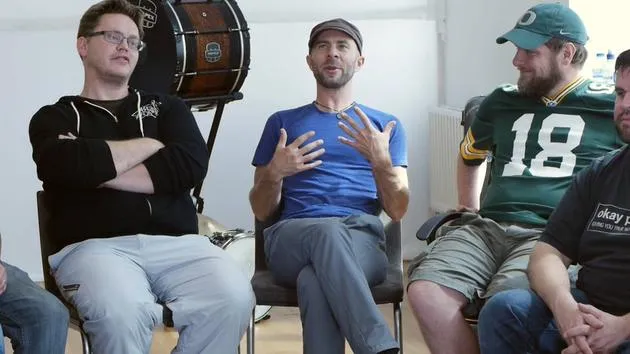
08. Schreiben und Arrangieren für Bläser
Du bist hier12:18
Transkript der Lektion
Unique Approaches to Writing for Horns
Well, we write for horns way differently than most people. But I think, you know... Nat can talk about it.
The Process of Arranging for Horns
It's just kind of trial and error. Just try it out. You can go to school and spend $120,000 on an education at a conservatory with the best arranging teacher and still not be able to write a song.
For arranging for horns, you need to:
- Understand the Range: Find out what the range is of the instrument.
- Discover the Sweet Spot: If you know the player, find out their sweet spot range.
- Experiment: Just try it.
No one can teach you how to really compose or arrange. It really has to come from you.
Arranging Techniques
- About the Instruments:
- Trombones like to be spread apart.
- Trumpets sound good clustered.
- Saxophones sound good in thirds, but can also be clustered.
Avoid writing melodies for a saxophone or trumpet in the low range; you won't be able to hear it. There are typical ways to arrange for horns, especially in dance music, but what works for your song might be completely different or counterintuitive.
The biggest problem is when people think there's only one way to arrange for horns. They often say, "We need horns on this," but if that's the mentality, you might as well use a synthesizer and save the money.
The Influences of Nat and Brother
This is one of the real reasons why Nat and his brother, who were digging through record crates at 12 or 13 years old, found a band full of brass, specifically the New Orleans Dirty Dozen Brass Band. When they listened, they realized brass instruments are used in a way not typically employed in many genres.
We're an unusual band, and we often get feedback after shows. One common comment is, "Why don't you cover more Kool & The Gang or Chicago?"
- A Big Distinction:
- They're a horn section band; we have to cover every instrument's role in our music.
- Our horn players need to do more than just punctuate vocals; they must embody the essence of the entire band.
Musical Risks
What's exciting about playing songs that already have iconic horn parts? It poses no musical risk. When we cover a tune with a well-known horn section, that part usually gets cut first in my arrangement because it's the least essential.
- We are about creating a cake, not just icing it.
- Mostly, it's just cakes.
Encouragement to Innovate
If this session is mainly for brass bands or any band, think a bit outside the boundaries of what you think instruments can do. For instance, sometimes in a studio session, someone might request "fluttery saxophone stuff," and I'm like, "Really? That's all you've got?"
- Options for Instruments:
- Three guitars in a band could harmonize instead of just strumming chords.
- Horns can be more than just an Earth, Wind & Fire punch.
I like how in the new Youngblood record, we focused on getting the horns to create sounds in ways that are not typical. In a track called "The Plan," there are reed pops that function like percussion.
Listening for Innovation
When you start writing in a genre, listen extensively to that genre, as we all did when originally attempting to be a brass band. Eventually, to innovate, you have to stop immersing yourself in just that genre.
If you want to write something unique for tuba, listening exclusively to tuba music won't help. Instead:
- Master the Basics: Learn what exists in the genre.
- Seek What's Missing: Discover what's lacking that you want to bring.
A Note on Personal Preferences
Just as a side note, I (Tom) am not a fan of drum solos. Nothing is less interesting than drums by themselves unless they're creating a conversation with other instruments.
- I prefer drums over a vamp or in trading with horn players.
- Generally, all instruments sound better when accompanied.
Final Thoughts
During a discussion about why we don't just copy other successful bands, it's clear that while shiny horns and flashy moves grab attention, not everyone has the ideas necessary to utilize them effectively.
Our band may not be the most visual, but we are committed to originality and innovation. Yes, it might seem cooler to see a guitarist rocking out, but we're bringing our unique contributions to the musical landscape.
Can I get a whammy bar for my cherry red Stratocaster?
Conclusion
Ultimately, we are about creating something meaningful in our music ? cakes, not just icing.
8 Lektionen
1 Std. 4 Min. strukturierte Videolektionen
Erweiterte Videofunktionen
Verlangsamen, Passagen loopen, mitlesen
Handy, Tablet & Desktop
Üben, wo du willst
100 % Zufriedenheitsgarantie
30 Tage Geld-zurück-Garantie
Lern deinen Guru kennen
Lern deinen Guru kennen
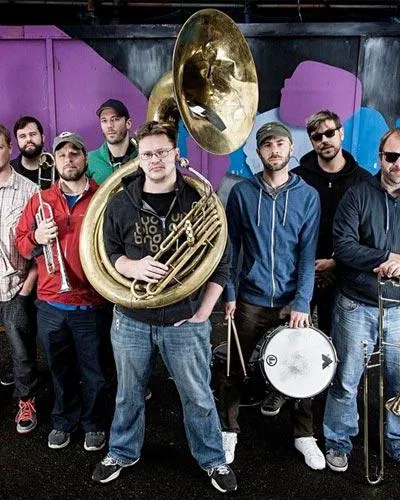
Youngblood Brass Band verbindet kompromisslose New-Orleans-Bläser mit der Energie und Lyrik des Hip-Hop. Das zehnköpfige Ensemble aus Madison, Brooklyn, Minneapolis und Chicago tourt seit 2000 um die Welt und hat mit Größen wie Questlove und Talib Kweli zusammengearbeitet. Es fühlt sich gleichermaßen wohl dabei, mit eigenen Kompositionen eine Marching Band anzuführen wie ein Punk-Festival als Headliner zu spielen. Auf MusicGurus zerlegen sie ihren Sound aus New Orleans und Hip-Hop: wie sie für Bläser komponieren und arrangieren, das rhythmische und harmonische Vokabular, das alles zusammenhält, und wie man eine Bläserlinie als Teil einer eng verzahnten Section spielt, inklusive der kompletten Stimmen zu ihrem Stück 'Brooklyn'.







