



Wie man Coversongs angeht
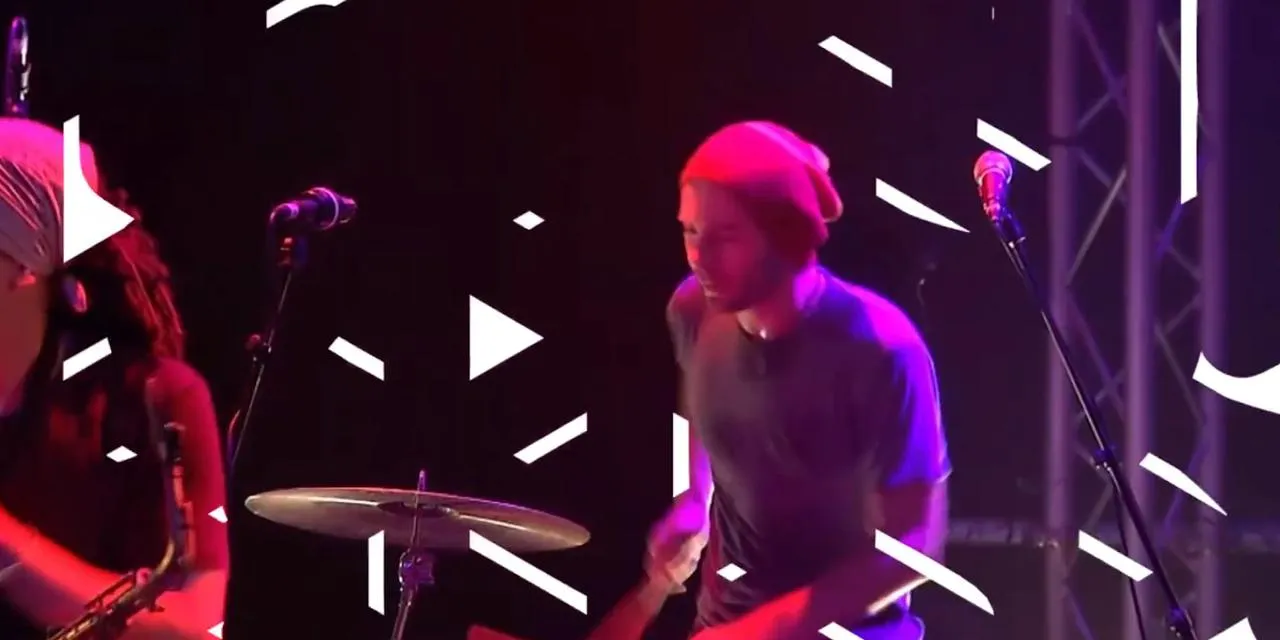
Das steckt im Kurs
8 Lektionen (1h 4m) · 1 gratis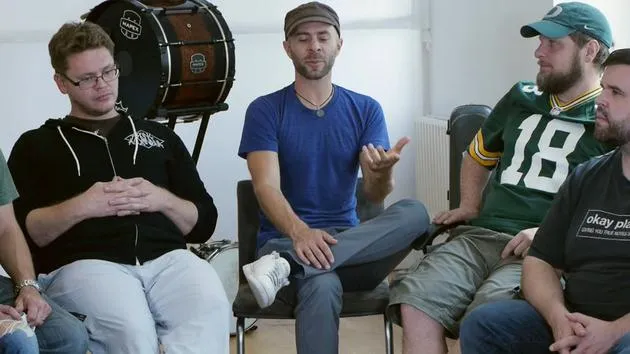
01. Komponieren und Zusammenarbeiten
11:54
02. Wie die berühmten Youngblood-Stücke entstanden
8:33
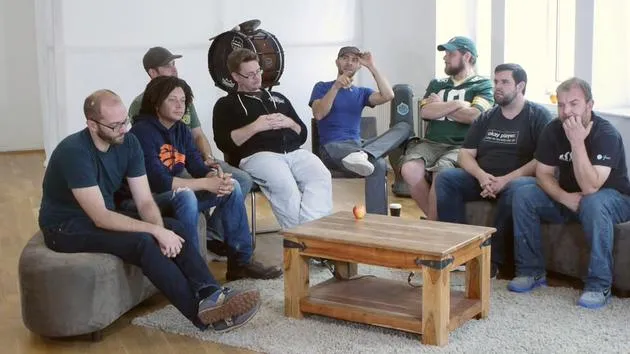
03. Stücke für Alben oder Live-Shows auswählen
6:18
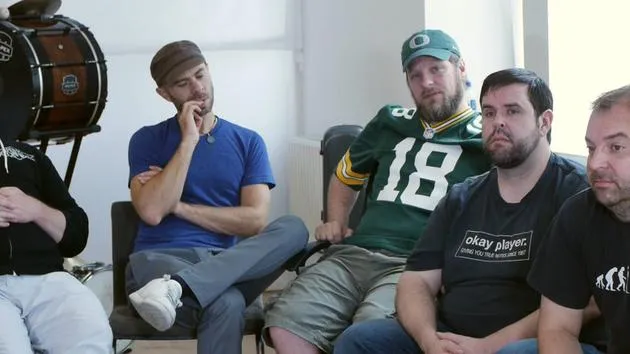
04. Wie man Coversongs angeht
Du bist hier8:12
05. Wie du eine "gute Idee" erkennst
Gratis-Lektion4:44
06. Struktur und das Entwickeln von Ideen zu einem fertigen Stück
8:15
07. Was ist eine Idee?!
4:17
08. Schreiben und Arrangieren für Bläser
12:18
Transkript der Lektion
Ain't Nobody: A Collaborative Journey
The song Ain't Nobody is another track on the new record that some people might be more familiar with than others. This collaborative piece was initially brought by Matt.
Early Attempts
"I don't know if you want to rap about that at all," but here's my take:
- We first tried this song on the road about six years ago.
- It seemed like a great candidate for a brass band cover.
- Specific parts of the song reminded me of Zach's playing.
Studio Arrangements
When it came to putting this together for the record:
- We had been playing it live for a long time, so 75% of the work was already done.
- The arrangement was basically learned but needed something more.
- I was working with Dave and Nat in their studio, struggling to figure it out until a drive back to Minneapolis sparked the idea of a mashup.
As we finished the song, I thought:
- "It was a pleasant experience getting to write it out with plenty of time."
- Collaborating and pushing ideas helped us finalize the tune.
Philosophy on Covers
I am very protective of the covers we do in the band. My philosophy about covers is clear:
- Never just cover a tune.
- If you are only going to replicate something, don't bother.
- Instead, come up with a new perspective or write your own song inspired by the elements you like.
Choosing the Right Song
When selecting a cover, consider these points:
- Choose B-side hits that are somewhat known but not mainstream.
- Opt for songs that deserve more recognition, like Ain't Nobody, which falls into this category.
Alternatively, tackle well-known songs in unexpected ways:
- Michael Jackson's "Human Nature":
- His version is synthy and wispy, while Nat gave it a New Orleans second line feel that most people likely hadn't considered.
The Creative Process
When we worked on the middle section of the tune:
- Collaboration was key; we built it as we went, shaping the tune together.
- However, it's easy to fall into the rabbit hole of overthinking.
Understanding When to Let Go
It's essential to recognize when something isn't working:
- If you find yourself just moving notes and rhythms around, it may be time to throw it out.
- Emotional investment can cloud judgment, be prepared to step back and listen critically.
Learning from the Process
Not everything needs to make it to the record:
- "Not all material needs to get to the record."
- It's okay to toss ideas that don't fit, some content can be set aside for future projects.
Reflecting on past sessions:
- I remember one member was overly thrilled about a recording and said, "It was the best thing they'd ever heard."
- While it's great to feel satisfied, critical self-awareness allows room for improvement.
Balancing Individual and Group Efforts
When writing, starting with a hook, beat, or bassline is common:
- Sometimes that "germ" of an idea isn't meant to be a full song.
- It's okay to put an idea on the back burner or integrate it into another project.
Collaboration Pays Off
In our last album, Dave built on one of my ideas with beats and harmonies. Although I initially despised my contribution, we decided it wasn't worth continuing.
This process is sometimes referred to as killing your babies:
- It's tough, but letting go can benefit the final product.
- Effective bands distinguish themselves by knowing what fits and what doesn't; keeping only strong compositions ensures cohesion.
Ultimately, it's about finding that balance and recognizing the value of collaboration and critical reflection in the creative process.
8 Lektionen
1 Std. 4 Min. strukturierte Videolektionen
Erweiterte Videofunktionen
Verlangsamen, Passagen loopen, mitlesen
Handy, Tablet & Desktop
Üben, wo du willst
100 % Zufriedenheitsgarantie
30 Tage Geld-zurück-Garantie
Lern deinen Guru kennen
Lern deinen Guru kennen
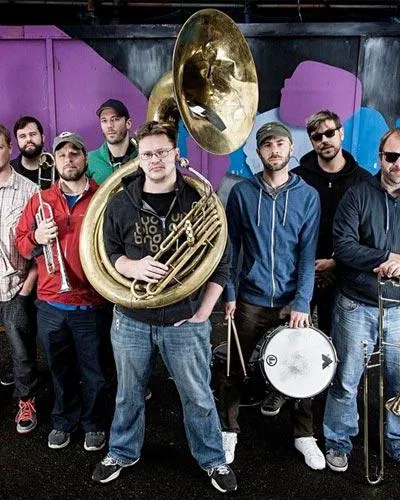
Youngblood Brass Band verbindet kompromisslose New-Orleans-Bläser mit der Energie und Lyrik des Hip-Hop. Das zehnköpfige Ensemble aus Madison, Brooklyn, Minneapolis und Chicago tourt seit 2000 um die Welt und hat mit Größen wie Questlove und Talib Kweli zusammengearbeitet. Es fühlt sich gleichermaßen wohl dabei, mit eigenen Kompositionen eine Marching Band anzuführen wie ein Punk-Festival als Headliner zu spielen. Auf MusicGurus zerlegen sie ihren Sound aus New Orleans und Hip-Hop: wie sie für Bläser komponieren und arrangieren, das rhythmische und harmonische Vokabular, das alles zusammenhält, und wie man eine Bläserlinie als Teil einer eng verzahnten Section spielt, inklusive der kompletten Stimmen zu ihrem Stück 'Brooklyn'.







