



Nicht dem Weg des geringsten Widerstands folgen
Simon Fischer erklärt, warum du dem natürlichen Drang des Bogens zum Griffbrett widerstehen und ihn näher am Steg halten solltest, für einen volleren Ton.
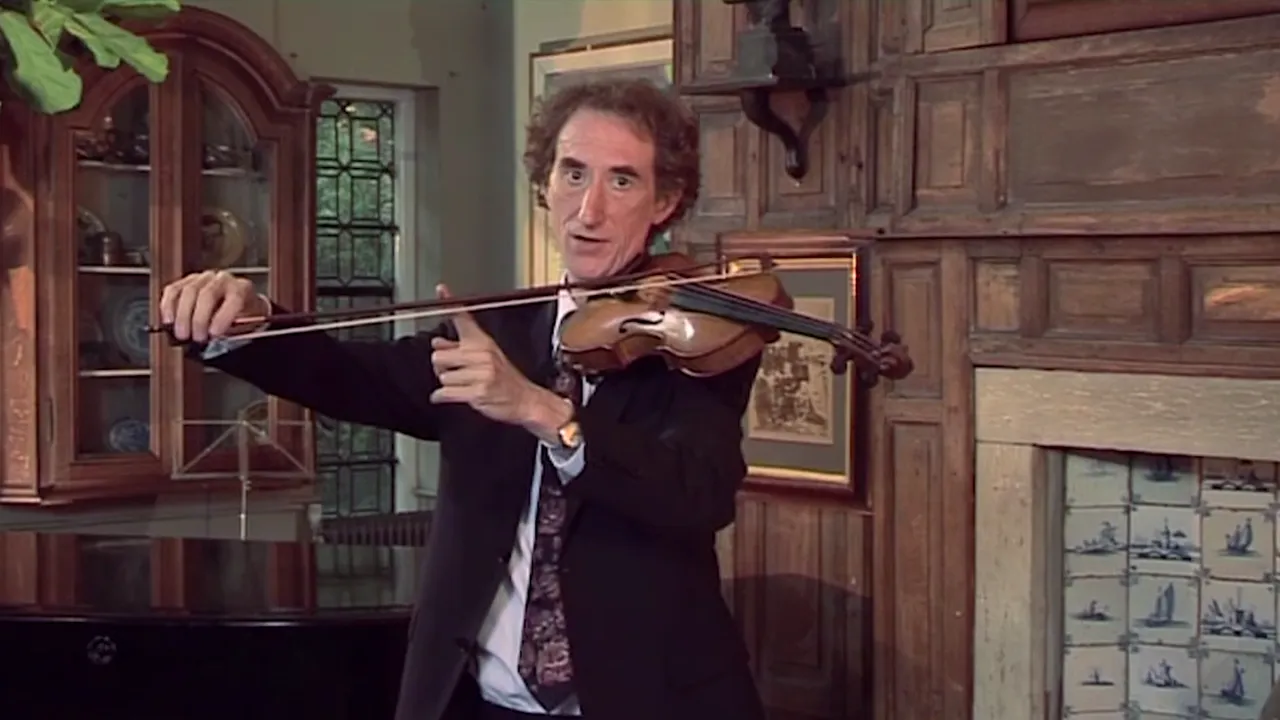
Das steckt im Kurs
11 Lektionen (0h 42m) · 1 gratis
01. Einführung
0:49
02. Vier Wege, an die Übungen heranzugehen
2:14
03. Fünf Klangpunkte
Gratis-Lektion4:39
04. Das Bogenhaar und die Saite
5:18
05. Bogendruck & Tonhöhe
0:48
06. Bogendruck & Saitenlänge
2:13
07. Die Neigung des Bogens
4:14
08. Über Resonanz
3:15
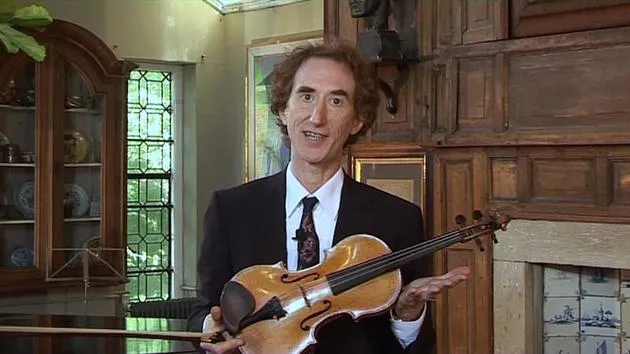
09. Nicht dem Weg des geringsten Widerstands folgen
Du bist hier2:24
10. Klangqualität: die oberen Teiltöne
2:14
11. Proportionen
14:04
Transkript der Lektion
Common Faults in String Playing: Bowing Technique
One of the most common faults in string playing is that of bowing too far from the bridge all the time. There are four main reasons why this occurs:
1. Line of Least Resistance
- Following the line of least resistance, it's easy to allow the bow to slide over to the fingerboard and stay there.
2. Pressure on Strings
- The nearer the bow is to the bridge, the harder the string feels under the bow.
- Thus, the bow moves away to the fingerboard, where less weight and energy is needed.
3. Springiness of the Bow
- The nearer the bow is to the bridge, the deeper into the string you have to play.
- However, once pushed down towards the string, the wood of the bow wants to spring back up again.
- The bow isn't a dead weight; it naturally prefers a place nearer the fingerboard, where it can play along the surface of the string without engaging the springiness of the stick.
4. Instrument Position
- For violin and viola players, when holding the instrument level with the floor, the neck slopes down from the body, causing the strings to slope down from the bridge.
- If the violin or viola is held at a tilt, there's a severe downhill gradient from the bridge, making it natural for the bow to end up on the fingerboard.
Conclusion
To avoid these issues:
- Cellists need to spend a lot of time pushing in towards the bridge.
- Violinists and violists need to pull in towards the bridge.
By practicing these exercises, you will become more aware of your point of contact. This awareness will help you adapt to the dynamics of your playing, allowing you to navigate these resistances effectively, sometimes going with them and at other times pushing against them.
11 Lektionen
0 Std. 42 Min. strukturierte Videolektionen
Erweiterte Videofunktionen
Verlangsamen, Passagen loopen, mitlesen
Handy, Tablet & Desktop
Üben, wo du willst
100 % Zufriedenheitsgarantie
30 Tage Geld-zurück-Garantie
Lern deinen Guru kennen
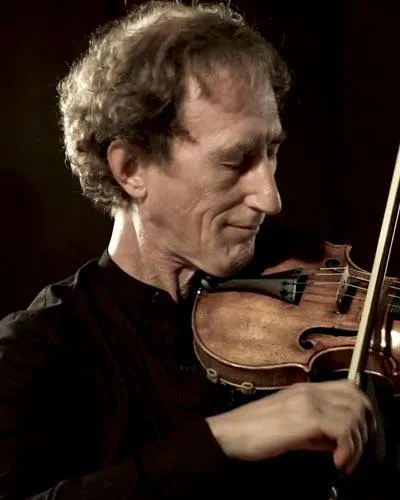
Lern deinen Guru kennen
Simon Fischer verfügt über eine herausragende und vielseitige Karriere als Interpret, Pädagoge und Aufnahmekünstler.
Er ist weltweit als Rezitalist aufgetreten und hat drei Brahms-Sonaten eingespielt, eine Aufnahme, die im Gramophone-Magazin hohes Lob erhielt.
Simon gilt als einer der besten Lehrer der Welt. Er ist Professor an der Guildhall School of Music und hatte Positionen an der Yehudi Menuhin School, der Wells Cathedral School und der Purcell School inne; 15 Jahre lang war er Gastprofessor an der Royal Scottish Academy of Music. Nach seinem Studium in London bei Yfrah Neaman und in New York bei Dorothy DeLay vereint Fischers Ansatz die besten Elemente der französischen, russischen und amerikanischen Violintradition.
Fischers publizierte Werke prägen den Violinunterricht maßgeblich. Seit 1991 schreibt er für das Magazin The Strad, und seine monatlichen Artikel haben weltweit eine treue Leserschaft gefunden. Seine bei Edition Peters erschienenen Technikbücher Basics and Practice (übersetzt ins Koreanische, Italienische und Deutsche), Scales und The Violin Lesson sowie die DVD The Secrets of Tone Production (nun über MusicGurus als Stream verfügbar) sind auf vielen Kontinenten zu Standardwerken geworden. Sein Buch und die DVD Warming Up wurden vom Magazin The Strad als „23 Seiten purem technischem Gold“ beschrieben.
2014 wurde Simon Fischer mit dem Preis der European String Teachers Association „in Würdigung eines lebenslangen Beitrags zum Streicherunterricht“ ausgezeichnet.
In seinem vierteiligen Kurs Secrets of Tone Production führt dich Simon zunächst dazu, dein Instrument kennenzulernen, und arbeitet dann Schritt für Schritt seine grundlegenden Klangübungen mit dir durch, damit du auf der Violine einen volleren, kontrollierteren und schöneren Klang erzeugen kannst.







