



Weitere Ideen für die rechte Hand
Lesson time: (8min 8sec)
Paddy Milner teilt ein paar weitere Riffs für die rechte Hand in deinem Slow Blues, darunter einen Rundown, der sich in Terzen bewegt, und den lockeren Handgelenkanschlag, der sie zum Singen bringt.
Course preview
This lesson is part of the course Spiele authentisches Slow-Blues-Piano
Watch a preview of the full course below.
Lesson transcript:
Music Lesson: Exploring Riffs and Techniques
Introduction
Three, four. Right, cool. So let's just look at a couple of little things I did there. You'll have noticed the big rundown, which is, technically, pretty straightforward, just moving down in thirds from that D to the F.
Effectiveness of Techniques
But, you know, it's a really effective thing to do. It's something that's obviously much easier to do in the key of G because we're on all the white notes. I did have a little look at this in the course, particularly on playing on a shuffle.
Doing it in other keys would be much trickier, as you've got all the black notes to negotiate on the way down. So that kind of thing again, you know, loose wrist. It's that kind of action rather than your whole hand or whole arm going tight.
Playing Style
Saying that, it's all still got to be loose. Generally, when you're playing, you don't want to be taut or tight anywhere.
- Tip: See how fast you can come down those notes.
- You could do it in six-four, which is a lot more difficult, but with practice, you'll be able to get it.
Obviously, I've fluffed a few notes there. Used effectively, you could incorporate that sort of leading into the chord four.
Incorporating Riffs
So, you know, you could use it elsewhere as well, maybe even throw it in the 5.
- 1, 2, 3.
- There, I've just put it in the context of the ending.
Remember that on that kind of riff, other things I was doing were very useful. You know, Johnny Johnson uses that kind of idea a lot. So again, you can go very, very quickly over those notes or take your time.
Hand Position and Harmony Changes
All that kind of hand position stuff is very useful. It fits under the fingers, allowing you to rock between the notes and change the harmony. Maybe when you go up to the four chord from the B flat instead of the bottom B, it's an idea you can use often.
Experimenting with Techniques
- Why not use repeated notes just like that?
- Again, it all falls under that hand position.
I think it sounds great on the four chord, you know, that kind of thing.
Stylistic Practice
Why not practice that in different keys? It starts getting a little tricky as you move away from that kind of key area you're in.
There you go again, just sort of playing now and seeing where I'm going, that's a very stylistic thing to do.
Conclusion
As you notice in all the stuff we're looking at, a lot of the material is based on very similar ideas, primarily blues scale-based. It's really important to know the style and understand how piano players have used it over the years.
Just sort of going up and down the blues scale doesn't sound very authentic. You might find that more in a jazz context rather than in proper authentic blues piano.
So yeah, there are a few more ideas for riffs. Take them away and experiment with them. I think we've got a few more things to look at before this course is done, so let's move on to the next thing!
About the instructor
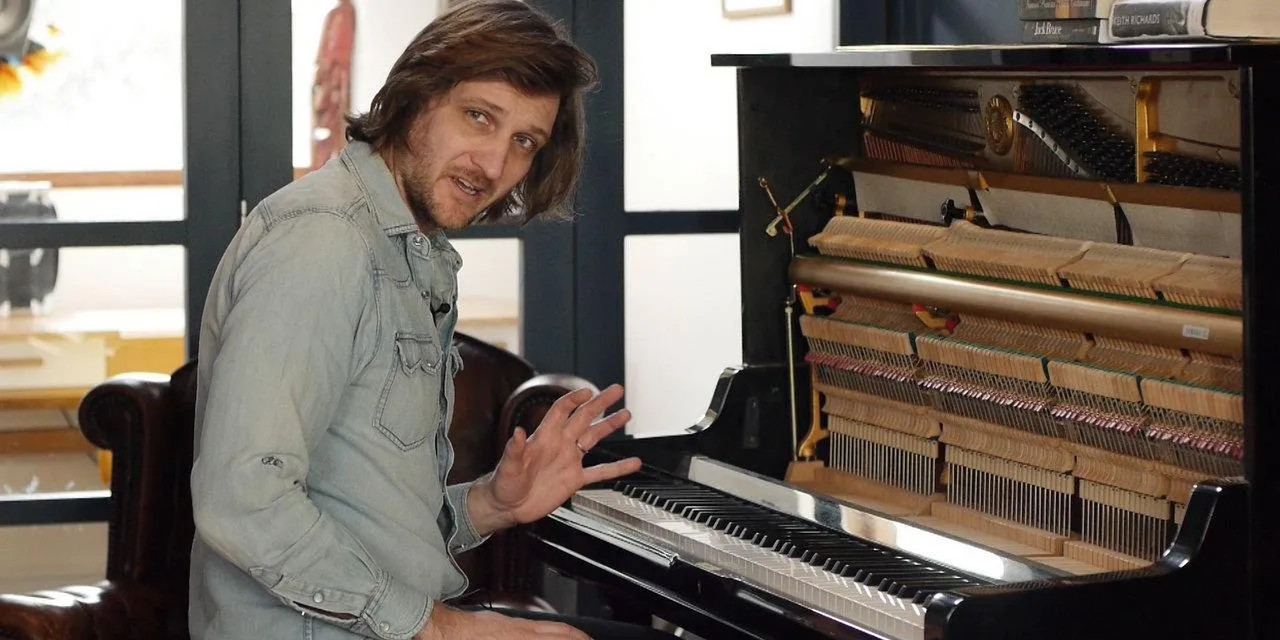
Paddy Milner gilt als einer der besten Blues-Pianisten der Welt – derzeit ist er der Stammkeyboarder von Sir Tom Jones, nach mehreren Jahren an der Seite des großartigen, verstorbenen Jack Bruce –, aber er ist auch ein hervorragender eigenständiger Songwriter und ein unverwechselbarer Sänger. Lies einfach das Lob von Größen wie Dave Brubeck weiter unten! Sein Spiel war auf dem Soundtrack des Kinohits 'Rocketman' von 2019 zu hören. Zweimal wurde er bei den British Blues Awards als bester Keyboarder ausgezeichnet, und als Gründungsmitglied der Ronnie Scott's Blues Explosion hat er eine langjährige Residency im weltberühmten Club Ronnie Scott's. Seine aktuelle Band LONDONOLA spielt selbst geschriebene britische Musik mit einer kräftigen Portion New-Orleans-Geist, und sein gemeinsames Projekt JAWBONE geht seit der Veröffentlichung des gleichnamigen Debütalbums von Stärke zu Stärke. „Ich liebe es... da ist einer, der wirklich Klavier spielen kann" - Dave Brubeck „Ich kann es nur wärmstens empfehlen. Irgendwie fängt alles an, sich viel besser anzufühlen!" - Jack Bruce „Der beste Blues-Pianist Europas..." - Blues Access, USA „Beeindruckend und originell" - The Times „Blendend" - The Independent In seinen Kursen zerlegt Paddy den authentischen Blues-Shuffle, Slow Blues, Boogie-Woogie, Rock 'n' Roll und das New-Orleans-Piano – bis hin zu drei klassischen Boogie-Woogie-Songs –, damit du diese Stile bei einem der Allerbesten des Fachs lernst. read more