



Ideen für die Akkorde V-IV (Takte 9-10)

Mit
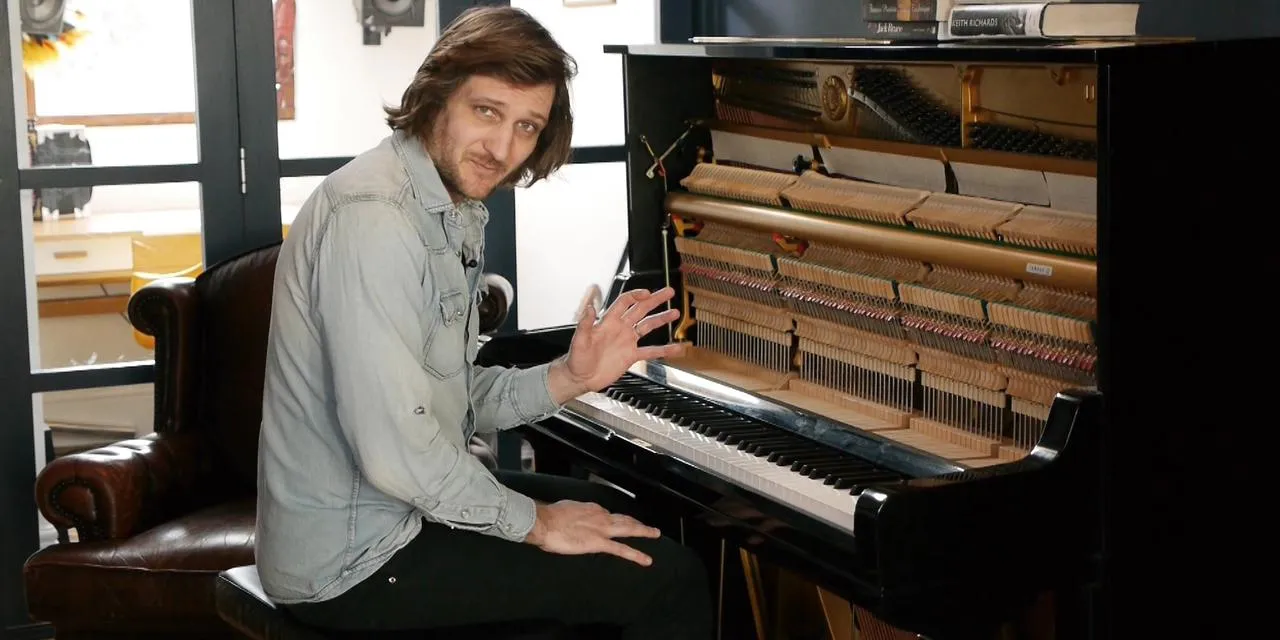
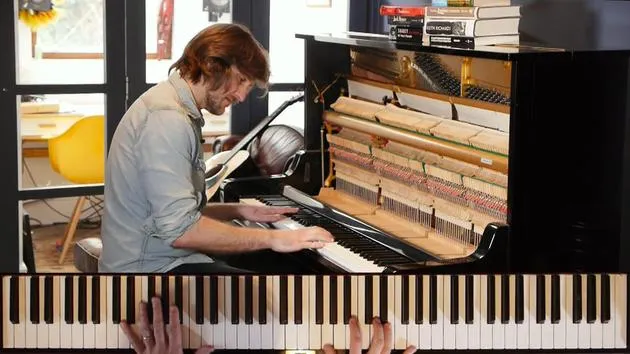
Paddy MilnerPaddy Milner teilt typische Blues-Piano-Ideen für die Akkorde V und IV - die Takte 9 und 10 der 12-taktigen Sequenz - einschließlich Verzierungen und gleitender Fingersätze.
Das steckt im Kurs
14 Lektionen (2h 17m) · 2 gratis
01. Demonstration: Spielen wir etwas Blues
Gratis-Lektion3:48
02. Das 'Pinetop Smith'-Riff erkunden
Gratis-Lektion15:29
03. Ideen mischen mit dem 'Pinetop Smith'-Riff
7:59

04. Riffs auf Basis eines Akkords in zweiter Umkehrung
20:24
05. Absteigende Terzen erkunden
15:28
06. Ideen für eine Einleitung
9:34
07. Der Maschinenraum - der Bass in der linken Hand
10:59
08. Ideen für die Akkorde V-IV (Takte 9-10)
Du bist hier12:00
09. „Rolling“-Akkorde erkunden
7:24
10. Piano-Break Nr. 1
8:58
11. Piano-Break Nr. 2
6:15
12. Schlüsse erkunden
10:25
13. Ein paar zusätzliche Ideen
6:53
14. Everyday I'm Shufflin' - Die Blues-Shuffle-Challenge
1:35
Transkript der Lektion
Blues Piano Lesson: Playing Over the 5 and 4 Chord
Welcome back! In this video, we're going to look at the material I was playing over the 5 and the 4 chord in bars 9 to 10 of the 12-bar sequence. The goal is to get you playing some archetypal blues piano techniques.
Demonstration
I'll play around that a couple of times, refresh your memory, and then explain what I'm doing. So, coming up to bar nine... here we go!
Demonstrates the sound
I think that sounds pretty authentic!
The V Chord
On the V chord, you'll see me often outline the D to D7.
Notice I'm playing that E and adding a few grace notes. This outlines the D7 and includes some elements based on the blues scale at the end.
Example Technique:
- Sliding up from the thumb to the second finger and then to the third.
- You could also replicate that sliding motion.
Refreshing the Concept
Let's refresh that:
Plays again
Rolling down is like playing a D6 but with a 7.
Influence of Guitar
This style may originate from piano imitation of the guitar, definitely something you might hear Muddy Waters do. But it works great on the piano too!
The Turnaround
We're approaching the territory of the turnaround, which I'll cover in another video.
Key Patterns
Now, here's one thing you can play over the D to C and back to G, which sounds pretty cool:
- Muddy Waters Influence:
Another common move is outlining the D7...- Then play the C in octaves.
- This is a real signature move you'll hear Muddy Waters performing on the guitar, and we can adapt it for piano.
Adds a little ornament there.
You could also do this on the D, going up a C chord, it fits nicely under the fingers.
Creative Variations
Get that under your fingers! These are a couple of nice things you can play over the transition from the 5 to the 4 and then back to the 1.
Consider varying the riffs. You could play:
-
Example Riff 1:
Going back to the riff based on the 9th. -
Example Riff 2:
Or try something like this...
Rhythmic Play
You might also experiment with the feel and time. Instead of playing:
- A straight rhythm, try a shuffle-like groove.
*Demonstrates the context with bars *
Adds rhythmic interest.
Band Interaction
In a band setting, once you start playing that rhythm, one of the other instruments might nod to that idea and join you, which is always fun. After all, it's got to be great fun!
Practical Application
Putting that into context, I'll demonstrate a couple of bars leading up to it with a shuffle, then switch to a more straight groove in the right hand.
Plays demonstration
Additional Techniques
You can add the third, going from the major third to the minor third sounds pretty hip! Other ideas for the 5 to 4 transition could include:
- Example Move:
Playing descending thirds.
Listening and Learning
Remember to listen closely to what piano players are doing on classic records. Think about what the harmonica and guitars are doing too, and try to work out versions of those for the piano.
Final Thoughts
As always, let your creativity be your guide and come up with your own weird and wonderful ideas. Happy playing!
14 Lektionen
2 Std. 17 Min. strukturierte Videolektionen
Erweiterte Videofunktionen
Verlangsamen, Passagen loopen, mitlesen
Handy, Tablet & Desktop
Üben, wo du willst
100 % Zufriedenheitsgarantie
30 Tage Geld-zurück-Garantie
Lern deinen Guru kennen
Lern deinen Guru kennen
Paddy Milner gilt als einer der besten Blues-Pianisten der Welt – derzeit ist er der Stammkeyboarder von Sir Tom Jones, nach mehreren Jahren an der Seite des großartigen, verstorbenen Jack Bruce –, aber er ist auch ein hervorragender eigenständiger Songwriter und ein unverwechselbarer Sänger. Lies einfach das Lob von Größen wie Dave Brubeck weiter unten! Sein Spiel war auf dem Soundtrack des Kinohits 'Rocketman' von 2019 zu hören.
Zweimal wurde er bei den British Blues Awards als bester Keyboarder ausgezeichnet, und als Gründungsmitglied der Ronnie Scott's Blues Explosion hat er eine langjährige Residency im weltberühmten Club Ronnie Scott's.
Seine aktuelle Band LONDONOLA spielt selbst geschriebene britische Musik mit einer kräftigen Portion New-Orleans-Geist, und sein gemeinsames Projekt JAWBONE geht seit der Veröffentlichung des gleichnamigen Debütalbums von Stärke zu Stärke.
- „Ich liebe es... da ist einer, der wirklich Klavier spielen kann" - Dave Brubeck
- „Ich kann es nur wärmstens empfehlen. Irgendwie fängt alles an, sich viel besser anzufühlen!" - Jack Bruce
- „Der beste Blues-Pianist Europas..." - Blues Access, USA
- „Beeindruckend und originell" - The Times
- „Blendend" - The Independent
In seinen Kursen zerlegt Paddy den authentischen Blues-Shuffle, Slow Blues, Boogie-Woogie, Rock 'n' Roll und das New-Orleans-Piano – bis hin zu drei klassischen Boogie-Woogie-Songs –, damit du diese Stile bei einem der Allerbesten des Fachs lernst.







