



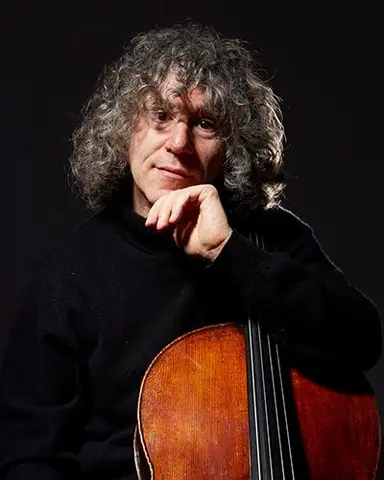
Analyse, Erklärung und Demonstration von Steven Isserlis
Lesson time: (62min 41sec)
Course preview
This lesson is part of the course Rachmaninov - Sonate für Violoncello und Klavier in g-Moll Op 19
Watch a preview of the full course below.
Lesson transcript:
Music Lesson
Discussion on Color and Dynamics
"Goody. I think you could pull your colors much further apart when you're being very active. I think in terms of color, in terms of dynamic, and in terms of tempo."
- Active Passages:
There are passages that really want to move forward, transitioning into new realms. - Beautiful Melodies:
Some sections are designed to relax; however, you're never really relaxing.
Challenges in Balance
"I know it's a difficult piece for balance. There's one bar in the slow movement where the piano has 62 notes and the cello has four."
- One must be very careful that all these notes in the piano let the cello through.
Pianissmo and Courage
"Having said that, I do think your pianissimos have gone missing a bit. You just got to have the courage to do nothing at some points."
- Impact of Contrast:
When it's really impassioned, it's much more exciting if there are contrasting moments of stillness.
Atmosphere of the Introduction
"What do you think about the introduction? What's the atmosphere?"
- Searching and meditative, looking for something.
- "I thought you started that way, but by bar three, you were already in quite a panic about whether you were going to find it."
Crescendo Significance
"What's the significance of this? Why does he crescendo to this?"
- It may suggest a bit of hope.
- "But I mean, it's just a suggestion, not a statement."
Relaxation and Emotions
"Relax, relax. Switch off your vibrator, boy. It's not expressing anything."
- Vibrato should be used to express emotion; it should not be an automatic part of your sound.
Tempo Considerations
"Why are you going faster? I suppose because I feel it's going somewhere."
- Feel for Change:
Has it changed harmonically?
Finding the Right Key
"Do you find it there? What key is that? Is that what you've been looking for?"
- "You've been lost, and suddenly you get this announcement. And then the piano goes."
Discussion on Phrasing
"I mean, this piece is full of bells, I think."
- "Remember how the piece started. This question about an E flat. And now this E flat announces that you're gonna go home."
Final Thoughts
"Take time, if anything, on that. Relax there."
- Rising Tension:
"This isn't tense. I want to hear all that story happening."
Conclusion
"Good. Very good. Well, I'm funny. It's."
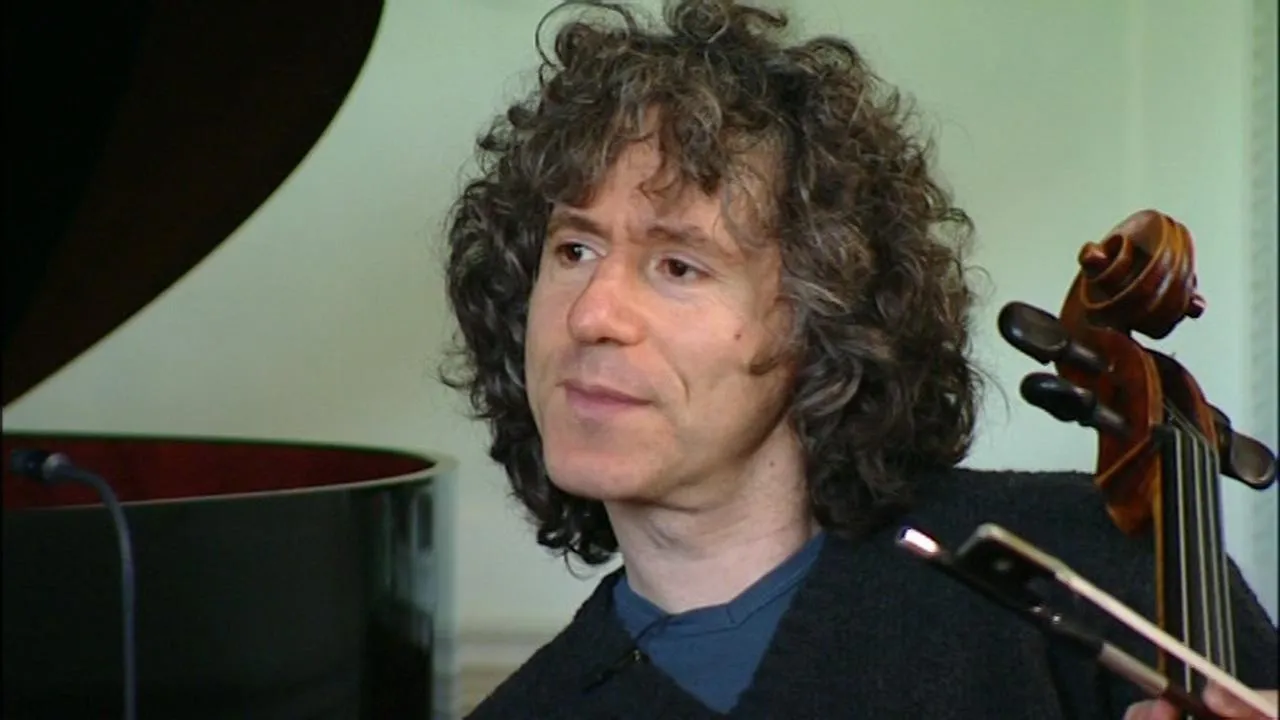
About the instructor
Steven Isserlis ist ein Cellist, dessen Leidenschaft für die Musik über herkömmliche Grenzen hinausgeht und der weltweit sowohl für seine Musikalität als auch für seine Technik gefeiert wird. Er zählt zudem zu den großzügigsten Lehrern der Cellowelt: Er gibt regelmäßig Meisterkurse auf der ganzen Welt und ist seit Langem künstlerischer Leiter des Meisterkurs- und Kammermusikseminars IMS Prussia Cove. Von ihm zu lernen bedeutet, Zugang zu jener seltenen Mischung aus Gelehrsamkeit, Vorstellungskraft und purer Freude an der Musik zu gewinnen. Er fühlt sich gleichermaßen wohl dabei, das Publikum für die Kammermusik oder ein Recital in seinen Freundeskreis zu ziehen; in historischen Archiven zu stöbern und ein vergessenes Kleinod zutage zu fördern; oder auf dem Konzertpodium mit einigen der renommiertesten Orchester und Dirigenten der Welt zu stehen. Der in Großbritannien geborene Isserlis hat ein starkes Interesse an historisch informierter Aufführungspraxis und spielt mit vielen der führenden Originalklangorchester. In den letzten Spielzeiten führte er sämtliche Werke Beethovens für Cello mit dem Hammerklavierspieler Robert Levin auf, sowohl in Boston als auch in der Londoner Wigmore Hall, und spielte Dvořáks Cellokonzert mit dem Orchestra of the Age of Enlightenment unter Sir Simon Rattle. Schumann ist eine besondere Leidenschaft: Er spielte Schumanns Cellokonzert auf einer großen Deutschland-Tournee, initiierte ein Schumann-Projekt in Japan und wirkte an einem Abend aus Wort und Musik mit, der der Geschichte von Schumann und Brahms gewidmet war — mit einem von Isserlis selbst verfassten Text — in London und New York. Das Schreiben und Musizieren für Kinder ist ein weiteres großes Anliegen. Sein erstes Buch, eine Kindergeschichte über das Leben von sechs großen Komponisten, Why Beethoven Threw the Stew, erschien im Oktober 2001 bei Faber and Faber, und eine Fortsetzung, Why Handel Waggled his Wig, folgte 2006. Mit einer preisgekrönten Diskografie spiegeln Isserlis' Aufnahmen seine vielfältigen Repertoire-Interessen wider; seine Veröffentlichung der vollständigen Suiten für Violoncello solo von Bach beim Label Hyperion stieß auf höchstes Lob der Kritik und gewann zahlreiche Preise. 1998 wurde er in Anerkennung seiner Verdienste um die Musik zum CBE ernannt und erhielt viele weitere Auszeichnungen, darunter im Jahr 2000 den Schumann-Preis der Stadt Zwickau (Schumanns Geburtsort). read more