



Buena Havana
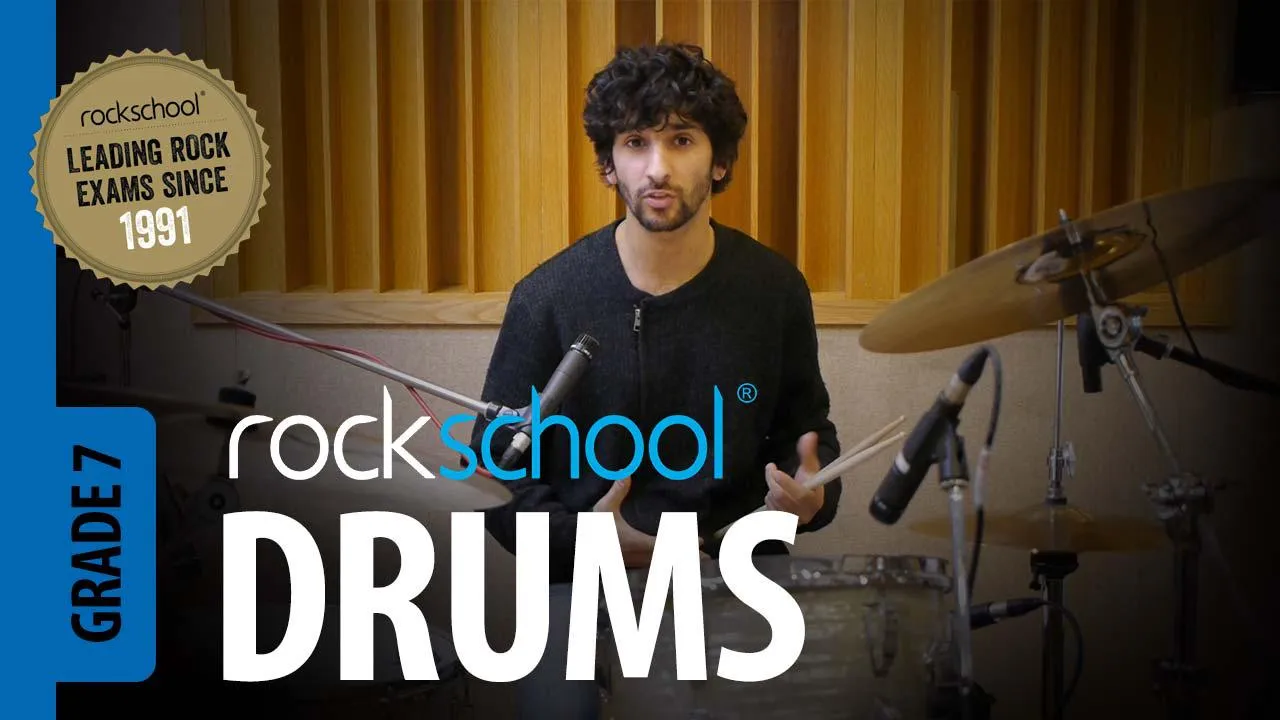
Ein genauer Blick auf das Latin-Stück 'Buena Havana' (Grade 7), aufgebaut um den Cascara-Rhythmus mit Zwei-Drei- und Drei-Zwei-Clave-Variationen zwischen Ride und Cross Stick.
Das steckt im Kurs
29 Lektionen (2h 45m) · 1 gratis
01. Control – Chase & Status
3:12
02. Law – Richard Spaven
3:11
03. Cry Me A River – Justin Timberlake
3:06
04. Family Affair – Mary J Blige
3:27
05. What Is Hip? – Tower of Power
3:19
06. Techno – John Scofield
3:13
07. Razorhead
3:17
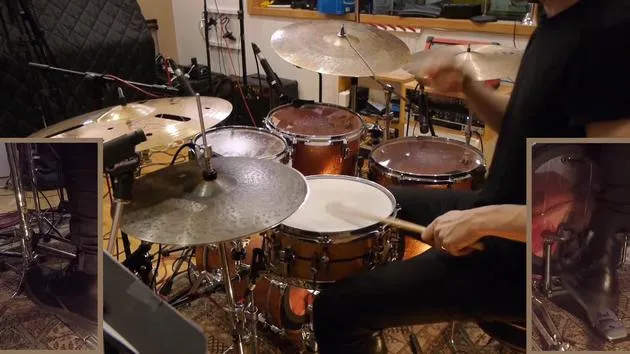
08. Buena Havana
2:38
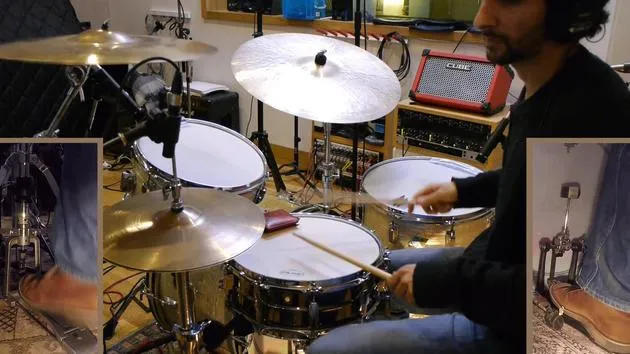
09. The Bean
3:19
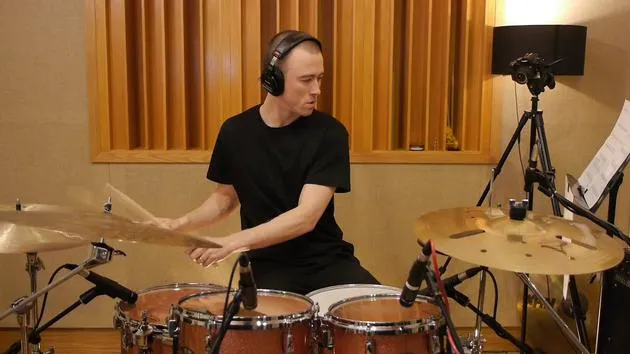
10. Eastern Adventure
Gratis-Lektion2:48
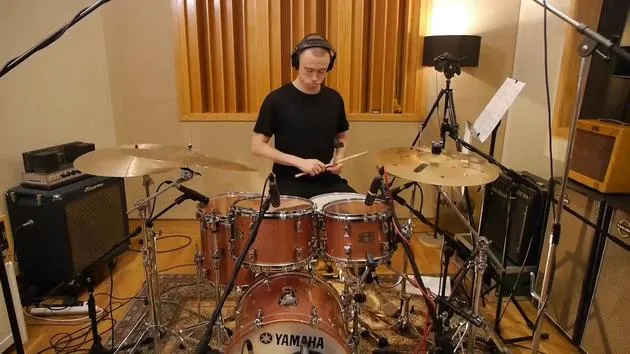
11. Full English Breckerfest
2:35
12. Kita's Five
2:59
01. Control – Chase & Status
13:17
02. Cry Me A River – Justin Timberlake (Lesson)
15:05
03. Family Affair – Mary J Blige (Lesson)
11:59
04. Law – Richard Spaven (Lektion)
6:05
05. Techno – John Scofield (Lesson)
10:43
06. What Is Hip? – Tower of Power (Lektion)
10:54
07. Razorhead
7:23
08. Buena Havana
Du bist hier7:17
09. The Bean
9:50
10. Eastern Adventure
6:01
11. Full English Breckerfest
5:45
12. Kita's Five
7:03
Transkript der Lektion
Grade 7 Music Lesson: Buena Havana
Introduction
Today, we're diving into Buena Havana, a fantastic Latin piece! The core of this piece revolves around the cascara rhythm, which we'll be practicing heavily.
Key Rhythms to Practice
Cascara Rhythm
- This rhythm is foundational, so spend some time practicing it on its own.
Clave Variations
- Two-Three Song Clave (1, 1)
- Features a slight twist, so be cautious!
- Three-Two Song Clave
- This one flips the clave around.
Combining Elements
At B, we'll combine the cascara on the ride cymbal with the two-three song clave on the cross stick:
- Cross Stick Technique
- Ensure a solid click that cuts through the music.
- Experiment to find the right place on your snare drum (about an inch to an inch and a half from the end of the stick).
Understanding the Groove
- This groove mimics the roles of different percussionists within a Latin ensemble.
- Remember, the drum kit originated from jazz music, not Latin music. Thus, we are essentially replicating a percussion section's part.
Tips for Independence
- Start with the cascara, then add the clave, followed by the bass drum, and eventually the hi-hat.
- If you're struggling, practice with your hands first before bringing in the bass drum.
- Keep everything balanced:
- The cascara should be strong; the tumbao must not trail behind.
Further Development
Adding Hi-hat
At 13, introduce the hi-hat on beats 1 and 3:
- This is a great coordination exercise.
- Commonly, hi-hat can also be added on 2 and 4, but we'll start with 1 and 3 for grounding.
Transitioning to Mambo
At C, we'll move to the bell with a Mambo-style rhythm using the toms:
- Watch your timing and orchestration.
Exploring New Techniques
At D, we switch to a songo feel:
- This often involves not playing on the one.
- Pay attention to snare accents, especially on the forehand.
Development and Breakdown
- Develop on repeat and consider adding faster doubles to enrich the context.
- At E, notice that your bass drum and bass guitar must sync, and be attentive to the rapid five-stroke rolls on the hi-hat.
Drum Solo at F
For the drum solo at F:
- Catch the written hits during the first pass.
- Play over them the second time. This creates a tight ensemble sound when playing with a live band.
Transitioning to the Trumpet Solo
- We'll quiet down and play on the rim of the floor tom.
- We go back to a cascara rhythm with a 3-2 song clave.
Bringing Back the Kick
At 64, we reintroduce the kick drum, primarily playing a tumbao pattern:
- It occurs on 2 and 4: 1, 1, 1, 1.
Final Sections and Techniques
- At 72, we shift to the bell, blending Mambo and cascara styles.
- When it says to develop, move the left foot to 2 and 4 on the hi-hat while maintaining a Mambo pattern for extra kick.
Creative Expression
Feel free to add tom fills or rim shots to enhance the Latin influence. This creates a vibrant sound!
Listening Recommendations
To truly understand the style, check out:
- Tito Puente
- Horacio Hernandez
- Buena Vista Social Club
- Arturo Sandoval
Listening to these artists is essential; it will deepen your understanding and improve your playing.
Conclusion
That wraps up today's lesson! Enjoy practicing and have fun with the music!
29 Lektionen
2 Std. 45 Min. strukturierte Videolektionen
Erweiterte Videofunktionen
Verlangsamen, Passagen loopen, mitlesen
Handy, Tablet & Desktop
Üben, wo du willst
100 % Zufriedenheitsgarantie
30 Tage Geld-zurück-Garantie







