



Taktarten
Mit
Chris HaighChris Haigh führt in die ungeraden Taktarten ein, die den Prog Rock antreiben - angefangen bei 5/4 und 7/8 - und wie du sie auf der Geige fühlst und spielst.
© 2011 Schott Music Ltd, London

Das steckt im Kurs
18 Lektionen (1h 41m) · 1 gratis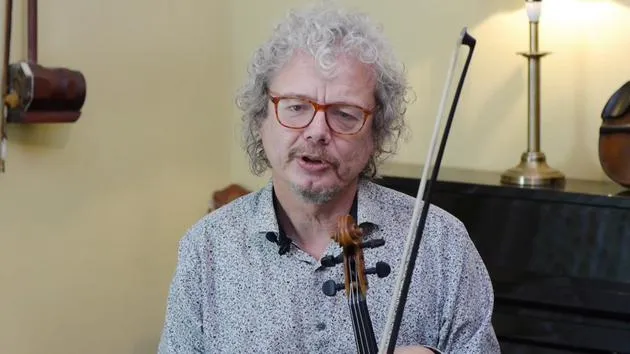
Transkript der Lektion
Exploring Odd Time Signatures in Prog Rock
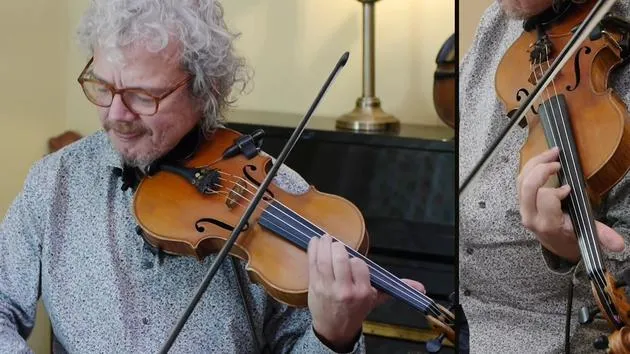
One of the most exciting things about prog rock is the common use of odd time signatures. I first discovered this probably when I was around 17.
If you don't know what a time signature is, especially the more complicated ones, it can sound completely baffling. This is because the straightforward rock rhythm is absent, replaced by strange, jumping rhythms.
Incidentally, Bulgarian folk music is packed with these odd signatures, primarily played by peasants for dancing. It's quite interesting, and amusing, that such rhythms have also made their way into the repertoire of intellectual, so-called prog rock players.
A Historical Perspective
I believe this concept found its way into Western popular music through Dave Brubeck, who wrote pieces like Take Five. His jazz standards, written in odd time signatures, encourage listeners to think, "Yes, this is interesting."
Understanding these rhythms can be quite challenging but ultimately rewarding.
Starting with 5/4
Let's consider 5/4 time for a start. You might have a phrase like:
- 1, 2, 3, 4, 5
This can be played as:
- 1, 2, 3, 4, .5 again.
You can split it up in various ways, such as:
- 1, 2, 3, 1, 2
- 1, 2, 1, 2, 3
- Or a mixture of these.
By getting the rhythm into your head, you can create many different variations without rigidly sticking to the same pattern.
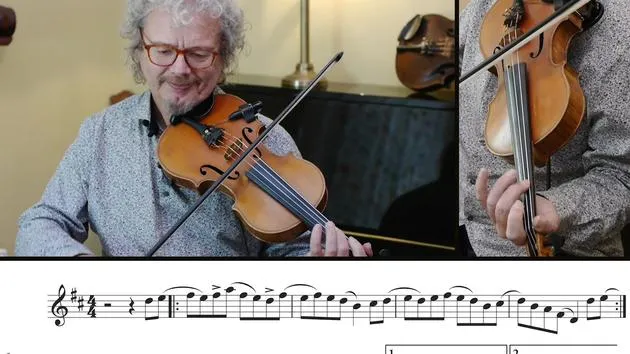
Example Melody in 5/4
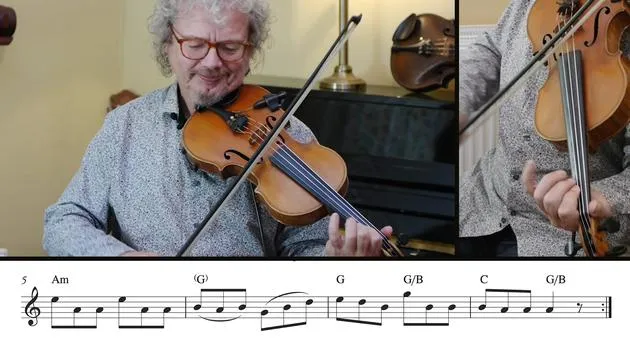
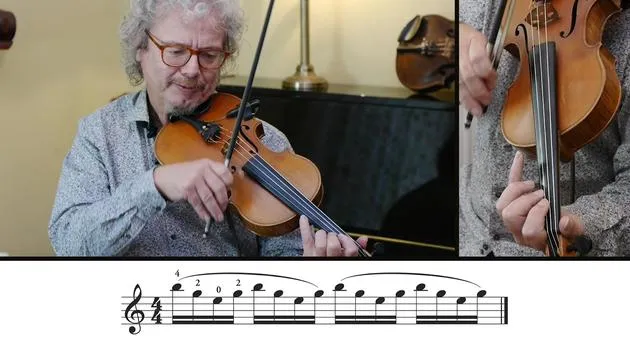
Here's a little melody in 5/4 time.
- It might take you a while to get your head around playing that melody.
- It might take you even longer to improvise, but it is certainly possible!
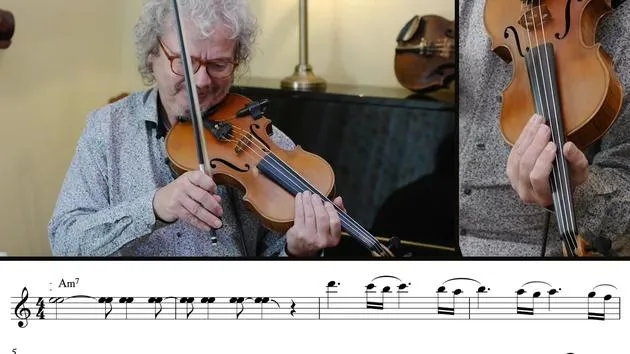
A Solo Example
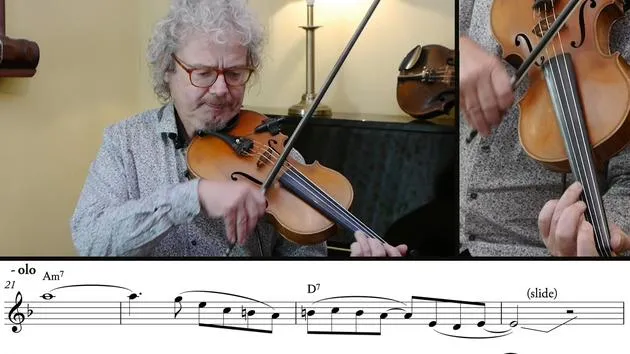
Here's an example of a little solo over that 5/4 sequence.
Moving to 7/8 Time
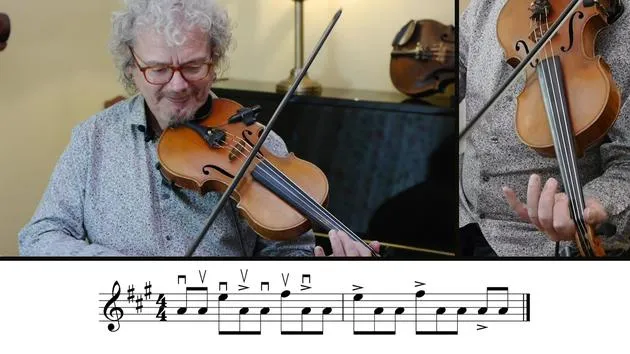
Now, let's explore a tune in 7/8 time. What we have here is:
- 1, 2, 3, 1, 2, 1, 2, 1
- 2, 3, 1, 2, 1, 2.
The key to understanding these time signatures is in identifying those threes and twos.
Counting Challenges
Most non-Bulgarian musicians (like myself) count in 1, 2, 3, 4 and then shift to whatever time signature they are trying to play. This is something I find incredibly challenging, getting my head around how to count logically into these tunes.
Personal Experience
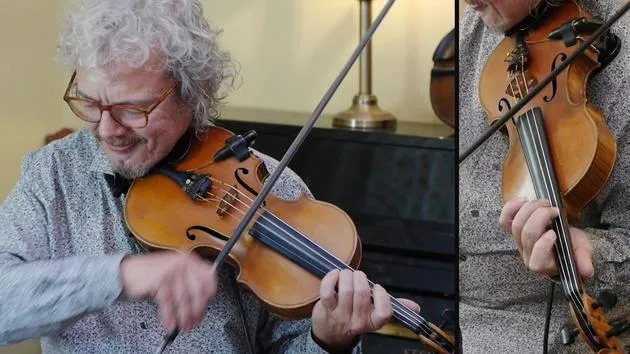
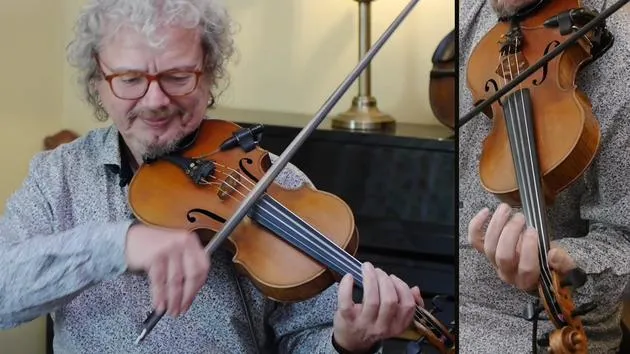
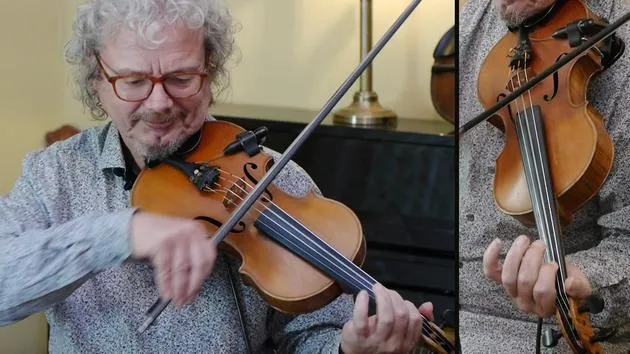
I have spent considerable time in 7/8, largely because, apart from playing prog rock, I also engage with a lot of Bulgarian music. I'm going to demonstrate a little improvisation on that sequence.
If you're willing to dedicate the necessary hundreds or thousands of hours to mastering this, it becomes a very exciting skill to develop.
Conclusion: The Most Pretentious Tune
To finish this lesson, I'll present possibly the most pretentious tune I've ever written. It's called Revelations 15, and it utilizes both 15/8 time and 7/8 time.
When we recorded this in the studio, tensions ran high, we almost came to blows! Thankfully, the sound engineer heroically managed to fix the mistakes we made.
While this isn't an easy tune, it can be quite fun to play. If you listen to Genesis' "Firth of Fifth," you'll get an idea of the kind of inspiration for this composition.
Your Assignment
For your assignment this lesson:
- Forget about your medical degree that was going to take you seven years.
- Instead, practice Revelations 15! You'll thank me in the long run.
Better still, try improvising your own solo. That will take you another five years!
Before starting any of these tasks, make sure to listen to Genesis' "Firth of Fifth" and see if you can identify the 15/8 section.
18 Lektionen
1 Std. 41 Min. strukturierte Videolektionen
Erweiterte Videofunktionen
Verlangsamen, Passagen loopen, mitlesen
Handy, Tablet & Desktop
Üben, wo du willst
100 % Zufriedenheitsgarantie
30 Tage Geld-zurück-Garantie
Lern deinen Guru kennen
Lern deinen Guru kennen
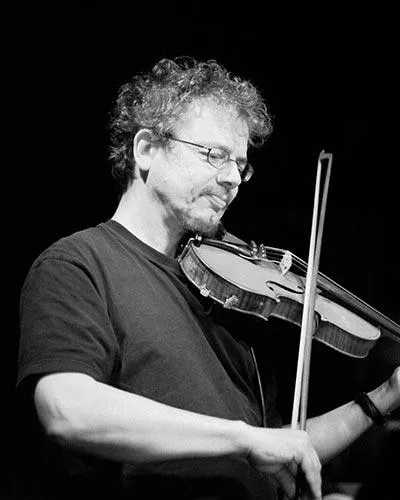
Chris Haigh ist seit 25 Jahren professioneller Fiddle-Spieler mit Erfahrung in vielen verschiedenen Genres. Er hat auf über 75 Alben gespielt und dabei mit Künstlern wie Alison Moyet, Bob Geldof, All About Eve, Michael Ball, David Soul, Oumou Sangare, The Quireboys, Riverdance, Morcheeba, James Galway und Steps zusammengearbeitet.
Er hat Swing-Jazz mit The Kimbara Brothers, Diz Disley, Le Jazz, The Hot Club of London und den Quecumbar Allstars gespielt und leitet die siebenköpfige sowjetische Swing-Band The Kremlinaires.
Chris gibt Unterricht und Workshops zur Jazzgeigen-Technik und hat Jazzgeige an den Universitäten Middlesex, Brunel und Newcastle sowie am Truro College unterrichtet. Zu seinen Veröffentlichungen zählen neun Fiddle-Bücher, darunter The Fiddle Handbook.
Außerdem betreibt er Fiddling Around (fiddlingaround.co.uk), vermutlich die umfassendste und meistbesuchte Quelle für Fiddle-Wissen im Netz.







