



Analyse, Erklärung, Demonstration des Fugensatzes
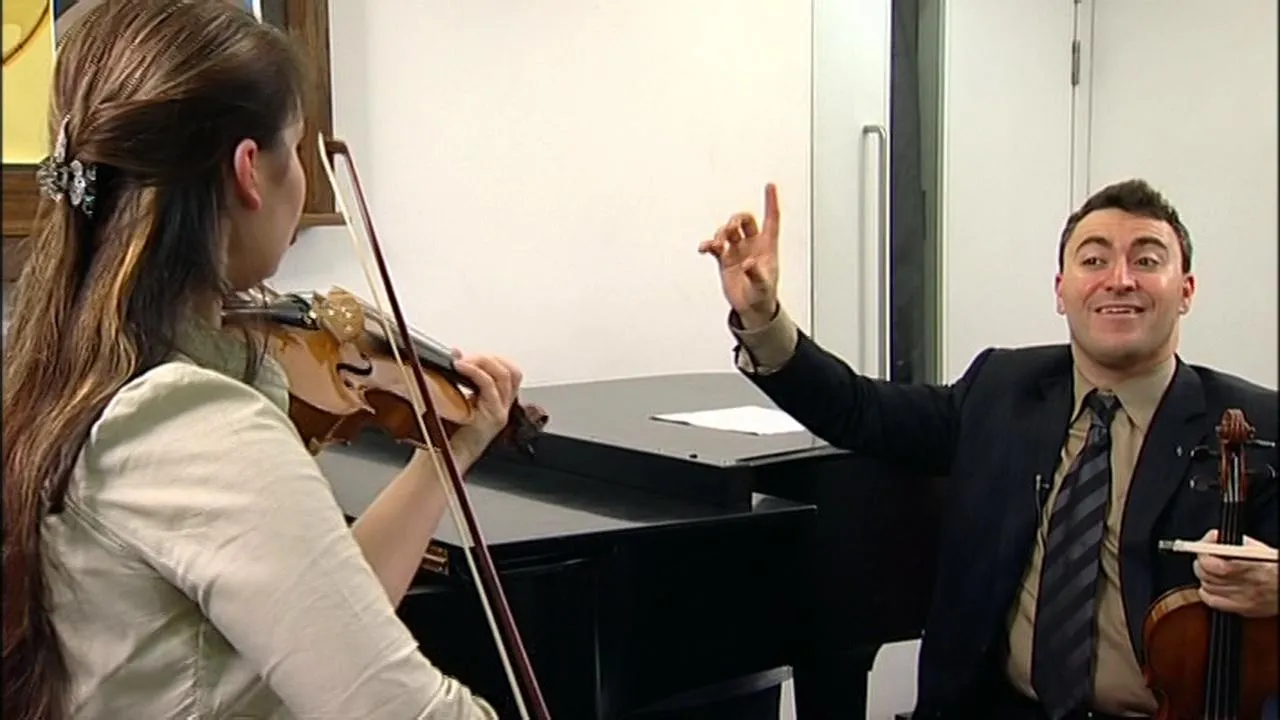
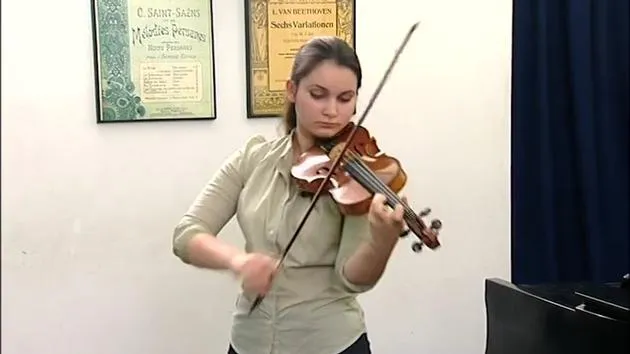
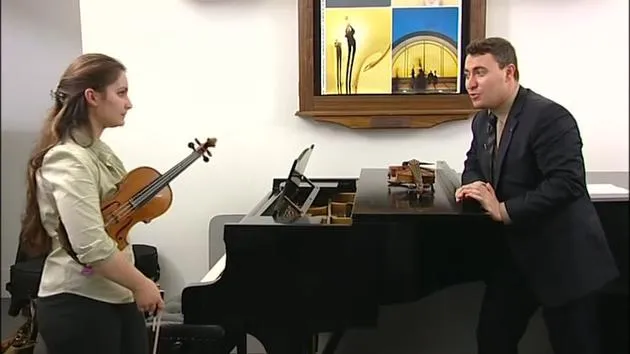
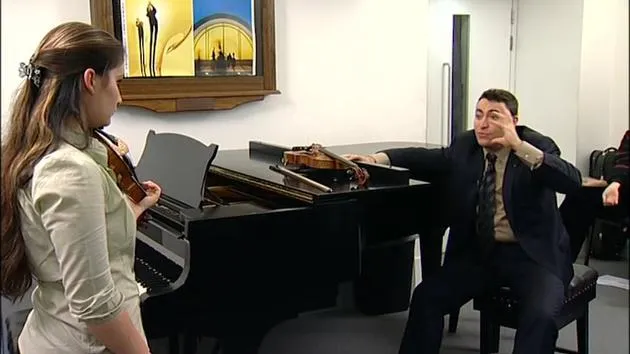
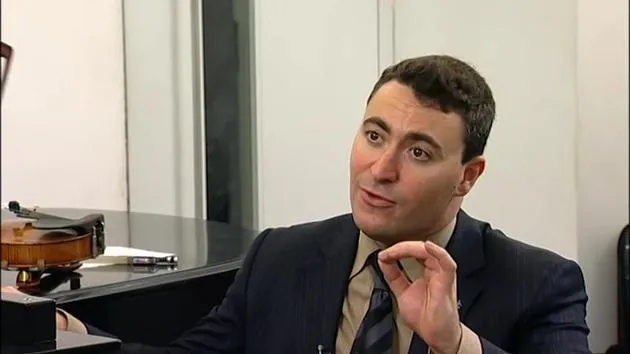
Maxim Vengerov arbeitet mit Nasrin an der Fuge aus Bachs Sonate Nr. 1 und konzentriert sich darauf, die Stimmen zu trennen, sodass das Hauptthema durchsingt, neben Tempo und Interpretation.
Das steckt im Kurs
5 Lektionen (0h 55m) · 1 gratis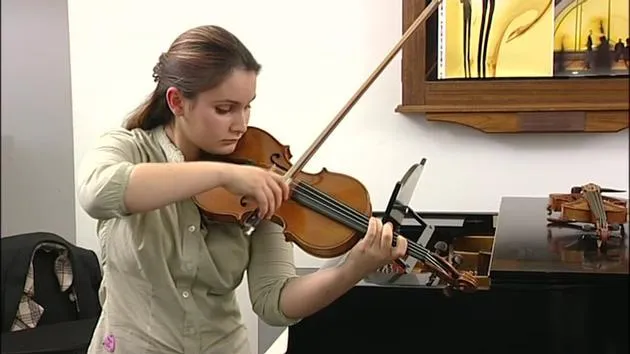
Transkript der Lektion
Music Lesson on Fugue and Intermediate Techniques
Key Points to Remember
-
Separation of Voices
- The fugue is strict and mathematical.
- The main theme has to be heard clearly while the supporting voices should be softer.
- Practice separating movements; apply less pressure on supporting sounds.
-
Listening and Experimenting
- Aim to hear two or three voices simultaneously.
- If supporting voices are too loud, the main theme may become lost.
Understanding Fugue
- Boss of the Fugue: In fugue, you are in control.
- The structure of the fugue needs to be maintained; excessive crescendos from all notes can detract from the music's dance-like quality.
- Focus on accentuating every second or third note with crescendos, ensuring it doesn't disrupt the tempo.
Performance Strategy
- Maintain one tempo throughout the fugue; avoid creating a sense of nervousness about when it will end.
- Utilize calmness and serenity, culminating in an explosive cadenza at the end.
- Ensure the music feels like it's coming from within. The audience should wonder about the sound's origin, believing it's a recording when it's actually you.
Practical Exercise
-
Articulation and Volume Control:
- Take the first note with a certain volume, the second note with a different one, and the third note distinctly.
- Imagine it as if one person is controlling the volume on a TV; adjust the articulation carefully.
-
Focus on Variations:
- Choose exact articulation and separation; avoid exaggeration.
- Maintain precise length and calculated dynamics.
Intermediate Techniques
-
Harmonic Awareness:
- Don't play all the notes without thinking; focus on the harmonic structure.
- Identify if certain harmonies seem foreign and understand their significance.
-
Interpretation and Importance:
- Decide what should be emphasized within the intermediate piece.
- Your interpretation may shift based on how you approach the fugue.
Conclusion
-
Balancing Importance:
- Avoid making all notes sound equally important; this can dilute the essence of the fugue.
- Communicate effectively with the audience by signaling what is less important.
-
Rhythmic Consistency:
- Be aware of when to take time and when to move forward.
- Have a strategy for your performance, emphasizing relative importance.
Thank you very much!
5 Lektionen
0 Std. 55 Min. strukturierte Videolektionen
Erweiterte Videofunktionen
Verlangsamen, Passagen loopen, mitlesen
Handy, Tablet & Desktop
Üben, wo du willst
100 % Zufriedenheitsgarantie
30 Tage Geld-zurück-Garantie
Lern deinen Guru kennen
Lern deinen Guru kennen
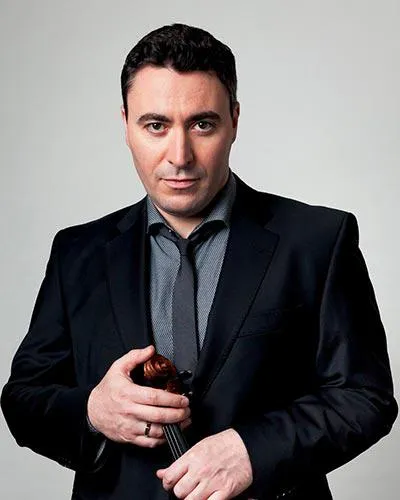
Maxim Vengerov gilt als einer der aufregendsten Geiger der Welt. Sein erstes Konzert gab er im Alter von fünf Jahren und gewann, nach dem Studium bei Galina Tourchaninova und Professor Zakhar Bron, mit zehn Jahren den Ersten Preis beim Junior Wieniawski Competition. 1990, mit fünfzehn Jahren, gewann er den Carl Flesch International Violin Competition und bestätigte damit seinen Ruf als Musiker allerhöchsten Ranges.
Im Mai 2000 unterzeichnete Maxim Vengerov nach einem zehnjährigen Plattenvertrag mit Teldec Classics einen Exklusivvertrag mit EMI Classics. Zu seinen Auszeichnungen und Preisen zählen der Gramophone Young Artist of the Year und der Ritmo (Spanien) Artist of the Year 1994; der Gramophone Record of the Year und Nominierungen für den Grammy Award in den Kategorien Classical Album of the Year und Best Instrumental Soloist with Orchestra 1996; der Edison Award für die Best Concerto Recording 1997; der Gramophone Artist of the Year 2002; sowie sowohl ein Edison Award als auch ein Grammy Award 2004 für die Best Instrumental Soloist Performance (with Orchestra) für seine Einspielung von Brittens Violinkonzert und Waltons Violakonzert.
1997 war Vengerov der erste klassische Musiker, der von UNICEF zum Envoy for Music ernannt wurde. In dieser Rolle hat er benachteiligte Kinder in Uganda, Harlem, Thailand und auf beiden Seiten der ethnischen Teilung des Kosovo getroffen und für sie gespielt – eine Arbeit, die es ihm ermöglicht hat, Kinder weltweit zu inspirieren und zugleich andere dazu zu bewegen, Spenden für UNICEF-unterstützte Programme zu sammeln. Eine weitere Leidenschaft in Vengerovs Leben ist sein Engagement für junge Menschen durch Meisterkurse. Eine solche Veranstaltung wurde von Channel Four Television im Rahmen einer Dokumentation über Vengerov mit dem Titel 'Playing by Heart' aufgezeichnet, die 1999 beim Cannes Television Festival gezeigt wurde. Seit Juni 2005 ist er Professor of Violin an der Royal Academy of Music in London.
Dieselbe Leidenschaft für das Unterrichten durchzieht seine Meisterkurse bei MusicGurus, in denen Vengerov dich in das große Violinrepertoire einführt – von Ravels Tzigane und Sarasates Carmen Fantasy bis zu den Konzerten von Sibelius, Mendelssohn, Britten und Schostakowitsch – und die Technik und Musikalität hinter jeder Phrase mit dir teilt.







