



Gesangsübung 1
Mit
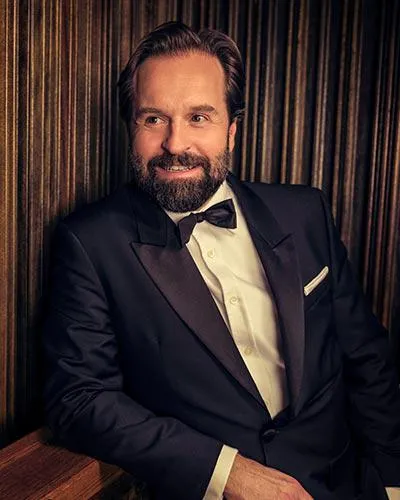
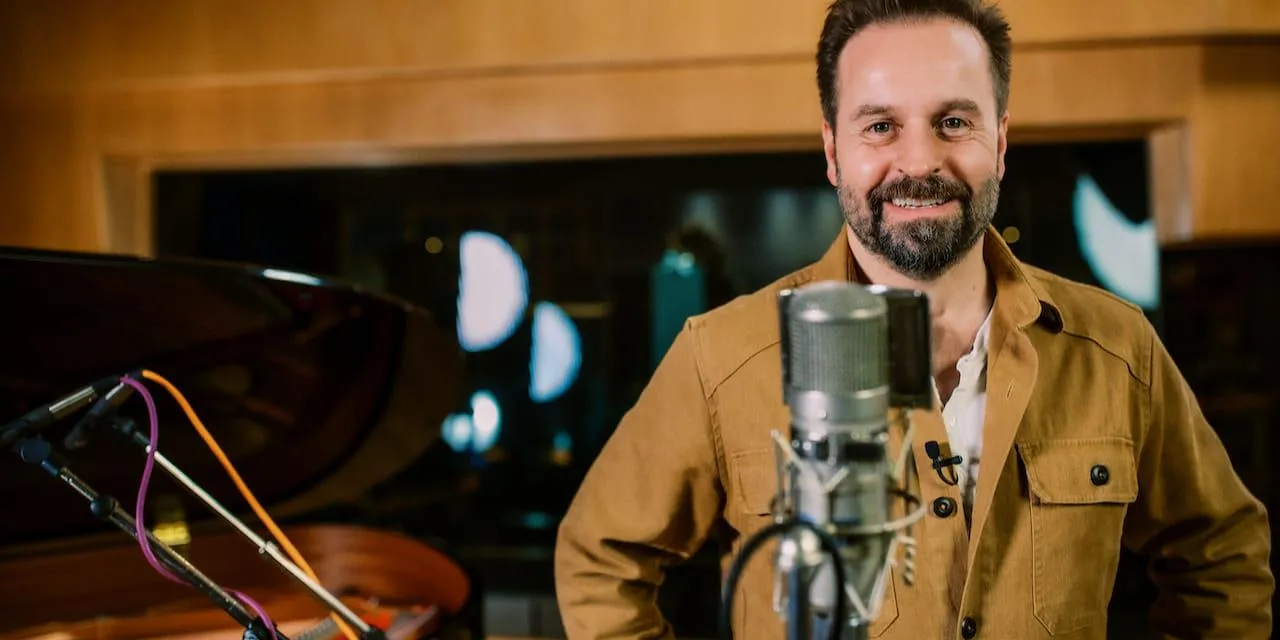
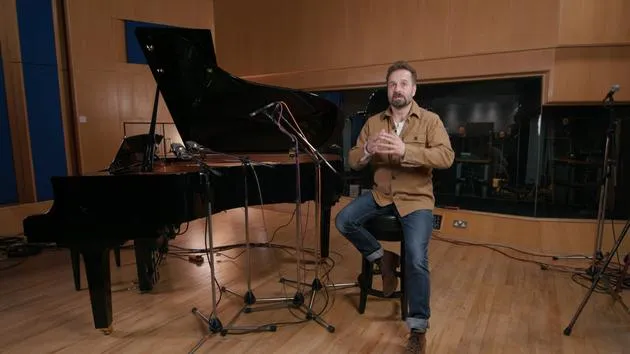
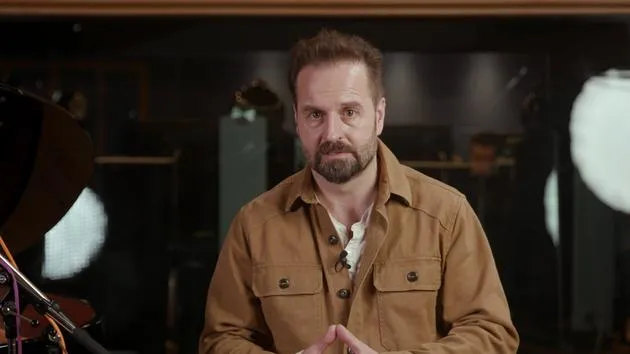
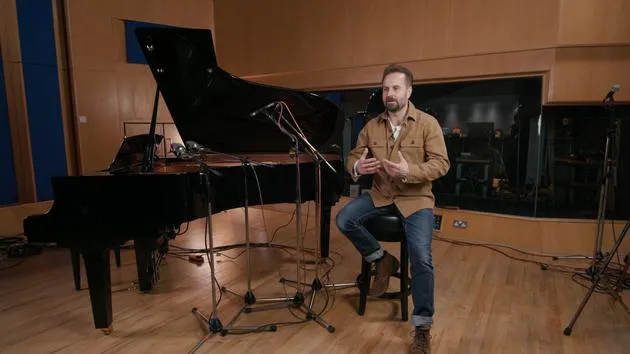
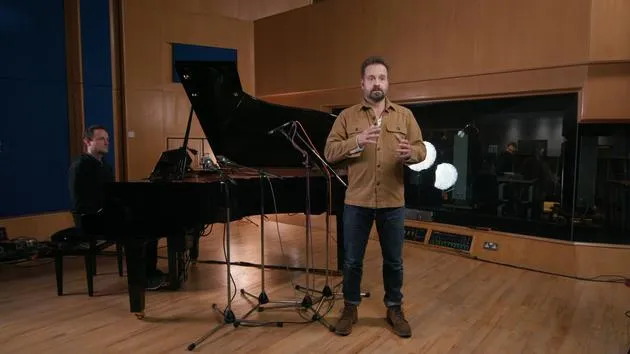
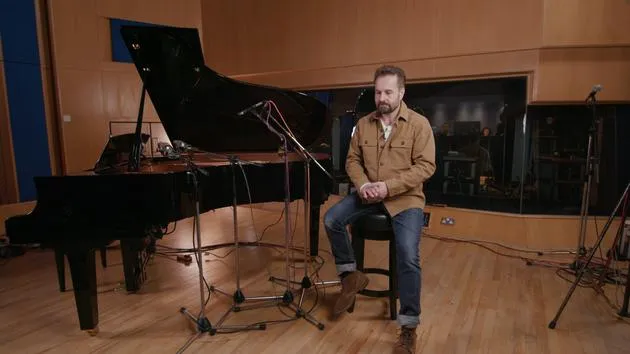
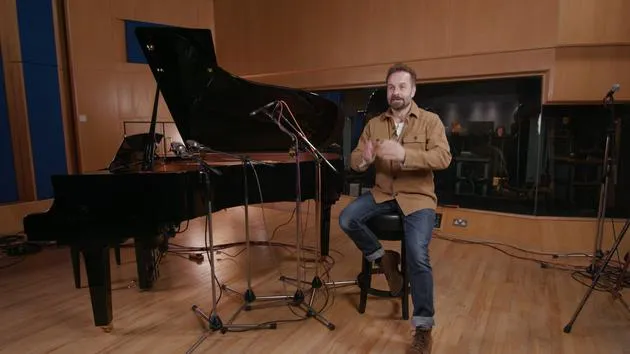
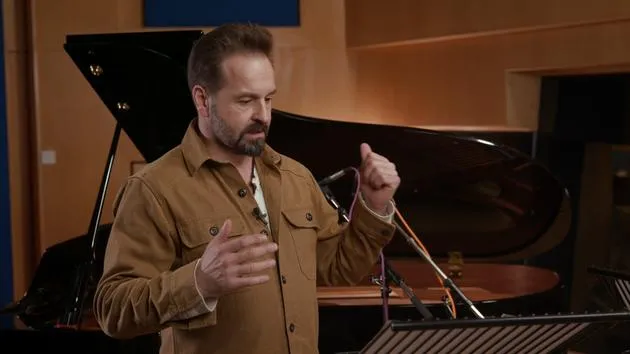
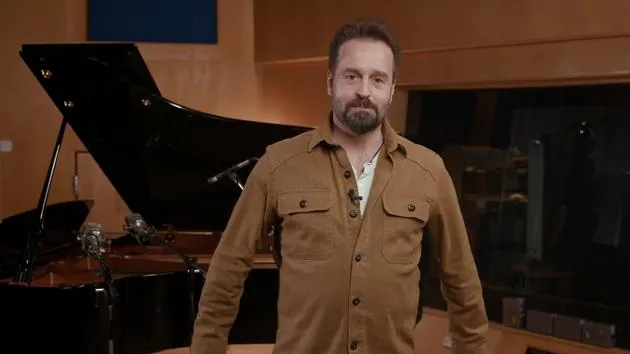
Alfie BoeAlfie Boe leitet ein Warm-up auf den fünf italienischen Vokalen an und arbeitet an einer einfachen Tonleiter sowie an der Idee, in jeden Ton hineinzufließen, statt ihn anzustoßen.
Das steckt im Kurs
27 Lektionen (2h 6m) · 1 gratis
Transkript der Lektion
Italian Vowel Exercise
So we're going to start off with the first exercise, which is just on the vowels, but it's Italian vowels: A, E, I, O, U. We're going to do it right now; it's a little scale. I'm going to give you an example of how to start.
Preparation for the Scale
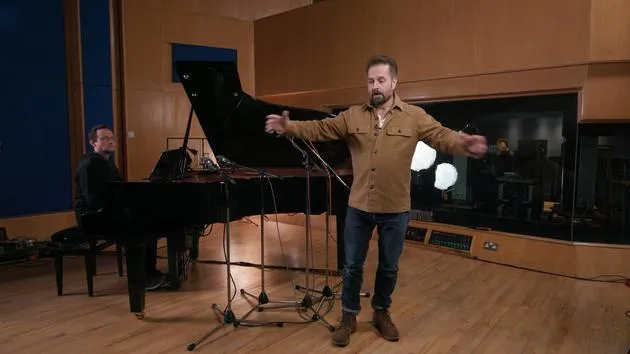
- As we go through all those vowels again in the same notation, notice that I'm trying to be physical with the sound.
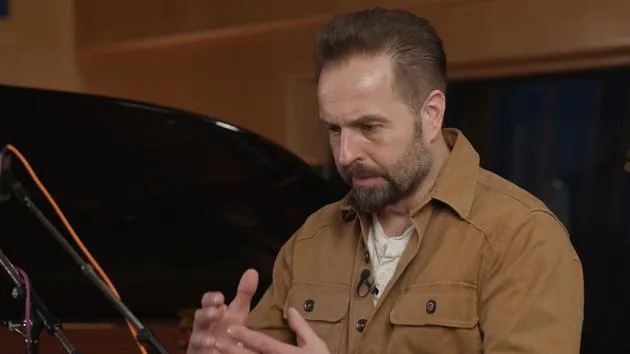
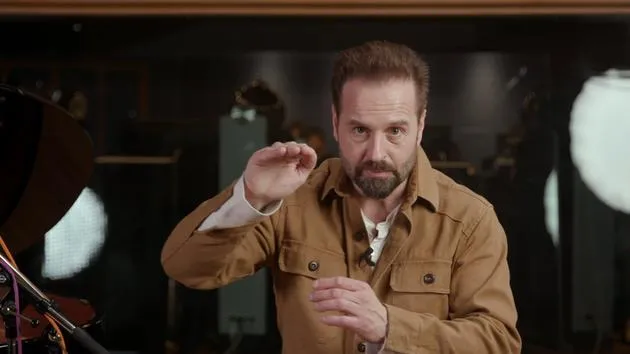
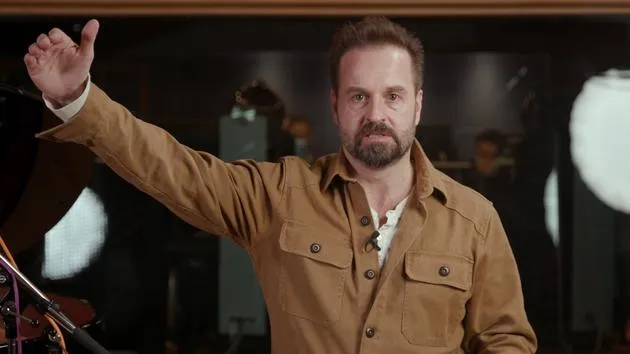
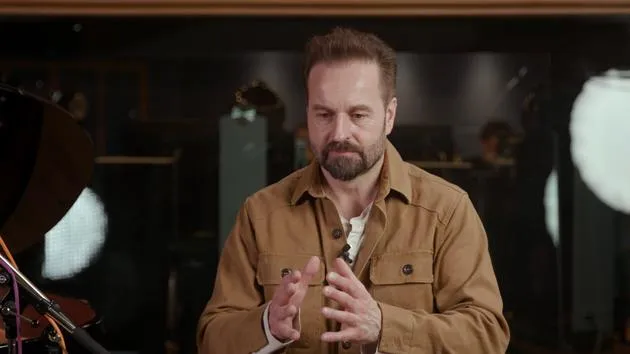
- My hands are sort of leading the sound, but they're also leading my breath.
So I'm prepared to sing this scale, and then I flow into the scale.
Key Point: Don't hit the note; flow onto the note.
I'm going to give you an example of how to prepare to sing. For me personally, this is something that I find very important:
- Listen to the musical phrase first one time through.
- Then, sing it the second time it comes around.
Imagine this as being the intro to a song, the musical intro. Prepare yourself and time your preparation for that first line to be bang on. Be ready to flow onto that first note.
This exercise is a good way to get into the mindset of when you attempt a song.
Let's Give It a Try
So if we do it now, that was the preparation. We'll do it one more time, and I'll try to give you a better example.
- At the end of the first time through, give us a little bit of a break.
- Don't go straight into the second time through, just a tiny little break, then into the scale.
Follow together: Here we go.
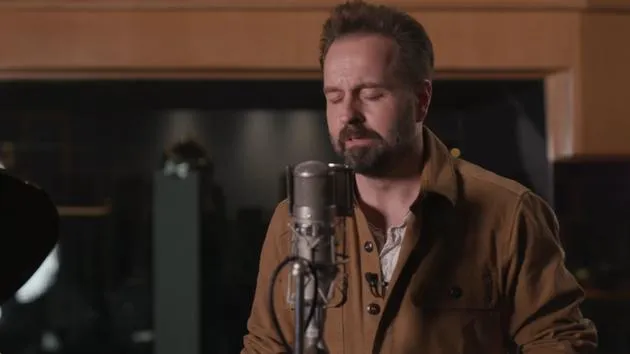
Prepare. You'll feel that flow, it's nice and gentle. It's nothing major; you don't have to sing this out. This is not the performance; this is your warm-up.
Stay on that scale; stay on that little notation. You don't have to go higher than that just yet. You're building the groundwork.
Building the Foundation
This is the groundwork for what's going to come. We're going to work on other exercises that will then develop the higher range, brightness, and tone.
Think of this moment in time as building a house, these are the foundations.
Let's go up a semitone. These are beautiful phrases; they make no sense, it's just words, just notes, just vowels.
Make them beautiful; make them pretty. Don't rush them; take your time.
Remember: It's not about doing thousands of scales; it's about doing them well. Focus on quality, not quantity.
Make sure that the voice is flowing and that the breath is there.
Move Up Again
So that's the first exercise. Then you go up again a semitone.
Prepare, prepare! Really prepare. Listen to that chord.
You don't have to go high on this first exercise either. I would probably just go a couple of semitones higher and leave that exercise be, because, like I said, that is the groundwork.
Foundation set, let's do it one more time.
Connection with Your Accompanist
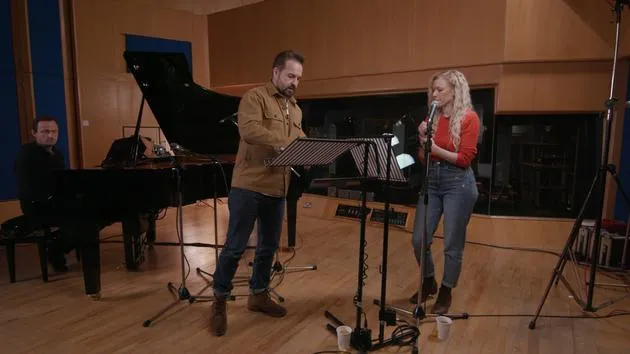
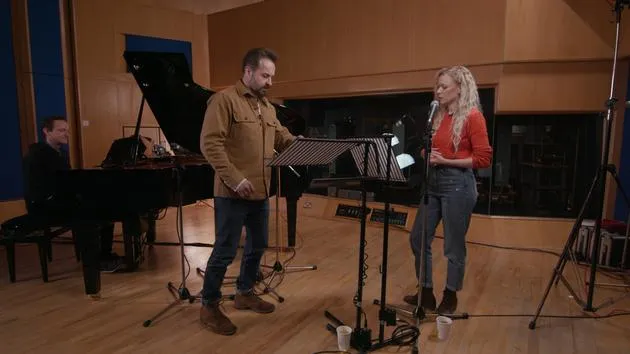
Now, one other thing I want to tell you about is the connection you have with your accompanist, whether it's a guitarist, a piano player, or any musician that is accompanying you.
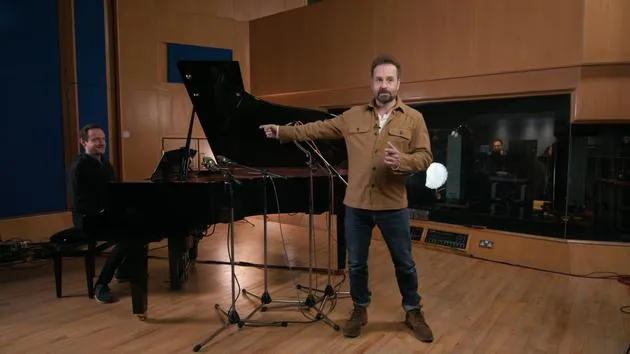
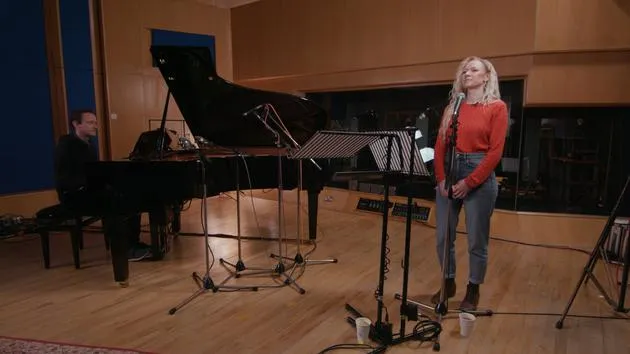
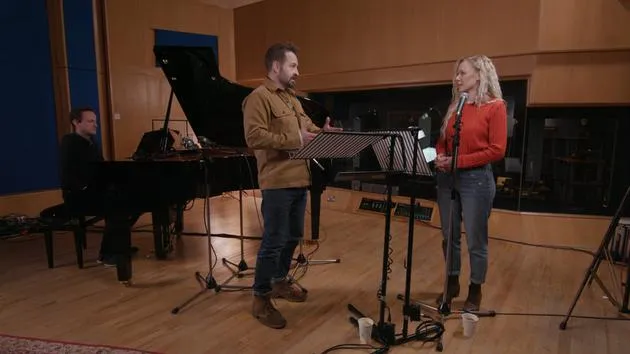
You need to have that connection. For example, Ross automatically watches my preparation, sees my body language, and knows where I'm going, when I'm going to start for him to be able to play the scale.
Key Demonstration: Ross, play that chord now.
We won't look at each other, but we better get it right this time.
Important: Ross reads my body and knows when I'm going to start singing.
This is the sign of a good musician because body language and being able to read someone, a good singer, is what it's all about.
Having that connection matters because you are not the only one on stage. There are many musicians around you, observing and watching you.
Being Prepared
You have to be prepared for anything, things going wrong or going right. And when they do, it's exciting!
Having that connection and friendship on stage is what makes music magical.
So, these exercises, even though they're just about warming the voice up, should be fun. They should be relaxed, there's no pressure, no stress. It's just chilled, relaxed musical phrases that you need to love and embrace.
27 Lektionen
2 Std. 6 Min. strukturierte Videolektionen
Erweiterte Videofunktionen
Verlangsamen, Passagen loopen, mitlesen
Handy, Tablet & Desktop
Üben, wo du willst
100 % Zufriedenheitsgarantie
30 Tage Geld-zurück-Garantie
Lern deinen Guru kennen
Lern deinen Guru kennen
Alfie Boe ist ein Tenor aus Fleetwood an der Küste von Lancashire. Er hat auf vielen der bedeutendsten Opernbühnen der Welt gesungen, führte fast ein Jahr lang die Besetzung von Les Misérables im West End an und trat beim Queen's Diamond Jubilee Concert im Buckingham Palace auf. Er hatte vier Top-Ten-Alben und Platin-Verkäufe im Vereinigten Königreich, mit ausverkauften Tourneen in Häusern wie der Royal Festival Hall und der Royal Albert Hall. In seinem Kurs teilt er die täglichen Stimmübungen und Warm-ups, die er vor dem Auftritt nutzt – von Jean Valjean bis zum Singen für die Königin – das Handwerk, das eine kraftvolle Stimme in Form hält.







