



Vorbereitung auf das Aufwärmen

Mit
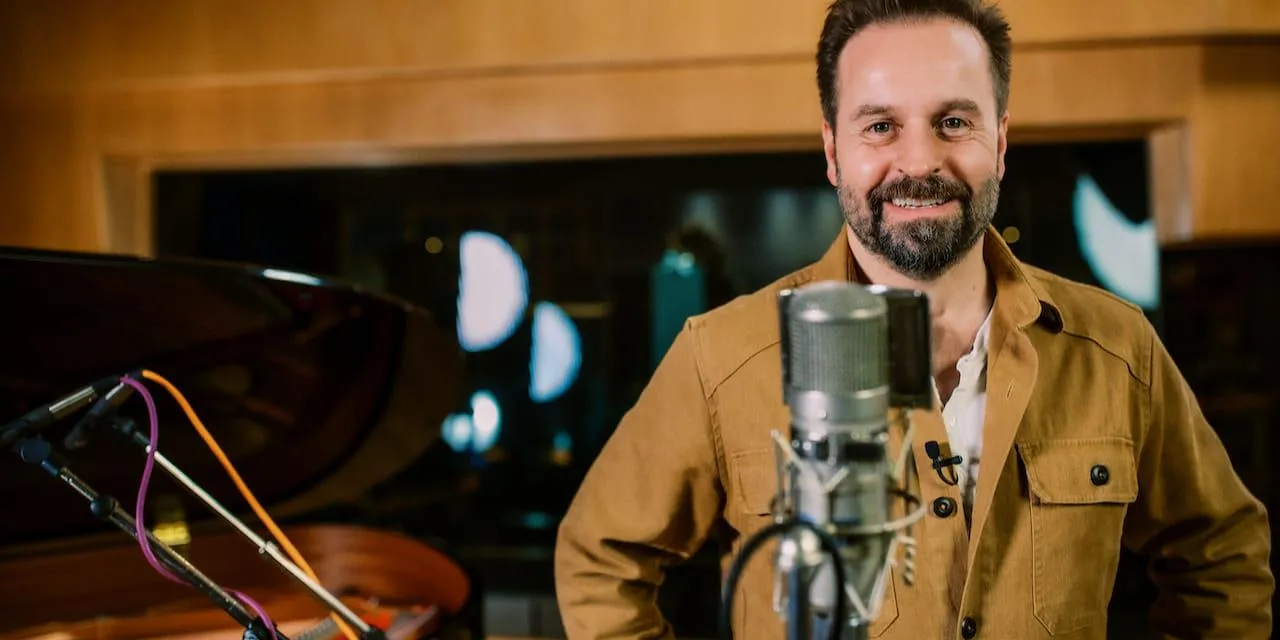
Alfie BoeAlfie Boe erklärt, wie man ein Stimm-Warm-up angeht - entspannt und sanft bleiben statt zu pressen, damit deine Stimme für einen Auftritt frisch ist.
Das steckt im Kurs
27 Lektionen (2h 6m) · 1 gratis
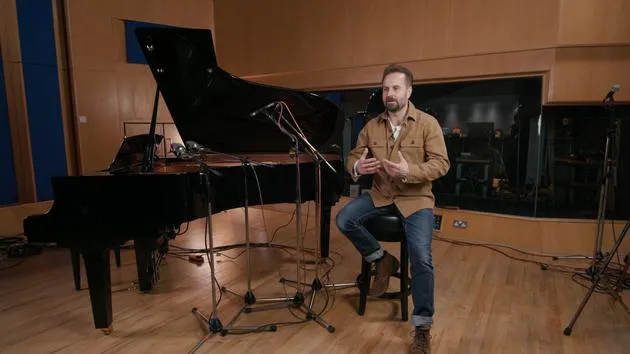
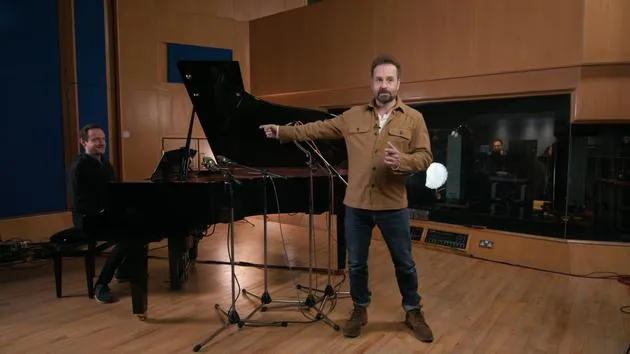
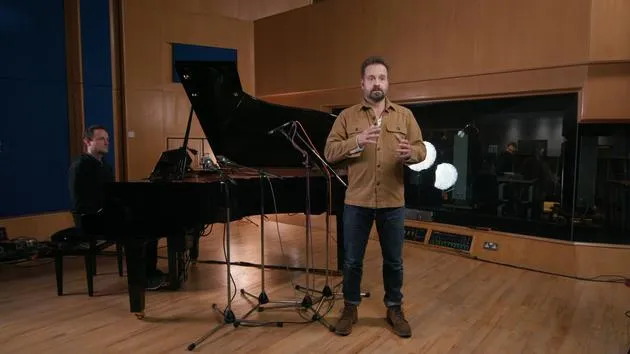
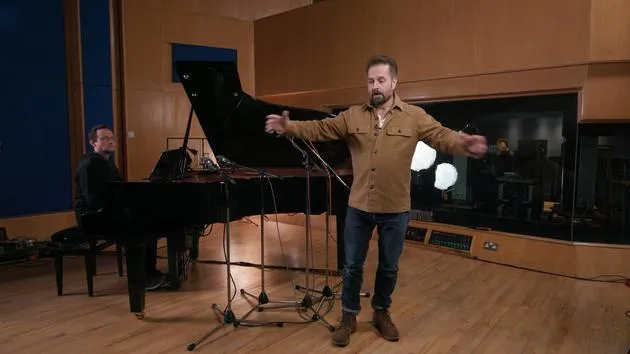
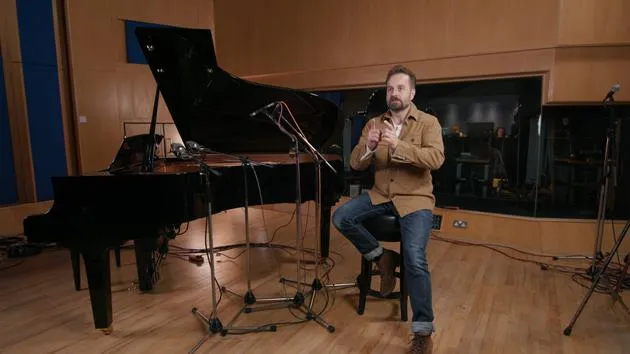
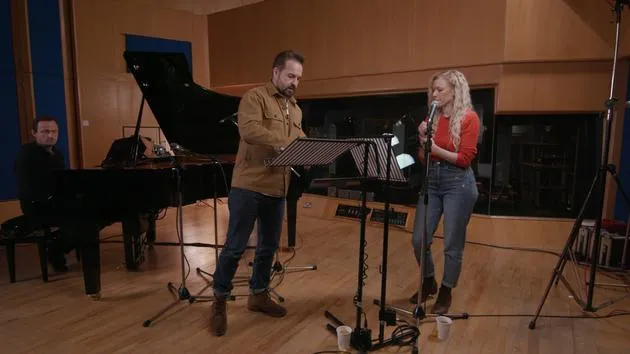
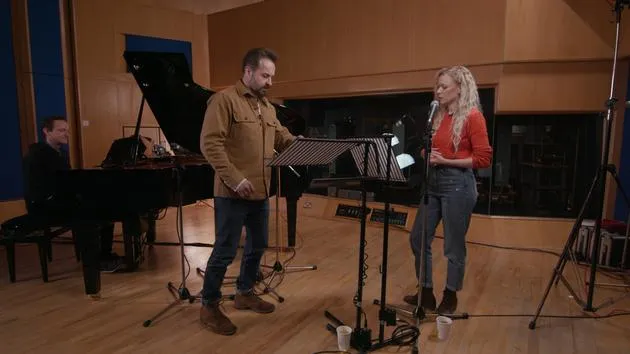
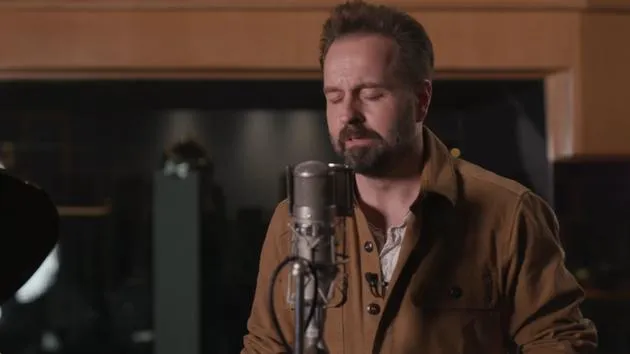
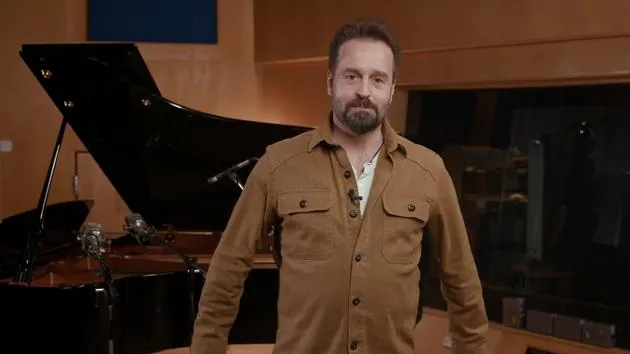
Transkript der Lektion
Embracing the Meditative State for Vocal Warm-Up
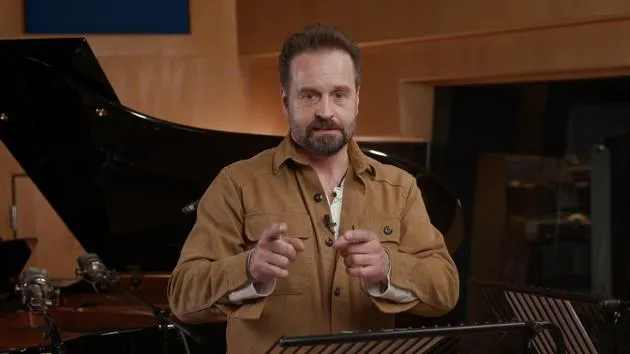
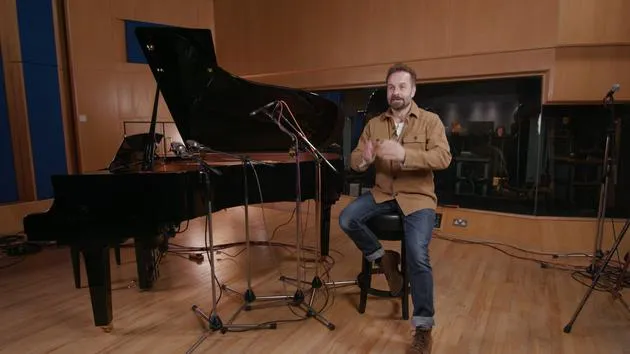
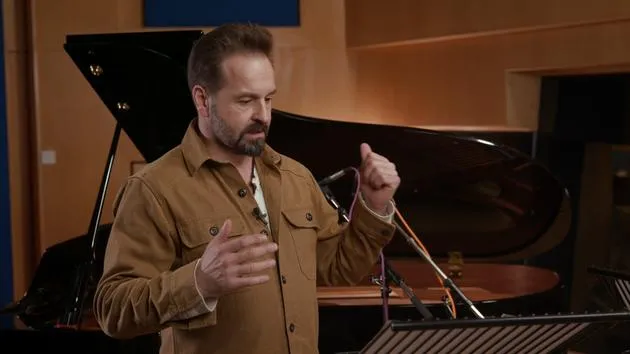
So now that we've gotten into that meditative state, our producer mentioned that word, and it's a fantastic one to use. That meditative state is the mindset we want when approaching a song or a performance.
The Importance of a Vocal Warm-Up
We're going to do a little vocal warm-up. There's a reason why it's called a warm-up.
-
Personal Experience: I used to believe that I needed to do thousands of scales, going up and down for a long time before stepping onto the stage. I did this frequently, but I found that by the time I was on stage, my voice felt tired, and I was vocally fatigued quicker than normal.
-
Lack of Proper Training: Back then, I hadn't had any training, so I didn't work on my breathing or that meditative state I'm discussing. Instead of preserving my voice and using gentle warm-ups, I was screaming scales, thinking I was doing well.
The Purpose of a Warm-Up
The warm-up should be:
- Relaxing
- Fun
- Exciting
Knowing where your voice will lie for a particular performance is essential. Your voice won't always be the same. You may show up to another performance with a tireder voice than the week before, and that's okay.
The Natural Change of Your Voice
-
The voice is a natural muscle and instrument; it will change over time.
-
I guarantee that in 10 years, as you continue singing, your voice will sound completely different.
-
I remember listening to myself at 16, thinking I had a big voice, when in reality, it wasn't great at all. Only after training did I discover my true sound.
-
Growth and Development: A male singer's voice typically breaks around 12 to 14 years old, but it continues to develop often into the early 40s or late 30s. In contrast, a female voice settles quicker because younger and older women are on similar tonal planes.
Understanding Voice Changes
- When a guy's voice breaks or cracks, it transitions from a higher register to a lower one, resulting in a more mature sound.
- We need to allow our voices to settle.
Gently Preparing for Performance
To preserve your voice as a male singer, it's important to let it grow naturally.
The Warm-Up Exercises
The exercises I'm going to show you will gently prepare you for a performance.
-
Structure of the Warm-Up:
- We warm the voice up in the register.
- Then we come down.
- Finally, we warm it up to a higher step in the musical phrase.
-
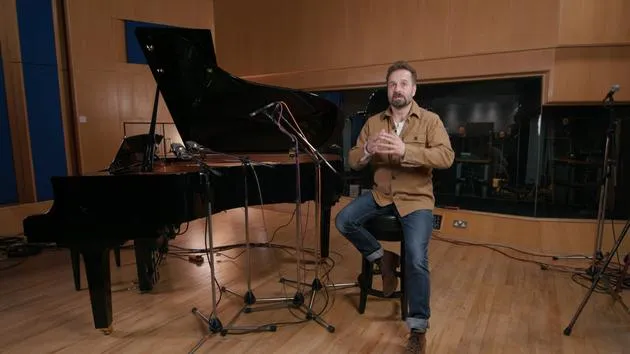
We will go up in semitones, similar to a piano with white and black notes, gradually warming up the scale.
Keeping Your Voice Vibrant
You want your voice to be bright, vibrant, and high.
-
Avoid Starting with a Downward Warm-Up: If you start warming down the scale before your performance, you may struggle to bring it back up to where you want it to be.
-
Pre and Post Warm-Ups:
- Always do a warm-up before the show.
- After the performance, warm your voice down the scale to relax it and gently sway back into a calm state, preparing for the next performance.
27 Lektionen
2 Std. 6 Min. strukturierte Videolektionen
Erweiterte Videofunktionen
Verlangsamen, Passagen loopen, mitlesen
Handy, Tablet & Desktop
Üben, wo du willst
100 % Zufriedenheitsgarantie
30 Tage Geld-zurück-Garantie
Lern deinen Guru kennen
Lern deinen Guru kennen
Alfie Boe ist ein Tenor aus Fleetwood an der Küste von Lancashire. Er hat auf vielen der bedeutendsten Opernbühnen der Welt gesungen, führte fast ein Jahr lang die Besetzung von Les Misérables im West End an und trat beim Queen's Diamond Jubilee Concert im Buckingham Palace auf. Er hatte vier Top-Ten-Alben und Platin-Verkäufe im Vereinigten Königreich, mit ausverkauften Tourneen in Häusern wie der Royal Festival Hall und der Royal Albert Hall. In seinem Kurs teilt er die täglichen Stimmübungen und Warm-ups, die er vor dem Auftritt nutzt – von Jean Valjean bis zum Singen für die Königin – das Handwerk, das eine kraftvolle Stimme in Form hält.







