



Die Grundlagen überprüfen

Mit
PT Gazell
Das steckt im Kurs
8 Lektionen (1h 11m) · 1 gratis
01. Die Grundlagen überprüfen
Du bist hier20:08
02. Die Gazell-Methode und die Halbventiltechnik
Gratis-Lektion11:51
03. Die 3 Vorteile des Half-Valving
10:58
04. Die Bedeutung präziser Bendings auf den Löchern 2 & 3 beim Ziehen
11:58
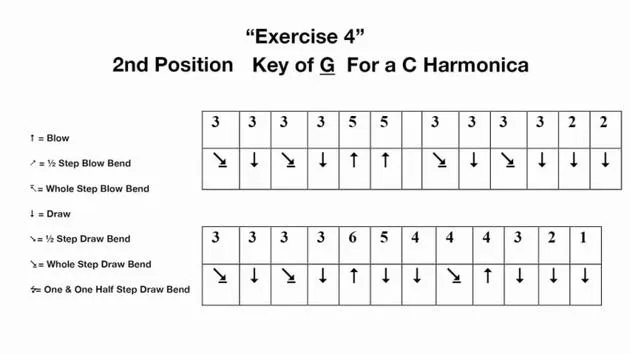
05. Übungen für Ziehbendings an den Löchern 2 und 3
2:22
06. Eine Jazz-Blues-Melodie lernen
3:53
07. Über eine Jazz-Blues-Akkordfolge improvisieren
3:28
08. Eine coole Bläserlinie zu dieser Progression hinzufügen
6:48
Transkript der Lektion
Harmonizing Basics: Lesson One
Introduction
Hi, everybody! PT Gazelle here. I'm with the guys from Music Gurus, visiting me in Nashville. We've got a couple of courses lined up for you today. It's going to be a lot of fun and some hard work, but I think it's going to be great. So, let's jump right into lesson one, which is Checking Your Basics.
The Analogy
I like to think about playing harmonica in terms of golf. If someone doesn't teach you how to hold the club or stand correctly, you won't progress in your own style as you'd like. The same goes for harmonica!
Key Points to Cover
-
Correct Posture
- Ideally, you can stand or sit. Sitting is fine as long as you're not slouched over.
- When sitting up straight, your diaphragm is open, which is crucial for producing a good tone.
-
Relaxation
- When we try to do things we're uncomfortable with, we tend to get tight.
- Relaxation starts with your shoulders. If you can relax them, everything else will follow.
- Take a deep inhale and exhale to encourage this relaxation. You should feel everything relax from your shoulders down.
-
Stomach Relaxation
- I often tell my male friends to let their stomach sag a bit while playing.
- This may not look great, especially with women in the room, but a relaxed stomach means an open diaphragm, leading to better tone.
Hand Position on the Harmonica
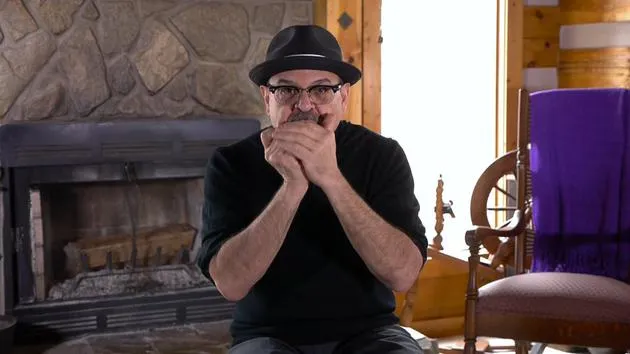
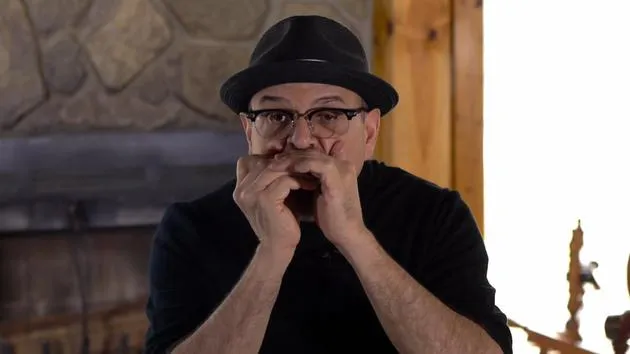
- I hold the harmonica in a pretty unconventional manner, with my index finger and thumb, wrapping my hands around the instrument.
- Access to the mouthpiece is important. For those of you who hold it differently, ensure your forefinger is far enough back from the mouthpiece to allow a good seal.
- If your finger is too close, your tone will sound weak and timid.
Important Considerations for Tone
- Your top lip should cover about half of the COVID plate for a proper seal, which is crucial for good tone.
- Check your grip to make sure it allows for a good seal on the harmonica.
Embouchure and Breathing Exercises
- A good embouchure will give you a richer tone and improve your bending.
- Warm-Up Exercises: Just like golf, it's important to warm up before playing.
Breathing Exercises
-
Long Inhale and Exhales
- Perform three long, slow, and controlled inhale and exhale cycles to open your lung capacity.
-
Two Draw and Two Blow Notes
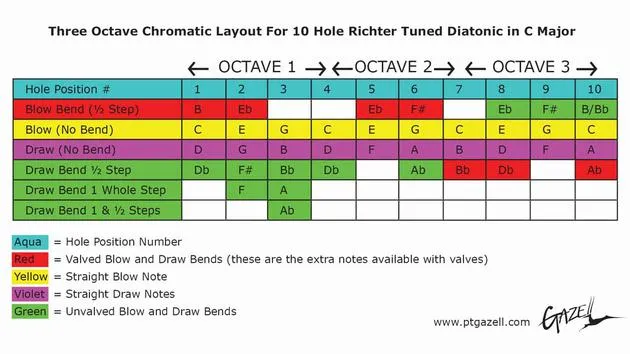
- On a Richter-tuned diatonic harmonica, the two draw and three blow are both G notes. Practice switching between these notes rhythmically.
Additional Exercises
- You can branch out further by doing this exercise for extended periods, helping you regulate your breathing.
Octave Jump Exercise
- The goal is to familiarize yourself with the harmonica. This exercise involves both blow and draw notes, and is particularly effective in helping you recognize intervals.
Blow Notes Octave Jump
- This involves jumping from blow note number one to four, two to five, and so on.
Draw Notes Octave Jump
- When moving from one draw note to four, remember that the next interval includes a blow note due to Richter tuning.
- Be aware of this as you practice your draw note octave jumps.
Summary of Lesson One
- Correct posture: Sit up straight to keep the diaphragm open.
- Total relaxation: Start with your shoulders.
- Hand position: Ensure a good seal without changing your grip.
- Mouth position: Helps isolate single notes, enhances overall tone.
- Warm-up exercises: Two draw and three blow exercises, followed by octave jumps.
Practice these basics, and I'll see you in lesson two!
8 Lektionen
1 Std. 11 Min. strukturierte Videolektionen
Erweiterte Videofunktionen
Verlangsamen, Passagen loopen, mitlesen
Handy, Tablet & Desktop
Üben, wo du willst
100 % Zufriedenheitsgarantie
30 Tage Geld-zurück-Garantie
Lern deinen Guru kennen
Lern deinen Guru kennen
PT Gazell hat sich seine Stellung als Meister der diatonischen Mundharmonika erarbeitet. Nach Jahren als gefragter Begleit- und Studiomusiker für einige der größten Namen Nashvilles entdeckte PT das Half-Valving, und seine Musik erreichte buchstäblich neue Höhen.
Kein anderer Spieler verbindet seine Phrasierung, seinen melodischen Stil, seine Stückauswahl und seine Improvisationsfähigkeiten so wie er - am Ende ist es ein ganz eigener Stil. Mit seinem eigenen Signature-Instrument, der von Seydel gefertigten diatonischen Gazell Method, beweist PT, dass die Mundharmonika zu weit mehr fähig ist, als die meisten von uns glauben.
Genieß es!
In seinen Kursen unterrichtet PT das Half-Valving direkt aus erster Hand, damit du mit der Gazell Method starten, gedämpfte (valved) Bends meistern und sie in deine eigenen Songs einbringen kannst.







