



Analyse, Erklärung und Demonstration von Emmanuel Pahud
Das steckt im Kurs
6 Lektionen (2h 19m) · 1 gratis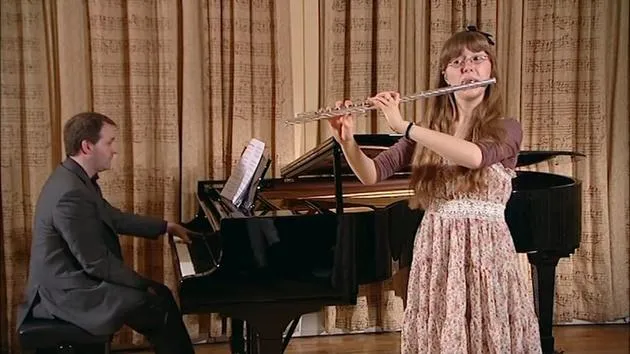
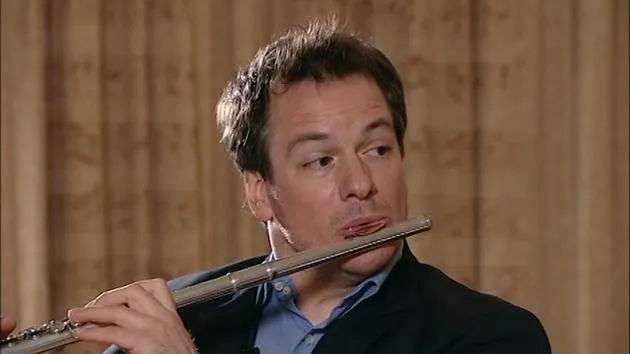
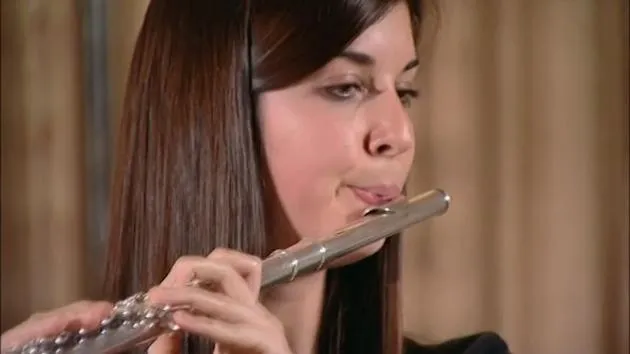
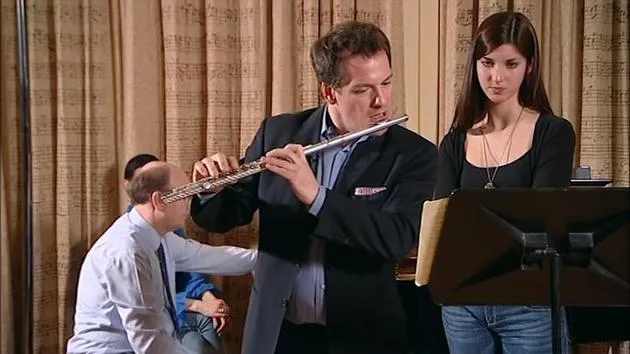
Transkript der Lektion
Flute Lesson
This one is a tricky piece because it doesn't sound as difficult as it is. It's not the most graceful piece, but there are many challenging aspects, particularly with all these G sharps.
Challenges of the Piece
-
Technical Difficulties:
- All the slurs in the first movement are really difficult.
- You have to navigate throughout the range of the instrument while maintaining a stable sound and a nice tone.
-
Middle Section:
- This is where many students struggle.
- Your nerves and excitement are natural; however, you must pull yourself together in the middle section because the difficult part is yet to come.
Breathing Techniques
Now, let's focus on breathing properly. If you really breathe correctly, you're going to play properly. Here are some key points to remember:
- Support Your Air: You need to sustain the airflow until you decide that the note is stopping.
- You are in Control: Remember, you are the one playing; you're not just listening.
Playing Position
Your position here seems relaxed and stable, which is great. However, be aware of the following:
-
Head Joint Position:
- Be careful not to turn the head joint inside too much, as this limits your ability to play effectively.
- To play piano, you need to adjust your position to maintain a good airstream.
-
Centering:
- Start with the mouth hole and the keys aligned.
- Adjust as needed from this centered position.
Pianissimo Playing
- The Importance of Pianissimo:
- The only real pianissimo in the piece is crucial. Hold the pianissimo as long as you can.
- Only play the crescendo as it's indicated, which is four beats or three and a half beats before the fortissimo.
Color and Expression
- Tone Color:
- I recommend exploring a "saxophone kind" of color at this spot, even though it is not written.
Using Wasabi
-
Tuning and Intonation:
- You need to use more "wasabi" in your flute playing. This helps in playing in tune.
- Playing forte results in a big and beautiful sound without forcing it.
-
Resonance:
- We have many cavities in our heads that resonate while we play. The more we drive the resonance, the louder we can play with the same amount of air.
Managing Dynamics and Vibrato
-
Vibrato:
- Use vibrato to keep the sound alive on long notes.
- It's essential for adding expression and maintaining intensity.
-
Dynamics:
- When reaching the peak of a crescendo, don't play any louder. Think of it as moving forward on stage and then staying there.
Practicing Techniques
- Air Support:
- Use "wasabi" as a focus point, which helps in centering your tone.
- Practice with gentle dynamics and avoid tightening your lips too much.
Conclusion
Ultimately, this piece is about finding your sound. Focus on breathing and the placement of your air.
- Last Thoughts:
- Get fresh wasabi, as it will help you find your best sound.
- Remember, the focus should be between your nose and the eyes, rather than just on the lips.
Thanks for your dedication in today's lesson. Let's continue to work on these techniques, and you will see improvement in your playing!
6 Lektionen
2 Std. 19 Min. strukturierte Videolektionen
Erweiterte Videofunktionen
Verlangsamen, Passagen loopen, mitlesen
Handy, Tablet & Desktop
Üben, wo du willst
100 % Zufriedenheitsgarantie
30 Tage Geld-zurück-Garantie
Lern deinen Guru kennen
Lern deinen Guru kennen
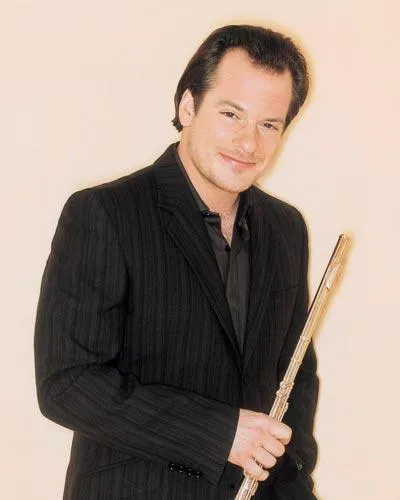
Der in Berlin ansässige Emmanuel Pahud ist einer der herausragendsten Flötisten der Welt, am bekanntesten für sein barockes und klassisches Flötenrepertoire.
Pahud wurde in Genf, Schweiz, in eine nicht-musikalische Familie hineingeboren. Als kleiner Junge war er vom Klang der Flöte gefesselt, und vom vierten bis zum 22. Lebensjahr wurde er von Flötisten wie François Binet, Carlos Bruneel und Aurèle Nicolet unterrichtet und betreut, bevor er am Conservatoire de Paris ausgebildet wurde.
Er stieg in die internationale Orchester- und Solistenszene ein, als er 1992 als einer der jüngsten Solo-Flötisten seiner Geschichte den Berliner Philharmonikern beitrat. Seine angeborene Musikalität und außergewöhnliche Technik haben ihn zu einer festen Größe für Soloauftritte in Japan, Südostasien, Europa und den Vereinigten Staaten gemacht. Zu seinen regelmäßigen Recital-Partnern zählen Eric Le Sage, Hélène Grimaud, Yefim Bronfman und der Jazzpianist Jacky Terrasson, und er ist als Kammermusiker sehr gefragt, nachdem er mit den meisten der weltweit führenden Solisten zusammengearbeitet hat.
Seine Vielseitigkeit über die Musikstile hinweg hat "die Ankunft eines neuen Meisterflötisten angezeigt" (The Guardian). Er spielt in unterschiedlichsten Genres, ob Barock, Jazz, zeitgenössisch, klassisch, orchestral oder Kammermusik.
In Works for Flute by Schubert, Hue and Sancan richtet Emmanuel diese Kunst auf drei Eckpfeiler des Flötenrepertoires und teilt die interpretatorische und technische Einsicht, um jedes Stück lebendig zum Leben zu erwecken.







