



Intro to technical exercises
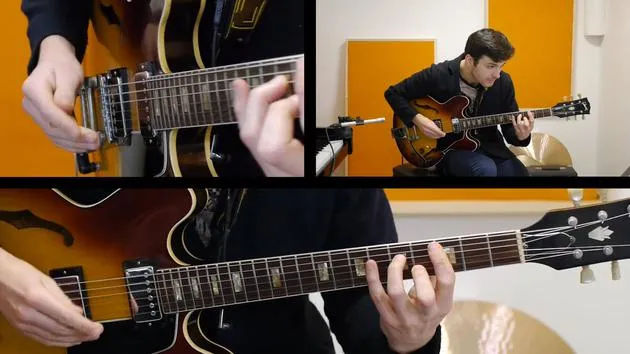
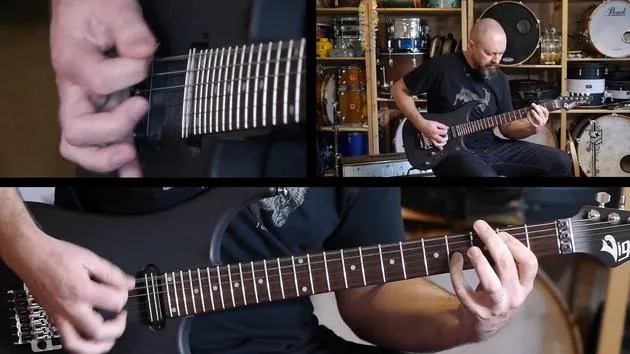
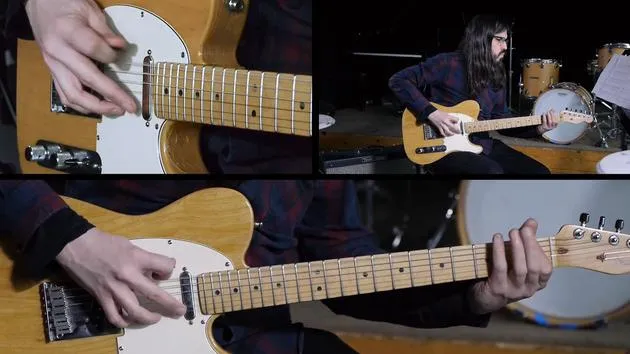
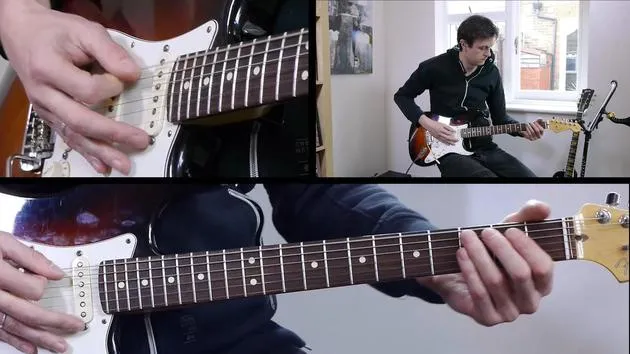
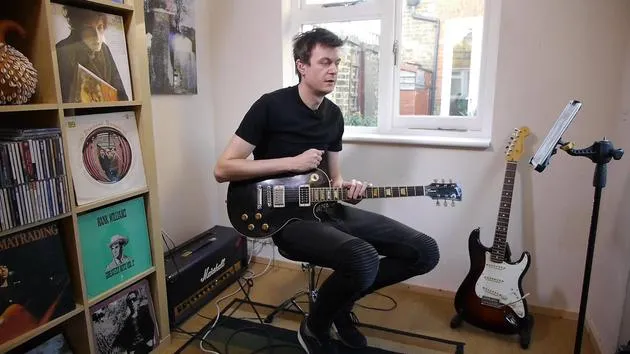
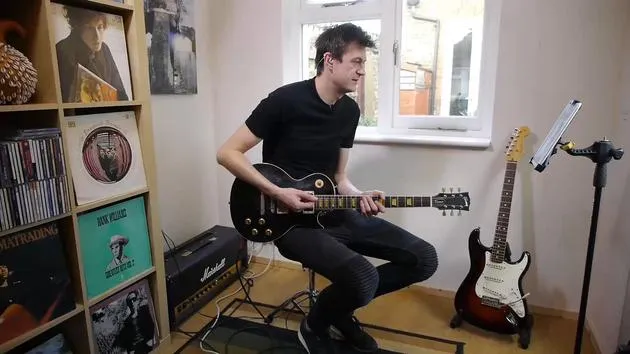
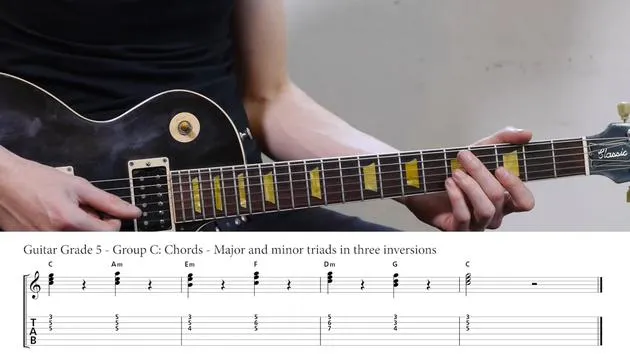
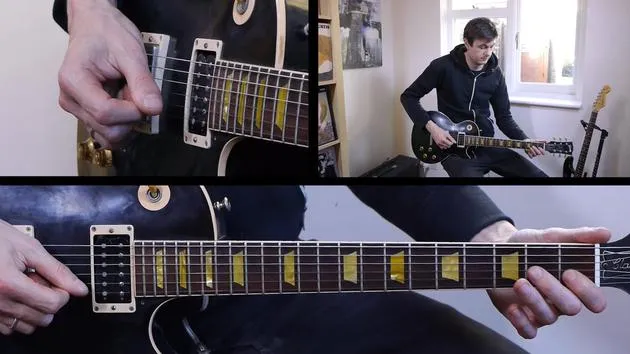
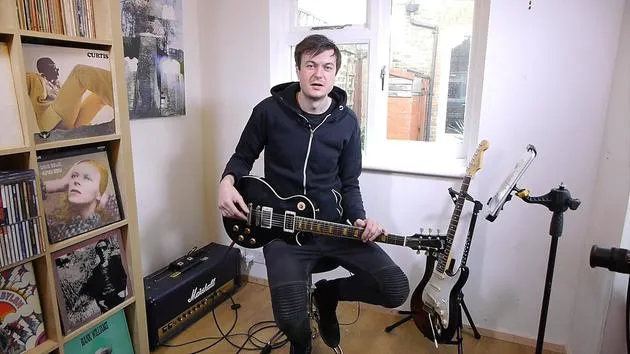
James Barratt introduces the scales, arpeggios and chords you need for Grade 5, with tips on fingering and moving between keys for the exam.
What's in the course
43 lessons (3h 34m) · 1 free
Lesson transcript
Technical Exercises Overview
Alright then, guys.
What Are Technical Exercises?
When we talk about technical exercises, we're referring to:
- Scales
- Arpeggios
- Chords
These are incredibly useful tools that you use all the time in your day-to-day playing, whether you realize it or not.
Importance of Technical Exercises
- They may not be as fun to pick up initially as pieces, but once you've mastered them, the possibilities are endless.
- They serve as essential creative tools that will offer you great enjoyment once you get them down in a rudimentary format.
Future Applications
We'll explore more creative applications of these exercises later on, focusing on:
- Using them within songs
- Playing solos
- Improvisation
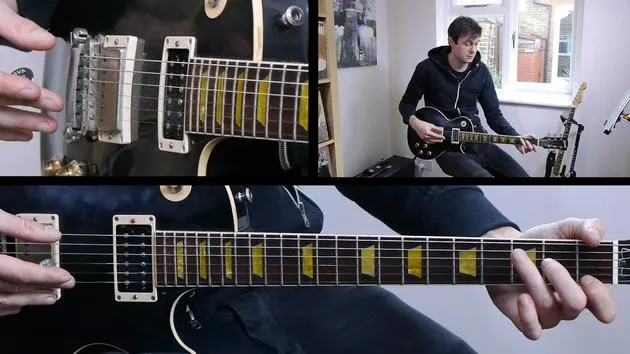
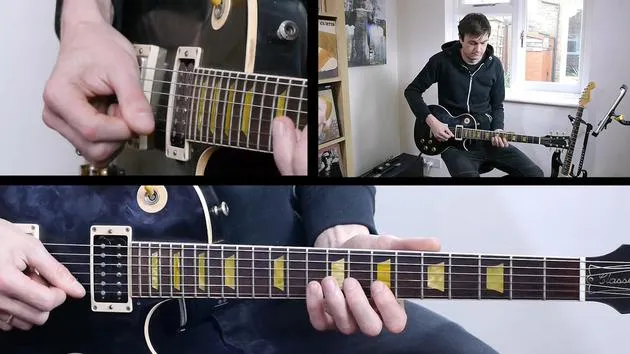
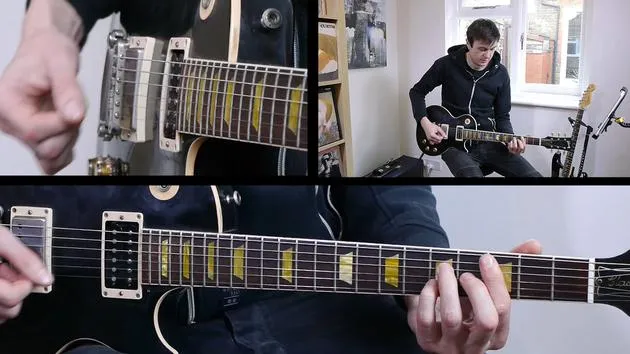
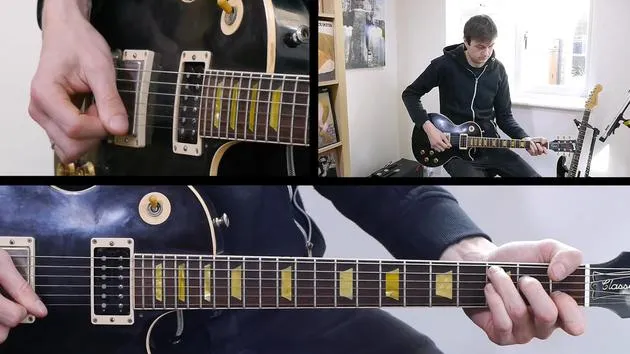
But for now, I'm going to demonstrate them as required for your grade.
Key Points to Remember
Before I demonstrate, here are a couple of important notes:
- The demonstrations will include what's written in your book.
- It's essential to read the preamble before the technical exercises, as you are required to play scales in very specific keys, depending on your grade.
For instance, it might say to play exercises A and B in keys A, B, and C, or something similar. Please make sure to read this information carefully, especially if you plan on taking the exam.
Moving Between Keys
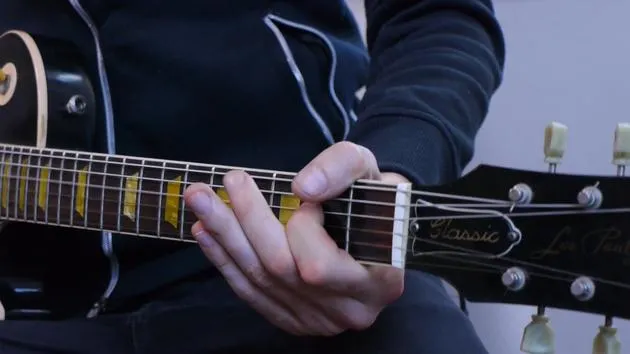
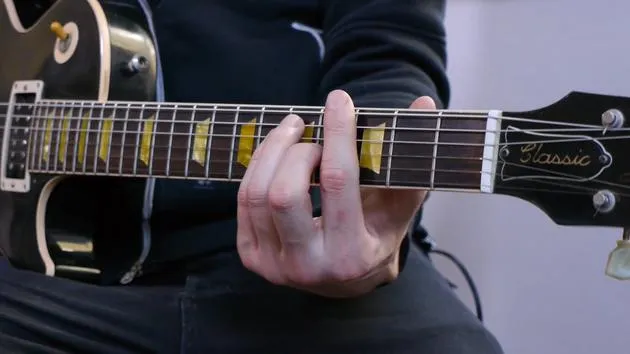
You'll see how I use certain fingerings, and all you need to do to move these exercises into a different key is:
- Take the same shape
- Move it to the desired starting note
We'll explore why this is useful later, but here's a hint: it will allow you to play some pretty amazing solos.
Riff Exercises
One further point: I won't be demonstrating the riff exercise.
- If you're comfortable with the scales and arpeggios, the riffs are based around these shapes and exercises.
- It should only be one step further for you to work out what these riffs will be if you need to move them.
This is a valuable skill for you to develop on your own.
Stylistic Studies
We will also examine the stylistic studies in a section called Stylistic Techniques. Instead of merely demonstrating the stylist studies, we'll analyze the techniques involved and how to use them effectively.
Conclusion
Alright then, here we go with the demonstrations of the technical exercises for your grade.
- They will all be played at the correct tempo according to your gradebook.
43 lessons
3h 34m of structured video lessons
Advanced video features
Slow down, loop a passage, follow along
Mobile, tablet & desktop
Practise wherever you are
100% satisfaction guarantee
30-day money-back guarantee







