


Tapping
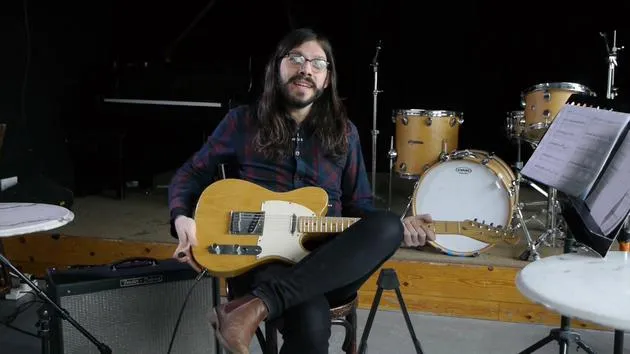
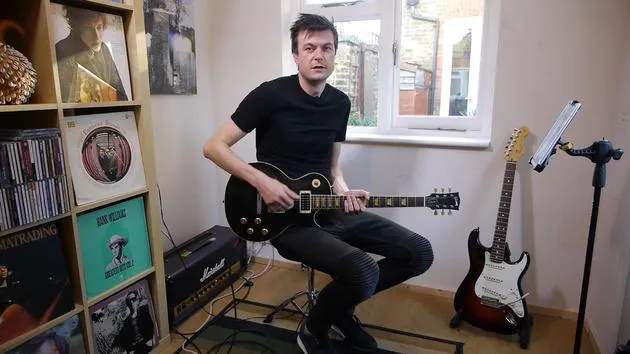
James Barratt breaks down tapping, the flashy Van Halen-style technique that lets you reach wide intervals by attacking the strings with your right hand.

What's in the course
42 lessons (3h 27m) · 1 free

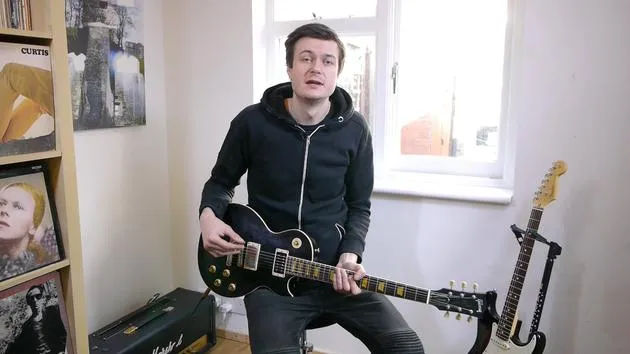
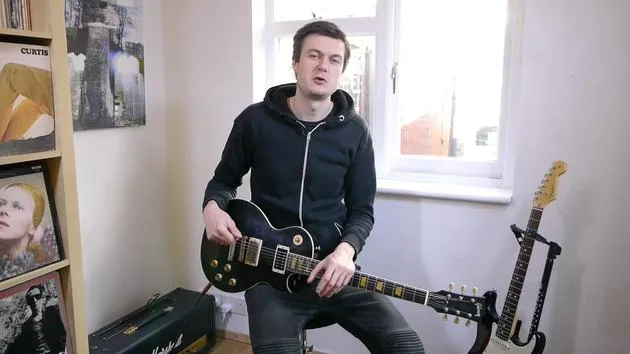
Lesson transcript
Tapping Technique: A Detailed Overview
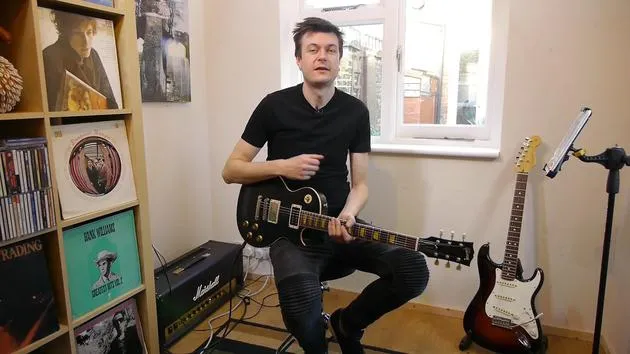
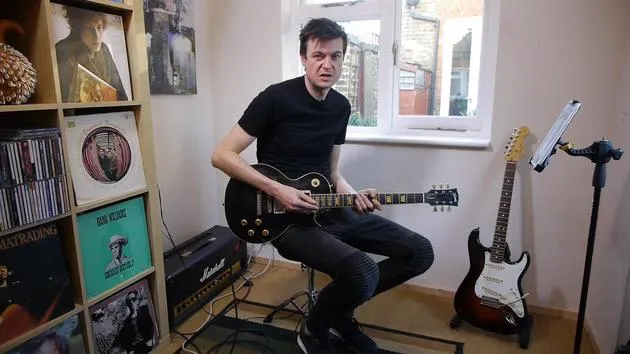
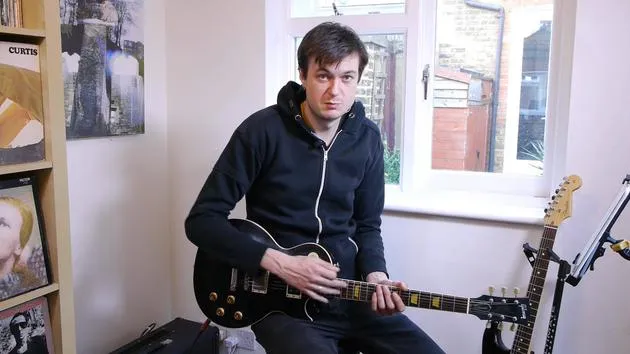
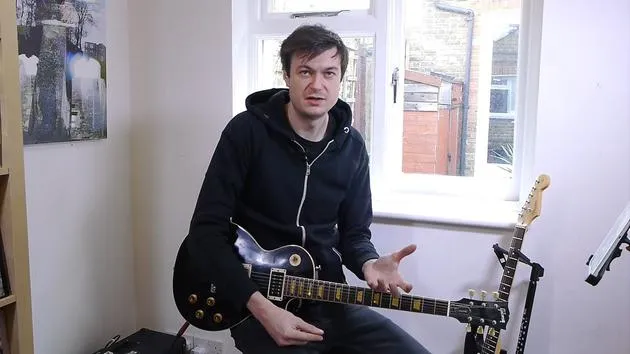
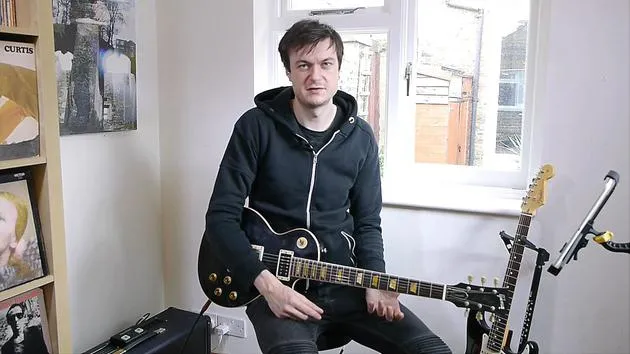
Okay then, let's check out tapping technique now in a little bit more detail. Tapping is a really distinctive-sounding technique that you may have heard in bands like Van Halen or from extreme bands of the 80s, and any rock band that features flashy solos.
Why Use Tapping?
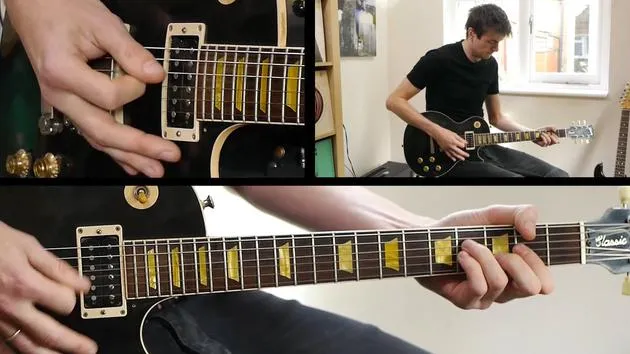
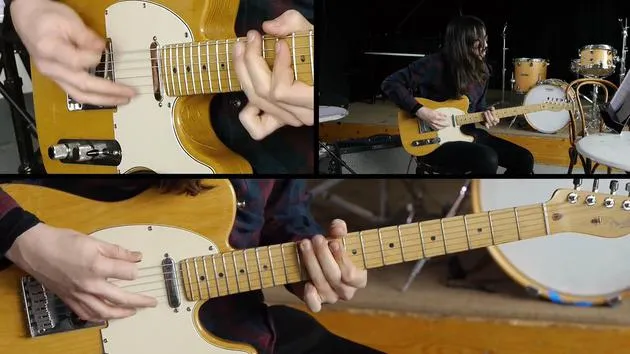
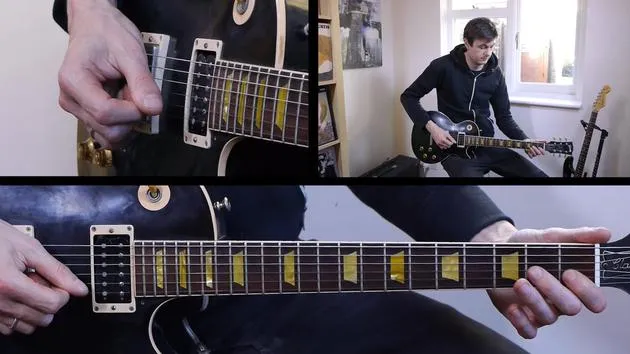
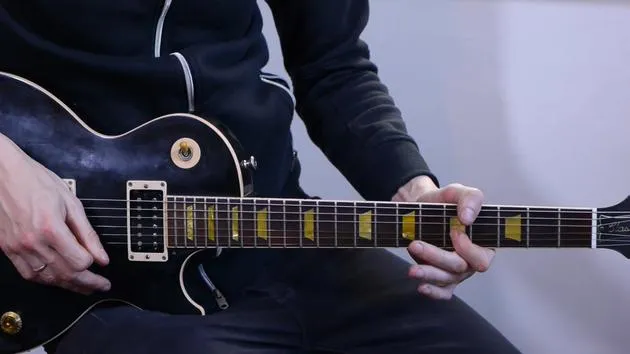
One thing that is really cool about tapping is that it allows us to achieve really wide intervals on the guitar. For example:
- My left hand could technically be fretting down here.
- I can use my right hand to attack the highest note on the guitar.
This technique helps achieve a huge interval if desired.
Common Tapping Phrases
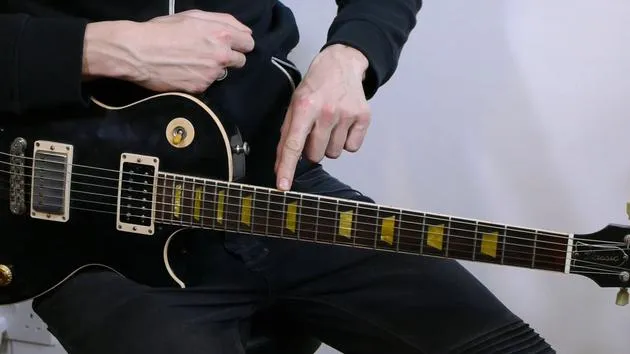
The examples I'm going to show you are just some common tapping phrases that you might encounter. We'll focus on a single string, specifically the B string.
Choosing Your Tapping Finger
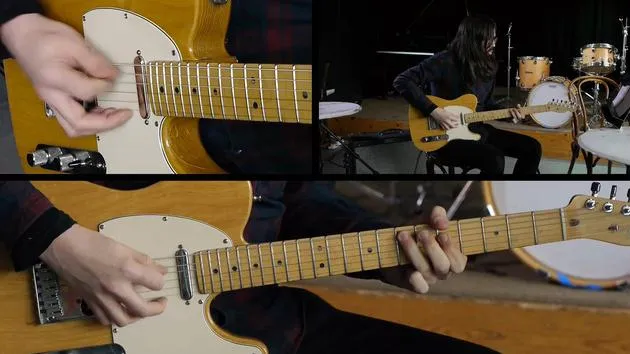
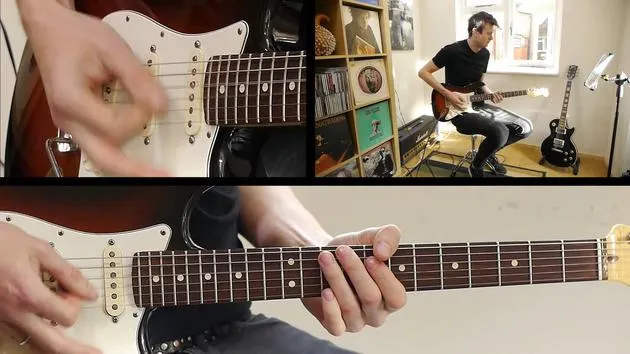
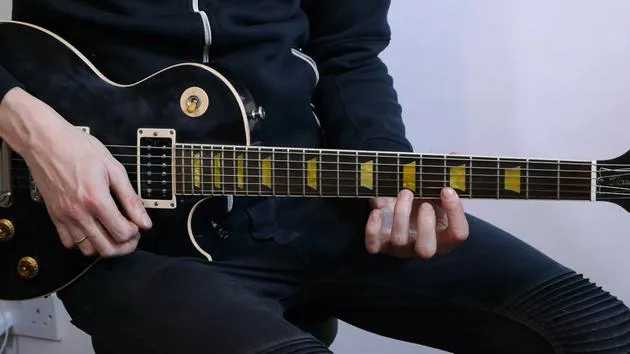
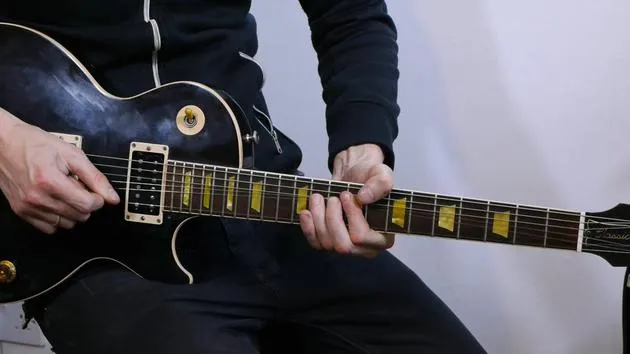
In tapping, the finger I use is my middle finger to tap the fretboard. Some players tuck their pick into their middle finger to use their first finger, which is fine if you're comfortable with that.
However, consider the transition from picking to tapping:
- I hold my pick with my first finger and thumb.
- To tap with my first finger, I switch fingers and get my tapping finger ready.
Personally, I prefer to keep hold of my pick as normal and tap with my middle finger.
Experimenting with Techniques
You can experiment with different fingers. There are players who use multiple fingers for right-handed tapping. As someone who doesn't do a vast amount of tapping, my preference is to use my little finger. This approach allows for a smooth transition between picking and tapping.
The Tapping Exercise
Now, let's dive into the tapping exercise:
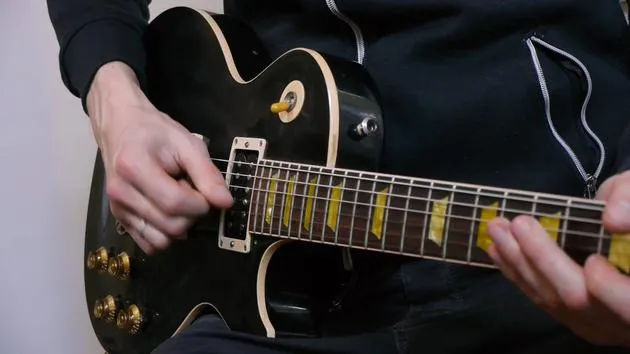
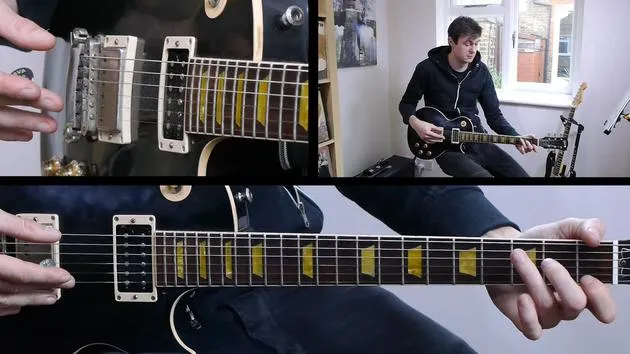
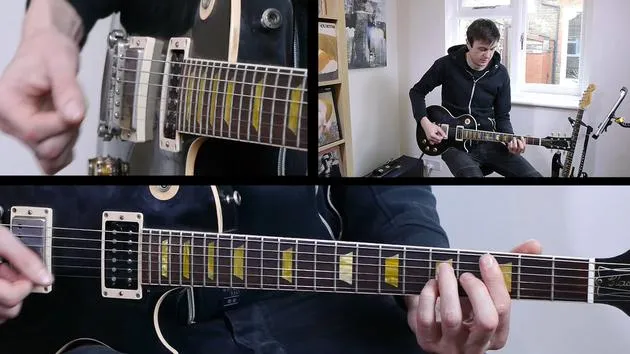
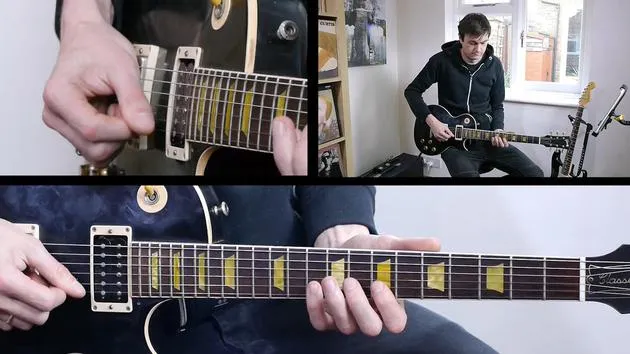
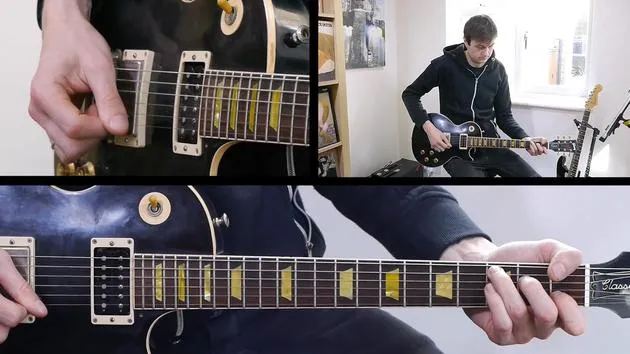
- Begin with a tapped note on the 12th fret of the B string.
- Keep lower strings quiet:
- You can rest the palm of your right hand on these strings while tapping.
- Technique:
- Hammer on with your right hand to the 12th fret.
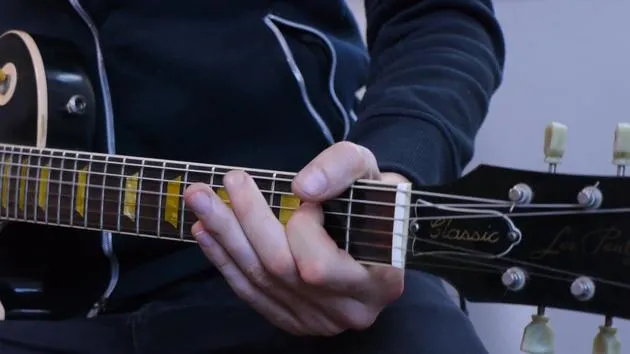
- Have your first finger ready at the fifth fret on the same string.
- Pull off to that note using your right hand.
Creating the Siren Effect
This exercise involves a lot of effort using your right hand. A key focus here is to achieve a really equal volume between any two notes, creating a sound similar to a siren.
Tips:
- Aim for a powerful hammer on and a clean pull off.
- Ensure no strings are ringing out unwantedly.
Advanced Groupings
After mastering the basic tapping technique, you may want to add a hammer on with the left hand for a repeat:
- Tap with the right hand.
- Pull off to the first finger.
- Hammer on with the third finger.
You can achieve impressive speed with these phrases.
Tactile Technique Rhythm
Tapping is quite a tactile technique, allowing for a deliberate rhythm in your playing. For example, you can break it down into three-note groupings:
- 1, 2, 3 (triplets):
- 2 and a 3 and a 4 and a
- 1 and a 2 and a 3 and a 4 & a.
For a four-note grouping with a semi-quaver feel, try this common sequencing:
- Tap first.
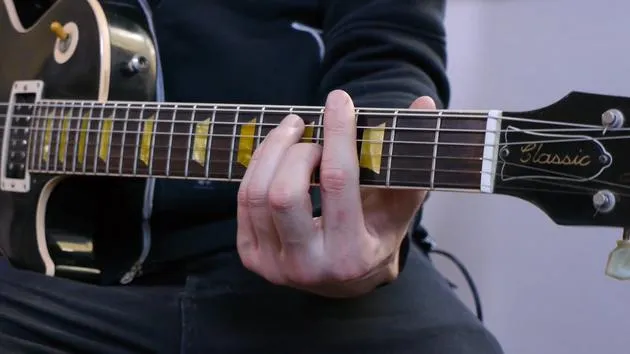
- Pull off to the third finger on the 8th fret.
- Pull off to the first finger on the 5th fret.
- Hammer on again.
Final Thoughts on Tapping
Ensure that all notes are equally spaced and that no unwanted strings ring out. If you're not muting correctly, you may end up with a muddied sound, especially when using high gain during a rock solo.
That is tapping in a nutshell! I hope you enjoy this fun technique, which you'll notice featured in lots of songs in the Rock School series.
Let's take a look at the next technique!
42 lessons
3h 27m of structured video lessons
Advanced video features
Slow down, loop a passage, follow along
Mobile, tablet & desktop
Practise wherever you are
100% satisfaction guarantee
30-day money-back guarantee