



Analysis, explanation, demonstration with Maxim Vengerov
With
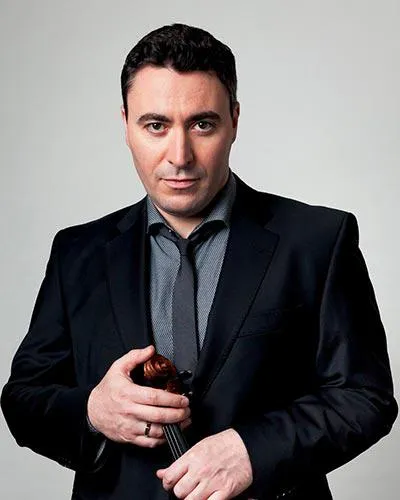
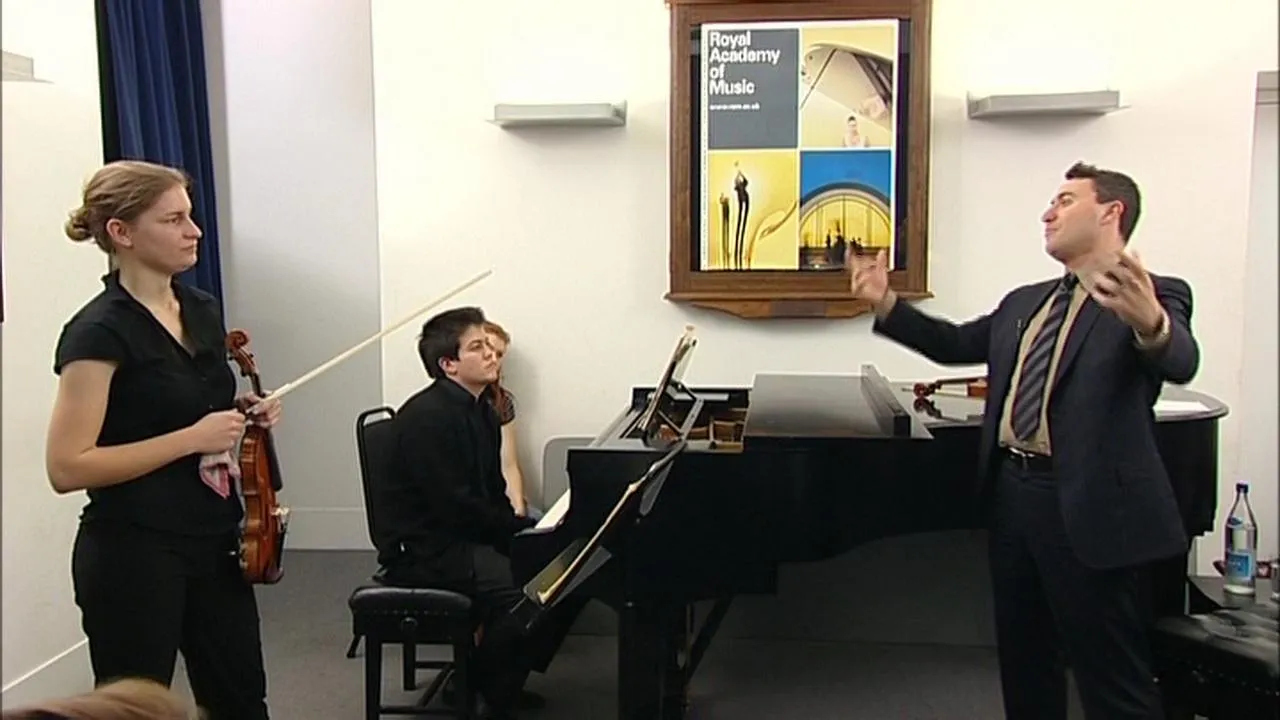
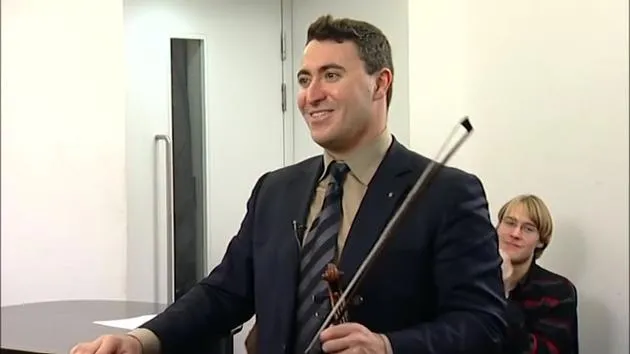
Maxim VengerovMaxim Vengerov coaches his student through the Mendelssohn Violin Concerto, working on technical grounding, sound production and shaping the music's emotion.
What's in the course
2 lessons (0h 51m) · 1 free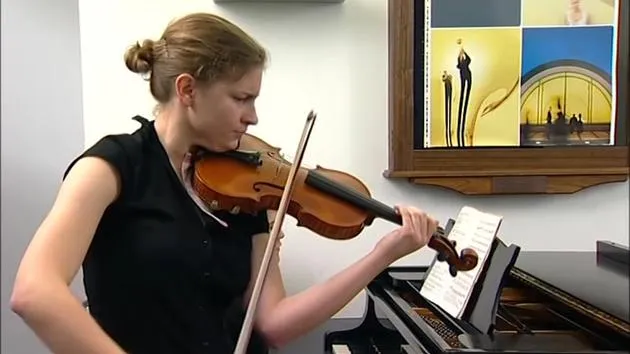
Lesson transcript
Music Lesson: Maria's Performance
Introduction
Maria, bravo, bravo! Unfortunately, we didn't have enough time to listen until the end, but it was a truly impressive performance.
Thoughtfulness in Performance
I appreciate your thoughtfulness in Mendelssohn's music. You take your time, unlike some performers who rush through the entire movement. Your careful approach is wonderful.
Great Potential
There is exceptional potential in every aspect of your playing:
- Virtuosity
- Sound production
We'll need to address various topics, starting with the technical execution of your performance, which is very important.
Technical Execution
This is our transport; without technical means, we cannot convey music effectively. I sense that you feel the Mendelssohn concerto more deeply than you can perform it. You imagine it more freely and spaciously.
Grounding Yourself
However, I feel you're sometimes losing the ground beneath your feet. It's crucial to feel grounded, like a tree, rooted down before reaching upwards.
- Always remember to stand confidently while playing.
- Ensure your:
- Shoulders are relaxed
- Breathing is normal (what I call "rabbit breathing" or "dog breathing")
Musicality and Movement
Your musicality shines through, and you express your phrases beautifully. However, there are some adjustments needed in your physical movements.
Enhancing Crescendo
Instead of merely moving your hands to create a crescendo, consider:
- Starting with a small bow stroke
- Gradually adding pressure and vibrato
For example:
- Start with less vibrato and expand it as you progress.
Controlling Vibrato
It's important to properly calculate your vibrato to avoid stopping abruptly. Check where you feel comfortable vibrating. Remember:
- Vibrato is already an interpretation; it must elicit a reaction from the audience.
- Gradual changes in vibrato are crucial, avoid sudden shifts.
Practical Exercise
Let's practice:
- Reduce vibrato gradually rather than all at once.
- Keep it comfortable and relaxed, allowing the story to unfold before reaching the culmination.
Bow Grip and Connection
Your bow grip needs to be more intentional. Your fingers should have defined roles:
- The end of the bow should feel heavy to produce rich sound.
- There must be a separation of functions between the left and right hands.
Embrace the Bow
I encourage you to hug the bow:
- Maintain a connection between the bow and your arm.
- Visualize a beautiful violinist from a Chagall painting, where the instrument and musician blend into one.
Interpretation and Strategy
Before starting to play, envision how you want it to sound. Your body and soul already know the music.
Creating a Narrative
Remember:
- Avoid revealing all secrets of the music at the beginning.
- Maintain a balance; don't give away too much too soon, as if serving only appetizers at a dinner when you have many courses prepared.
Final Thoughts
In the end, let's focus on:
- Maintaining a serene quality in your right hand.
- Ensuring the sound from the orchestra complements your performance.
Conclusion
Maria, with practice and attention to these details, you will continue to develop a beautiful, controlled sound. Your potential is evident, and I look forward to witnessing your progress!
Thank you very much.
2 lessons
0h 51m of structured video lessons
Advanced video features
Slow down, loop a passage, follow along
Mobile, tablet & desktop
Practise wherever you are
100% satisfaction guarantee
30-day money-back guarantee
Meet your guru
Meet your guru
Maxim Vengerov is recognised as one of the world's most exciting violinists. He gave his first recital at the age of five and, after studying with Galina Tourchaninova and Professor Zakhar Bron, went on to win First Prize in the Junior Wieniawski Competition at the age of ten. In 1990, aged fifteen, he won the Carl Flesch International Violin Competition, confirming his reputation as a musician of the very highest order.
In May 2000, following a ten-year recording contract with Teldec Classics, Maxim Vengerov signed an exclusive contract with EMI Classics. His awards and prizes have included Gramophone Young Artist of the Year and Ritmo (Spain) Artist of the Year in 1994; Gramophone Record of the Year and Grammy Award nominations for Classical Album of the Year and Best Instrumental Soloist with Orchestra in 1996; the Edison Award for Best Concerto Recording in 1997; Gramophone Artist of the Year in 2002; and both an Edison Award and a Grammy Award in 2004 for Best Instrumental Soloist Performance (with Orchestra) for his recording of the Britten Violin Concerto and the Walton Viola Concerto.
In 1997 Vengerov was the first classical musician to be appointed Envoy for Music by UNICEF. In this role he has met and performed for disadvantaged children in Uganda, Harlem, Thailand, and on both sides of the Kosovan ethnic divide - work that has allowed him both to inspire children worldwide and to inspire others to raise funds for UNICEF-assisted programmes. Another passion of Vengerov's life is his involvement with young people through giving masterclasses. One such event was recorded by Channel Four Television as part of a documentary on Vengerov called 'Playing by Heart', shown at the Cannes Television Festival in 1999. Since June 2005 he has been Professor of Violin at the Royal Academy of Music, London.
That same teaching passion runs through his MusicGurus masterclasses, where Vengerov takes you inside the great violin repertoire - from Ravel's Tzigane and Sarasate's Carmen Fantasy to the concertos of Sibelius, Mendelssohn, Britten and Shostakovich - sharing the technique and musicianship behind every phrase.







