



Analysis, exaplanation, demonstration with Maxim Vengerov
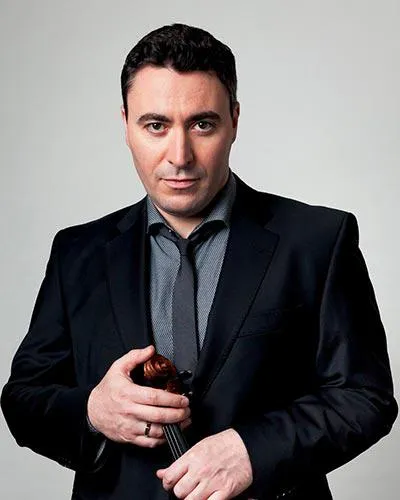
With
Maxim VengerovMaxim Vengerov works through Beethoven's A minor Violin Sonata, covering tempo, ritardando, phrasing and the space between phrases that brings out its emotion.
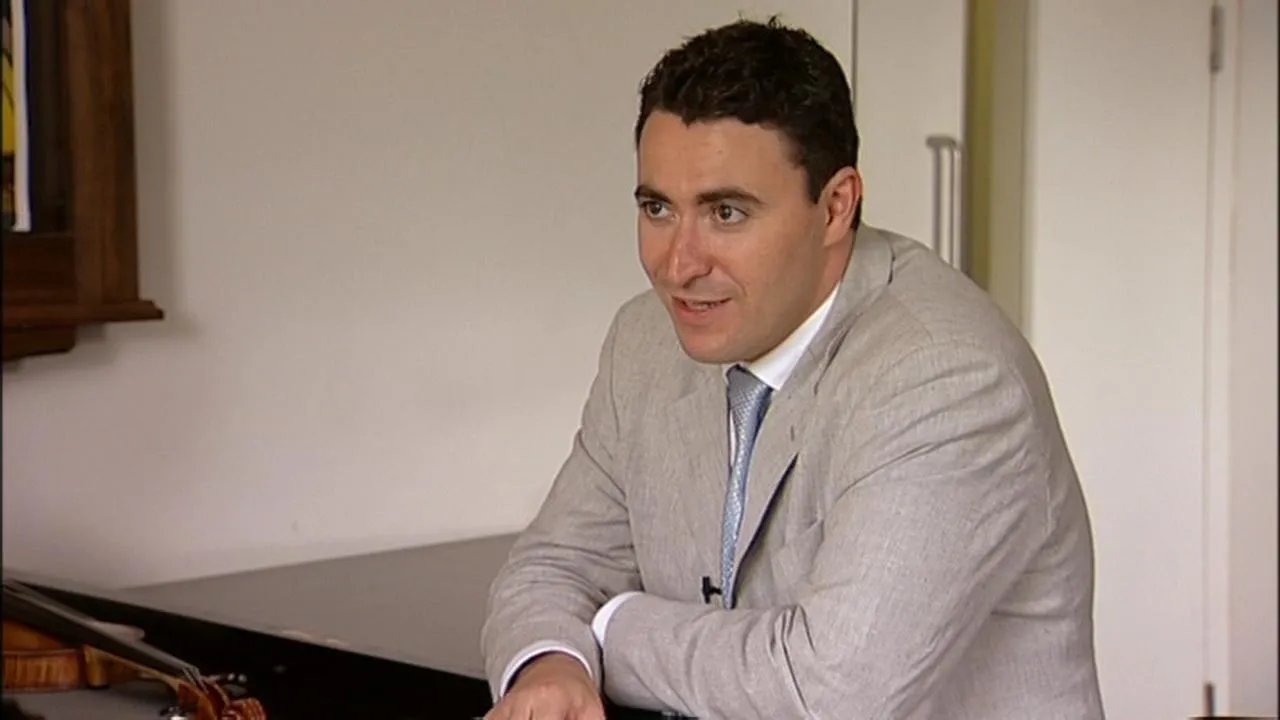
What's in the course
2 lessons (0h 59m) · 1 free
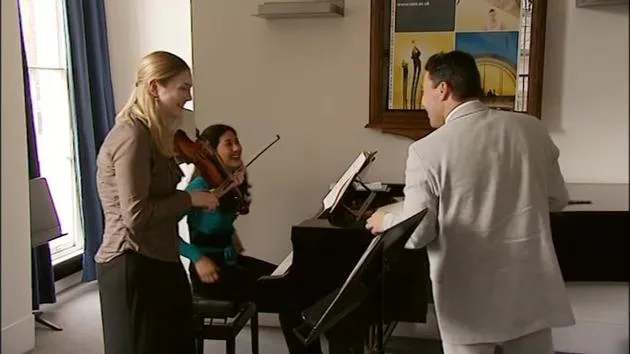
Lesson transcript
Music Lesson
Overview
In today's lesson, we delve into the nuances of playing a baroque sonata, exploring its structure and emotional depth.
Key Concepts
-
Baroque Sonata: We're experimenting with compositions from the past, focusing on two sides: the beginning and the development, which unite in the recapitulation and coda.
-
Characterization:
- The characterization is somewhat lacking.
- Try to interpret the material with more dynamics and tempo variation.
-
Ritardando:
- Be cautious with ritardando where it isn't indicated in the sheet music.
- Understand the emotional weight behind the notes; sometimes, it's necessary to play with more space between phrases.
Performance Tips
-
Space and Expression:
- Pause and Space: Take a breath between phrases. Play as if you're learning to read between the music; stretch it out.
- Emotional Dynamics: Explore character development; it's important to take time and really express the emotions conveyed in the piece.
-
Listening and Collaboration:
- Partner Interaction: In chamber music, listen and react to your partner's playing, as if conversing.
- Play with intention, understand your role within the duet.
-
Technical Focus:
- Right-Hand Practice: Focus on bars six and five for precision.
- Smooth Transitions: Create a seamless transition between instruments. Listen closely to the piano while playing.
-
Musical Intention:
- Dynamic Nuances: Understand the differences between sforzando and other dynamic marks. Use each expressive technique to convey different emotions throughout the piece.
- Long Phrases: Maintain a longer line of music without abrupt cuts to ensure fluidity in the performance.
Interpretation Insight
-
Think of Beethoven's music as a conversation where each character has a distinct role. Pay attention to where you are leading and where your partner may take the lead.
-
Explore the emotional journey. Beethoven often balances conflicting harmonies with an intense narrative. Maintain a clear understanding of these dynamics.
-
Improvisation and Personality:
- It may seem easy at first, but the changes in personality are crucial in Beethoven's pieces. Don't be afraid to experiment with your interpretation.
Conclusion
Remember, creating music is about expressing emotion and character through careful attention to detail. Embrace the challenge of creating a narrative within the pieces you play, recognizing where emotions lead, and ensuring a fluid and intentional performance. Keep working on the dynamics, listening closely, and supporting your fellow musicians as you bring these pieces to life.
2 lessons
0h 59m of structured video lessons
Advanced video features
Slow down, loop a passage, follow along
Mobile, tablet & desktop
Practise wherever you are
100% satisfaction guarantee
30-day money-back guarantee
Meet your guru
Meet your guru
Maxim Vengerov is recognised as one of the world's most exciting violinists. He gave his first recital at the age of five and, after studying with Galina Tourchaninova and Professor Zakhar Bron, went on to win First Prize in the Junior Wieniawski Competition at the age of ten. In 1990, aged fifteen, he won the Carl Flesch International Violin Competition, confirming his reputation as a musician of the very highest order.
In May 2000, following a ten-year recording contract with Teldec Classics, Maxim Vengerov signed an exclusive contract with EMI Classics. His awards and prizes have included Gramophone Young Artist of the Year and Ritmo (Spain) Artist of the Year in 1994; Gramophone Record of the Year and Grammy Award nominations for Classical Album of the Year and Best Instrumental Soloist with Orchestra in 1996; the Edison Award for Best Concerto Recording in 1997; Gramophone Artist of the Year in 2002; and both an Edison Award and a Grammy Award in 2004 for Best Instrumental Soloist Performance (with Orchestra) for his recording of the Britten Violin Concerto and the Walton Viola Concerto.
In 1997 Vengerov was the first classical musician to be appointed Envoy for Music by UNICEF. In this role he has met and performed for disadvantaged children in Uganda, Harlem, Thailand, and on both sides of the Kosovan ethnic divide - work that has allowed him both to inspire children worldwide and to inspire others to raise funds for UNICEF-assisted programmes. Another passion of Vengerov's life is his involvement with young people through giving masterclasses. One such event was recorded by Channel Four Television as part of a documentary on Vengerov called 'Playing by Heart', shown at the Cannes Television Festival in 1999. Since June 2005 he has been Professor of Violin at the Royal Academy of Music, London.
That same teaching passion runs through his MusicGurus masterclasses, where Vengerov takes you inside the great violin repertoire - from Ravel's Tzigane and Sarasate's Carmen Fantasy to the concertos of Sibelius, Mendelssohn, Britten and Shostakovich - sharing the technique and musicianship behind every phrase.







