



Using Tracks and Regions
With
Aamir YaqubAamir Yaqub explains the building blocks of a Logic Pro project - audio, software-instrument and drummer track types, regions and patches.
What's in the course
13 lessons (1h 23m) · 1 free
01. Welcome to the course
0:39
02. What is Logic
2:21
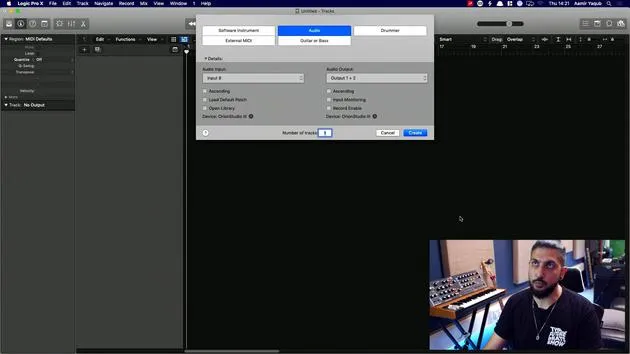
03. Starting up Logic and customizing the software
Free lesson4:55
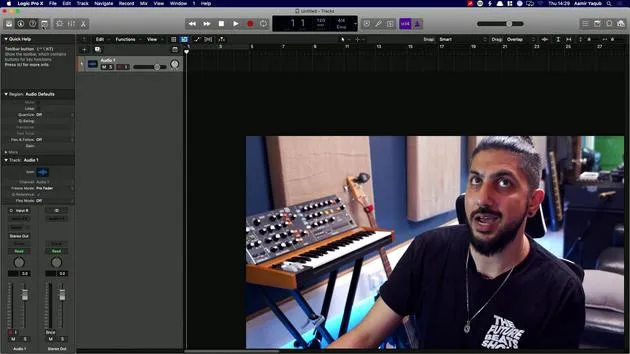
04. Control bar and display area
7:35
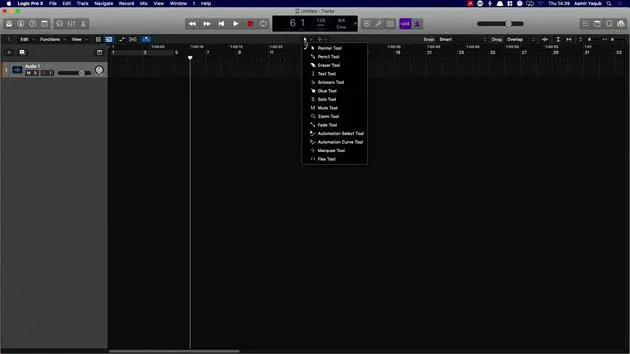
05. Workspace exploration - Ruler area
5:09
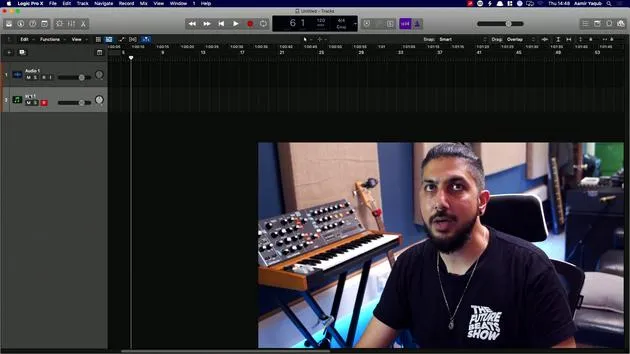
06. Track header area
7:35
07. Navigating your first sounds
7:51
08. Using Tracks and Regions
You are here4:44
09. Channel strips and plugins
4:35
10. Project properties, Saving, Templates
14:58
11. Working with Tracks
3:42
12. Working with Regions
8:11
13. Cutting, Looping, Cycling regions
11:04
Lesson transcript
Music Project Basics: Tracks and Regions
The basic building blocks and foundations of a project are your tracks and regions.
Understanding Tracks and Regions
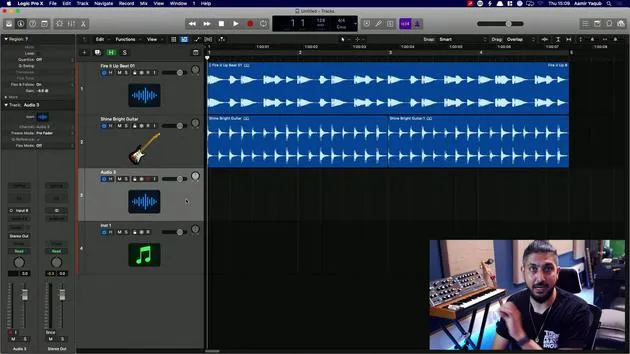
- The horizontal rows in the track header section represent your tracks.
- The regions populate these tracks with data.
Creating Tracks Quickly
One super handy thing that I like to do is quickly create tracks with shortcuts.
-
To create a new audio track:
- Press Option + Command + A.
-
To create a new software instrument track:
- Press Option + Command + S.
Given that I already have some audio tracks, I will get rid of the audio track that I just created. This can be done by clicking on the track header and pressing Delete. The track will then disappear.
If I want to create a new drummer track to add additional percussion, I can do the following:
- Click on New Tracks.
- A dialog box will appear similar to the one we had at the very beginning.
- Click on Drummer and select Percussion.
- Click on Create.
Opening the Library
I can also choose to open the library simultaneously by selecting Open Library. This opens the library when I click Create, allowing me to select my drummer and the patches I want. We'll explore this in more detail in a future lesson.
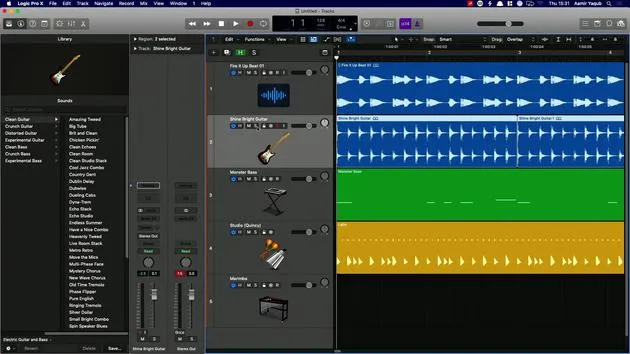
For now, I'll pick someone, this guy Quincy looks like a dude. I'll go for Take One as the patch and press play to see what Quincy has for us.
He's given us a little vibe, and I'm happy to roll with that.
Managing Your Tracks
Now, my screen is getting quite messy. To tidy things up:
- Press Y to hide some elements.
- Double-click in between the lines to remove unnecessary clutter.
Now, I have:
- Two audio tracks
- One software instrument track
- One drummer track
External MIDI Tracks
Another type of track you may need is an external MIDI track.
- This allows you to connect external MIDI instruments to your Logic sequencer and trigger sounds from within Logic.
- If you're working with external synths and hardware, you would need to create an external MIDI track.
Understanding Regions
Regions are the foundation of all the content you'll put into your song. For example, if my software instrument track, which doesn't have a region on it, was a bass track, I can pull up a bass patch from the library.
Auditioning Patches
- I'll audition a few different patches by clicking on them in the library.
- Once I find one I like, I'll lay down a simple part.
Doing this will create a new MIDI region, which triggers my software instrument. This data is adjustable.
Recording MIDI
Once I've selected my patch in the library and am happy with it, I can proceed to record using my MIDI keyboard controller:
- Press R to record.
- Get a quick count-in.
- Record the bass part.
Now, you can see that I have a region with MIDI data in it.
Summary of Regions
So now we have three types of regions:
- Audio regions (essentially Apple Loops)
- MIDI regions (the MIDI information I just recorded)
- Drummer regions
Each of these plays a crucial role in constructing your music project!
13 lessons
1h 23m of structured video lessons
Advanced video features
Slow down, loop a passage, follow along
Mobile, tablet & desktop
Practise wherever you are
100% satisfaction guarantee
30-day money-back guarantee
Meet your guru
Meet your guru
Aamir Yaqub is a music producer and engineer based in London. He has worked with some of the biggest names in music, including Alicia Keys, David Guetta, Rihanna, Sia and will.i.am, as well as developing independent artists.
Across his courses he teaches his complete Logic Pro workflow - from the interface and recording through beat-making, synthesis and MIDI effects to mixing and finishing a track.







