



Introduction to Creative Ensembles with Andrew Quartermain
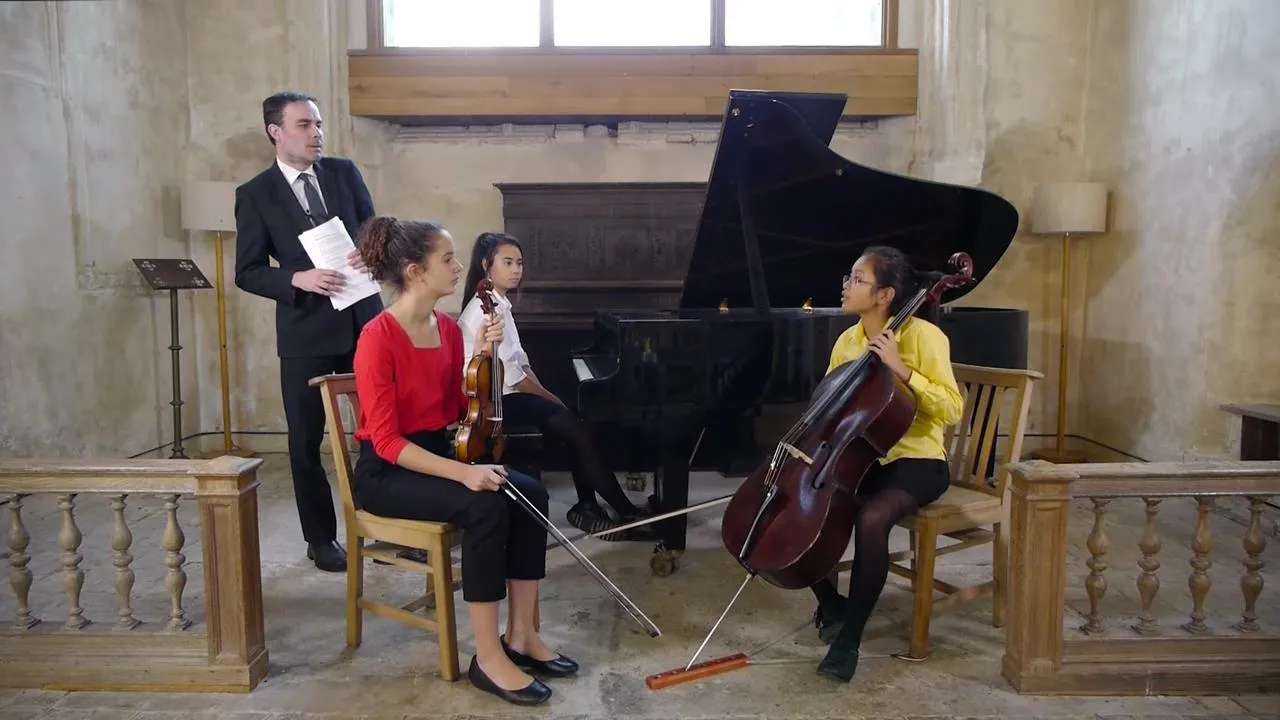
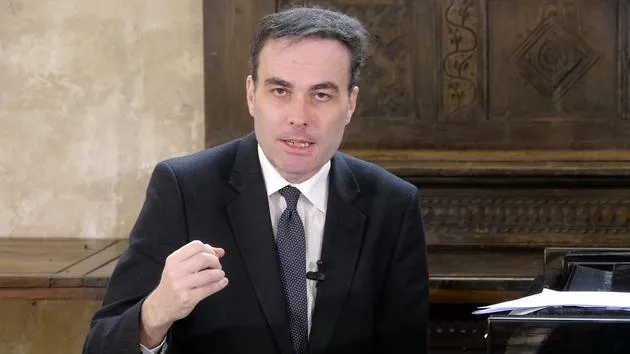
Andrew Quartermain of Pro Corda introduces this series for teachers on leading chamber groups - helping students make ensemble music together without a conductor, taking the initiative themselves.
What's in the course
8 lessons (0h 46m) · 1 free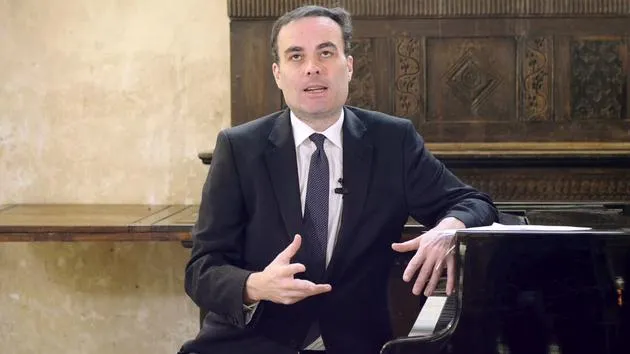
01. Introduction to Creative Ensembles with Andrew Quartermain
You are here4:44
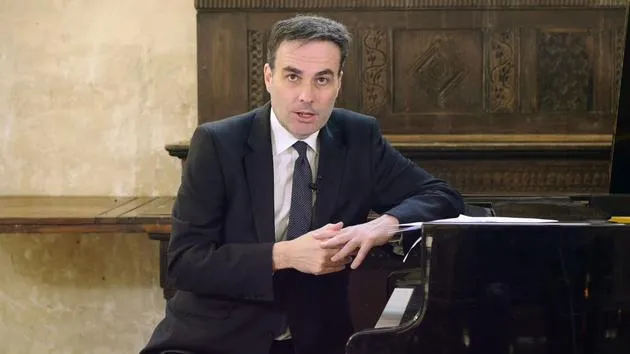
02. Tips for Teachers #1 - Getting going, using improvisation
Free lesson3:16
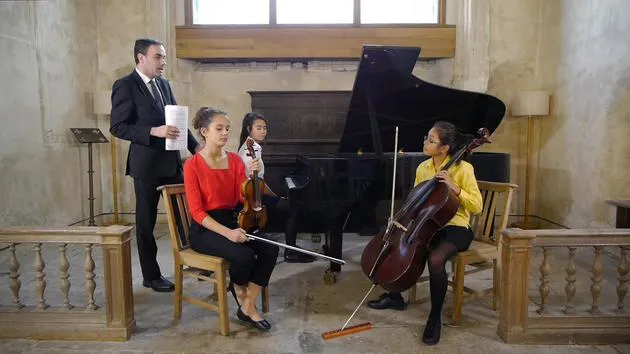
03. Exercise with students
7:36
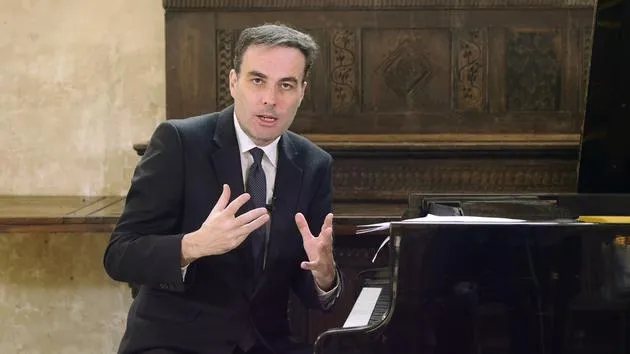
04. Tips for Teachers #2 - Adding interest
3:36
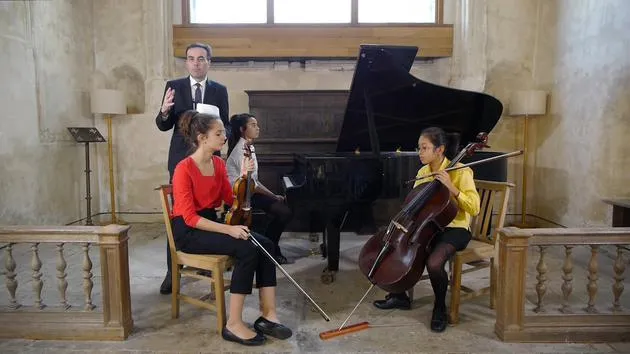
05. Exercise with students
7:49
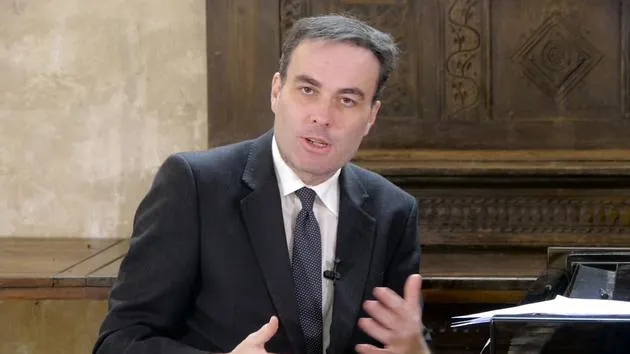
06. Tips for Teachers #3 - Responding to their needs
4:18
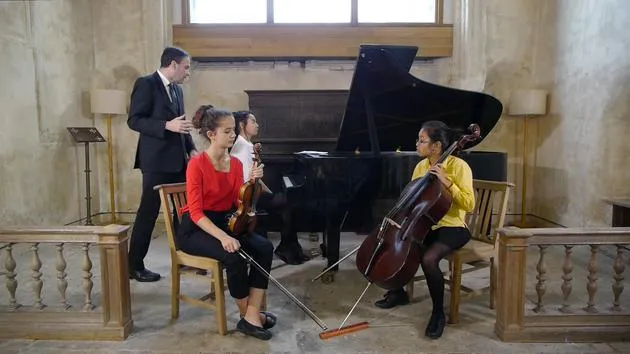
07. Exercise with Students
10:19
08. Tips for Teachers #4 - Overcoming writer's block
4:32
Lesson transcript
Growing a Small Ensemble: A Music Lesson with Andrew Quatermain
I'm Andrew Quatermain, chief executive of Procorda, the national chamber music school in the UK. We have students coming on our chamber music courses from across Europe and beyond.
Our Programs
We run a whole load of other educational programs throughout the country and here at our BASS at Leyston Abbey in Suffolk. These programs draw on the core educational principles of chamber music.
The Fascination of Ensemble Performance
What fascinates me is how we can use small ensemble performance without a conductor. This isn't solo music or orchestral playing; it's that area in between. Here's how we can use this as an incredibly diverse and dynamic teaching tool for musicians in general, fostering their development as human beings.
The Focus of this Film
This film is all about how to grow a small ensemble.
-
Your ensemble might consist of conventional groups of instrumentalists, such as:
- String Quartets
- Piano Trios
-
Alternatively, it could involve a mix of instruments like wind and brass, or instruments that come together without a great deal of repertoire written for them.
The Value of Musical Training
The crucial thing here is the musical training that happens when students perform together and experience musical performance without a conductor and away from a solo context.
- This focuses on:
- Performing Together
- Negotiating Together
- Being Spontaneous
Skills Development
The skills our students learn through this process are immense, not just as musicians, instrumentalists, and performers, but also as human beings.
- To play small ensemble music requires:
- Being both a team player and a leader in equal measure.
- Making creative decisions during rehearsals and performances.
These skills prepare students for adulthood and help them in their careers, whether in music or outside of it.
Overcoming Challenges in Small Ensemble Performance
One significant barrier to small ensembles in schools and music services is getting the ensemble going.
Reasons for Building an Ensemble
- There are numerous educational and practical reasons for initiating an ensemble:
- Shared Learning: This is a reality in music education, and it's wonderful to have that shared learning in a creative way without students simply doubling parts.
Addressing Repertoire Limitations
A considerable challenge in small ensemble performance is the availability of repertoire.
- When starting a term at a school:
- If you give students new repertoire, it often takes three to four weeks to learn individually.
- This leads to the ensemble reverting back to solo learning, as students leave to learn their parts.
Capturing the Magic of the First Session
This film aims to capture that moment in the first session with the group to create something magical.
- In as little as a half-hour session, we want to have young musicians performing together as ensemble musicians while developing all the skills mentioned.
Exploring Group Improvisation
We will develop ensemble skills through improvisation, specifically focusing on group improvisation.
Leading Sessions Effectively
The skills we will explore in this film will include:
- How to lead these sessions.
- How to support students so that they can create ensemble music together without a conductor, relying on their own initiative every step of the way.
8 lessons
0h 46m of structured video lessons
Advanced video features
Slow down, loop a passage, follow along
Mobile, tablet & desktop
Practise wherever you are
100% satisfaction guarantee
30-day money-back guarantee







