Diatonic Triads

With
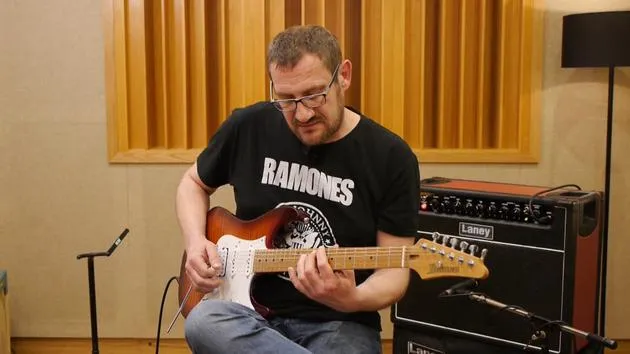
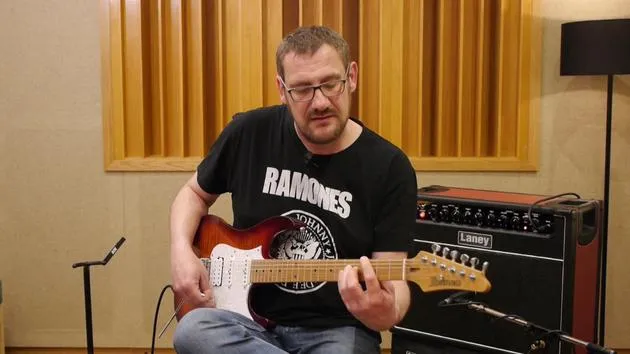
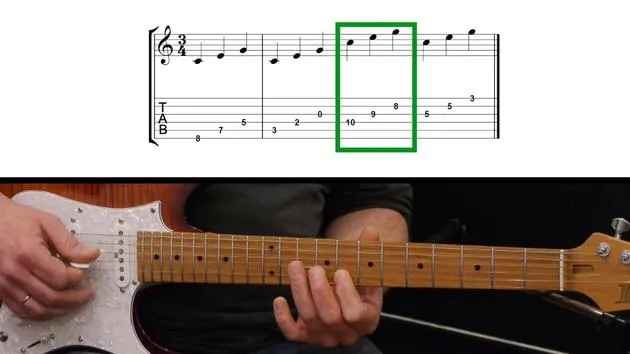
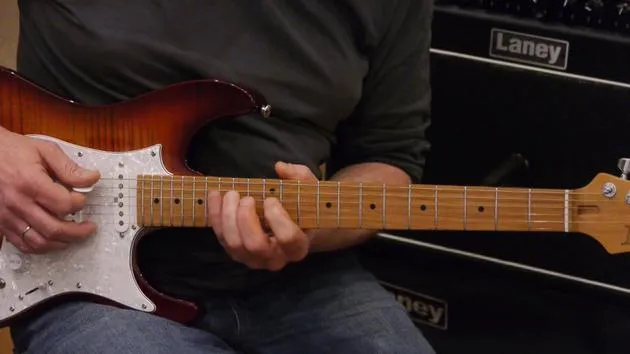
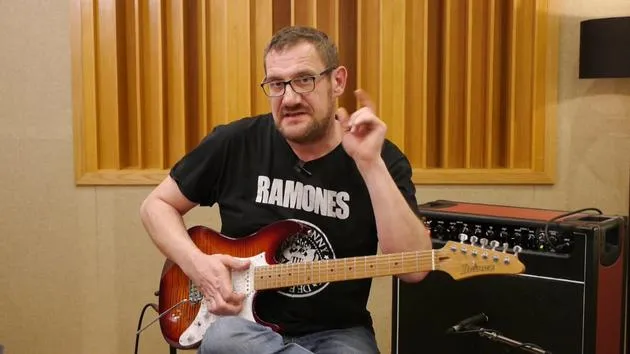
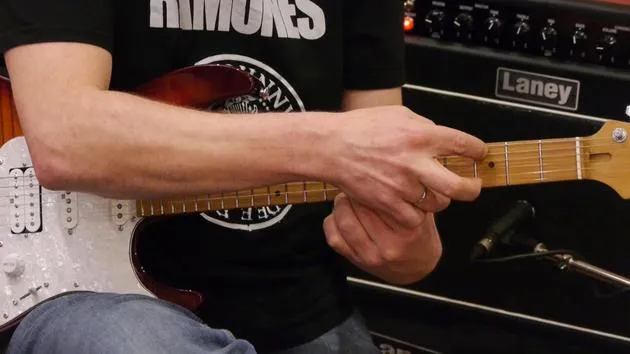
Frank DollFrank Doll explains diatonic triads — how a triad can be built on each degree of a scale, and which ones they are.
What's in the course
18 lessons (2h 13m) · 1 free
Lesson transcript
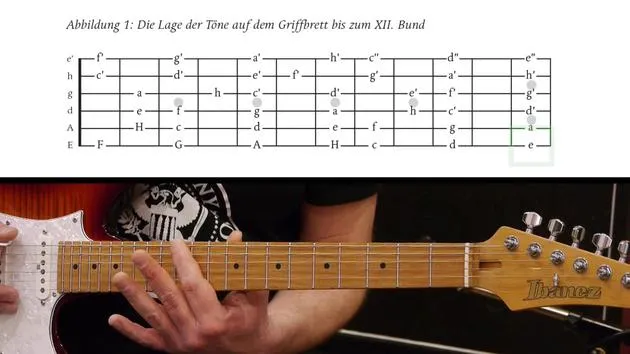
Musikunterricht: Die Tonarten und ihre Beziehungen
Der Ton E auf der Staffel F der Fertigkeiten wird im Draglong aufgebaut.
Grundlagen der TTripletne
- Der Frc Summit ist der Schweder in der Dual Drei-Liang.
- Der Ton G des Films via Koenigsegg wird aufgestellt.
?berg?nge zwischen den TTripletnen
- Die Zwei Steine aften unfton:
- Mol a Kuade
- A Helstu afden dritten Sexton Ton
- Undragliang a Helsto von dim Sipton.
Die Struktur der TTripletne
- Der es de fierte und filmfte Sugnanate:
- Du Stuff in der klassischen ist die Distikadenztufe
- Ist der F E stuffinante subdominante und gemstuffe, die dominantes Avenue Armor.
Weitere Beziehungen
- Nach Sexton, halb im Denken nach Siebenstuve, und last but not least nach Ochten.
- Oder leichte Estenstuve wieder zidu amol harfamindat sidweb mole.
Schlussfolgerungen
- Bitsungs Resident in jeder Tonart.
- Die Dear Belief des Passagiers.
- Der beginner Ton ist leichter auf Set.
- Sedandi und Sprechenton akkordiert bei Suain.
18 lessons
2h 13m of structured video lessons
Advanced video features
Slow down, loop a passage, follow along
Mobile, tablet & desktop
Practise wherever you are
100% satisfaction guarantee
30-day money-back guarantee
Meet your guru
Meet your guru
Frank Doll, born in 1972, studied at the Music College Regensburg before reading musicology, German and linguistics at the University of Regensburg. Drawn back to the guitar, he went on to train at the Munich Guitar Institute (MGI). He has worked as an instrumental teacher since 1998, alongside countless performances at home and abroad across rock, pop, musical theatre and light music. He currently teaches in the music stream at the Edith-Stein-Realschule in Parsberg and has run the Musikwerkstatt Frauenberg since 2006. On MusicGurus his German-language Griffbrett Theorie courses map the guitar fretboard systematically - intervals, chord shapes, modal positions and applied theory - for players who want to understand the neck, not just memorise shapes.