



Artificial Feedback
With
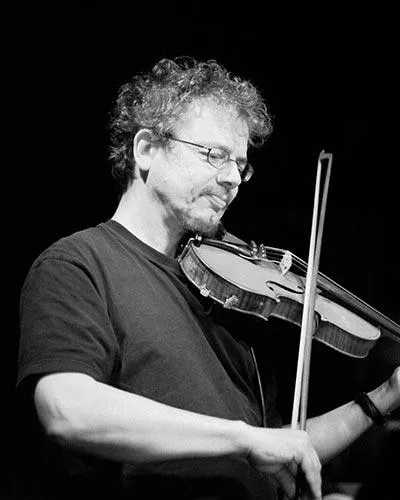
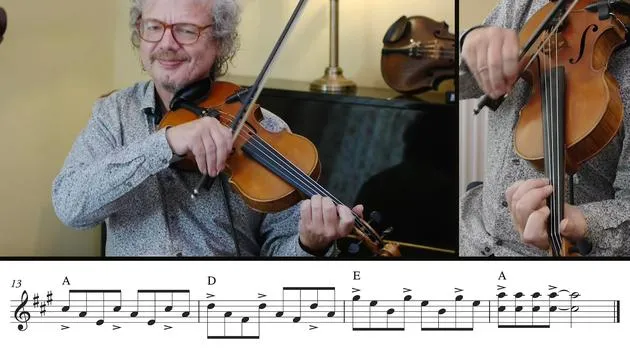
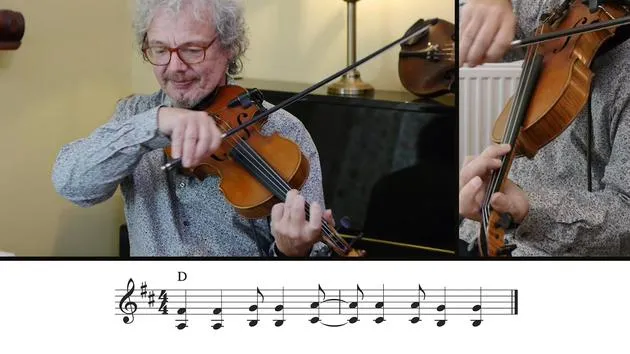
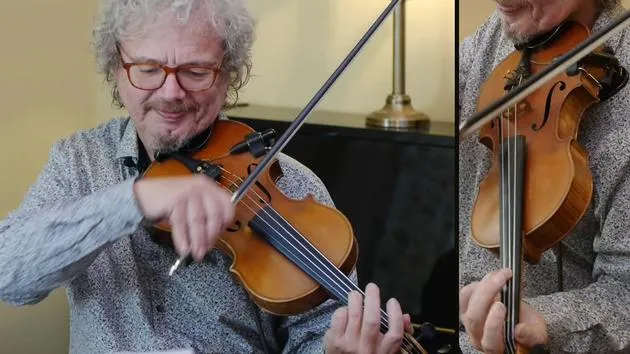
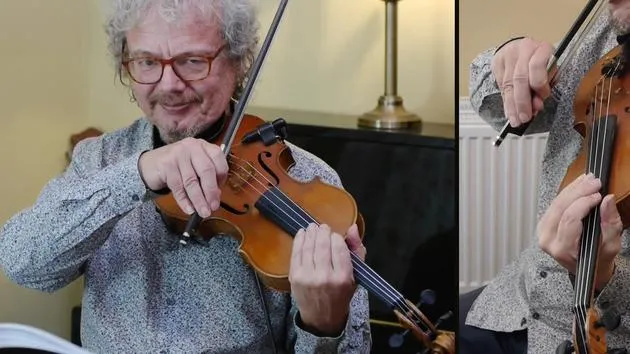
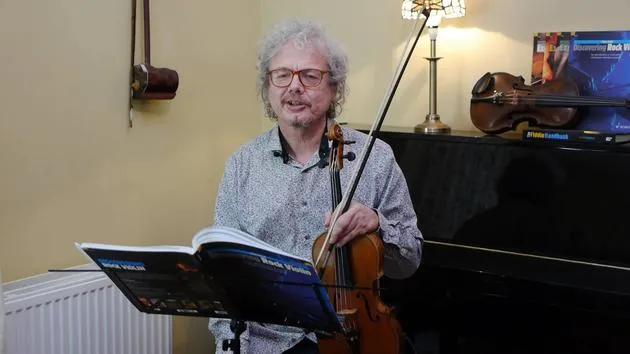
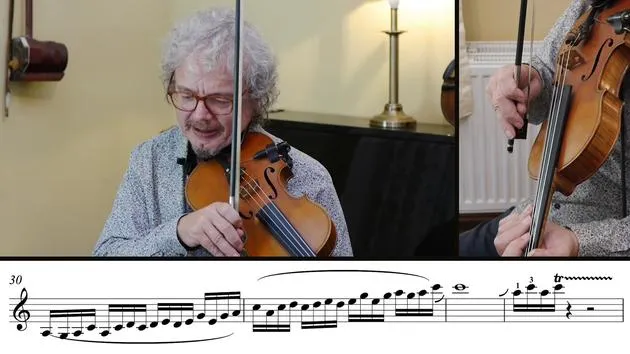
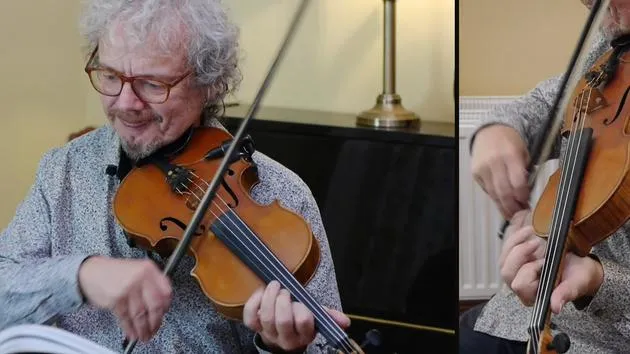
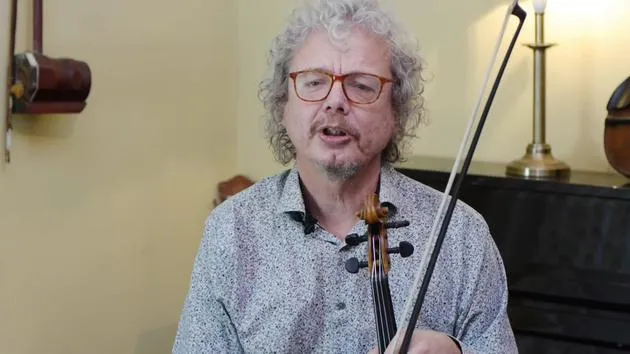
Chris HaighChris Haigh shows you how to fake overdriven 'artificial feedback' on the violin - pressing the bow hard up by the bridge to dirty up a clean note for a rock sound.
© 2011 Schott Music Ltd, London
What's in the course
28 lessons (2h 28m) · 1 free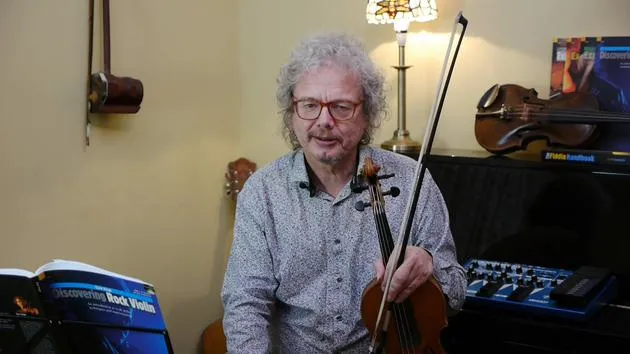
Lesson transcript
Violin Special Effects Lesson
Introduction
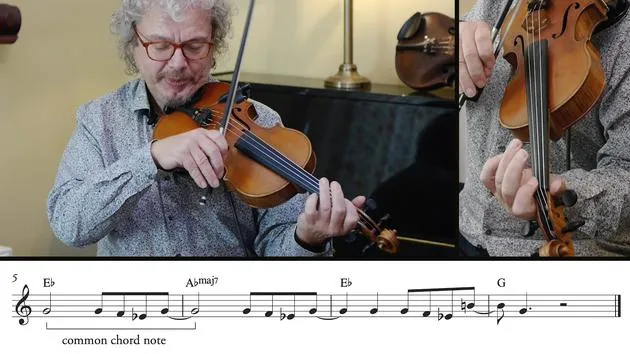
Hi! In this lesson, we're going to look at some interesting special effects on the violin. These are not electric special effects, rather, they sound a bit like electric special effects. One of the most interesting, important, and useful effects I call "artificial feedback."
Artificial Feedback
With a perfectly clean violin sound, we're going to make it sound "dirty." The effect we're looking at resembles the sound of overdriven guitars or a rusty old saxophone, which is something we often want in rock violin. The goal isn't to sound like a lost classical violinist but rather an actual rock violinist who believes in what he's doing.
Achieving the Effect
-
Positioning the Bow
- Take a single note.
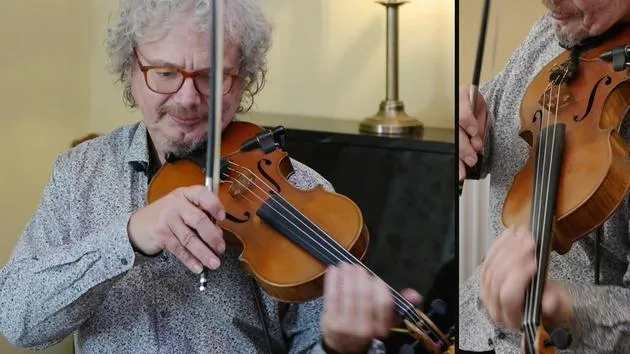
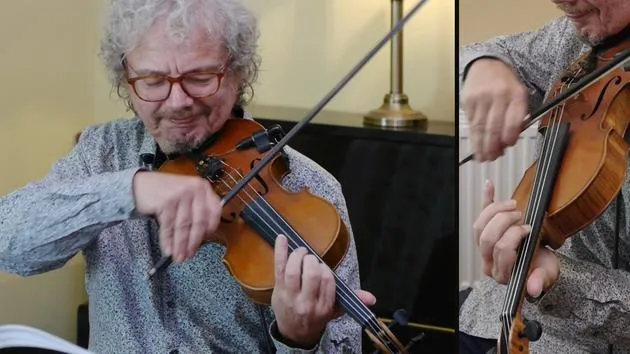
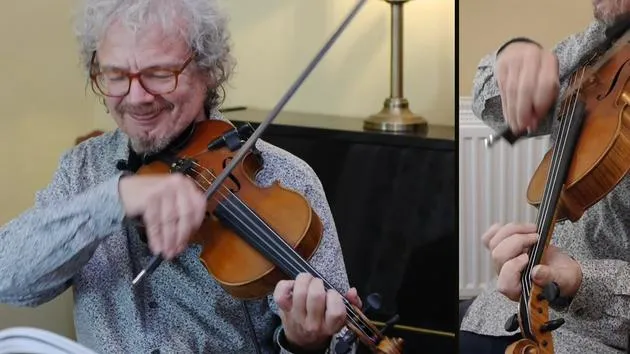
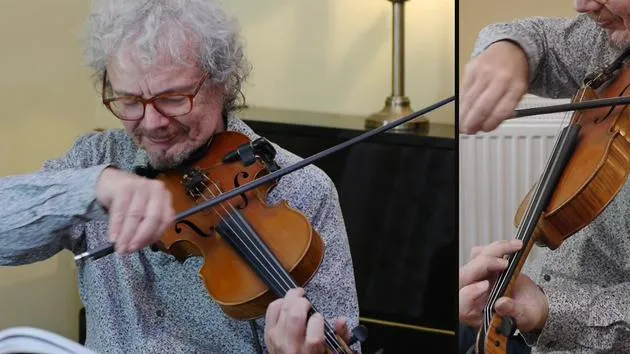
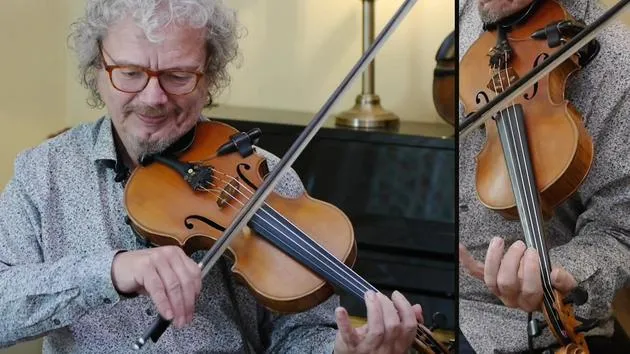
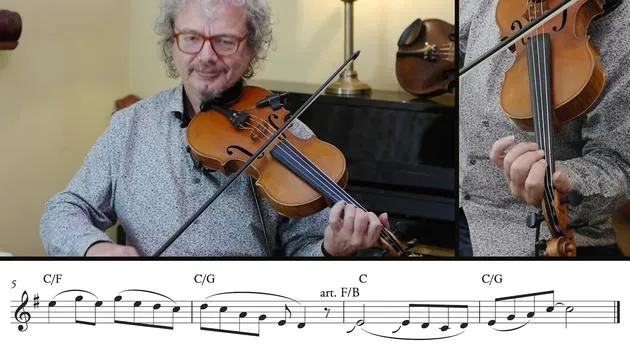
- Bring your bow right up to the bridge and press down hard to create some unpleasant sounds. While this method is easy, it's the least pleasant.
- Instead, keep the bow in the normal position but lessen the downward pressure.
-
Loosen the Bow Pressure
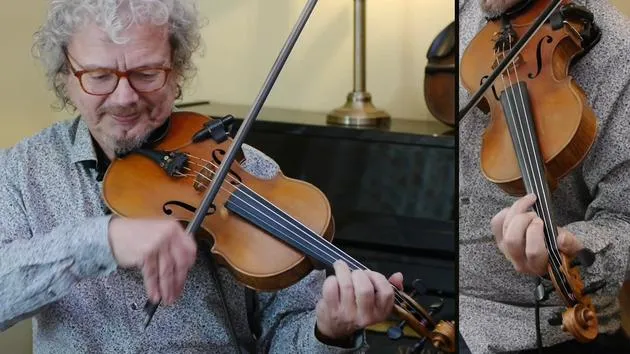
- Reducing the bow pressure allows higher harmonics to come through.
- Increase the speed of the bow to hear a variety of notes from a single note.
-
Adjusting Left-Hand Pressure
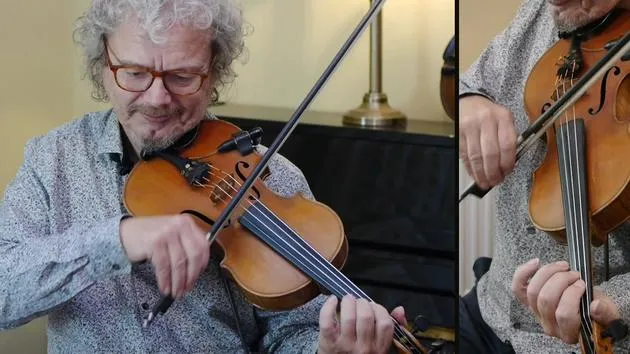
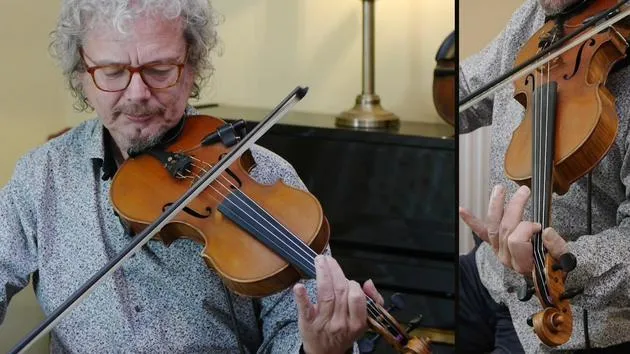
- Lower the pressure of your left hand to produce a clean harmonic.
- Experimenting with all these different techniques will yield many varied effects.
Demonstration
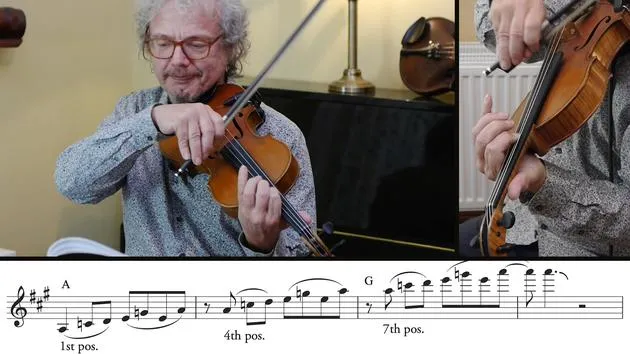
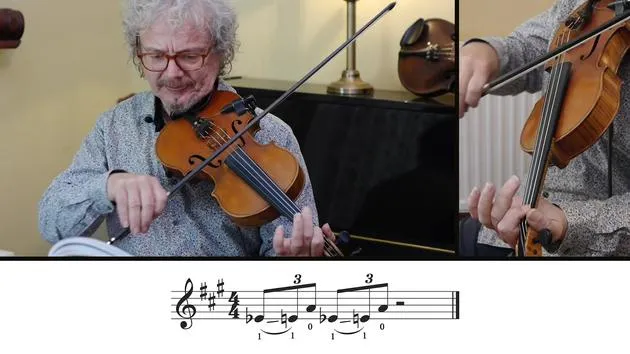
Let's go to an E. It may sound as if you're using some special effects, but it's all literally at your fingertips.
This technique works very well in combination with:
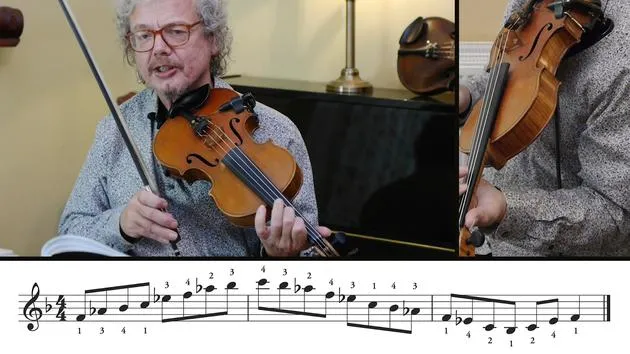
- A trill (especially a third finger trill)
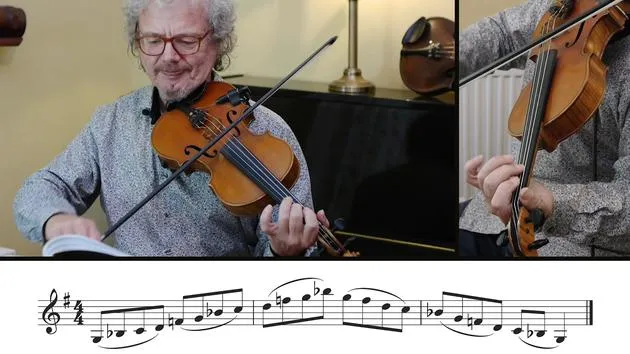
- A minor blues scale
Tip: You can impress people with this technique, and it might take only a few hours or days to master it.
Final Ideas
The ideal goal is to play a note and end with a clean harmonic, which is beneficial in blues solos. Sugarcane Harris often exemplified this technique at the end of his solos.
Soft Harmonics
Not all false harmonics require a loud or aggressive sound. They can also be used softly and gently:
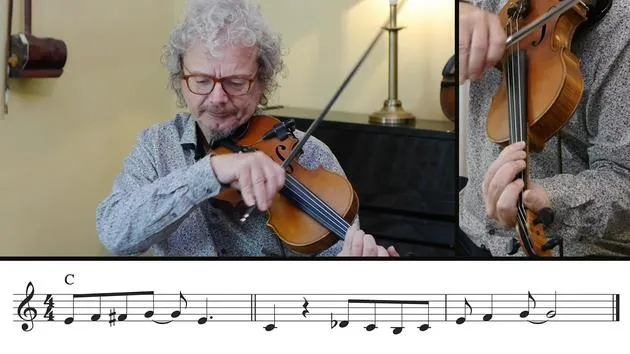
- For an example, listen to Van Morrison's album "Into the Mystic," featuring a viola solo by Tony Marcus that utilizes lovely soft harmonics.
Additional Effects
-
Pick Slide
- Explained to me by the violinist Rachel Barton Pine, this effect involves scraping the finger down the length of the string.
- Do not press the finger all the way down, which creates a noisy and textured effect.
-
Wide Vibrato
- This technique comes from guitarists, involving bending the string up and down.
- On the violin, achieve this through an extreme vibrato while reducing finger pressure to create a "half note." Use this at the end of a phrase or solo, but be cautious not to overuse it.
Assignment
Your assignment for this lesson is to spend as long as it takes to gain confidence with the artificial feedback technique.
Focus Points:
- Downward pressure
- Bow movement
- Left-hand pressure
Goal: Aim to produce a clean harmonic by reducing the pressure on your left hand. Use backing for the soft chord sequence, trying out soft harmonics on that piece, and incorporating your own improvisation.
Enjoy exploring these effects, and happy practicing!
28 lessons
2h 28m of structured video lessons
Advanced video features
Slow down, loop a passage, follow along
Mobile, tablet & desktop
Practise wherever you are
100% satisfaction guarantee
30-day money-back guarantee
Meet your guru
Meet your guru
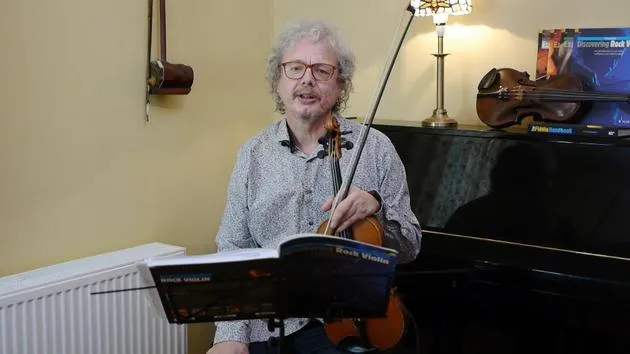
Chris Haigh has been a professional fiddle player for 25 years, with experience covering many different genres. He has played on over 75 albums, working with artists including Alison Moyet, Bob Geldof, All About Eve, Michael Ball, David Soul, Oumou Sangare, The Quireboys, Riverdance, Morcheeba, James Galway and Steps.
He has played swing jazz with The Kimbara Brothers, Diz Disley, Le Jazz, The Hot Club of London, and the Quecumbar Allstars, and leads a 7-piece Soviet swing band, The Kremlinaires.
Chris gives lessons and workshops on jazz violin technique and has taught jazz violin at Middlesex, Brunel and Newcastle universities and Truro College. His writing credits include nine fiddle books, among them The Fiddle Handbook.
He also runs Fiddling Around (fiddlingaround.co.uk), probably the most comprehensive and widely visited source of fiddle information on the web.







