



Get Off
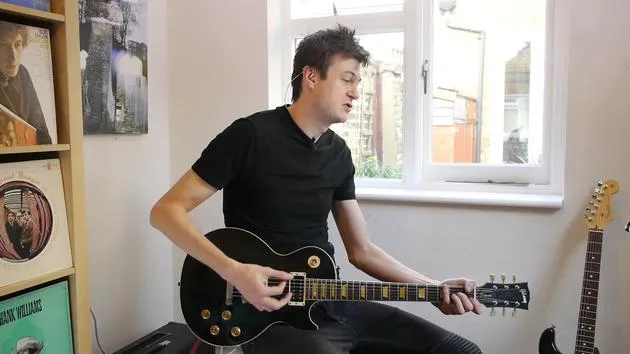
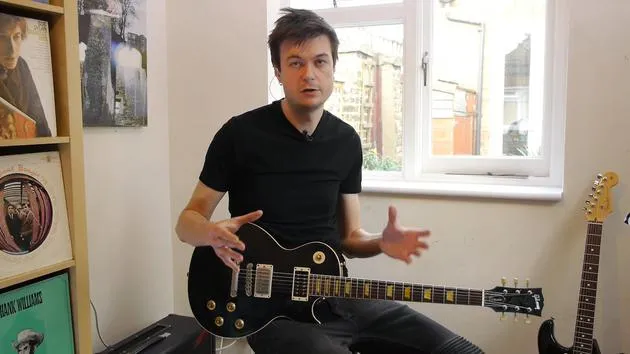
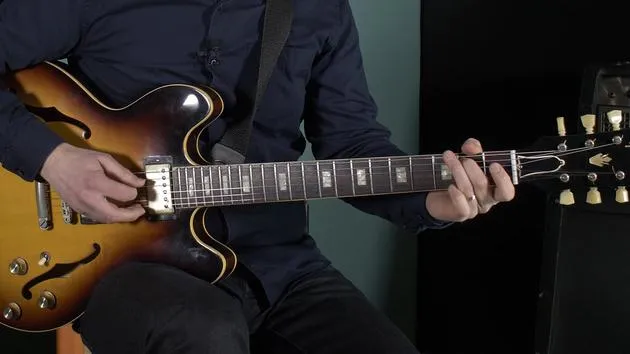
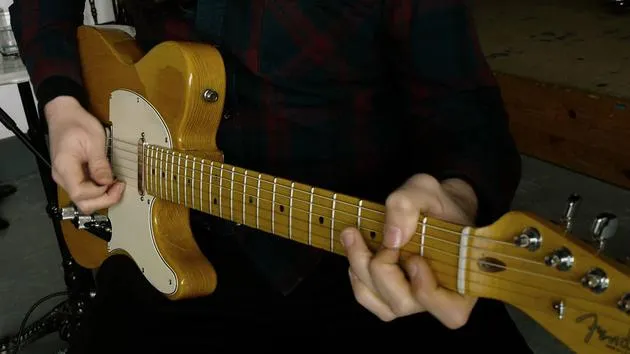
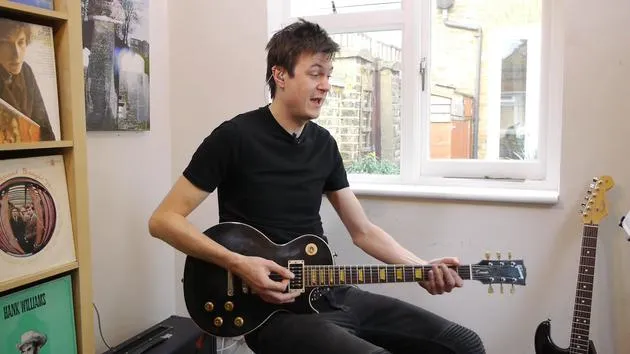
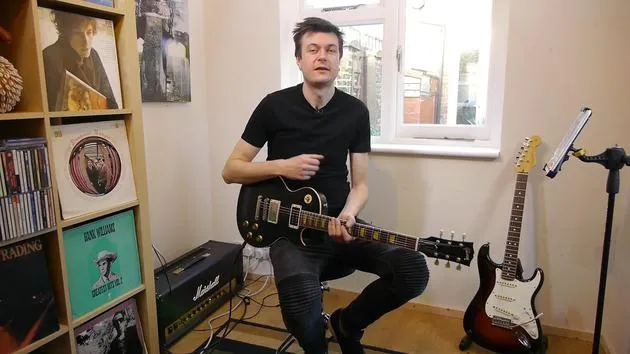
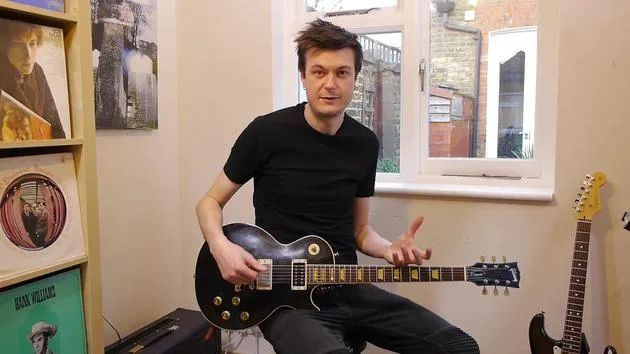
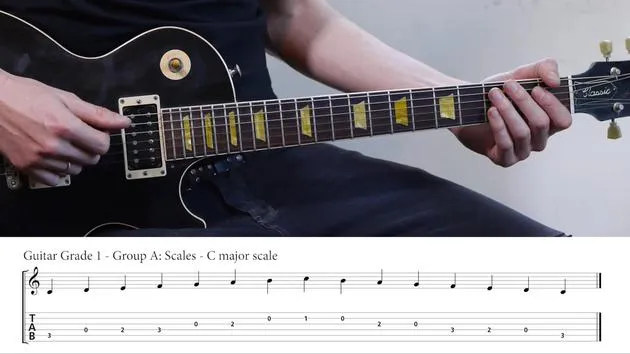
James Barratt décortique le morceau indie de Grade 1 « Get Off », de l'obtention d'un son agressif mais réactif aux enchaînements d'accords La mineur, Ré mineur et Mi mineur.

Le contenu du cours
38 leçons (2h 32min) · 1 gratuites
01. Introduction aux approches de l'improvisation
1:00
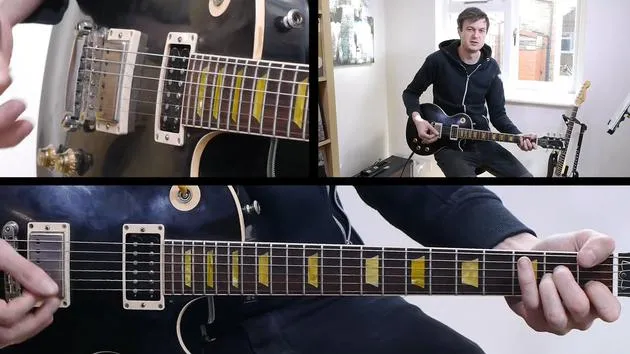
02. Se lancer dans l'improvisation
9:22
03. Improviser à partir des notes de l'accord
10:18
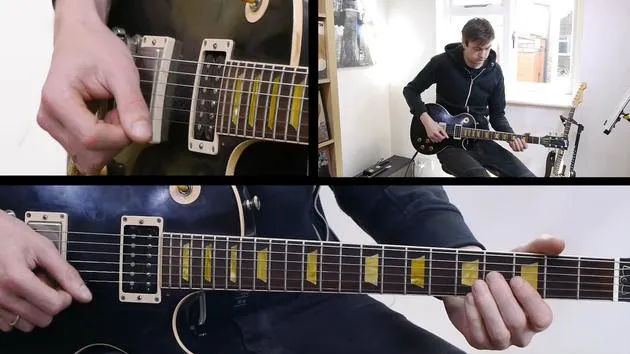
04. Exercice à faire : Trouver les notes de l'accord
4:05
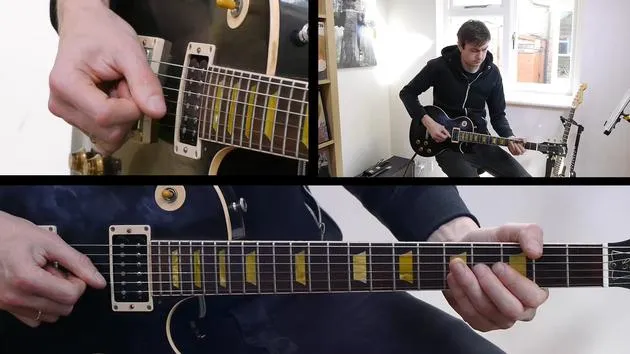
05. Ajouter de l'intérêt rythmique à tes solos
4:11
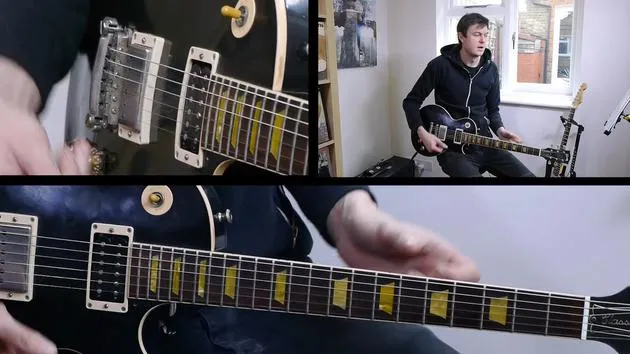
06. Exercice : Improviser sur un changement d'accord
2:52
07. Défi : Envoie ton impro
0:24
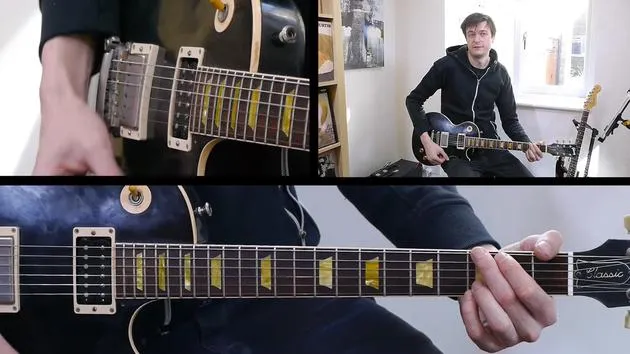
08. Improvisation rythmique et comping
9:55
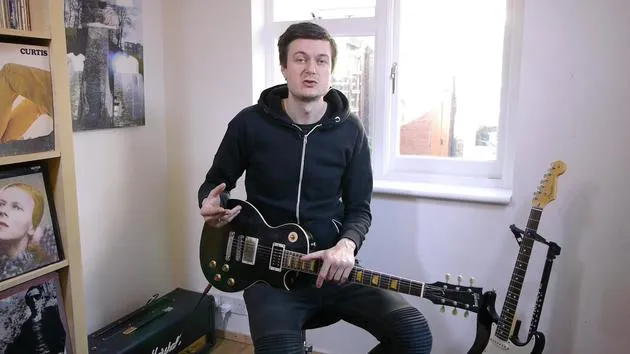
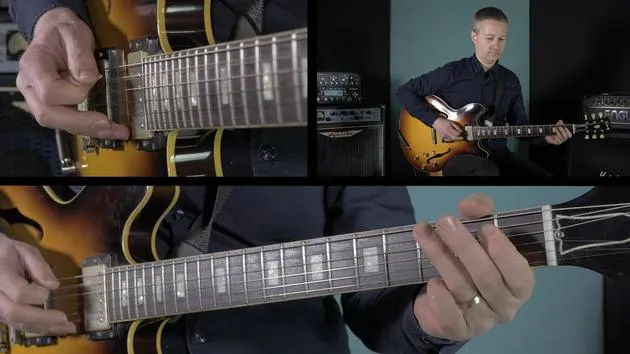
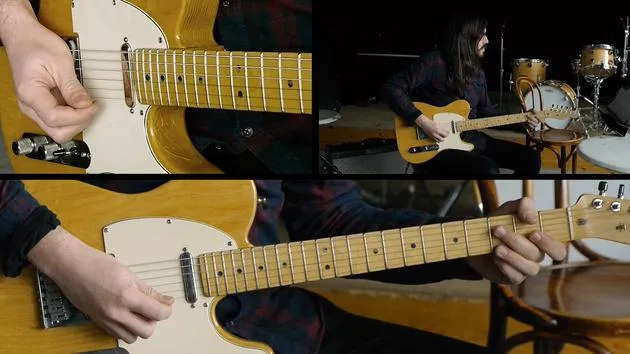
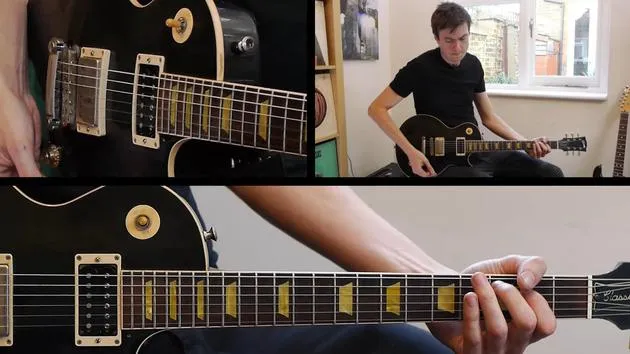
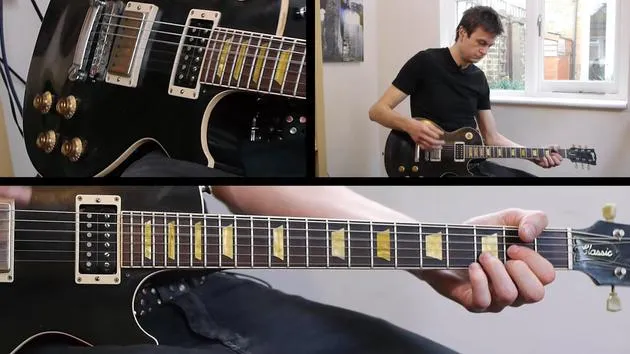

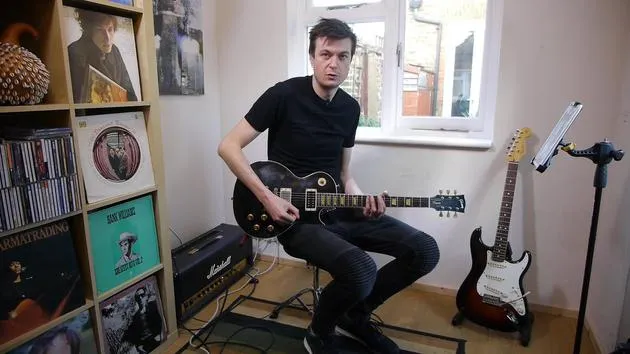
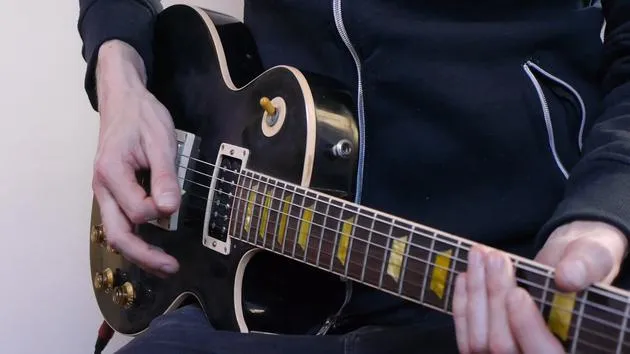
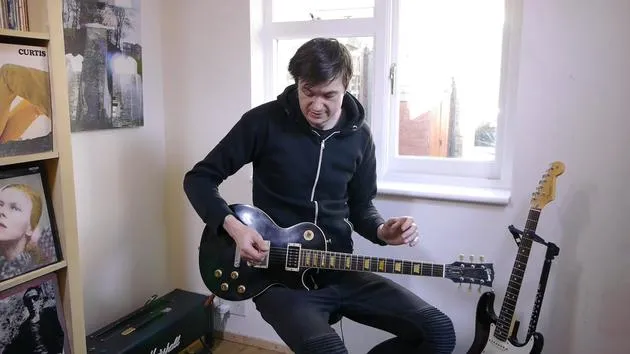
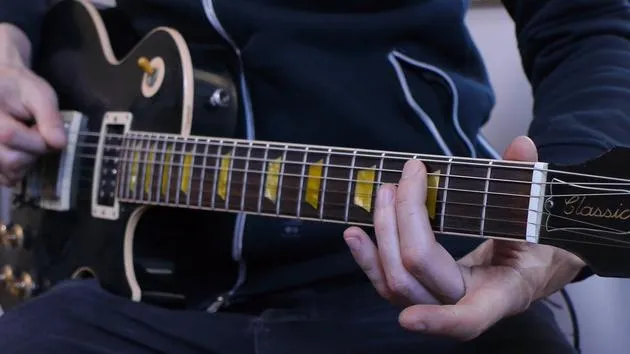
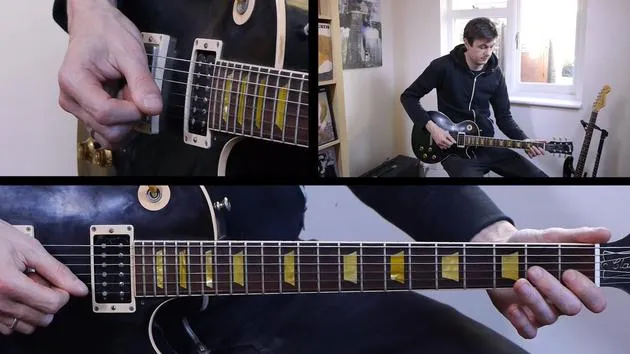
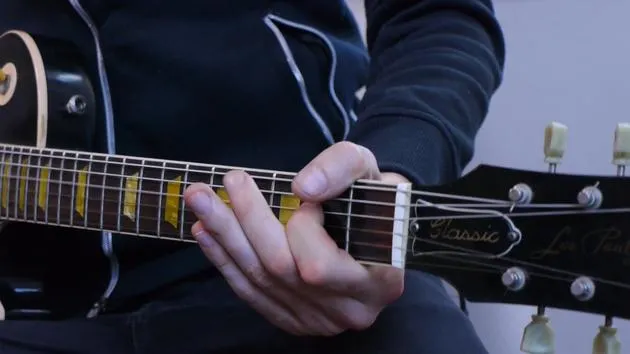
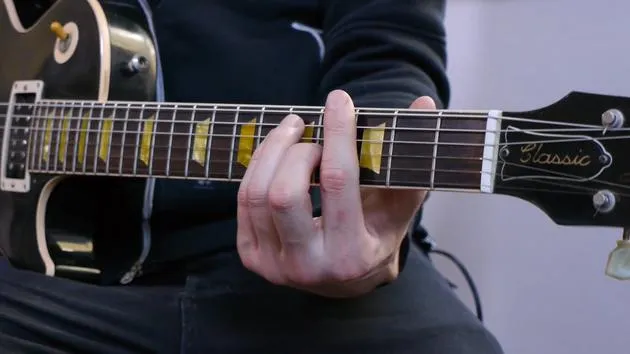
Transcription de la leçon
Grade One Guitar Lesson: Indie Track Breakdown
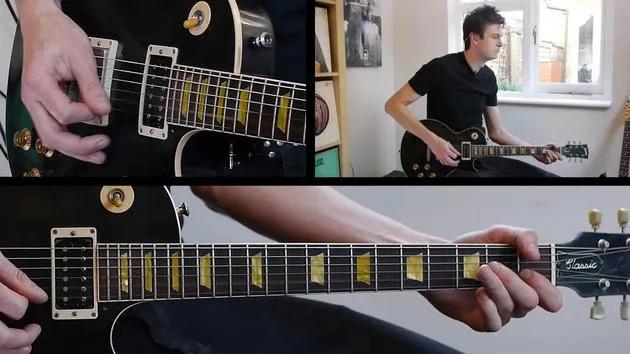
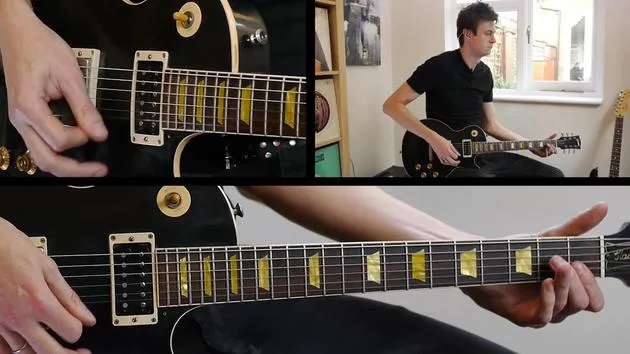
Hey, guys! Let's check out in a little bit more detail how to approach Grade One Guitar for this indie track.
Tonal Approach
- We're looking for a sound that is quite aggressive.
- Avoid cranking the gain all the way up; instead, aim for a nice and responsive tone.
- When you hit hard with the right hand, it should sound rocking.
- Softening your playing will lead to a reduction in both volume and gain.
Section Breakdown
Opening: Strong Chords
- Chords: A minor to D minor.
- You can either:
- Strike the A minor evenly.
- Build into it for a crescendo effect.
Important: Ensure to hit the D minor and E minor chords hard, especially where indicated by the accent symbol (greater than sign) in the score.
Section B: Single Note Riff
- Approach Options:
- Play it exactly as written with no muting.
- Pay attention to the staccato marking on the seventh note (open D string in bar five).
- This means play that note shorter than normal.
Example:
-
Norm: 2, 3, 4 (eighth notes)
-
Staccato: 2, 3, 4 (cut short)
-
Consider experimenting with staccato to avoid overemphasizing it, as it might sound stunted.
-
Employing a slight amount of palm muting can provide a stylistic touch.
- Just touch the strings lightly with your palm near the bridge for a muted sound.
Section C: Chorus
- Chords: Strong open chords, played confidently.
- Strumming:
- Option for even downstrokes (aggressive).
- Alternatively, apply a strum pattern: down, down, down, up, down, up.
Tip: Being able to switch between different strumming techniques is beneficial as you progress.
Section D: Melodic Section
- Utilize staccato effectively, especially in Bar 25 where the second note of each pair should be staccato.
- Lock this in tight with the backing track for a cohesive sound.
Conclusion: Ending Strong
- Return to the opening riff for the closing; accent those A minor chords.
- Consider using the volume control on your guitar to create silence at the end, especially with gainy settings.
- This can give a professional finish with any reverb or delay decaying naturally.
Pro Tip: After a power chord hit, sliding off while rolling off the volume creates a polished sound.
Final Thoughts
I hope you find this breakdown useful! Remember to:
- Break it down into sections.
- Keep it slow with a metronome, gradually building speed.
- Start gluing the parts together for a cohesive performance piece.
Best of luck, it's a great song! Enjoy!
38 leçons
2h 32m de leçons vidéo structurées
Fonctions vidéo avancées
Ralentissez, bouclez un passage, suivez la partition
Mobile, tablette et ordinateur
Pratiquez où vous voulez
Satisfaction garantie à 100 %
Garantie remboursement 30 jours







