



Conseils technique (premiers grades)
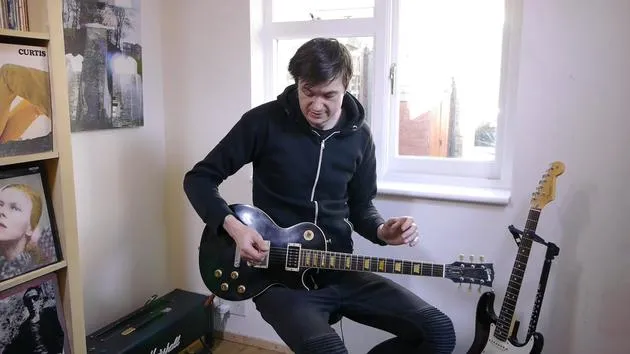
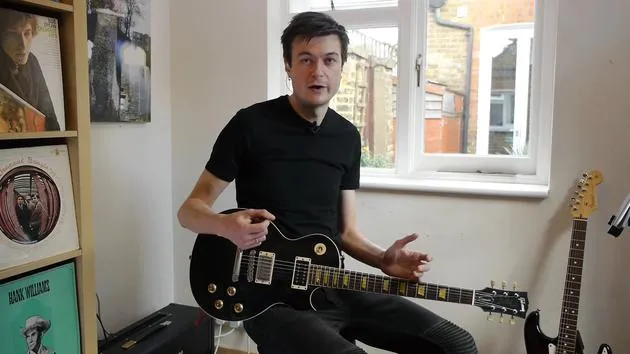
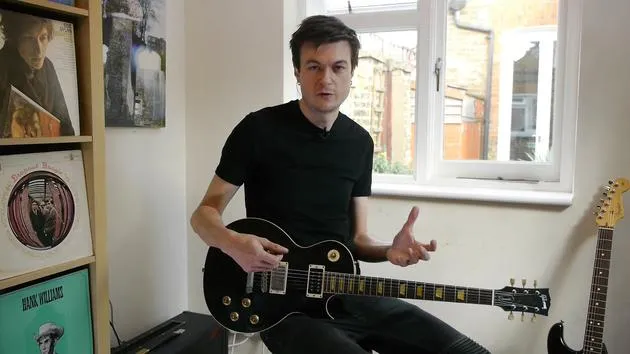
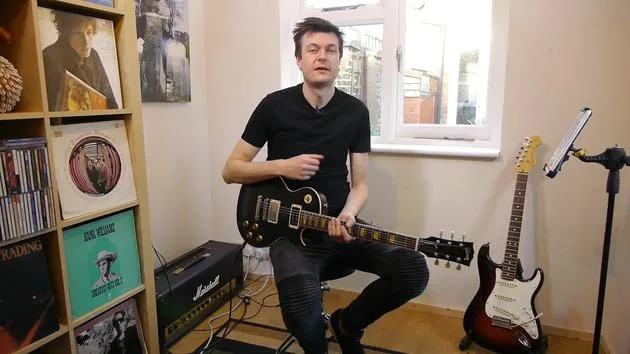
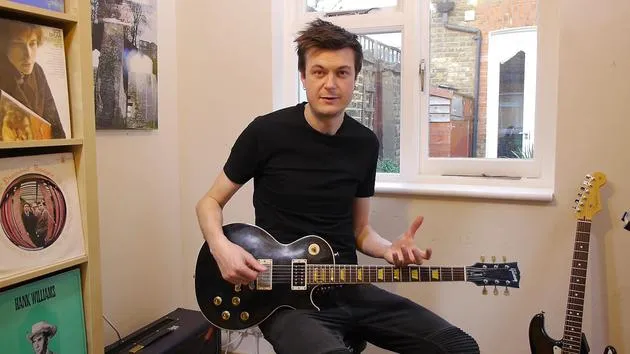
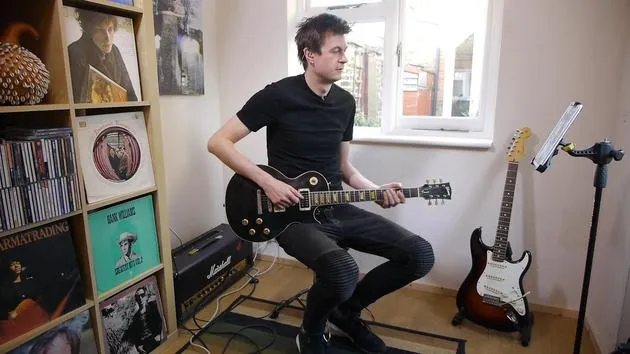
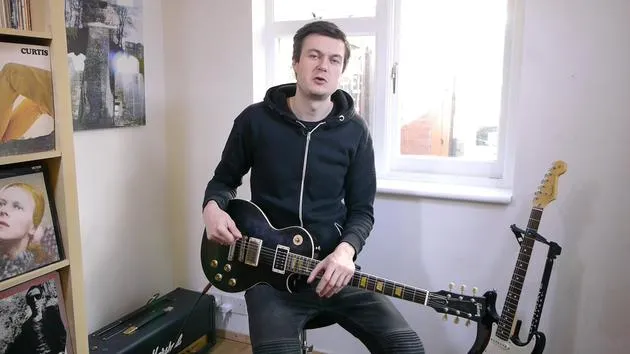
Le guitariste James Barratt partage des conseils technique pour les premiers grades : rester détendu et n'appliquer que la pression nécessaire à chaque note de la main gauche.

Le contenu du cours
29 leçons (1h 29min) · 1 gratuites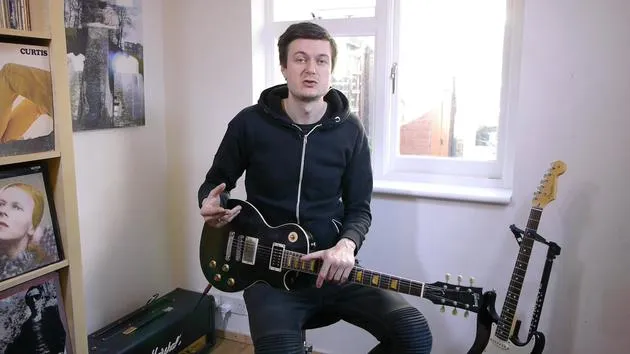
Transcription de la leçon
Introduction to Technical Exercises
Hey, guys.
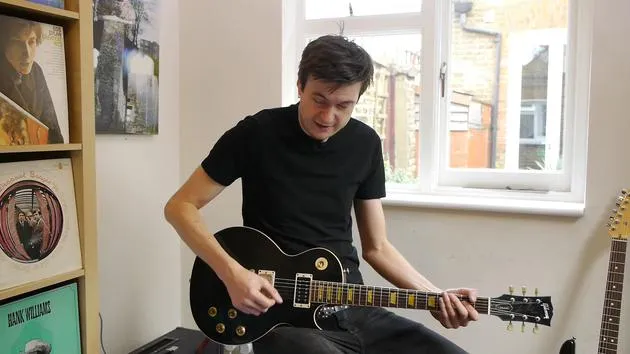
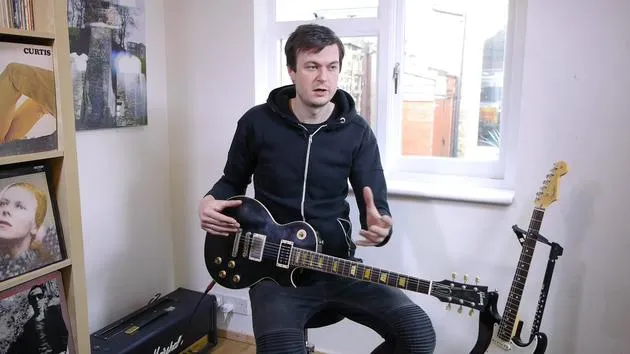
Before we dive into the specific technical exercises for level one, I want to discuss a few important techniques and considerations to keep in mind while playing.
Relaxation is Key
The first thing to remember, whether you're working on scales or a piece, is to relax.
- It's easy to tense up your shoulders, neck, arms, wrists, and fingers when concentrating.
- Tension wastes energy, so be aware of it.
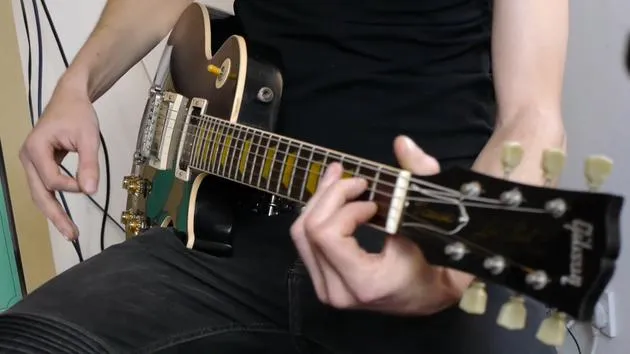
You'll typically notice tension in your fingers. If you see deep lines on your fingers after playing, it's likely you've been exerting too much force on the fretboard.
A Tip on Pressure
It's amazing how little pressure you actually need to apply.
- Experiment by picking any note on the guitar.
- For example, let's pick the seventh fret on the G string.
- Rest your finger on that string without pressing down.
- Begin picking; at this point, the sound is muted as you're just touching it.
- Gradually push down harder until you hear the desired note.
Result: The note should come out with very light pressure.
On a scale of 1 to 10:
- 10 is pushing down as hard as you can.
- 1 is feather-light pressure.
- For me, what I just did would be about a 3.
Practice Light Fretting
When practicing, try fretting a bit lighter than usual, you'll be amazed at what you can get away with. This light approach helps reduce tension while playing.
Fret Positioning
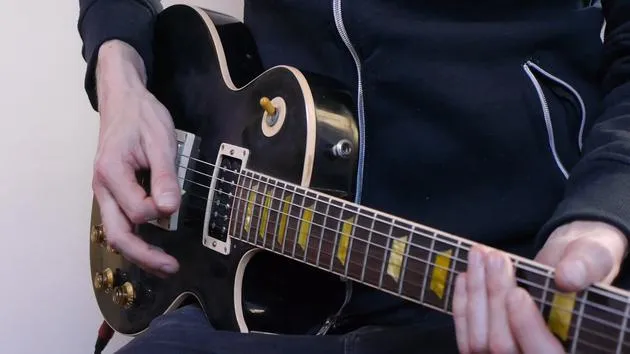
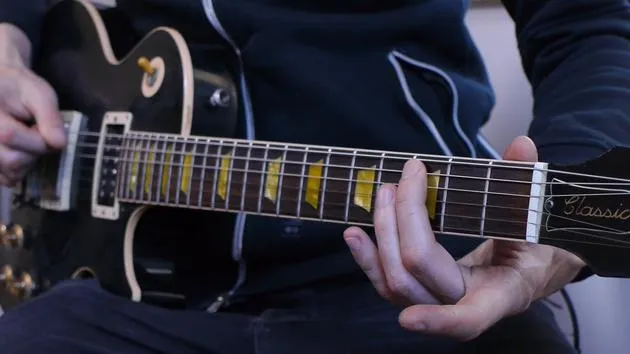
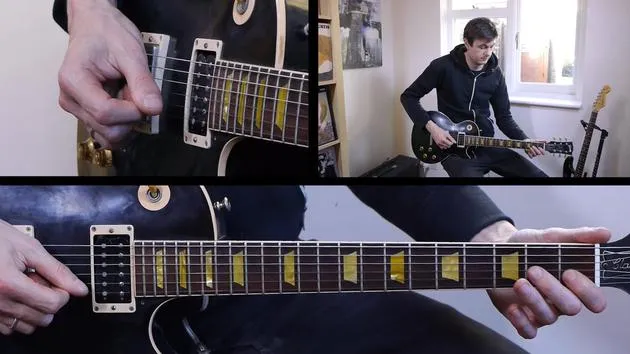
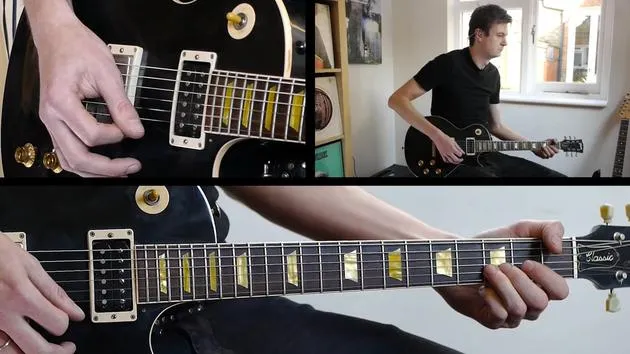
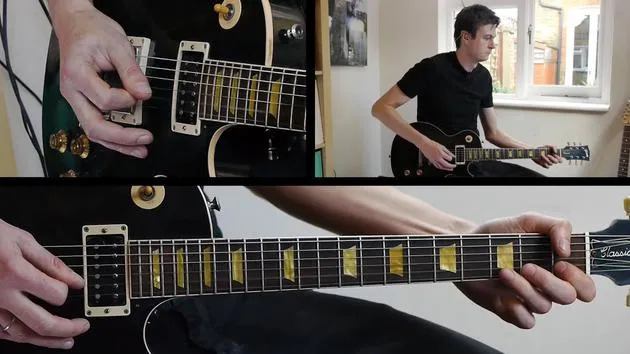
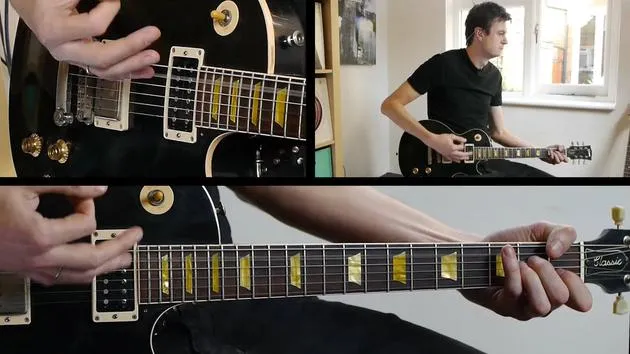
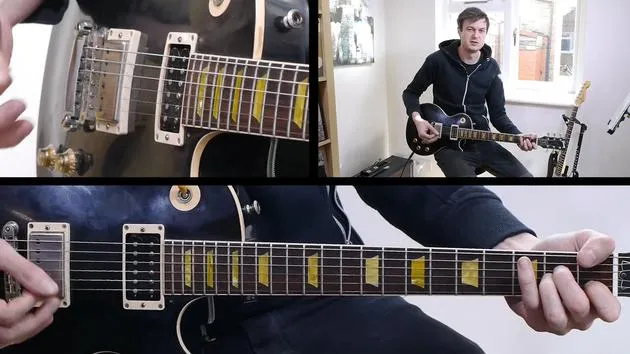
Next, let's focus on getting your finger positioned correctly within the fret.
- For demonstration, let's go down to the third fret on the G string.
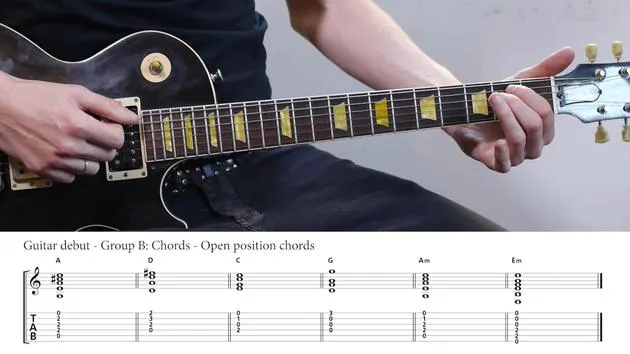
If I ask you to play the third fret on the G string, you can position your finger anywhere within this area:
- The best placement is right up against the metal of the fret (not on top, but just the other side).
- This requires the least amount of pressure for the best tone.
Avoiding Buzz
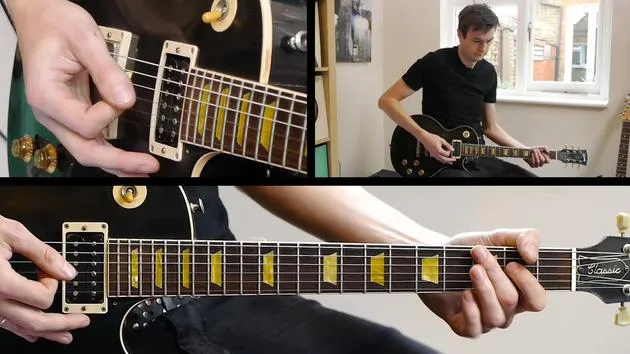
If you position your finger towards the back of the fret:
- You'll have to work harder to get the tone.
- If you apply the same pressure, you might hear a very buzzy sound, which isn't ideal.
Best Practices
Always aim to fret right into the front of the frets for a lovely sound. For example, when playing a C major scale:
- Start right in the fret (not back).
- If fretting back, you'll start with a bad tone.
- Fretting directly on top of the metal will lead to a muted sound.
Conclusion
To summarize, always fret nice and into the front of the frets to achieve the best sound.
With that in mind, let's take a look at the technical exercises themselves.
29 leçons
1h 29m de leçons vidéo structurées
Fonctions vidéo avancées
Ralentissez, bouclez un passage, suivez la partition
Mobile, tablette et ordinateur
Pratiquez où vous voulez
Satisfaction garantie à 100 %
Garantie remboursement 30 jours







