



Analyse, explication et démonstration avec Maxim Vengerov
Avec
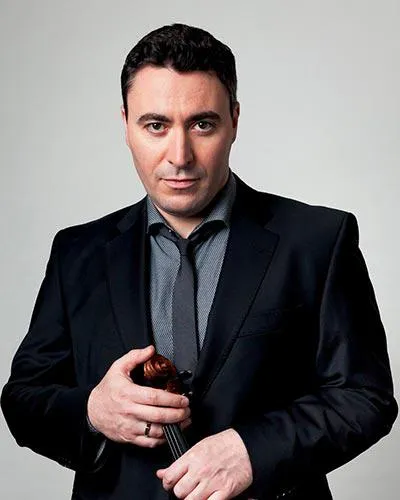
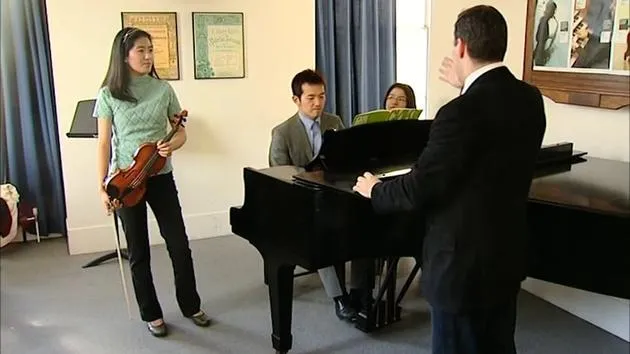
Maxim VengerovMaxim Vengerov accompagne un élève dans la Passacaglia du Concerto pour violon n° 1 de Chostakovitch, s'appuyant sur son histoire à l'époque soviétique pour façonner le tempo, le phrasé et l'émotion.
Le contenu du cours
2 leçons (0h 48min) · 1 gratuites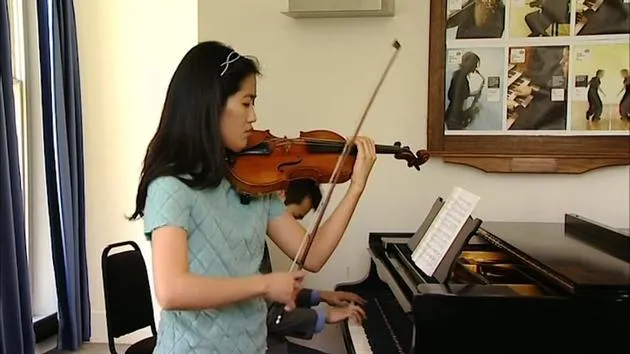
Transcription de la leçon
Music Lesson with Sojin
Instructor: Sojin, wonderful to hear you again. Great. You know, you're playing wonderfully, a beautiful sound.
Historical Context
Instructor: By playing this pasakale, we must understand a little bit of the history behind every sound. There is a story.
-
Shostakovich and Controversy: You know about the controversial politics regarding composers in the Soviet Union. In 1938, the Union of Composers and the government decided there was an article in the newspaper highlighting "formalism in music." They argued against 20th-century composers' new innovations, moving away from traditional harmony and roots.
-
Notable Composers: Victims of this included Shostakovich, Prokofiev, and Khachaturian. After the first performance of Shostakovich's concerto, there were no critiques, no resonance in the newspapers. Even David Oistrakh had to write to the newspaper, stating, "I think this is one of the most important works of the 20th century," expressing surprise at the lack of response.
The Significance of the Pasakale
Instructor: The history shows that Shostakovich's Violin Concerto is one of the greatest creations, not just of the 20th century but in the realm of many great composers. This piece stands alongside the most wonderful works, like those of Beethoven and Brahms.
-
Multidimensional Nature: The pasakale is incredibly multidimensional. Shostakovich gives you, the soloist, this phenomenally written, beautiful harmonic theme that recurs throughout the piece.
-
Understanding Depth: Consider it like entering a beautiful room in a house; you appreciate it but don't realize what's downstairs or up in the roof. Without understanding the foundation, you can't fully appreciate this piece with the right mindset.
Importance of Foundation
Instructor: It's all about priority. Without a solid foundation, the building collapses.
-
Here, in this particular piece, the most critical element is the pasakale. It features a bold, minimalistic theme that recurs multiple times until the cadenza, which suddenly cuts away.
-
Philosophical Insight: There is a philosophical undertone to this: while we enjoy life and make decisions, there are supernatural forces guiding us. We must trust in this light, whatever we call it, appreciating and following it, no matter our struggles or joys.
Performance Insights
Instructor: We are all essential; everything matters here, but it's about prioritizing. When the pasakale comes, it's fate, always there, regardless of the hundreds of themes you might compose.
- Instruments in Harmony: The other instruments, like brass or bassoons, may try to shine, but if they overcome the fate, it will not work. They are attempting to lead, which is a mistake. They should be expressive without losing the connection to the pasakale.
Practical Advice
Instructor: Now, let's try this. Remember, the tempo must remain unbroken.
-
Integration with Accompaniment: As you play, integrate beautifully, but always recognize how the other instruments glide with you. Do not ignore their presence.
-
Danger of Overexpression: It's dangerous to attract too much attention to yourself while playing. However, at home, practice humming the pasakale until its essence lives within you.
The Essence of Music
Instructor: Shostakovich, as with other great composers, used the phenomenon of music to communicate messages beneath conscious awareness. The stronger you recognize the message, the more effectively it'll resonate with the audience.
- Maintaining Focus: Ensure you do not distract from the pasakale. Begin with untouched beauty, connecting to the melodies without any flutter.
Reaching a Tranquil State
Instructor: This pauses hold great significance, like meditation, reaching a state of peace where no thoughts interrupt you.
- Exploring Nothingness: Recognize that you must become more than a violinist; you must become a magician. It's within this silence that listeners experience magic and connection.
Concluding Thoughts
Instructor: Every experience, struggle, and happiness in your life leads you to a point where creation begins anew.
- Building Intensity: As you progress, develop intensity gradually, similar to pacing yourself in a marathon; start simple, then build to an exhilarating finish.
Instructor: Thank you very much! Let's continue exploring this beautiful work together.
2 leçons
0h 48m de leçons vidéo structurées
Fonctions vidéo avancées
Ralentissez, bouclez un passage, suivez la partition
Mobile, tablette et ordinateur
Pratiquez où vous voulez
Satisfaction garantie à 100 %
Garantie remboursement 30 jours
Rencontrez votre guru
Rencontrez votre guru
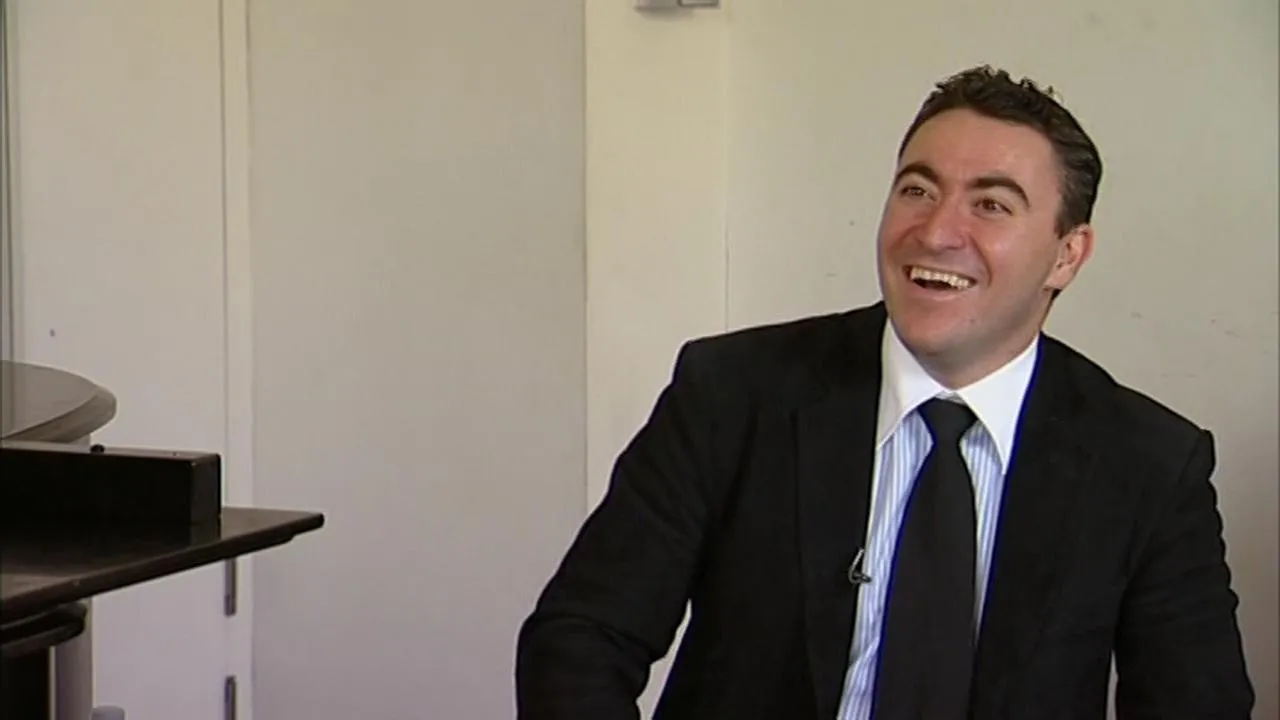
Maxim Vengerov est reconnu comme l'un des violonistes les plus passionnants au monde. Il donne son premier récital à l'âge de cinq ans et, après avoir étudié avec Galina Tourchaninova et le professeur Zakhar Bron, remporte le Premier Prix du Junior Wieniawski Competition à l'âge de dix ans. En 1990, à quinze ans, il remporte le Carl Flesch International Violin Competition, confirmant sa réputation de musicien du plus haut niveau.
En mai 2000, après un contrat d'enregistrement de dix ans avec Teldec Classics, Maxim Vengerov signe un contrat exclusif avec EMI Classics. Parmi ses distinctions et prix figurent le Gramophone Young Artist of the Year et le Ritmo (Espagne) Artist of the Year en 1994 ; le Gramophone Record of the Year et des nominations aux Grammy Award dans les catégories Classical Album of the Year et Best Instrumental Soloist with Orchestra en 1996 ; l'Edison Award du Best Concerto Recording en 1997 ; le Gramophone Artist of the Year en 2002 ; ainsi qu'un Edison Award et un Grammy Award en 2004 dans la catégorie Best Instrumental Soloist Performance (with Orchestra) pour son enregistrement du Concerto pour violon de Britten et du Concerto pour alto de Walton.
En 1997, Vengerov est le premier musicien classique nommé Envoy for Music par l'UNICEF. À ce titre, il a rencontré et joué pour des enfants défavorisés en Ouganda, à Harlem, en Thaïlande et de part et d'autre de la fracture ethnique kosovare — un travail qui lui a permis à la fois d'inspirer des enfants du monde entier et d'inciter d'autres personnes à collecter des fonds pour des programmes soutenus par l'UNICEF. Une autre passion de la vie de Vengerov est son engagement auprès des jeunes à travers ses masterclasses. L'un de ces événements a été filmé par Channel Four Television dans le cadre d'un documentaire sur Vengerov intitulé 'Playing by Heart', présenté au Cannes Television Festival en 1999. Depuis juin 2005, il est Professor of Violin à la Royal Academy of Music de Londres.
Cette même passion pour l'enseignement traverse ses masterclasses sur MusicGurus, où Vengerov te fait entrer au cœur du grand répertoire pour violon — de la Tzigane de Ravel et de la Carmen Fantasy de Sarasate aux concertos de Sibelius, Mendelssohn, Britten et Chostakovitch — en partageant la technique et la musicalité qui se cachent derrière chaque phrase.







