



Analyse, explication et démonstration avec Maxim Vengerov
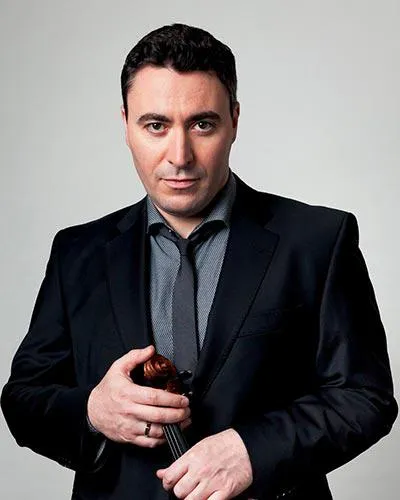
Avec
Maxim VengerovMaxim Vengerov guide son élève à travers le Concerto pour violon de Mendelssohn, en travaillant les bases techniques, la production du son et l'expression émotionnelle de la musique.
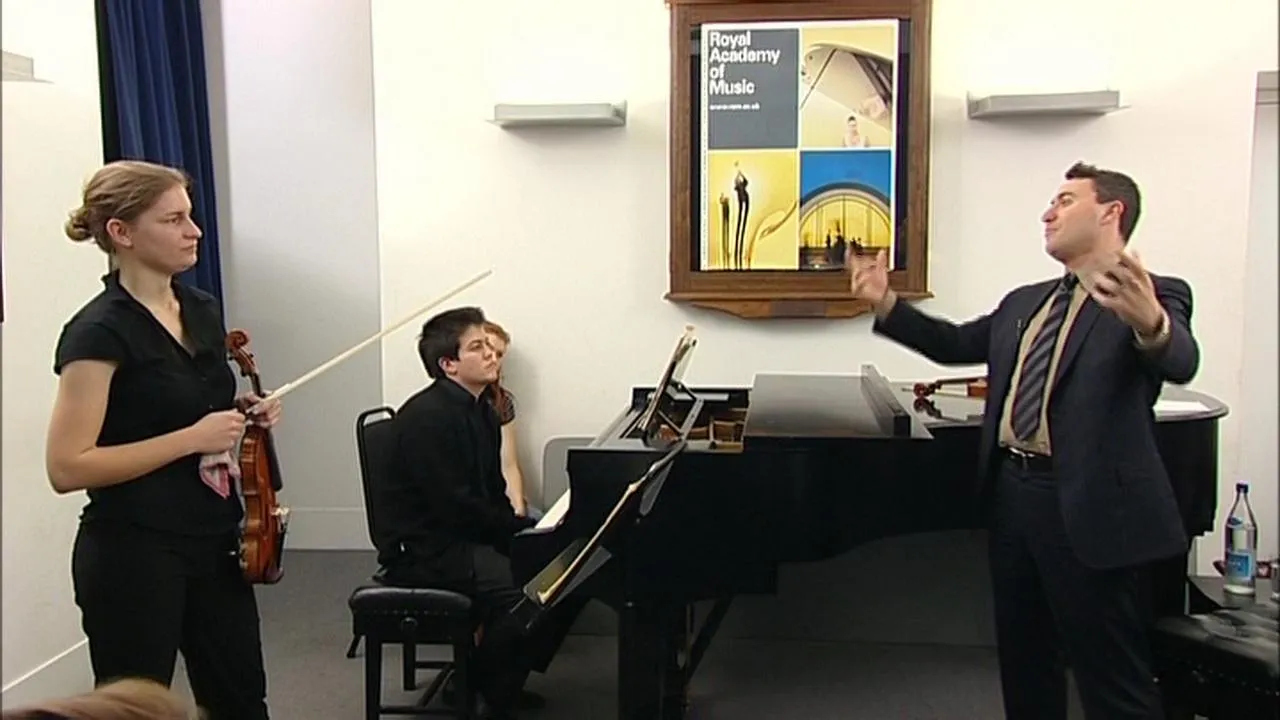
Le contenu du cours
2 leçons (0h 51min) · 1 gratuites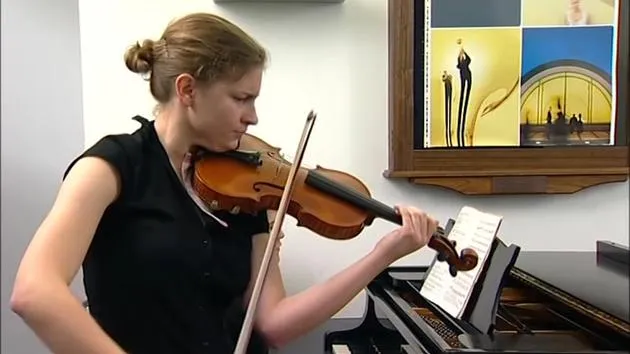
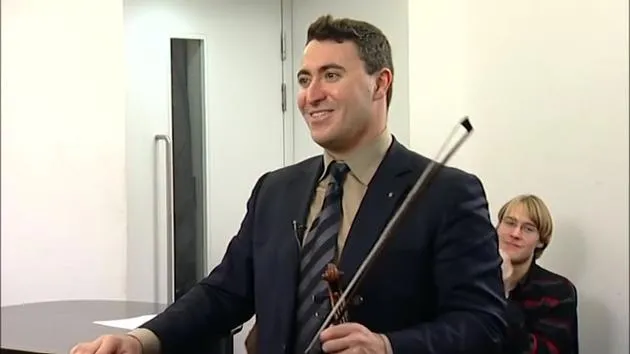
Transcription de la leçon
Music Lesson: Maria's Performance
Introduction
Maria, bravo, bravo! Unfortunately, we didn't have enough time to listen until the end, but it was a truly impressive performance.
Thoughtfulness in Performance
I appreciate your thoughtfulness in Mendelssohn's music. You take your time, unlike some performers who rush through the entire movement. Your careful approach is wonderful.
Great Potential
There is exceptional potential in every aspect of your playing:
- Virtuosity
- Sound production
We'll need to address various topics, starting with the technical execution of your performance, which is very important.
Technical Execution
This is our transport; without technical means, we cannot convey music effectively. I sense that you feel the Mendelssohn concerto more deeply than you can perform it. You imagine it more freely and spaciously.
Grounding Yourself
However, I feel you're sometimes losing the ground beneath your feet. It's crucial to feel grounded, like a tree, rooted down before reaching upwards.
- Always remember to stand confidently while playing.
- Ensure your:
- Shoulders are relaxed
- Breathing is normal (what I call "rabbit breathing" or "dog breathing")
Musicality and Movement
Your musicality shines through, and you express your phrases beautifully. However, there are some adjustments needed in your physical movements.
Enhancing Crescendo
Instead of merely moving your hands to create a crescendo, consider:
- Starting with a small bow stroke
- Gradually adding pressure and vibrato
For example:
- Start with less vibrato and expand it as you progress.
Controlling Vibrato
It's important to properly calculate your vibrato to avoid stopping abruptly. Check where you feel comfortable vibrating. Remember:
- Vibrato is already an interpretation; it must elicit a reaction from the audience.
- Gradual changes in vibrato are crucial, avoid sudden shifts.
Practical Exercise
Let's practice:
- Reduce vibrato gradually rather than all at once.
- Keep it comfortable and relaxed, allowing the story to unfold before reaching the culmination.
Bow Grip and Connection
Your bow grip needs to be more intentional. Your fingers should have defined roles:
- The end of the bow should feel heavy to produce rich sound.
- There must be a separation of functions between the left and right hands.
Embrace the Bow
I encourage you to hug the bow:
- Maintain a connection between the bow and your arm.
- Visualize a beautiful violinist from a Chagall painting, where the instrument and musician blend into one.
Interpretation and Strategy
Before starting to play, envision how you want it to sound. Your body and soul already know the music.
Creating a Narrative
Remember:
- Avoid revealing all secrets of the music at the beginning.
- Maintain a balance; don't give away too much too soon, as if serving only appetizers at a dinner when you have many courses prepared.
Final Thoughts
In the end, let's focus on:
- Maintaining a serene quality in your right hand.
- Ensuring the sound from the orchestra complements your performance.
Conclusion
Maria, with practice and attention to these details, you will continue to develop a beautiful, controlled sound. Your potential is evident, and I look forward to witnessing your progress!
Thank you very much.
2 leçons
0h 51m de leçons vidéo structurées
Fonctions vidéo avancées
Ralentissez, bouclez un passage, suivez la partition
Mobile, tablette et ordinateur
Pratiquez où vous voulez
Satisfaction garantie à 100 %
Garantie remboursement 30 jours
Rencontrez votre guru
Rencontrez votre guru
Maxim Vengerov est reconnu comme l'un des violonistes les plus passionnants au monde. Il donne son premier récital à l'âge de cinq ans et, après avoir étudié avec Galina Tourchaninova et le professeur Zakhar Bron, remporte le Premier Prix du Junior Wieniawski Competition à l'âge de dix ans. En 1990, à quinze ans, il remporte le Carl Flesch International Violin Competition, confirmant sa réputation de musicien du plus haut niveau.
En mai 2000, après un contrat d'enregistrement de dix ans avec Teldec Classics, Maxim Vengerov signe un contrat exclusif avec EMI Classics. Parmi ses distinctions et prix figurent le Gramophone Young Artist of the Year et le Ritmo (Espagne) Artist of the Year en 1994 ; le Gramophone Record of the Year et des nominations aux Grammy Award dans les catégories Classical Album of the Year et Best Instrumental Soloist with Orchestra en 1996 ; l'Edison Award du Best Concerto Recording en 1997 ; le Gramophone Artist of the Year en 2002 ; ainsi qu'un Edison Award et un Grammy Award en 2004 dans la catégorie Best Instrumental Soloist Performance (with Orchestra) pour son enregistrement du Concerto pour violon de Britten et du Concerto pour alto de Walton.
En 1997, Vengerov est le premier musicien classique nommé Envoy for Music par l'UNICEF. À ce titre, il a rencontré et joué pour des enfants défavorisés en Ouganda, à Harlem, en Thaïlande et de part et d'autre de la fracture ethnique kosovare — un travail qui lui a permis à la fois d'inspirer des enfants du monde entier et d'inciter d'autres personnes à collecter des fonds pour des programmes soutenus par l'UNICEF. Une autre passion de la vie de Vengerov est son engagement auprès des jeunes à travers ses masterclasses. L'un de ces événements a été filmé par Channel Four Television dans le cadre d'un documentaire sur Vengerov intitulé 'Playing by Heart', présenté au Cannes Television Festival en 1999. Depuis juin 2005, il est Professor of Violin à la Royal Academy of Music de Londres.
Cette même passion pour l'enseignement traverse ses masterclasses sur MusicGurus, où Vengerov te fait entrer au cœur du grand répertoire pour violon — de la Tzigane de Ravel et de la Carmen Fantasy de Sarasate aux concertos de Sibelius, Mendelssohn, Britten et Chostakovitch — en partageant la technique et la musicalité qui se cachent derrière chaque phrase.







