Arpèges de septième de dominante

Avec
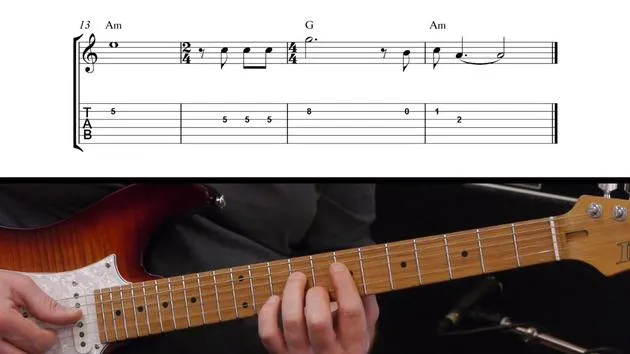
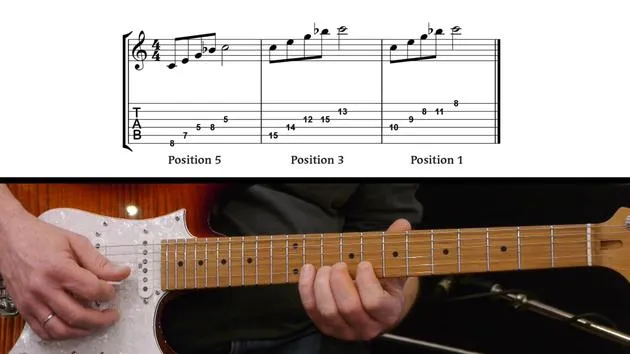
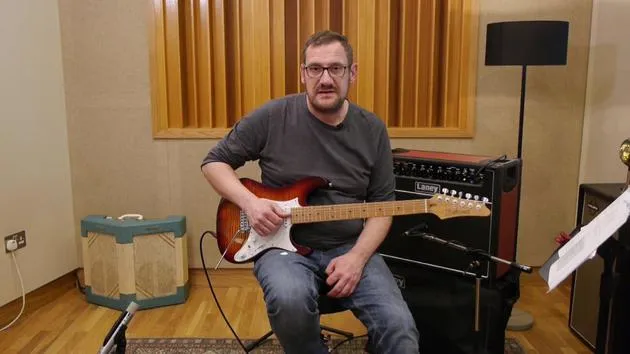
Frank DollFrank Doll montre l'arpège de l'accord de septième de dominante de G sur le manche — composé de la tierce, de la quinte et de la septième mineure — et comment l'utiliser.
Le contenu du cours
13 leçons (1h 39min) · 1 gratuites
01. Secondes et quartes
Leçon gratuite16:40
02. Harmonisation avec des triades
4:28
03. Sixtes
7:36
04. Arpèges de septième majeure
7:14
05. Arpèges de septième de dominante
Tu es ici9:24
06. Arpèges de septième mineure
4:43
07. Arpèges de mineur7b5
3:02
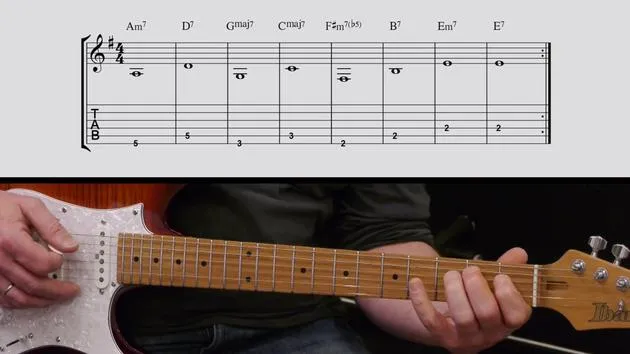
08. Exercices sur les accords de quatre sons
4:16
09. Drop3 Voicings
7:22
10. Exercices sur les Drop 3 voicings
11:45
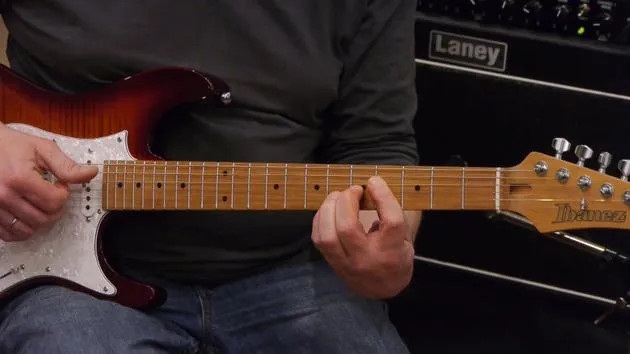
11. Drop 2 Voicings
8:33
12. Exercices sur les Drop 2 voicings
8:58
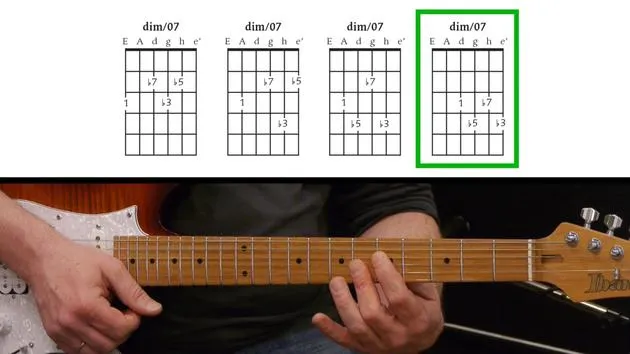
13. Accords de septième diminuée
5:36
Transcription de la leçon
Quinte Glyniseptim Grunton Arpeggio
Introduction
In this lesson, we will explore the dominant seventh arpeggio of G, including its components and applications in various musical contexts.
Dominant Seventh Arpeggio Breakdown
- The dominant seventh of G is:
- F (the seventh)
- A (the major third)
- D (the fifth)
Components
- The quint (fifth) is diminished.
- This leads us to the seventh (F), which is a lowered tone that progresses downwards.
Finger Positioning
- Use the following method to position your fingers:
- Klein finger (pinky) on the appropriate fret.
- Follow with Grunton positioning for analog placement.
Important Positions
- 15th Position:
- Incorporate:
- Terz (third)
- Quinte (fifth)
- Kleine Septime (minor seventh)
- Incorporate:
Practical Applications
- The dominant seventh chords are crucial in:
- Jazz
- Blues
- Pop music
Blues Improvisation
- Utilize the dominant septa scheme or a combination with energetic rhythmic patterns:
- Example Pattern: Blues big Leitungs pattern.
Conclusion
Focus on mastering the dominant 7 arpeggio through various exercises, from Gilliant VVS to practical applications in blues, improving your overall proficiency on the guitar.
Suggested Practice
- Incorporate Yeti modes and explore the styles influenced by Thai Ashbetter and Liktun.
Stay consistent, and happy playing!
13 leçons
1h 39m de leçons vidéo structurées
Fonctions vidéo avancées
Ralentissez, bouclez un passage, suivez la partition
Mobile, tablette et ordinateur
Pratiquez où vous voulez
Satisfaction garantie à 100 %
Garantie remboursement 30 jours
Rencontrez votre guru
Rencontrez votre guru
Frank Doll, né en 1972, a étudié à la Music College Regensburg avant de suivre des études de musicologie, d'allemand et de linguistique à l'Université de Ratisbonne. De nouveau attiré par la guitare, il s'est ensuite formé au Munich Guitar Institute (MGI). Il travaille comme professeur d'instrument depuis 1998, parallèlement à d'innombrables concerts en Allemagne et à l'étranger dans le rock, la pop, le théâtre musical et la musique légère. Il enseigne actuellement dans la filière musique de l'Edith-Stein-Realschule de Parsberg et dirige la Musikwerkstatt Frauenberg depuis 2006. Sur MusicGurus, ses cours en allemand Griffbrett Theorie cartographient le manche de la guitare de manière systématique — intervalles, positions d'accords, positions modales et théorie appliquée — pour les guitaristes qui veulent comprendre le manche, et pas seulement mémoriser des formes.