



Analyse, explication et démonstration par Emmanuel Pahud
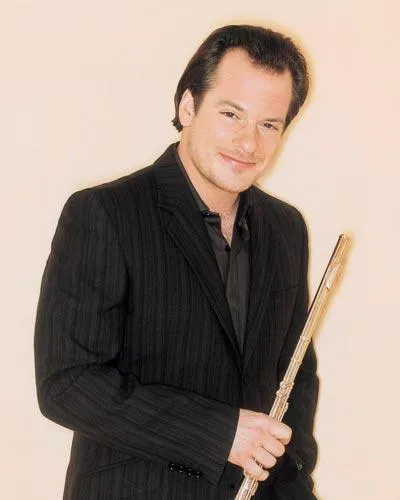
Avec
Emmanuel Pahud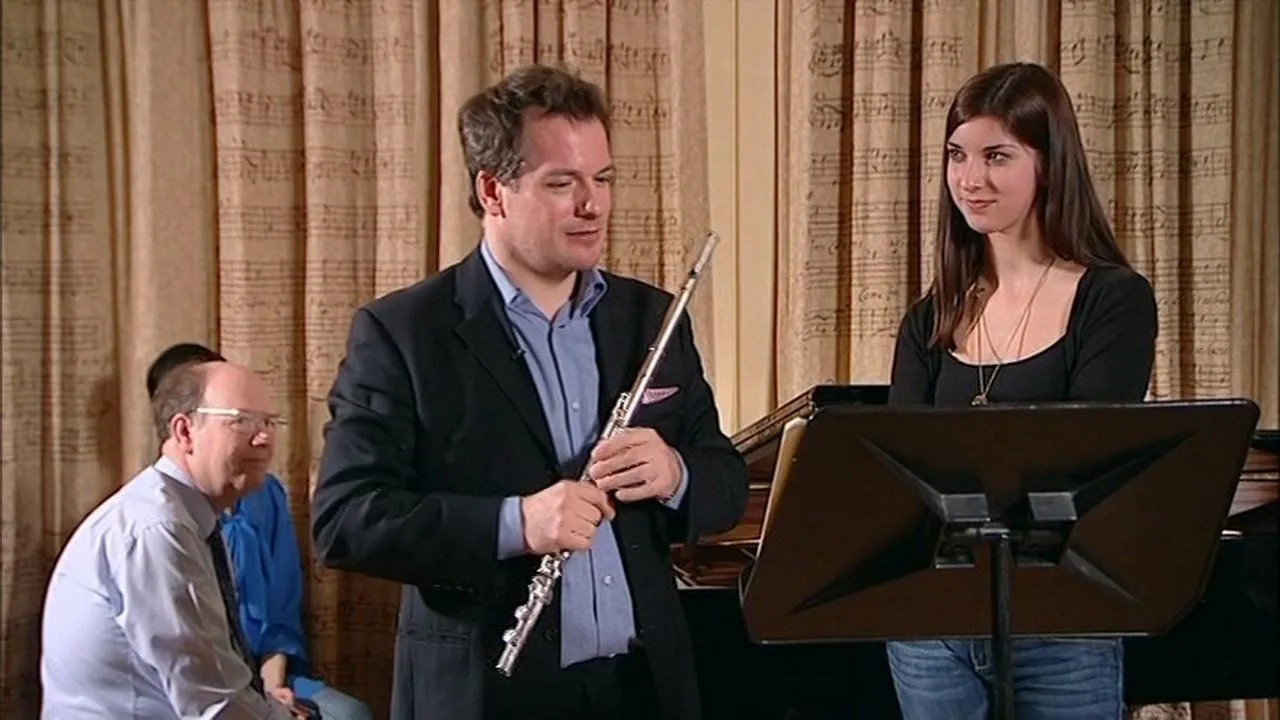
Le contenu du cours
6 leçons (2h 19min) · 1 gratuites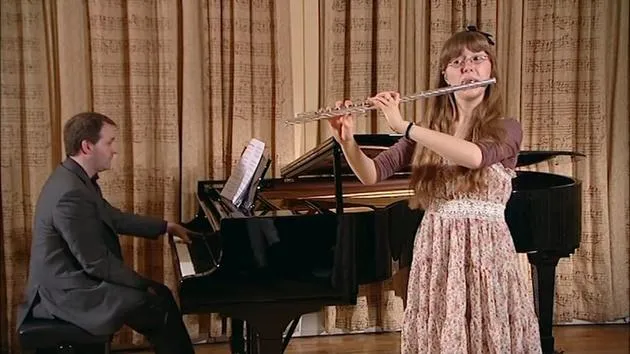
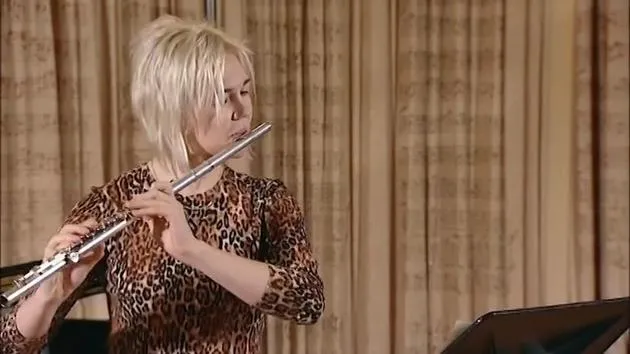
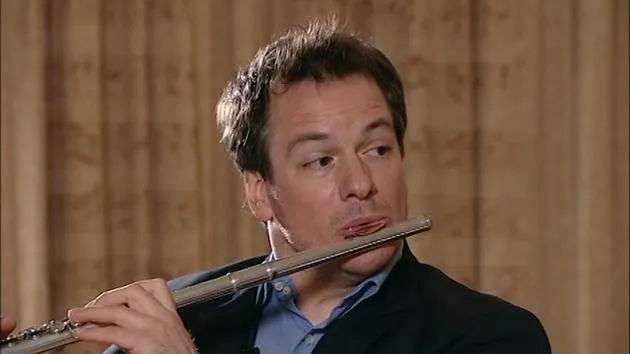
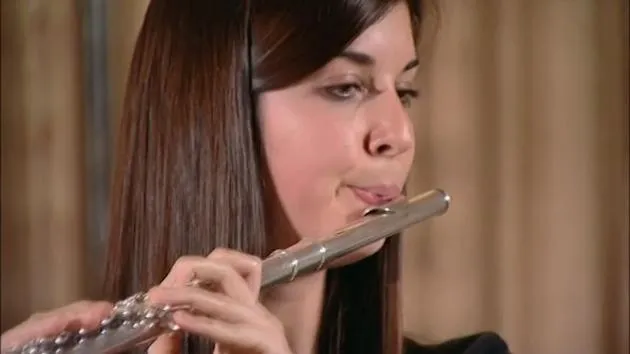
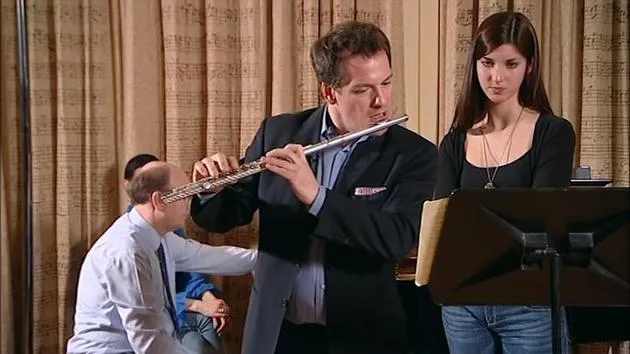
Transcription de la leçon
Flute Lesson
This one is a tricky piece because it doesn't sound as difficult as it is. It's not the most graceful piece, but there are many challenging aspects, particularly with all these G sharps.
Challenges of the Piece
-
Technical Difficulties:
- All the slurs in the first movement are really difficult.
- You have to navigate throughout the range of the instrument while maintaining a stable sound and a nice tone.
-
Middle Section:
- This is where many students struggle.
- Your nerves and excitement are natural; however, you must pull yourself together in the middle section because the difficult part is yet to come.
Breathing Techniques
Now, let's focus on breathing properly. If you really breathe correctly, you're going to play properly. Here are some key points to remember:
- Support Your Air: You need to sustain the airflow until you decide that the note is stopping.
- You are in Control: Remember, you are the one playing; you're not just listening.
Playing Position
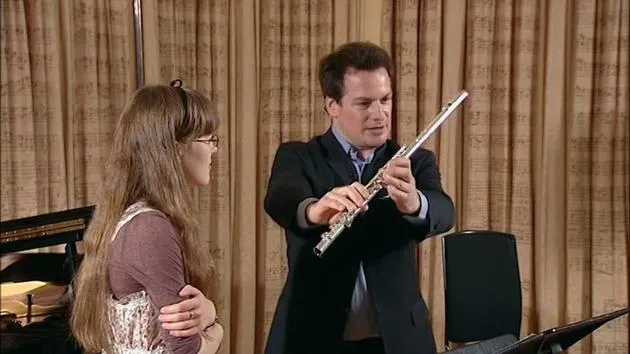
Your position here seems relaxed and stable, which is great. However, be aware of the following:
-
Head Joint Position:
- Be careful not to turn the head joint inside too much, as this limits your ability to play effectively.
- To play piano, you need to adjust your position to maintain a good airstream.
-
Centering:
- Start with the mouth hole and the keys aligned.
- Adjust as needed from this centered position.
Pianissimo Playing
- The Importance of Pianissimo:
- The only real pianissimo in the piece is crucial. Hold the pianissimo as long as you can.
- Only play the crescendo as it's indicated, which is four beats or three and a half beats before the fortissimo.
Color and Expression
- Tone Color:
- I recommend exploring a "saxophone kind" of color at this spot, even though it is not written.
Using Wasabi
-
Tuning and Intonation:
- You need to use more "wasabi" in your flute playing. This helps in playing in tune.
- Playing forte results in a big and beautiful sound without forcing it.
-
Resonance:
- We have many cavities in our heads that resonate while we play. The more we drive the resonance, the louder we can play with the same amount of air.
Managing Dynamics and Vibrato
-
Vibrato:
- Use vibrato to keep the sound alive on long notes.
- It's essential for adding expression and maintaining intensity.
-
Dynamics:
- When reaching the peak of a crescendo, don't play any louder. Think of it as moving forward on stage and then staying there.
Practicing Techniques
- Air Support:
- Use "wasabi" as a focus point, which helps in centering your tone.
- Practice with gentle dynamics and avoid tightening your lips too much.
Conclusion
Ultimately, this piece is about finding your sound. Focus on breathing and the placement of your air.
- Last Thoughts:
- Get fresh wasabi, as it will help you find your best sound.
- Remember, the focus should be between your nose and the eyes, rather than just on the lips.
Thanks for your dedication in today's lesson. Let's continue to work on these techniques, and you will see improvement in your playing!
6 leçons
2h 19m de leçons vidéo structurées
Fonctions vidéo avancées
Ralentissez, bouclez un passage, suivez la partition
Mobile, tablette et ordinateur
Pratiquez où vous voulez
Satisfaction garantie à 100 %
Garantie remboursement 30 jours
Rencontrez votre guru
Rencontrez votre guru
Installé à Berlin, Emmanuel Pahud est l'un des plus grands flûtistes au monde, surtout connu pour son répertoire de flûte baroque et classique.
Pahud est né dans une famille non musicienne à Genève, en Suisse. Enfant, il fut captivé par le son de la flûte et, de l'âge de quatre ans à celui de 22 ans, il fut formé et guidé par des flûtistes tels que François Binet, Carlos Bruneel et Aurèle Nicolet, avant d'étudier au Conservatoire de Paris.
Il a fait irruption sur la scène musicale orchestrale et soliste internationale lorsqu'il a rejoint la Berlin Philharmonic Orchestra en 1992 comme l'un de ses plus jeunes solistes principaux de tous les temps. Sa musicalité innée et sa technique extraordinaire ont fait de lui un habitué des prestations en soliste au Japon, en Asie du Sud-Est, en Europe et aux États-Unis. Parmi ses partenaires de récital réguliers figurent Eric Le Sage, Hélène Grimaud, Yefim Bronfman et le pianiste de jazz Jacky Terrasson, et il est très demandé comme chambriste, ayant collaboré avec la plupart des grands solistes du monde.
Sa polyvalence à travers les styles musicaux a "signalé l'arrivée d'un nouveau maître flûtiste" (The Guardian). Il joue dans des genres variés, que ce soit le baroque, le jazz, le contemporain, le classique, l'orchestral ou la musique de chambre.
Dans Works for Flute by Schubert, Hue and Sancan, Emmanuel tourne cet art vers trois piliers du répertoire de la flûte, partageant la finesse interprétative et technique pour faire vivre chaque pièce avec éclat.







