



Análisis del segundo movimiento con Yuri Bashmet
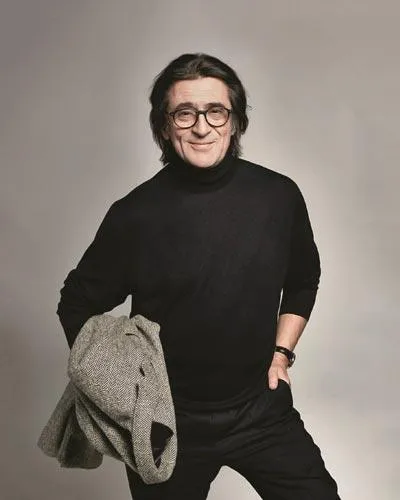
Con
Yuri Bashmet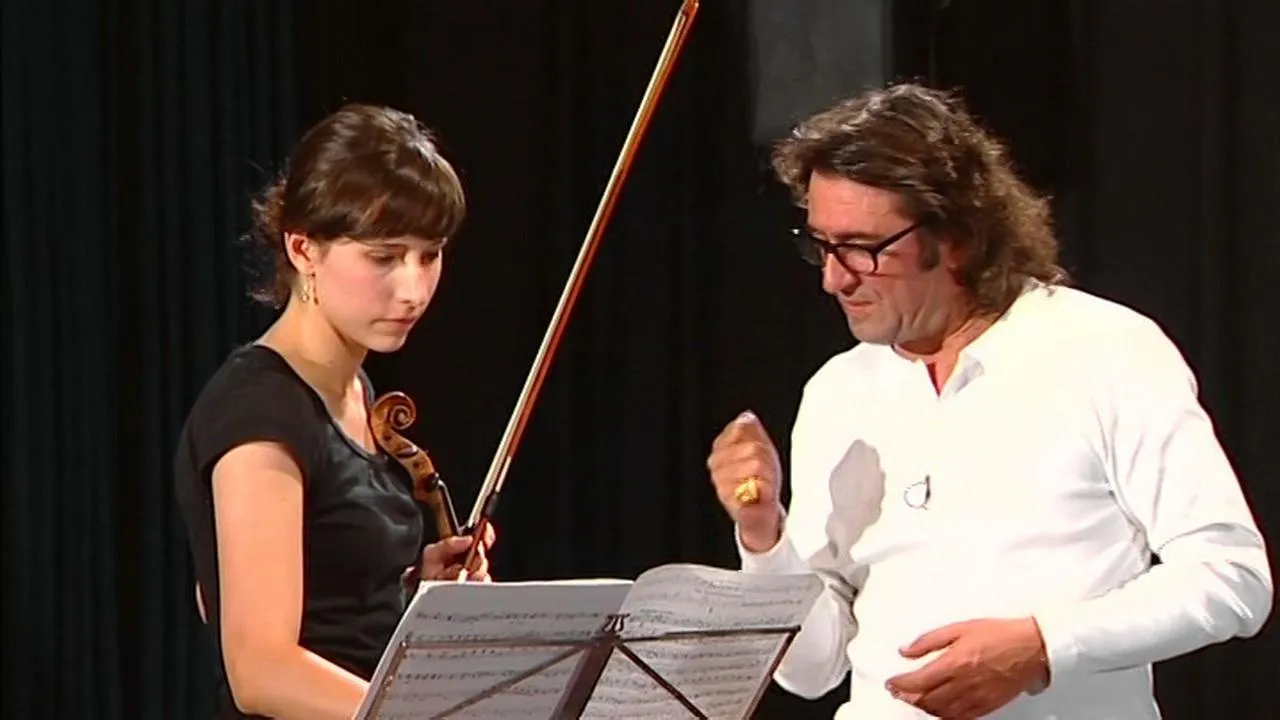
Qué incluye el curso
6 lecciones (2h 3m) · 1 gratis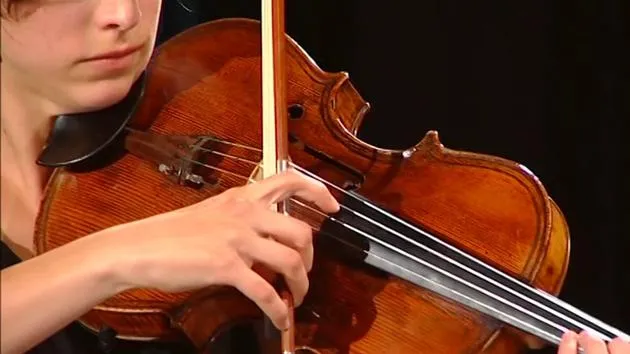
01. Interpretación del primer movimiento por Barbara Buntrock
Lección gratis10:15
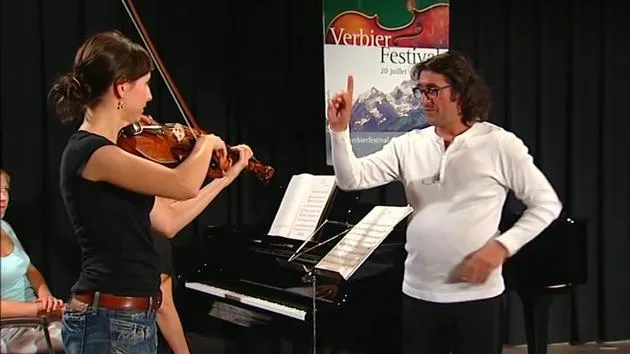
02. Análisis del primer movimiento con Yuri Bashmet
49:28
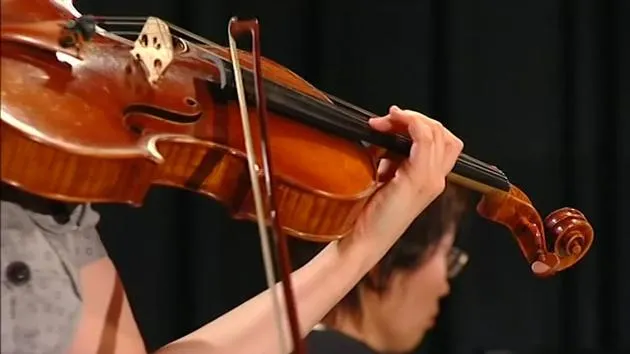
03. Interpretación del segundo movimiento por Lilli Maijala
7:43
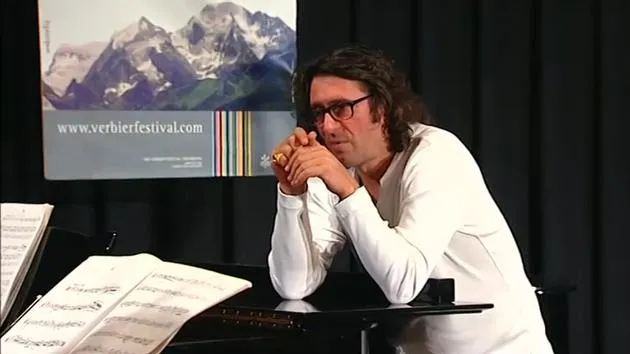
04. Análisis del segundo movimiento con Yuri Bashmet
Estás aquí21:18
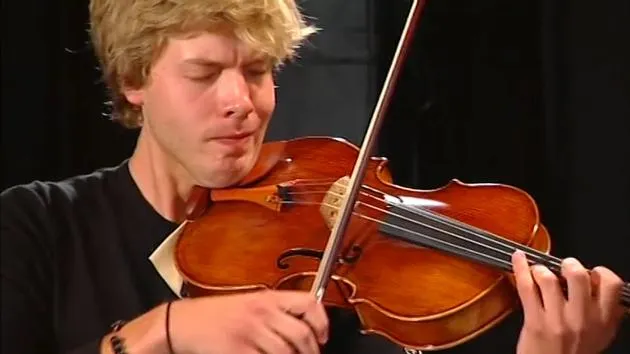
05. Interpretación del primer movimiento por Jan Grüning
14:24
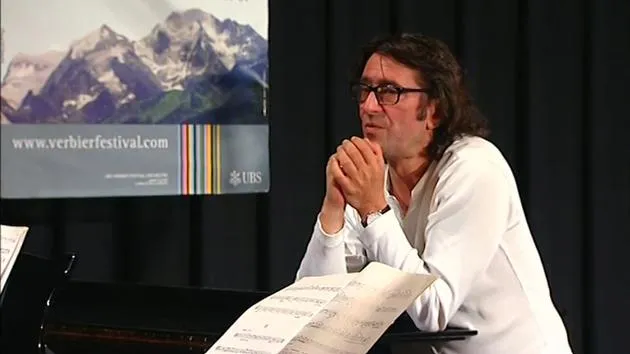
06. Análisis del tercer movimiento con Yuri Bashmet
20:41
Transcripción de la lección
Music Lesson Formatting
Teacher: Generally for me, it is a little bit too slow. I know you take the right metronome tempo as it's written. But when I played it with a very famous Russian pianist, Sviatoslav Richter, we spoke about tempo in this piece. He said, "Yuri, don't look to the metronomes of Shostakovich."
Metronome Insights
- Shostakovich's Metronome:
- He had the wrong metronome at home; it was broken.
- So, don't trust what he wrote.
- Shostakovich was very flexible with tempo; he liked it when people played quicker or slower.
Movement Insights
- For me, the second movement has to be like a Scherzo.
- Remember about beats, sometimes you jump.
- Be careful, be careful.
Playing Suggestions
- Let's try to play from the beginning a little bit quicker.
- Yes, faster!
Teacher: Very good!
Artistic Picture
- What kind of picture do you see?
- What do you want?
- What is your idea?
Tone and Emotion
- It's not quality; it should be maybe more like not too joyful or nice at all.
- Good, it's not nice. It is kind of angry.
- Maybe you can play loud a little bit, good, good!
- It's still a bit too "Deutsch" from the beginning.
Character and Dynamics
- It depends on character, of course.
- Don't be a "good girl."
- First Beat: Do it with an accent for a guarantee!
Energy and Style
- Oh yeah, I do. Just don't sleep when I show you.
- It has to be more energy and end with "boom, boom, boom."
- Don't lose this energy; keep it going!
Feel and Texture
- Main thing: what is my taste?
- It's wrong when you play; you often revert to a politic feeling.
- It's all the time very ironic and with bad words, I would say.
Performance Technique
- When it's too accurate, try something different.
- I don't like it when it sounds like a guitar.
- Just focus on stronger beats.
- Keep following the moment you push and then up.
Movement and Flow
- The moment you do this, remember not to play all the time barrier.
- With right hand: push, then up.
- See? Yeah, tight. Just take your moment.
Thoughtful Playing
- Think about sound and intonation.
- Know where it is; it is individual.
- Find your guarantee with the fingers before playing.
Final Tips
- Change at the last moment; keep the same intonation til the end.
- Stop, listen till the last moment.
- I don't think you have to do ritardando here, because after it, it looks late.
Rhythm and Timing
-
Two things: at the very end, make it one phrase.
- You're doing too many poses; focus on your rhythm.
- You're always late here.
-
Just ask somebody to help you or use a metronome.
-
It's too late, and that's okay.
Teacher: Next movement.
6 lecciones
2h 3m de lecciones en vídeo estructuradas
Funciones de vídeo avanzadas
Ralentiza, repite un pasaje, sigue la partitura
Móvil, tablet y ordenador
Practica donde quieras
Garantía de satisfacción 100%
30 días de garantía de devolución
Conoce a tu gurú
Conoce a tu gurú
Gracias a su virtuosismo, la fuerza de su personalidad y su gran inteligencia, Yuri Bashmet ha dado a la viola una nueva prominencia en la vida musical. El violista por excelencia de la era moderna, ha motivado a los compositores más destacados de nuestro tiempo a ampliar el repertorio con nueva música significativa. Es director artístico del festival December Evenings de Moscú, director titular de la Symphony Orchestra of New Russia y fundador y director de los Moscow Soloists. También actúa por todo el mundo en el doble papel de director y solista.
Nacido en 1953 en Rostov del Don, en Rusia, pasó su infancia en Lvov, en Ucrania, antes de estudiar en el Conservatorio de Moscú con Vadim Borisovsky (del Cuarteto Beethoven) y Feodor Druzhinin. Su carrera internacional se lanzó en 1976, cuando ganó el International Viola Competition de Múnich. Desde entonces ha actuado con todas las grandes orquestas del mundo, entre ellas las Filarmónicas de Berlín y Viena, la Royal Concertgebouw Orchestra, las Orquestas Sinfónicas de Boston, Chicago y Montreal, la New York Philharmonic, la London Philharmonic y la London Symphony Orchestra, que presentó su propio Yuri Bashmet Festival.
Ha inspirado a muchos compositores a escribir para él, manteniendo estrechas relaciones personales y profesionales en particular con Alfred Schnittke y Sofia Gubaidulina. Fuera de la sala de conciertos aporta una mente inquisitiva y perspicaz a la vida más allá de la música clásica: es un entusiasta de los Beatles y de Jimi Hendrix y ha presentado su propio programa de debate político en la televisión rusa. Toca una viola Testore de 1758 (un modelo similar al que tocaba Mozart) que compró en 1971.
Estudiar la Sonata para viola y piano de Shostakovich con Bashmet significa aprender esta obra monumental del intérprete que más que nadie ha hecho por situar la viola en el centro del escenario. Sus percepciones sobre el fraseo, el sonido y la intención más profunda de la música son algo que ninguna partitura por sí sola puede enseñar.







