



Análisis del Impromptu n.º 3 con Stephen Kovacevich
Lesson time: (15min 16sec)
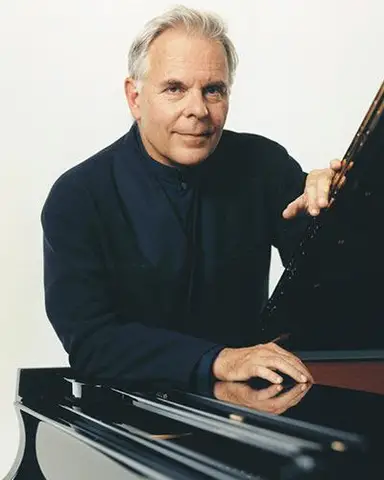
Stephen Kovacevich guía a un alumno a través del Impromptu n.º 3, Op. 90 de Schubert, trabajando el tempo, el toque y el pedal.
Course preview
This lesson is part of the course Schubert - Impromptus n.º 1 y n.º 3, op. 90
Watch a preview of the full course below.
Lesson transcript:
Music Lesson Formatting
Introduction
I think we have to go to another one. Can we go to number three, which is one of the greatest of all? You know that when it was first published, it was in G flat major. His publisher sent it back and said, "Nobody can play it. You have to do it in G major."
Tempo and Touch
-
Discussion on Tempo:
- "Okay, okay. I'm going to accept the tempo."
- "I think it can be a little more undaunted, but I'm not going to."
-
Touch Feedback:
- "Your touch, it's you."
- "Begin! Uh. Oh, don't sit on it."
Relationship to Accompaniment
- "It's also the relation to the accompaniment."
- "Maybe let just vibrate a little bit before."
"Okay, that's good. I'm not stopping you because it wasn't good."
Pedaling Techniques
- "Try pedaling as an upbeat to make the piano already vibrating so that you don't start dry."
- "The piano is already... Yeah, good."
Expression and Interpretation
- "It's beautiful, but it's conventional."
- "Try in your head or your heart, or wherever you choose your tempo. Alebrev. It's Alebrev."
"Good. Think ala breve. Okay. It can be like this. It absolutely can be."
Love Declaration
- "But just for today, if it's a love declaration, it's very interesting."
Historical Perspective
"The way we play the codas of the Rachmaninoff concertos today is completely different from the way it was done when Rachmaninoff was playing it and Horowitz was playing it."
- "Today we have... And it's beautiful. We're always spacious."
"I think Hollywood has its, you know, the sunset and everything, but passion is always slow. It's a modern phenomenon."
Emotive Changes
- "And you hear Toscanini and Rachmaninoff, Horowitz footwing. It's often quite fast."
- "In other words, it is a love declaration, but the person is so intoxicated by the feeling. And you have a certain distance when you're too slow. Ala breve."
Expressing Dynamics
- "Okay, I think what shows... I mean, this piece isn't all in one tempo, each bar. Okay, I accept that."
"But I think the fact that he needs to add timpani in the trill means the emotions are really getting quite."
Capturing Colors
- "You're staying away. You don't show the extremes."
- "When he goes down to a pianissimo, this is... I'm sorry to talk. This is someone next to your pillow that you're talking to in pianissimo. And the other is someone in the same room."
"It's all these different things. You have to capture all these colors."
Urgency and Crescendo
- "Good. Go on soto voce. Again. Now it's urgent. Again. Go."
- "Now, crescendo. Go, go. Now open up the piano. Open. Away, away."
Levels of Intensity
- "Okay, I ask you not to repeat the same level of intensity."
- "Your left hand was beautiful, and it's forte again. But not strictly the same. It's more probably the second time."
"You must develop. Go on. Ding. The first one. Now pure forte."
Courage and Dynamics
- "Okay? What was beautiful was the pianissimo. And then you lost courage."
- "You lost courage and you started being bel canto again."
"It was beautiful. And then what does he ask for? Public? You. Me? He asks for three P's."
Striving for Perfection
- "It's like Tchaikovsky asks for five F's, you know, he's much more extreme."
- "Try, and anywhere. Here. This was beautiful. Stay, stay. And then it goes even less."
"Try. Yeah, sure, sure, sure. Beautiful. Three P's."
Final Thoughts
- "Nothing. Okay, that is okay."
- "But what he asked for sforzato in the middle of the second bar, Schubert. Maybe he means suddenly, in a way."
"The music is so impassioned that it needs a trill, needs timpani."
Conclusion
- "Try from before. Yes. Could the trill? The trill break us as well?"
- "Yeah, yeah, yeah. Not so classical now."
- "Real crescendo. Good. Back to pianissimo. Beautiful."
"Okay, end it once more. A couple bars. End it really beautifully. Don't at the end, no accent."
- "Good. You took a bit of time then. That's good. I think that's something to work on. Bravo."
About the instructor
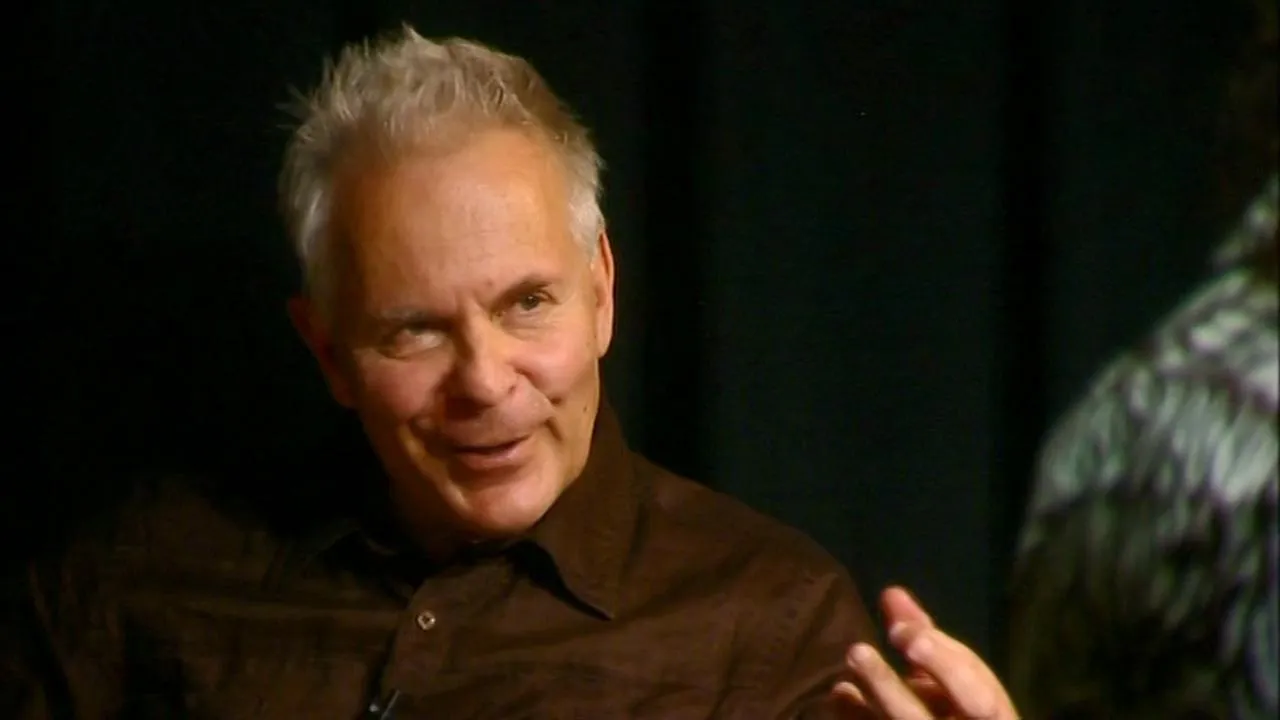
Stephen Kovacevich es uno de los intérpretes más indagadores del teclado, y ha ganado una admiración insuperable por su interpretación de Beethoven, Brahms, Mozart y Schubert. Junto a su larga y distinguida carrera como solista, ha dirigido durante muchos años, cosechando cálidos elogios por su trabajo con orquestas de todo el mundo en repertorio de los siglos XVIII y XIX. Nacido en Los Ángeles, hizo su debut en concierto como pianista a los 11 años. A los 18 se trasladó a Inglaterra para estudiar con Dame Myra Hess. Su reputación internacional se ha construido tanto sobre sus apariciones en concierto, célebres por su reflexión e intensidad recreativa, como sobre las muy aclamadas grabaciones que ha realizado a lo largo de su carrera. Kovacevich ha mantenido dos relaciones de larga duración con compañías discográficas, primero Philips y después EMI. Sus grabaciones de conciertos para Philips, incluyendo Beethoven, Schumann y Bartók, han sido durante mucho tiempo pilares del catálogo. Como artista exclusivo de EMI, grabó ambos Conciertos para piano de Brahms con la London Philharmonic Orchestra y Sawallisch. Los otros grandes proyectos de su trabajo con EMI fueron una cautivadora serie de Sonatas de Schubert y un conjunto de las 32 Sonatas de Beethoven completado en 2003, aclamado como uno de los más autorizados jamás grabados. Su grabación de las Variaciones Diabelli para Onyx ganó el premio Classic FM Gramophone Editor's Choice de 2009. Estudiar con Kovacevich es una línea directa hacia esa mente interpretativa: cómo moldea una frase, encuentra la arquitectura en Schubert, Beethoven y Chopin, y convierte la técnica en música que realmente significa algo. Es una rara oportunidad de aprender este repertorio de un pianista que ha pasado toda una vida viviendo dentro de él. read more