



Do Balanço (Análisis)
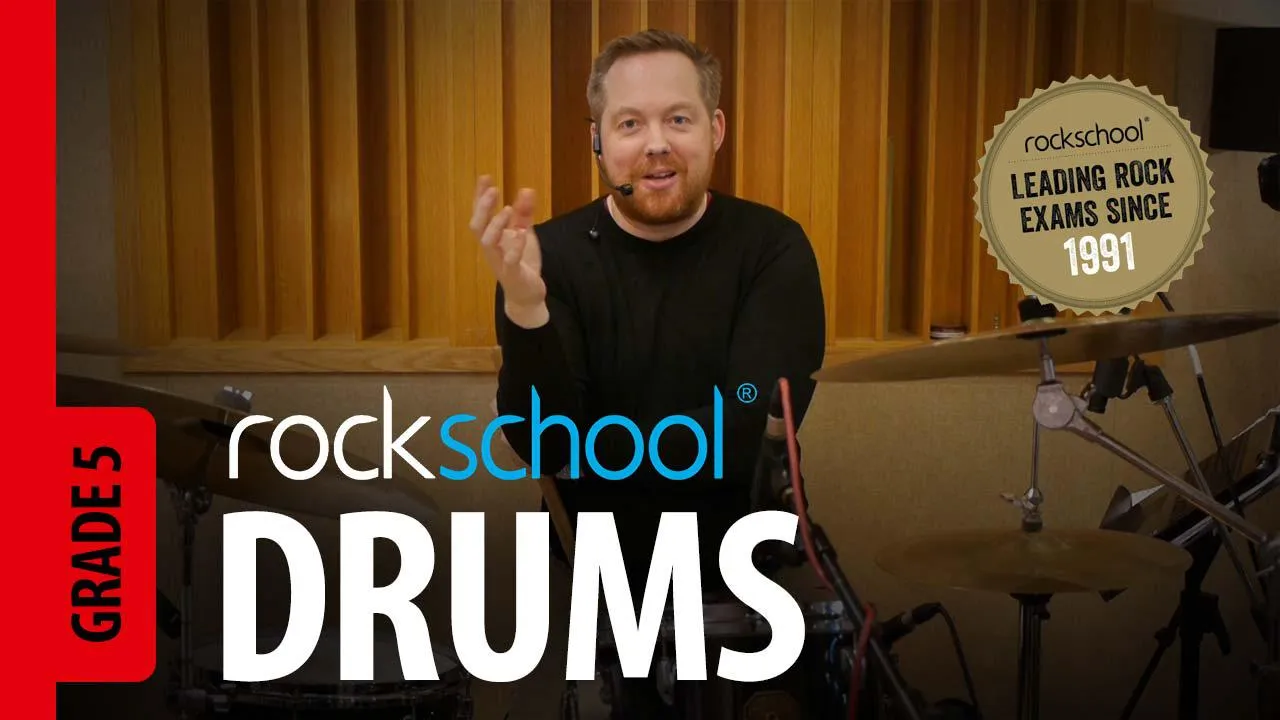
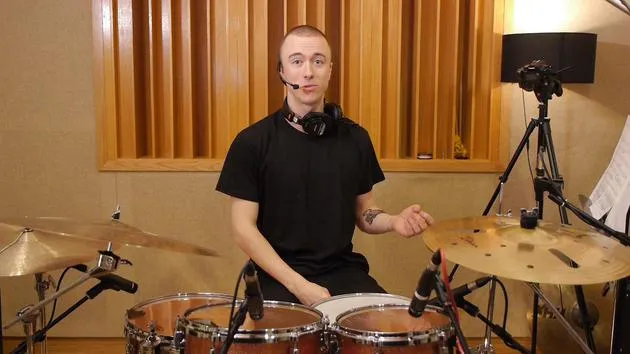
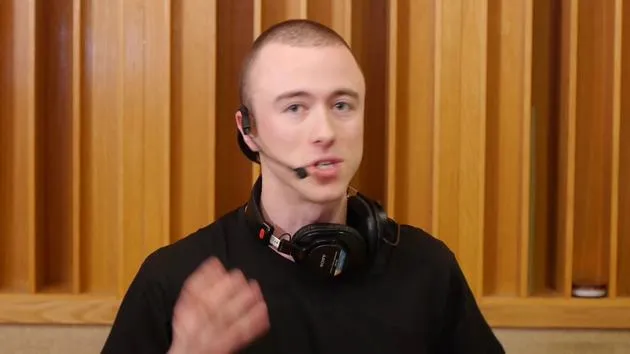
Harry Pope desglosa la pieza de samba-rock de Grade 5 'Do Balanço', desde el groove que fusiona latin y rock hasta encontrar el punto justo para el rim click.
Qué incluye el curso
29 lecciones (2h 38m) · 1 gratis
01. Hold The Line – Toto
2:49
02. Don’t Let Go (Love) – En Vogue
2:47
03. Window Seat – Erykah Badu
2:43
04. Chuck E’s In Love – Ricky Lee Jones
2:55
05. 444 – Jay Z
2:32
06. Hard to Handle – Otis Redding
2:39
07. Geek
2:27
08. Rollin'
2:39
09. Do Balanço
2:30
10. Tiberius
2:31
11. Smack Talk
2:25
12. Slam Dunk Funk
Lección gratis2:38
01. 444 – Jay Z (Análisis)
10:51
02. Chuck E’s In Love – Ricky Lee Jones (análisis)
12:28
03. Window Seat – Erykah Badu (análisis)
11:46
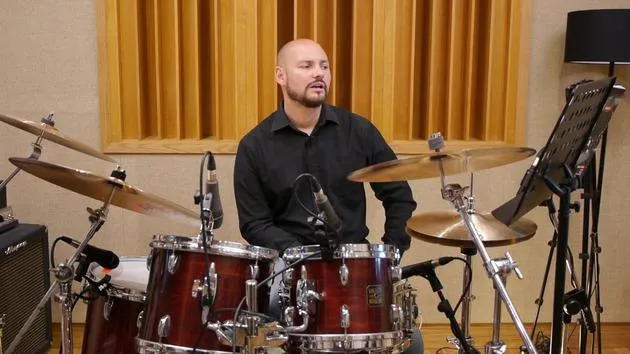
04. Hard to Handle – Otis Redding (Análisis)
7:23
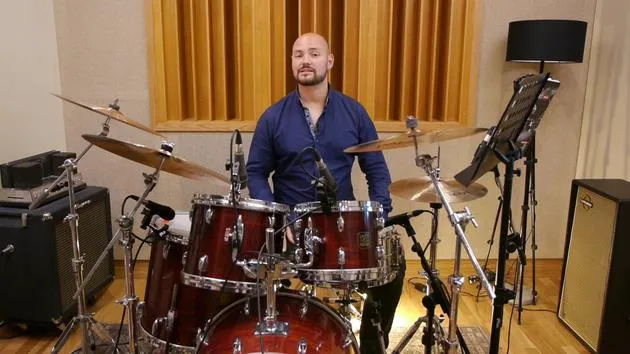
05. Hold The Line – Toto (Análisis)
13:24
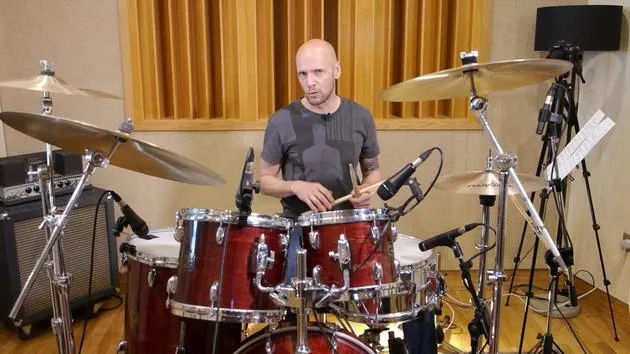
06. Don’t Let Go (Love) – En Vogue (Análisis)
6:55
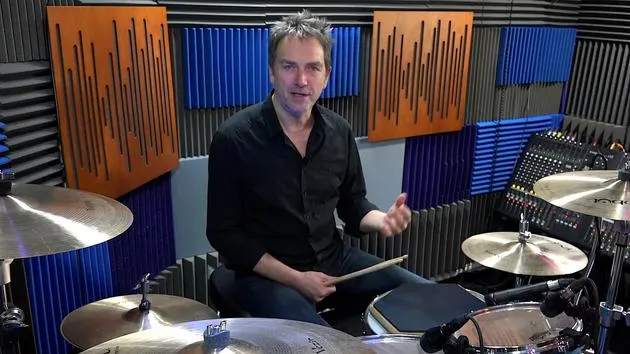
07. Geek (Análisis)
14:24
08. Rollin' (Análisis)
6:10
09. Do Balanço (Análisis)
Estás aquí6:22
10. Tiberius (Análisis)
8:16
11. Smack Talk (Análisis)
7:17
12. Slam Dunk Funk (Análisis)
4:49
Transcripción de la lección
Grade Five Music Lesson: Samba Rock
Introduction to Balanco
Okay, so grade five, do Balanco. It's another Latin groove and it's really fun, Samba Rock!
- Immediately from Samba Rock, we're not going for a really authentic Samba, don't even try.
- Incorporate elements of Latin into a rock tune and vice versa.
Tip: Don't stress about not being the most authentic Samba player in the world. Just enjoy yourself and have a lot of fun with it!
Starting the Beat
We're starting with a kind of rocky beat at two bars after A.
- After that unison figure, we're playing the rim click.
- Immediately, what I'm thinking about is where does the rim click sound best on the snare?
- Find the point in your snare where it makes a nice, consistent high-pitched cutting sound.
That's really what you're looking for; you want it to cut through the whole beat.
Importance of Sound
If you end up with a sound that doesn't really cut through and make the effect of the rim clip that you're looking for, it's important to adjust.
Syncopated Tom Fills
Moving through the piece, we've got some nice syncopated tom fills.
- Whenever we're playing something that's Latin-oriented or influenced by Latin music, a lot of the time the drums and the fills will be imitating timbale breaks, congas, and that kind of thing.
- It's all based on percussion instruments.
Recommendation: Make sure that you listen to some music and check out some Latin influences.
- Be really confident with those tom fills, they are prominent within the music.
Groove at Section B
When we get to B, we're playing something that's more reminiscent of a bossa nova groove.
- We're looking at a different snare rhythm, which is further from the 2 and 4 backbeat that we're all so used to and love.
- We're playing on 2, then 4, and then 2, then 3. It's all very syncopated, very dotted crotchets oriented.
Bass Drum Ostinato
You'll notice we've got that ostinato in the bass drum as well.
- Be really confident with that, practice the coordination really, really slowly and it will show up.
Transition to Bar 31
There's a tricky little fill going into bar 31.
- The hit going into it in bar 30 starts on 4.
- However, it's not a straight dotted crotchet after that, you've got to tie it and wait for beat one hand before you start filling in with the snare drum.
Advice: This threw me the first couple of times I played it. It's not technically hard, but use your mind; it's a tricky one.
Bass Solo Dynamics
Then, we got a bass solo.
- Bass solo immediately means we want to use lower dynamics and sharper sounds, you don't want to wash all over him.
On the repeat, I'm playing some cross stick and some snare buzzes.
- I think these give a really nice smooth sound, something interesting to throw in that doesn't get in the bass's way.
- It provides a nice bed for the bass to play some rhythmic ideas.
Drum Solo
Then that leads us really nicely into a drum solo, which is great, everybody loves drum solos!
- In that drum solo, I'm trying to emulate some kind of Latin percussion sounds within a Samba Rock context.
- I'm not playing authentic Samba music, but I'm giving a nod to that style.
When I'm playing that drum solo:
- I'm playing a lot on the toms and trying to replicate timbale style fills, lots of flams and confident rhythmic ideas.
Caution: Don't immediately resort to showing off with loud chops; play stylistically and clearly catch the figures. It will make it sound much better.
Connecting with the Band
There's a nice little hit on beat three in the fourth bar of the drum solo, catch that!
- It sounds nice and ties the solo together.
- It shows that you know what you're doing and are aware of what the backing band is playing.
Guitar Solo and Final Thoughts
Guitar solo: 16 bars develop on repeat.
- It's always nice to throw your own ideas in.
When playing on the ride, I am adding some 16th note flurries using a push-pull method, drop, bounce, and catch with the fingers.
- This adds rhythmic intensity and interest.
Feel free to incorporate that or do your own thing, both are equally cool!
Approaching Samba Rock
After the guitar solo, we're going back to B and then straight through to the coda.
- When approaching this Samba Rock genre, it's worthwhile to check out artists like George Benjor, who plays Brazilian funk music wonderfully.
- Also, if you're in London, I recommend Big Ben George, a fantastic Southeast London Latin funk band.
Practice Tips
Final Advice:
- Practice everything with a metronome.
- Listen to your teacher and try to get some stylistic Latin ideas in there.
- Remember, you're not playing authentic Samba; it's Samba Rock, so be true to that.
Have loads of fun with it!
It's really a fun piece!
That's all for me.
29 lecciones
2h 38m de lecciones en vídeo estructuradas
Funciones de vídeo avanzadas
Ralentiza, repite un pasaje, sigue la partitura
Móvil, tablet y ordenador
Practica donde quieras
Garantía de satisfacción 100%
30 días de garantía de devolución







