



Análisis, explicación y demostración con Maxim Vengerov
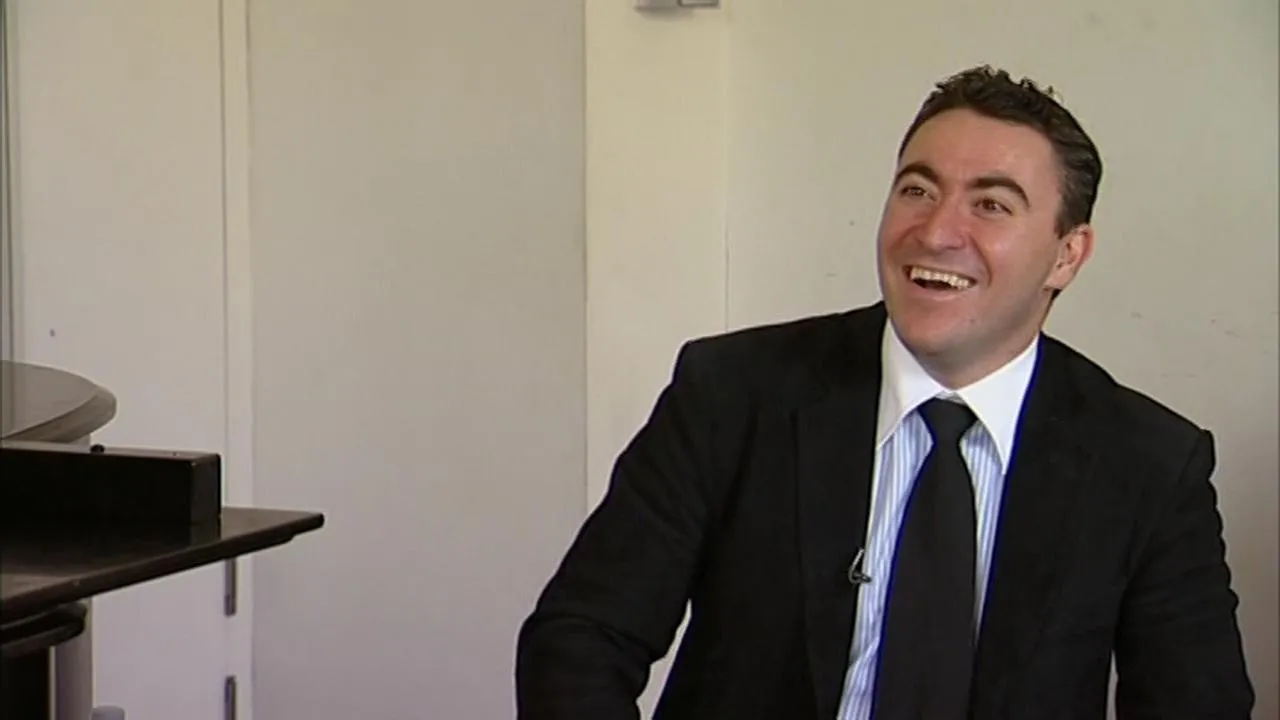
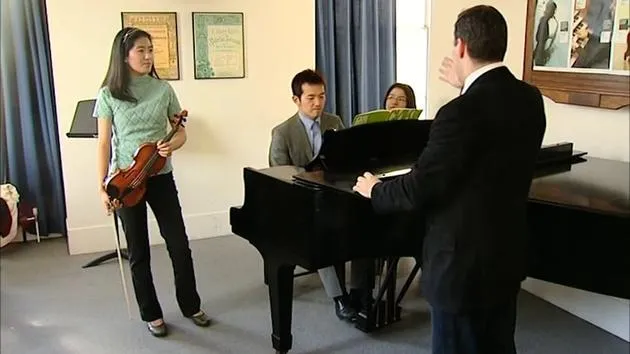
Maxim Vengerov guía a un alumno a través de la Passacaglia del Concierto para violín n.º 1 de Shostakóvich, apoyándose en su historia de la era soviética para dar forma al tempo, el fraseo y la emoción.
Qué incluye el curso
2 lecciones (0h 48m) · 1 gratis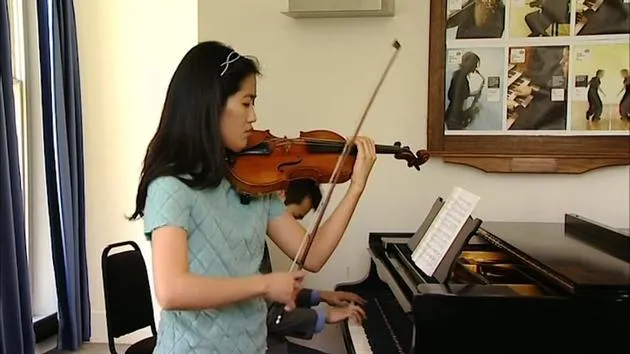
Transcripción de la lección
Music Lesson with Sojin
Instructor: Sojin, wonderful to hear you again. Great. You know, you're playing wonderfully, a beautiful sound.
Historical Context
Instructor: By playing this pasakale, we must understand a little bit of the history behind every sound. There is a story.
-
Shostakovich and Controversy: You know about the controversial politics regarding composers in the Soviet Union. In 1938, the Union of Composers and the government decided there was an article in the newspaper highlighting "formalism in music." They argued against 20th-century composers' new innovations, moving away from traditional harmony and roots.
-
Notable Composers: Victims of this included Shostakovich, Prokofiev, and Khachaturian. After the first performance of Shostakovich's concerto, there were no critiques, no resonance in the newspapers. Even David Oistrakh had to write to the newspaper, stating, "I think this is one of the most important works of the 20th century," expressing surprise at the lack of response.
The Significance of the Pasakale
Instructor: The history shows that Shostakovich's Violin Concerto is one of the greatest creations, not just of the 20th century but in the realm of many great composers. This piece stands alongside the most wonderful works, like those of Beethoven and Brahms.
-
Multidimensional Nature: The pasakale is incredibly multidimensional. Shostakovich gives you, the soloist, this phenomenally written, beautiful harmonic theme that recurs throughout the piece.
-
Understanding Depth: Consider it like entering a beautiful room in a house; you appreciate it but don't realize what's downstairs or up in the roof. Without understanding the foundation, you can't fully appreciate this piece with the right mindset.
Importance of Foundation
Instructor: It's all about priority. Without a solid foundation, the building collapses.
-
Here, in this particular piece, the most critical element is the pasakale. It features a bold, minimalistic theme that recurs multiple times until the cadenza, which suddenly cuts away.
-
Philosophical Insight: There is a philosophical undertone to this: while we enjoy life and make decisions, there are supernatural forces guiding us. We must trust in this light, whatever we call it, appreciating and following it, no matter our struggles or joys.
Performance Insights
Instructor: We are all essential; everything matters here, but it's about prioritizing. When the pasakale comes, it's fate, always there, regardless of the hundreds of themes you might compose.
- Instruments in Harmony: The other instruments, like brass or bassoons, may try to shine, but if they overcome the fate, it will not work. They are attempting to lead, which is a mistake. They should be expressive without losing the connection to the pasakale.
Practical Advice
Instructor: Now, let's try this. Remember, the tempo must remain unbroken.
-
Integration with Accompaniment: As you play, integrate beautifully, but always recognize how the other instruments glide with you. Do not ignore their presence.
-
Danger of Overexpression: It's dangerous to attract too much attention to yourself while playing. However, at home, practice humming the pasakale until its essence lives within you.
The Essence of Music
Instructor: Shostakovich, as with other great composers, used the phenomenon of music to communicate messages beneath conscious awareness. The stronger you recognize the message, the more effectively it'll resonate with the audience.
- Maintaining Focus: Ensure you do not distract from the pasakale. Begin with untouched beauty, connecting to the melodies without any flutter.
Reaching a Tranquil State
Instructor: This pauses hold great significance, like meditation, reaching a state of peace where no thoughts interrupt you.
- Exploring Nothingness: Recognize that you must become more than a violinist; you must become a magician. It's within this silence that listeners experience magic and connection.
Concluding Thoughts
Instructor: Every experience, struggle, and happiness in your life leads you to a point where creation begins anew.
- Building Intensity: As you progress, develop intensity gradually, similar to pacing yourself in a marathon; start simple, then build to an exhilarating finish.
Instructor: Thank you very much! Let's continue exploring this beautiful work together.
2 lecciones
0h 48m de lecciones en vídeo estructuradas
Funciones de vídeo avanzadas
Ralentiza, repite un pasaje, sigue la partitura
Móvil, tablet y ordenador
Practica donde quieras
Garantía de satisfacción 100%
30 días de garantía de devolución
Conoce a tu gurú
Conoce a tu gurú
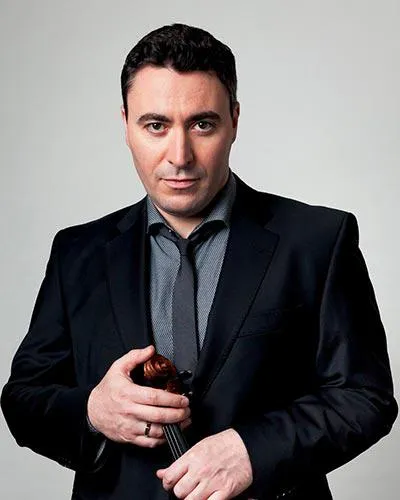
Maxim Vengerov está reconocido como uno de los violinistas más apasionantes del mundo. Ofreció su primer recital a los cinco años y, tras estudiar con Galina Tourchaninova y el profesor Zakhar Bron, ganó el Primer Premio en el Junior Wieniawski Competition a los diez años. En 1990, con quince años, ganó el Carl Flesch International Violin Competition, confirmando su reputación como músico del más alto nivel.
En mayo de 2000, tras un contrato de grabación de diez años con Teldec Classics, Maxim Vengerov firmó un contrato en exclusiva con EMI Classics. Entre sus galardones y premios se encuentran el Gramophone Young Artist of the Year y el Ritmo (España) Artist of the Year en 1994; el Gramophone Record of the Year y nominaciones a los Grammy Award en las categorías de Classical Album of the Year y Best Instrumental Soloist with Orchestra en 1996; el Edison Award al Best Concerto Recording en 1997; el Gramophone Artist of the Year en 2002; y tanto un Edison Award como un Grammy Award en 2004 al Best Instrumental Soloist Performance (with Orchestra) por su grabación del Concierto para violín de Britten y el Concierto para viola de Walton.
En 1997, Vengerov fue el primer músico clásico nombrado Envoy for Music por UNICEF. En ese papel ha conocido y ha tocado para niños desfavorecidos en Uganda, Harlem, Tailandia y a ambos lados de la división étnica kosovar, una labor que le ha permitido tanto inspirar a niños de todo el mundo como animar a otros a recaudar fondos para programas asistidos por UNICEF. Otra pasión de la vida de Vengerov es su dedicación a los jóvenes a través de las clases magistrales. Uno de estos eventos fue grabado por Channel Four Television como parte de un documental sobre Vengerov titulado 'Playing by Heart', proyectado en el Cannes Television Festival en 1999. Desde junio de 2005 es Professor of Violin en la Royal Academy of Music de Londres.
Esa misma pasión por la enseñanza recorre sus clases magistrales en MusicGurus, en las que Vengerov te introduce en el gran repertorio para violín —desde la Tzigane de Ravel y la Carmen Fantasy de Sarasate hasta los conciertos de Sibelius, Mendelssohn, Britten y Shostakóvich—, compartiendo la técnica y la musicalidad que hay detrás de cada frase.







