



Análisis, explicación y demostración con Maxim Vengerov
Lesson time: (54min 7sec)
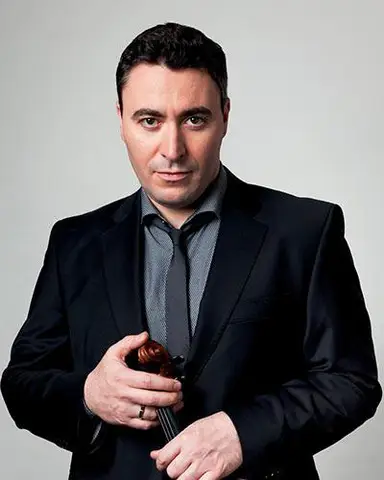
Maxim Vengerov trabaja la Sonata para violín en la menor de Beethoven, y aborda el tempo, el ritardando, el fraseo y el espacio entre frases que hace aflorar su emoción.
Course preview
This lesson is part of the course Beethoven - Sonata para Violín y Piano en La menor Op 23
Watch a preview of the full course below.
Lesson transcript:
Music Lesson
Overview
In today's lesson, we delve into the nuances of playing a baroque sonata, exploring its structure and emotional depth.
Key Concepts
-
Baroque Sonata: We're experimenting with compositions from the past, focusing on two sides: the beginning and the development, which unite in the recapitulation and coda.
-
Characterization:
- The characterization is somewhat lacking.
- Try to interpret the material with more dynamics and tempo variation.
-
Ritardando:
- Be cautious with ritardando where it isn't indicated in the sheet music.
- Understand the emotional weight behind the notes; sometimes, it's necessary to play with more space between phrases.
Performance Tips
-
Space and Expression:
- Pause and Space: Take a breath between phrases. Play as if you're learning to read between the music; stretch it out.
- Emotional Dynamics: Explore character development; it's important to take time and really express the emotions conveyed in the piece.
-
Listening and Collaboration:
- Partner Interaction: In chamber music, listen and react to your partner's playing, as if conversing.
- Play with intention, understand your role within the duet.
-
Technical Focus:
- Right-Hand Practice: Focus on bars six and five for precision.
- Smooth Transitions: Create a seamless transition between instruments. Listen closely to the piano while playing.
-
Musical Intention:
- Dynamic Nuances: Understand the differences between sforzando and other dynamic marks. Use each expressive technique to convey different emotions throughout the piece.
- Long Phrases: Maintain a longer line of music without abrupt cuts to ensure fluidity in the performance.
Interpretation Insight
-
Think of Beethoven's music as a conversation where each character has a distinct role. Pay attention to where you are leading and where your partner may take the lead.
-
Explore the emotional journey. Beethoven often balances conflicting harmonies with an intense narrative. Maintain a clear understanding of these dynamics.
-
Improvisation and Personality:
- It may seem easy at first, but the changes in personality are crucial in Beethoven's pieces. Don't be afraid to experiment with your interpretation.
Conclusion
Remember, creating music is about expressing emotion and character through careful attention to detail. Embrace the challenge of creating a narrative within the pieces you play, recognizing where emotions lead, and ensuring a fluid and intentional performance. Keep working on the dynamics, listening closely, and supporting your fellow musicians as you bring these pieces to life.
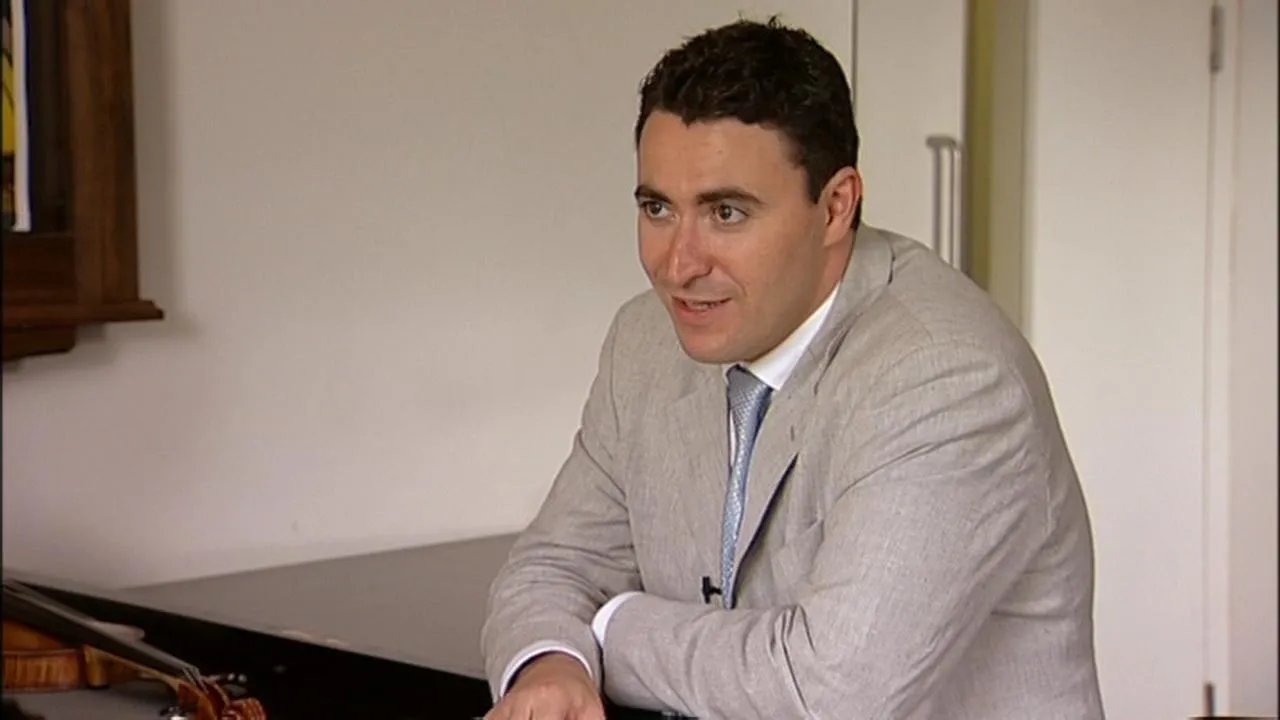
About the instructor
Maxim Vengerov está reconocido como uno de los violinistas más apasionantes del mundo. Ofreció su primer recital a los cinco años y, tras estudiar con Galina Tourchaninova y el profesor Zakhar Bron, ganó el Primer Premio en el Junior Wieniawski Competition a los diez años. En 1990, con quince años, ganó el Carl Flesch International Violin Competition, confirmando su reputación como músico del más alto nivel. En mayo de 2000, tras un contrato de grabación de diez años con Teldec Classics, Maxim Vengerov firmó un contrato en exclusiva con EMI Classics. Entre sus galardones y premios se encuentran el Gramophone Young Artist of the Year y el Ritmo (España) Artist of the Year en 1994; el Gramophone Record of the Year y nominaciones a los Grammy Award en las categorías de Classical Album of the Year y Best Instrumental Soloist with Orchestra en 1996; el Edison Award al Best Concerto Recording en 1997; el Gramophone Artist of the Year en 2002; y tanto un Edison Award como un Grammy Award en 2004 al Best Instrumental Soloist Performance (with Orchestra) por su grabación del Concierto para violín de Britten y el Concierto para viola de Walton. En 1997, Vengerov fue el primer músico clásico nombrado Envoy for Music por UNICEF. En ese papel ha conocido y ha tocado para niños desfavorecidos en Uganda, Harlem, Tailandia y a ambos lados de la división étnica kosovar, una labor que le ha permitido tanto inspirar a niños de todo el mundo como animar a otros a recaudar fondos para programas asistidos por UNICEF. Otra pasión de la vida de Vengerov es su dedicación a los jóvenes a través de las clases magistrales. Uno de estos eventos fue grabado por Channel Four Television como parte de un documental sobre Vengerov titulado 'Playing by Heart', proyectado en el Cannes Television Festival en 1999. Desde junio de 2005 es Professor of Violin en la Royal Academy of Music de Londres. Esa misma pasión por la enseñanza recorre sus clases magistrales en MusicGurus, en las que Vengerov te introduce en el gran repertorio para violín —desde la Tzigane de Ravel y la Carmen Fantasy de Sarasate hasta los conciertos de Sibelius, Mendelssohn, Britten y Shostakóvich—, compartiendo la técnica y la musicalidad que hay detrás de cada frase. read more