



Análisis, explicación y demostración del movimiento de la Fuga
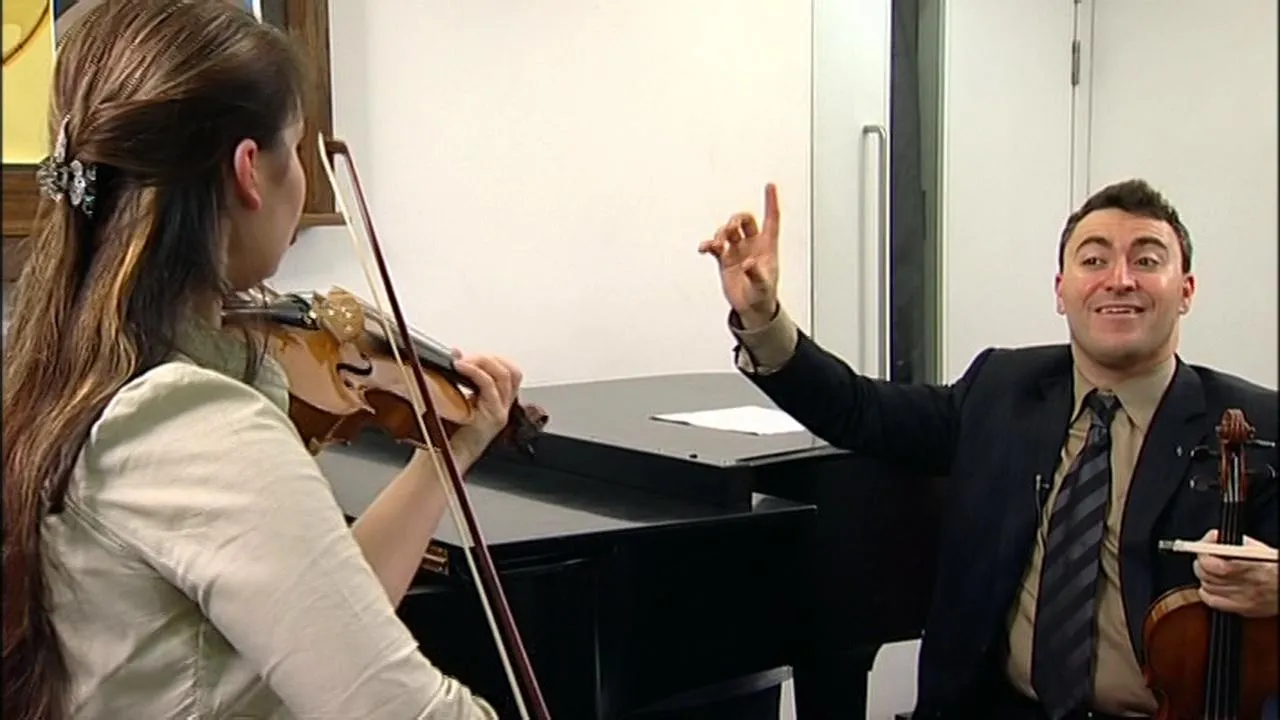
Maxim Vengerov trabaja con Nasrin la Fuga de la Sonata n.º 1 de Bach, centrándose en separar las voces para que el tema principal cante por encima, junto con el tempo y la interpretación.
Qué incluye el curso
5 lecciones (0h 55m) · 1 gratis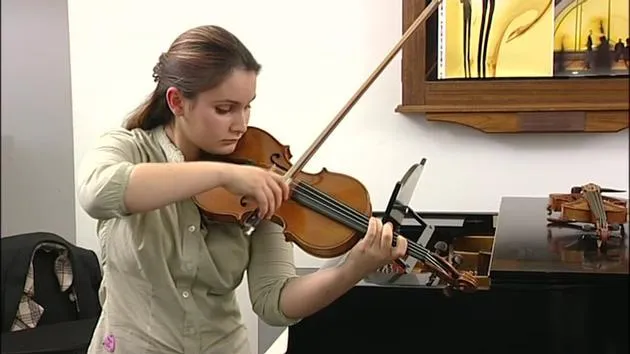
01. Interpretación del movimiento Adagio
Lección gratis5:00
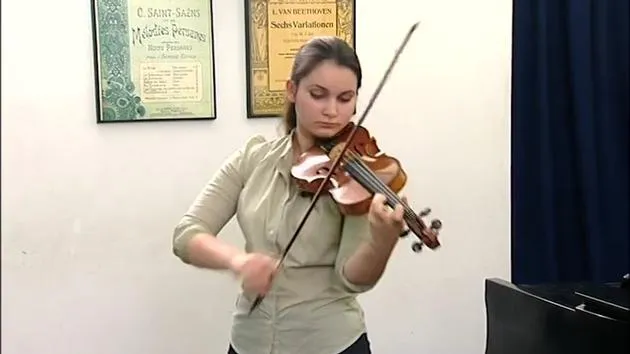
02. Interpretación del movimiento de la Fuga
6:35
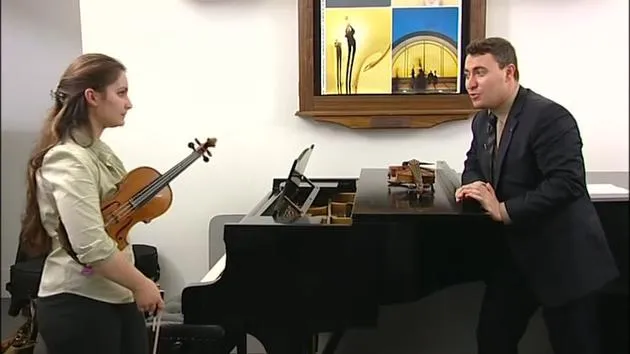
03. Comentarios generales y análisis de Maxim Vengerov
3:26
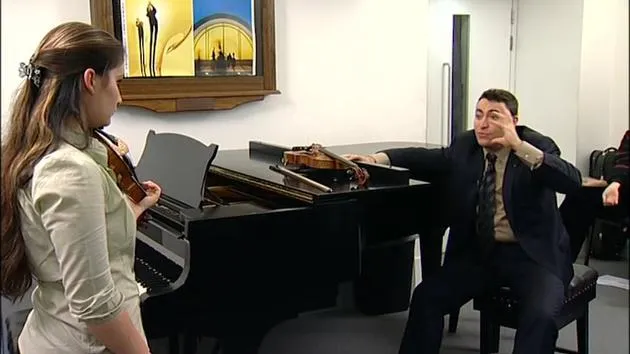
04. Análisis, explicación y demostración del movimiento Adagio
24:35
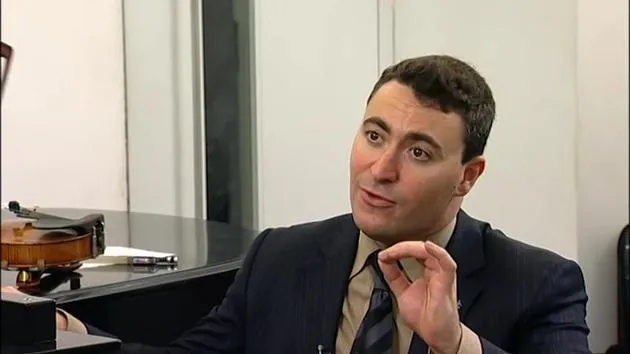
05. Análisis, explicación y demostración del movimiento de la Fuga
Estás aquí16:07
Transcripción de la lección
Music Lesson on Fugue and Intermediate Techniques
Key Points to Remember
-
Separation of Voices
- The fugue is strict and mathematical.
- The main theme has to be heard clearly while the supporting voices should be softer.
- Practice separating movements; apply less pressure on supporting sounds.
-
Listening and Experimenting
- Aim to hear two or three voices simultaneously.
- If supporting voices are too loud, the main theme may become lost.
Understanding Fugue
- Boss of the Fugue: In fugue, you are in control.
- The structure of the fugue needs to be maintained; excessive crescendos from all notes can detract from the music's dance-like quality.
- Focus on accentuating every second or third note with crescendos, ensuring it doesn't disrupt the tempo.
Performance Strategy
- Maintain one tempo throughout the fugue; avoid creating a sense of nervousness about when it will end.
- Utilize calmness and serenity, culminating in an explosive cadenza at the end.
- Ensure the music feels like it's coming from within. The audience should wonder about the sound's origin, believing it's a recording when it's actually you.
Practical Exercise
-
Articulation and Volume Control:
- Take the first note with a certain volume, the second note with a different one, and the third note distinctly.
- Imagine it as if one person is controlling the volume on a TV; adjust the articulation carefully.
-
Focus on Variations:
- Choose exact articulation and separation; avoid exaggeration.
- Maintain precise length and calculated dynamics.
Intermediate Techniques
-
Harmonic Awareness:
- Don't play all the notes without thinking; focus on the harmonic structure.
- Identify if certain harmonies seem foreign and understand their significance.
-
Interpretation and Importance:
- Decide what should be emphasized within the intermediate piece.
- Your interpretation may shift based on how you approach the fugue.
Conclusion
-
Balancing Importance:
- Avoid making all notes sound equally important; this can dilute the essence of the fugue.
- Communicate effectively with the audience by signaling what is less important.
-
Rhythmic Consistency:
- Be aware of when to take time and when to move forward.
- Have a strategy for your performance, emphasizing relative importance.
Thank you very much!
5 lecciones
0h 55m de lecciones en vídeo estructuradas
Funciones de vídeo avanzadas
Ralentiza, repite un pasaje, sigue la partitura
Móvil, tablet y ordenador
Practica donde quieras
Garantía de satisfacción 100%
30 días de garantía de devolución
Conoce a tu gurú
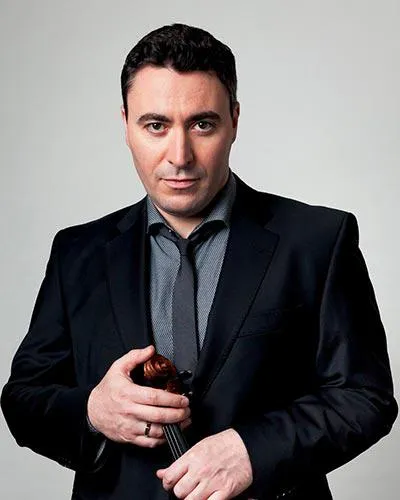
Conoce a tu gurú
Maxim Vengerov está reconocido como uno de los violinistas más apasionantes del mundo. Ofreció su primer recital a los cinco años y, tras estudiar con Galina Tourchaninova y el profesor Zakhar Bron, ganó el Primer Premio en el Junior Wieniawski Competition a los diez años. En 1990, con quince años, ganó el Carl Flesch International Violin Competition, confirmando su reputación como músico del más alto nivel.
En mayo de 2000, tras un contrato de grabación de diez años con Teldec Classics, Maxim Vengerov firmó un contrato en exclusiva con EMI Classics. Entre sus galardones y premios se encuentran el Gramophone Young Artist of the Year y el Ritmo (España) Artist of the Year en 1994; el Gramophone Record of the Year y nominaciones a los Grammy Award en las categorías de Classical Album of the Year y Best Instrumental Soloist with Orchestra en 1996; el Edison Award al Best Concerto Recording en 1997; el Gramophone Artist of the Year en 2002; y tanto un Edison Award como un Grammy Award en 2004 al Best Instrumental Soloist Performance (with Orchestra) por su grabación del Concierto para violín de Britten y el Concierto para viola de Walton.
En 1997, Vengerov fue el primer músico clásico nombrado Envoy for Music por UNICEF. En ese papel ha conocido y ha tocado para niños desfavorecidos en Uganda, Harlem, Tailandia y a ambos lados de la división étnica kosovar, una labor que le ha permitido tanto inspirar a niños de todo el mundo como animar a otros a recaudar fondos para programas asistidos por UNICEF. Otra pasión de la vida de Vengerov es su dedicación a los jóvenes a través de las clases magistrales. Uno de estos eventos fue grabado por Channel Four Television como parte de un documental sobre Vengerov titulado 'Playing by Heart', proyectado en el Cannes Television Festival en 1999. Desde junio de 2005 es Professor of Violin en la Royal Academy of Music de Londres.
Esa misma pasión por la enseñanza recorre sus clases magistrales en MusicGurus, en las que Vengerov te introduce en el gran repertorio para violín —desde la Tzigane de Ravel y la Carmen Fantasy de Sarasate hasta los conciertos de Sibelius, Mendelssohn, Britten y Shostakóvich—, compartiendo la técnica y la musicalidad que hay detrás de cada frase.







