



Las primeras influencias de la guitarra rock
Lesson time: (6min 46sec)
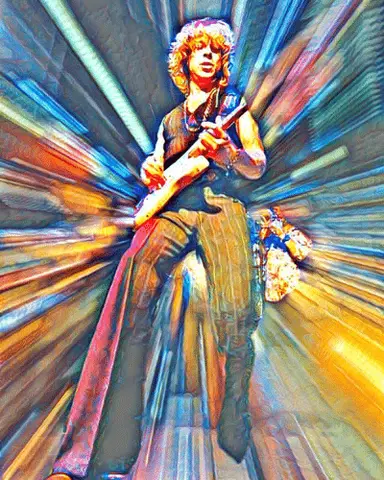
Simon Bartholomew habla del rock and roll, el skiffle y el blues temprano de los años 50 que le engancharon a la guitarra.
Course preview
This lesson is part of the course Aprende los fundamentos de la guitarra funk con The Brand New Heavies
Watch a preview of the full course below.
Lesson transcript:
My Musical Journey: The Roots of Rock and Roll
My first real passion in music was kind of 50s Americana rock and roll. This was in the 70s. At the time, there wasn't really much rock and roll around. There were a few bands copying rock and roll, but I wanted to get back into the original stuff.
When I heard it, it gave me this incredible energy. I think really it's the energy of post-war America booming, and this sound was emerging from the swing bands into a new genre called rock and roll, which was quite a threat to society in America. It was rebellious and a bit teenage. I was around 11 or 12 years old when I first started getting guitar lessons.
Discovering Rock and Roll
Unfortunately, my teacher was able to teach me rock and roll, so I learned the songs I wanted to hear, things like "Summertime Blues." I played electric notes in there, but that stuff really got me excited. Bands like The Who were also influenced by this music.
In many ways, my influences are very similar to those of rock bands like Led Zeppelin and The Yardbirds, who were also digging back into the early blues. My dad was a big fan of a guy named Leadbelly, who sang cotton-picking songs, blues, and folk songs. He wrote "Rock Island Line," which is significant because it contributed to the skiffle movement that led into early rock music.
The Skiffle Craze
During this time, if you were poor, you might have an acoustic guitar, a washboard for rhythm, thimbles, and a bass made out of a broom handle and a piece of string. The skiffle music craze took off in the UK. It was reminiscent of early blues, with its rhythm and blues vibe.
I started collecting records and loved it all:
- Gene Vincent
- Eddie Cochran
- Chuck Berry
- Fats Domino
Then, there was a rebellious rock and roll show called Cruisin' on Capitol Radio. I used to record it on my little cassette machine, playing it back again and again to discover more R&B and a bit of doo-wop.
Jazz Influences
My mum was not heavily into jazz, but she loved artists like Charlie Parker, Lionel Hampton, and Nelly Lutcher. She would take me to Pizza Express in Soho, where I'd sit through jazz performances. I didn't really get it at the time, but it all absorbed into me.
In the beginning, I got my first guitar, a £26 acoustic guitar. I recommend starting on an acoustic guitar because they're harder to play and they hurt your fingers more. You don't want to start with something easy and then go backward. They're also useful for traveling and represent where the blues comes from.
Early Guitar Lessons
On the acoustic guitar, you tend to play more open chords. I learned tunes like "Peggy Sue." Initially, the chords were hard to get used to, but it was really my right hand (if you're right-handed) that became the master of delivering funk and all sorts of music.
One tune, "Peggy Sue," had some really fast passages. It was challenging to wrap my head around back in the day. There were also blues elements coming in that resonated with me deeply, and the feelings those songs evoked were incredible.
Personal Style and Influence
I was starting to get into dressing up, which I'm still passionate about today. It was all about luminous socks and Brill Cream in my hair. I had this one album called The Many Sides of Rock and Roll, which featured the original versions of songs. Inside the gatefold sleeve was an ad for Levi's jeans, featuring a guy standing with a guitar in his stay-pressed Levi's, foot on a box.
I imagined myself in the playground, playing guitar and surrounded by girls, that's one of the reasons I started playing guitar.
It's not just about music; it's about style and your presence. One of the first things I learned was a crucial blues riff. It might not have been brilliant, but that kind of blues thing would give me shivers up my spine.
Listening to it while playing, it had that upstroke that created a funky vibe, simple yet impactful, perfectly fitting within the music.
About the instructor
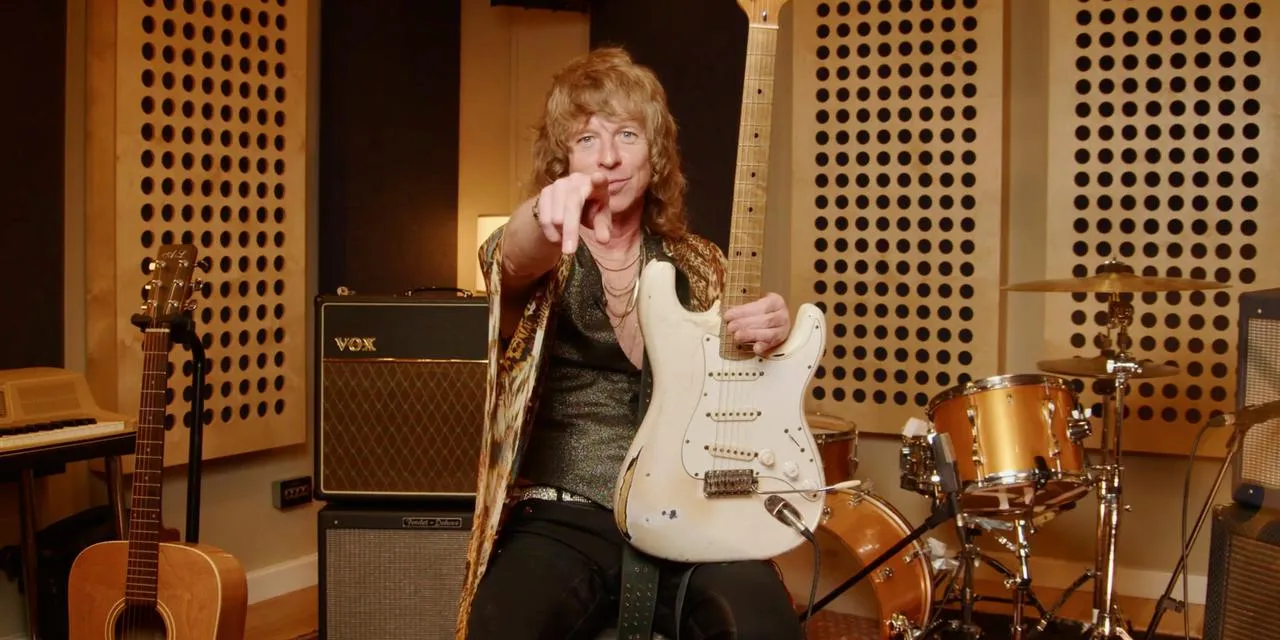
Simon Bartholomew es el guitarrista del grupo británico de funk/pop/soul The Brand New Heavies, una banda conocida por tocar sus propios instrumentos en directo en lugar de apoyarse en la programación informática contemporánea. Ese compromiso con un sonido real, en el bolsillo del groove, es justo lo que lo convierte en un guía tan bueno para la guitarra funk, y el productor Mark Ronson le dijo una vez a Simon que él y Nile Rodgers eran sus guitarristas favoritos. Junto a su compañero de banda Andrew Levy, Simon escribe, produce, mezcla y supervisa el funcionamiento de una banda plenamente activa que gira y graba. La pareja se conoció en el instituto y, tras oír funk en el club The Cat In The Hat, empezó a improvisar juntos; una vez que los DJs del club pincharon uno de sus temas, 'Catch That Beat', desde una cinta de casete, la banda comenzó su ilustre andadura. Desde aquellos primeros días en Londres hasta viajar por todo EE. UU. y Japón, la banda prácticamente ha recorrido el mundo entero, contribuyendo a impulsar la primera escena de Hip Hop en Los Ángeles y Nueva York y convirtiéndose en los principales exponentes del movimiento Acid Jazz de comienzos de los 90. The Brand New Heavies acumulan ventas de discos de platino y oro a lo largo de sus numerosos álbumes y han tenido varias canciones en bandas sonoras de películas, en especial Happy Feet, que utilizó una canción de su álbum Heavy Rhyme Experience, citado como el primer álbum de rap que empleó una banda en directo. Las influencias musicales de Simon son profundas y amplias: Blues, Jazz, Soul, Rock, Punk, Psicodelia, Prog Rock, Clásica y Classic Rock, y prácticamente cualquier otra cosa, desde las bandas y orquestas en directo por toda la televisión mientras crecía hasta la música más rara que descubrió en el John Peel Show y a través de las colecciones de discos de sus amigos. Aunque sigue girando y grabando con The Brand New Heavies, también ha compuesto música para documentales y ha trabajado en proyectos como Akimbo y 1ibear, con más en preparación. La misión de Simon es fusionar el Rock y el Funk y, como él dice: 'Hay funk en todo si simplemente lo buscas y lo sientes.' Ese es exactamente el espíritu que aporta a Learn the Fundamentals of Funk Guitar with The Brand New Heavies. read more