



Blue Counterpoint (lección)
Lesson time: (9min 44sec)
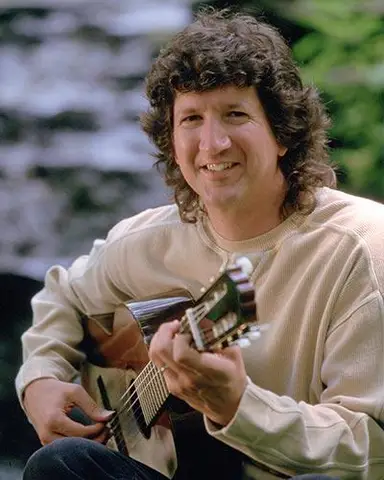
David Cullen enseña Blue Counterpoint, una pieza con aroma de rock and roll para guitarra clásica construida sobre acordes de sexta y jazzísticos acordes de novena.
Course preview
This lesson is part of the course Jazz, clásica y más allá
Watch a preview of the full course below.
Lesson transcript:
Music Lesson: Blue Counterpoint
Welcome! Today, we're diving into the tune Blue Counterpoint. It's a fun piece, reminiscent of rock and roll played on classical guitar. Let's get started!
Introduction
- We'll begin with an introduction and work on getting into the groove.
- Start slowly with the metronome to feel the beat and tempo.
- I'll set a click on the 2 and 4 beats so you can really internalize the pulse.
"Notice how I anticipate that 16th note at first. That's where we need the click."
Now, let's move to a faster tempo!
Verse
The verse features sixth chords, chords that include a sixth note.
Chord Progression:
- E
- C#
- G#
We then descend that shape and go up to the 12th fret, playing over A in the bass.
"Let's hear that with the click slowly."
Now, let's speed it up!
Chorus
Next, we head into the chorus, which includes more jazz chords, specifically, ninth chords.
- I play those at:
- Seventh fret
- Ninth fret
Then we transition to another E7 chord with G# in the bass, repeating the ninth figure again higher up.
"Let's hear it to the click slowly to get our groove going."
Post-Chorus
Moving on to the post-chorus, I substitute a B major chord with a B minor 7th chord and introduce:
- A sus 13 chord
- A standard A13 chord
- B11 chord
I take off my index finger, put it back on, and then return to that little figure.
"Let me play that again for you slowly."
Now, let's hear that with the click, slowly to get it in the groove!
Tips:
- Sliding: Ensure you slide into those notes, up to the E and down to the A.
- Riffing: A nice little-sounding riff, which includes pulling off:
- From C# down to B (9th to 7th fret)
- From G to G# (8th to 7th fret)
- Down to the open E.
Let's speed up that whole section!
Ending
As we approach the ending, focus on grooving, really feel the beats on 2 and 4.
"Count it in as 1, 2, 3, 4: 1, 2, 3, 4, 1, 2, 3."
- Try tapping your foot on 2 and 4 for a tighter feel.
- Let's count it together: One, two. One, two, three, four.
Slow Practice:
"Let's try that slower so you can really get in the pocket with me here: 1, 2, 3, 4, 4."
Now, let's do it just a little bit faster!
About the instructor
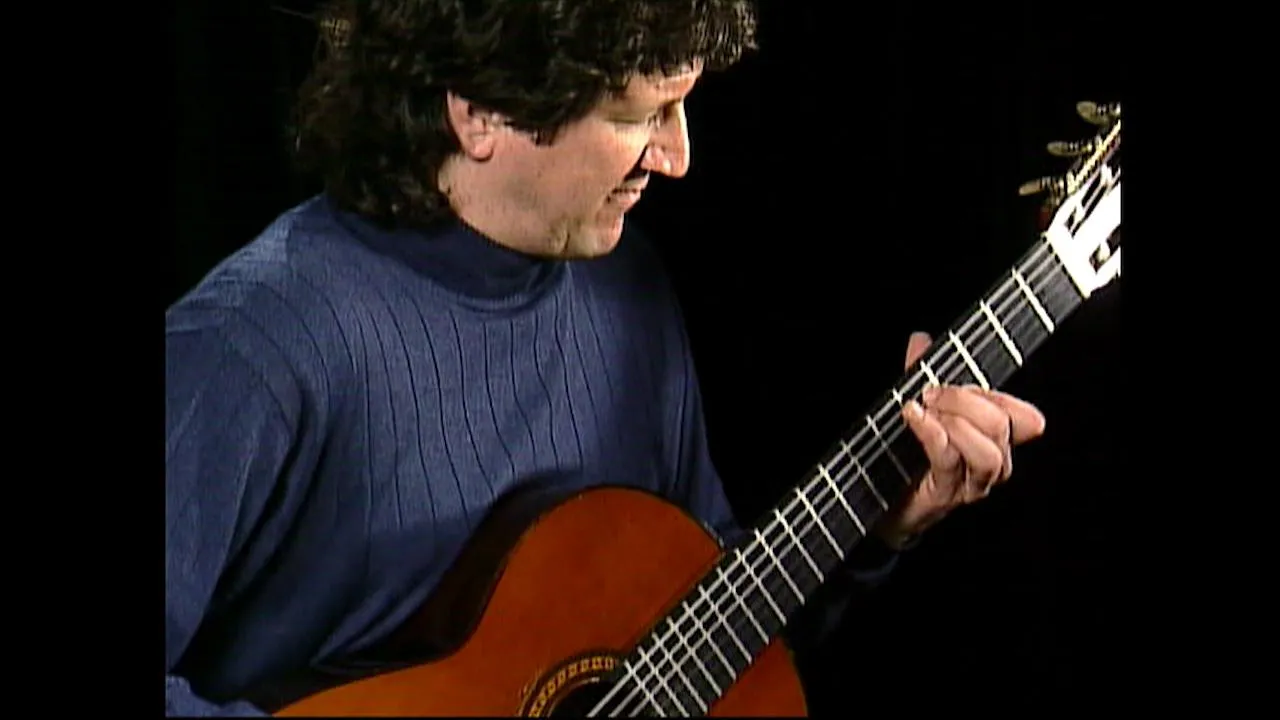
David Cullen es ganador de un premio Grammy a la Mejor grabación instrumental de pop. Ha actuado con Will Ackerman, Samite, Michael Manring, Victor Wooten y la Philly Pops Orchestra, y obtuvo su licenciatura en Música en Interpretación de Guitarra Clásica en la Hartt School of Music. Maestro de la guitarra acústica fingerstyle en solitario, David se mueve con fluidez entre la técnica clásica, la armonía y la improvisación del jazz, y sus propias composiciones originales. Ha actuado por toda Norteamérica para Sociedades de Guitarra Clásica, festivales de jazz y ciclos de artes escénicas, ha publicado 10 CD con el sello de guitarra acústica Solid Air Records y sus grabaciones han sonado en emisoras de la NPR de todo Estados Unidos. Su trabajo de estudio incluye el Windham Hill Guitar Sampler y otras recopilaciones de Windham Hill. David también ha publicado dos libros con Warner Brothers Publications: "Jazz, Classical, and Beyond" y "Grateful Guitar". read more