



Masterización - conversación
Darrel y Caspar de Gearbox Records explican en qué consiste realmente la masterización y por qué un gran máster empieza con una gran mezcla.
Qué incluye el curso
11 lecciones (1h 35m) · 1 gratis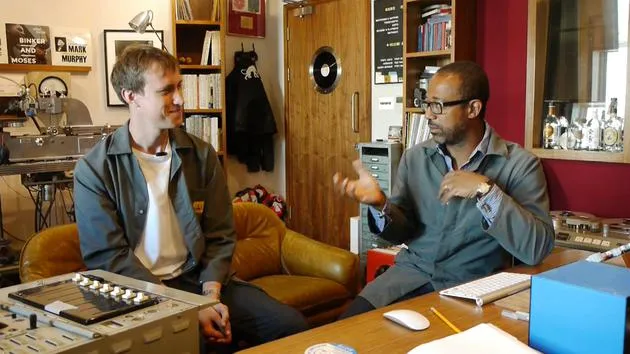
01. Introducción a Gearbox Records
Lección gratis4:00
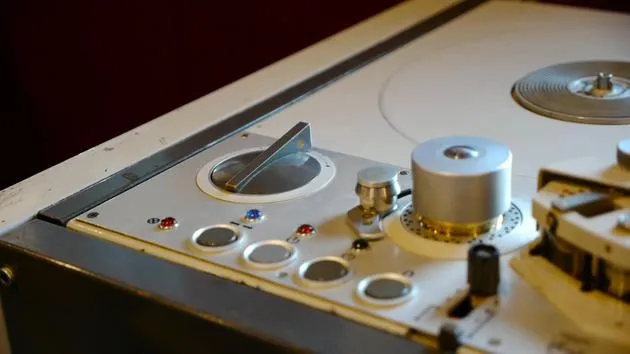
02. Introducción al hardware del estudio
8:50
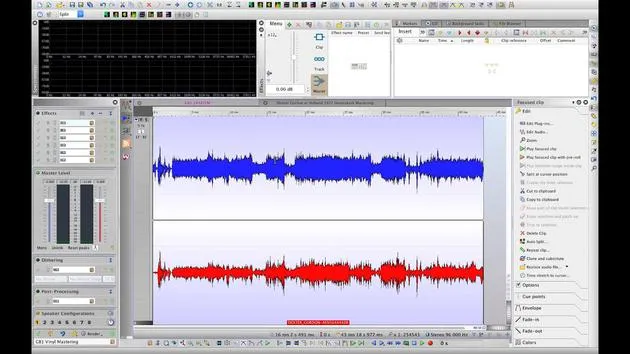
03. Introducción al software de estudio
1:53

04. Preparación para la masterización
6:21
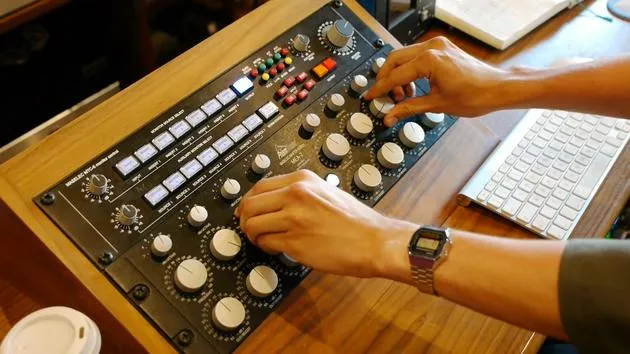
05. Mastering - demo
4:33
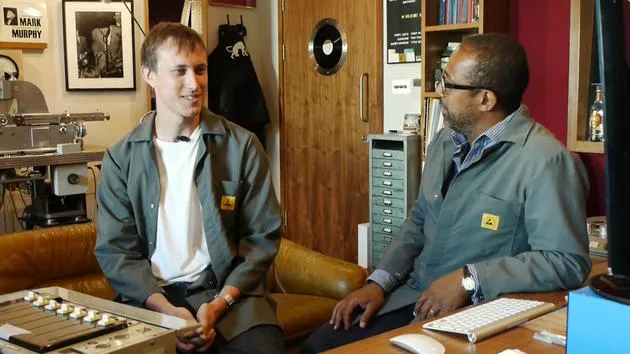
06. Masterización - conversación
Estás aquí13:24
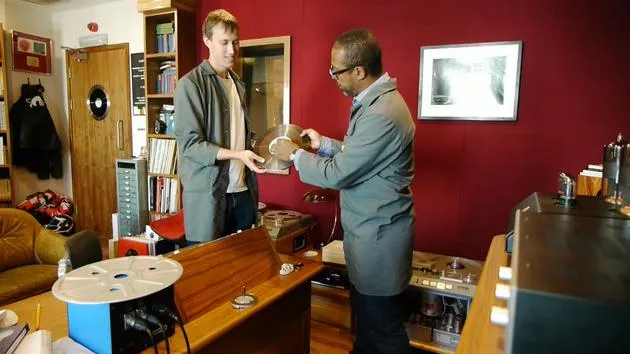
07. Studer C37
26:00
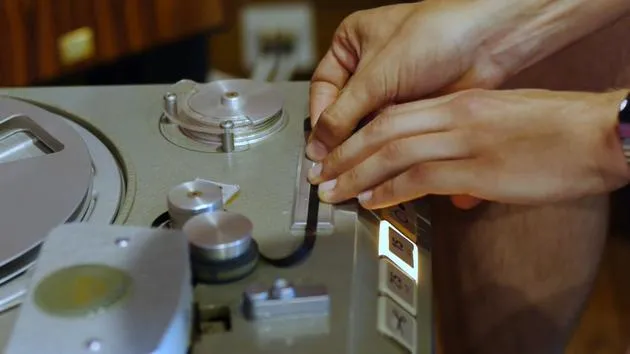
08. Empalme de cinta
5:19
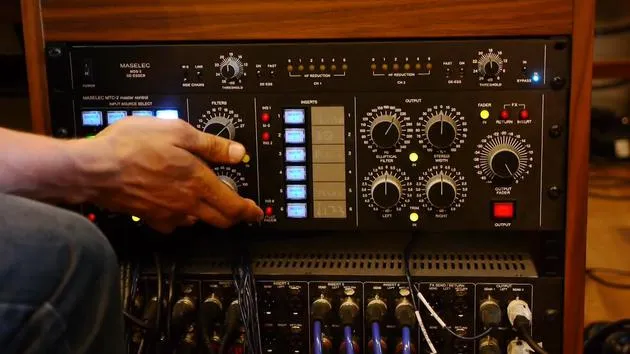
09. Filtros y precauciones antes de cortar a laca
4:27
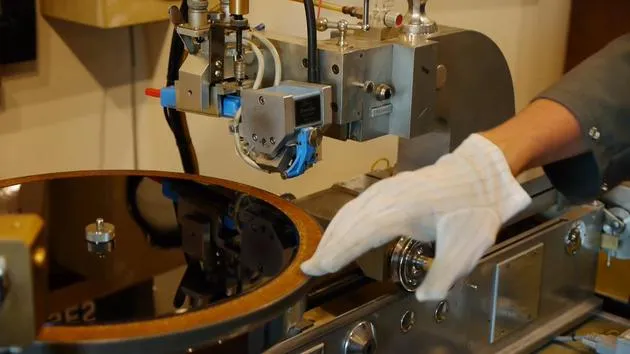
10. El torno de corte de lacas
11:32
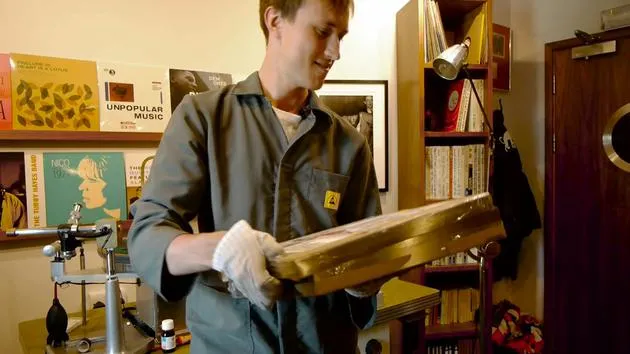
11. Control de calidad, prensajes de prueba y duplicación
9:23
Transcripción de la lección
Music Mixing and Mastering: Key Insights
The Importance of the Original Mix
One of the key aspects of mixing, particularly when mastering, is recognizing how significantly it is affected by the quality of the original mix.
"A good mix seems to give us a lot of flexibility."
For example, we worked on a track by Shirley Collins for Domino. Jamie, the mix engineer, did a fantastic job, enabling us to easily adjust the EQ on different parts of the music without adversely affecting other sections.
Challenges in Mastering
When mastering, boosting frequencies, like 2 decibels at 400 hertz, can affect other elements, even with a high Q setting. Thus, mix engineers need to consider:
- Removing clashing frequencies between instruments and vocals.
- The complexity of bigger mixes, such as a large classical orchestra versus simpler compositions like Shirley Collins'.
The Loudness War
While the loudness wars were once a pressing concern, many mix engineers are now pulling back.
"People are now reining it in again, which is good."
Maintaining dynamism is crucial, as it's difficult to restore dynamics if they have been overly compressed in the mix.
Listening Techniques
Casper and I employ different approaches to listening to music:
- My Approach: Outboard-driven, often recalling everything off notes.
- Casper's Approach: Inboard-driven, recording as he goes.
When I first listen to a piece, I focus on the outer extremes:
- Start with high and low frequencies.
- Look for anything ducking or behaving oddly.
Initially, I may over-EQ to gauge what the extremes are doing before refining the sound.
Balancing Frequencies
A key aspect is achieving a balance across frequencies. No particular frequency should overpower others.
- If a muddy hum is present around 200-300 hertz, it can negatively impact the overall mix.
- Using a "less is more" approach is often beneficial.
Examples of EQ Application
We recently encountered a piece where the voice was lost in the mix. Despite the mix engineer's efforts to use EQ, the voice was overshadowed by falsettos, rendering it less powerful. We discovered:
- The issue lay between 501k hertz.
- A subtle boost in that range allowed the voice to pop out more effectively without altering the rest of the mix.
Frequency Tips
Certain frequencies complement specific instruments and voices:
- For adding presence to vocals: 500 Hz to 1 kHz.
- For boosting bass: 80-90 Hz.
- For adding sheen to the overall mix: around 9 kHz.
While enhancing is common, so is removing frequencies that contribute to muddiness, especially in the mid-range.
Learning and Experience
I learned mastering from two accomplished engineers, Jeremy Cooper of Soundtrap and Ray Staff at Air Studios. My background:
- Drummer since the age of 13.
- Pianist with experience in audiophile sound systems.
- Built my studio to refine the skills I learned from these masters.
Casper, too, has a diverse background:
- Saxophone player with years of live gigs and recordings.
- Self-taught through music technology.
Continuous Improvement
Mastering is often a trial-and-error process. Every job provides new learning opportunities:
- Organic growth in skills is essential.
- High-quality monitoring equipment is crucial for making informed adjustments.
The Importance of Honesty in Mastering
As a record label, we prioritize honesty about sound quality.
"Simplifying the mastering process can lead to great results."
Being musicians ourselves enhances our understanding of what sounds good, reinforcing the belief that listening is key. Ultimately, it's about whether the changes improve the sound, if they don't, they shouldn't be made at all.
11 lecciones
1h 35m de lecciones en vídeo estructuradas
Funciones de vídeo avanzadas
Ralentiza, repite un pasaje, sigue la partitura
Móvil, tablet y ordenador
Practica donde quieras
Garantía de satisfacción 100%
30 días de garantía de devolución







