Arpegios de séptima dominante

Con
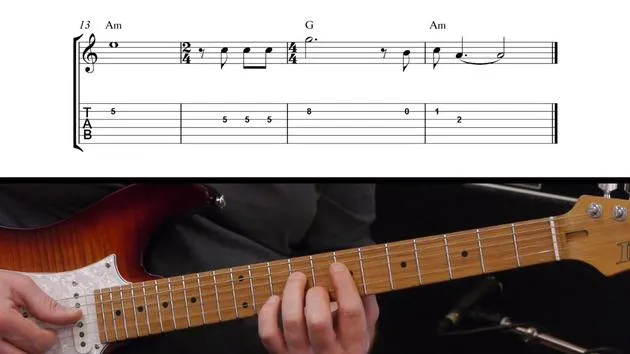
Frank DollFrank Doll muestra el arpegio del acorde de séptima dominante de G en el diapasón —formado por tercera, quinta y séptima menor— y cómo aplicarlo.
Qué incluye el curso
13 lecciones (1h 39m) · 1 gratis
01. Segundas y cuartas
Lección gratis16:40
02. Armonización con tríadas
4:28
03. Sextas
7:36
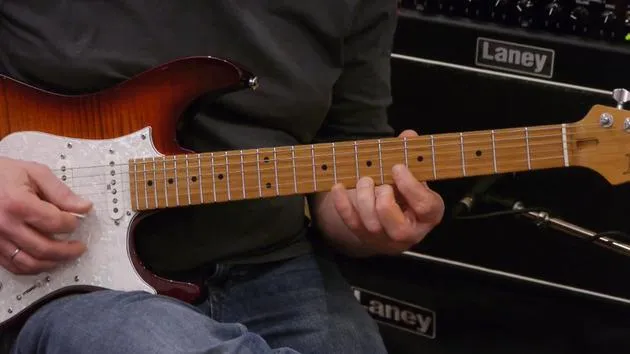
04. Arpegios de séptima mayor
7:14
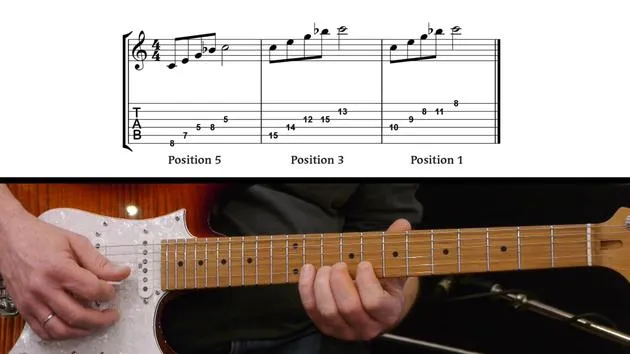
05. Arpegios de séptima dominante
Estás aquí9:24
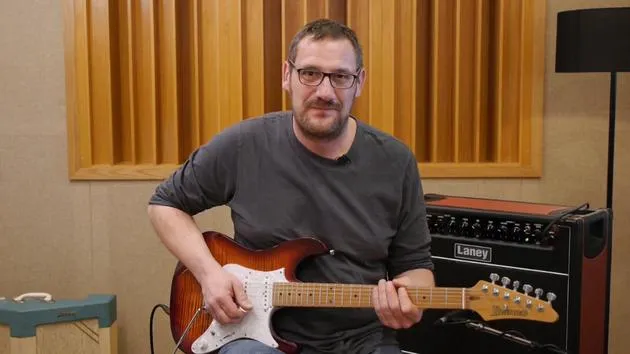
06. Arpegios de séptima menor
4:43
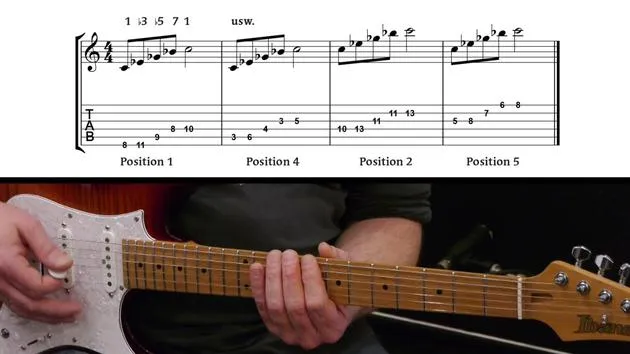
07. Arpegios de menor7b5
3:02
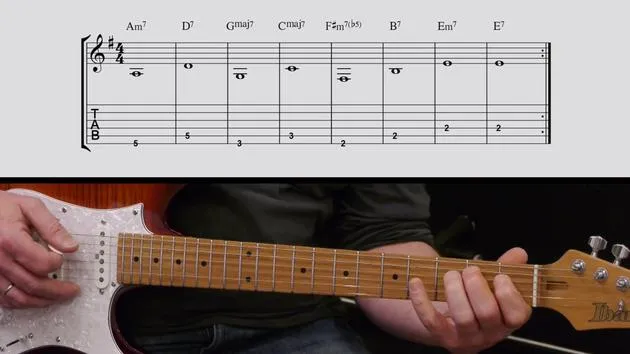
08. Ejercicios sobre los acordes de cuatro notas
4:16
09. Drop3 Voicings
7:22
10. Ejercicios sobre los Drop 3 voicings
11:45
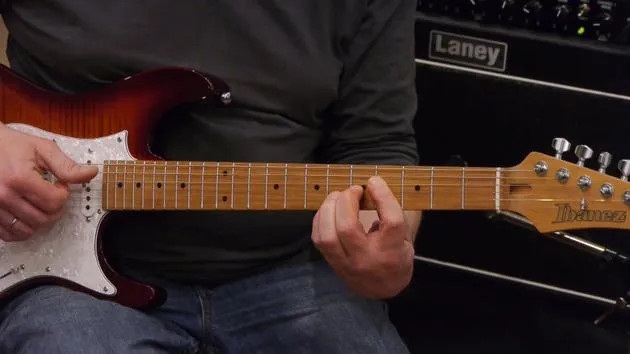
11. Drop 2 Voicings
8:33
12. Ejercicios sobre los Drop 2 voicings
8:58
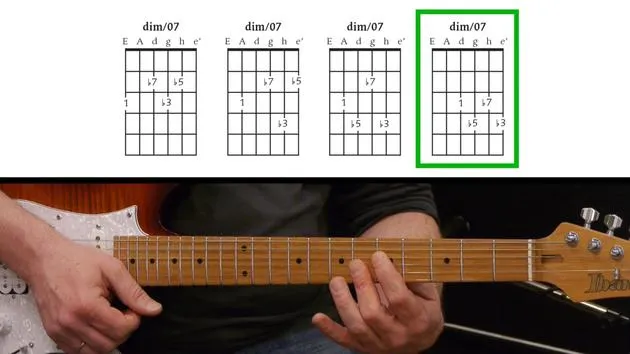
13. Acordes de séptima disminuida
5:36
Transcripción de la lección
Quinte Glyniseptim Grunton Arpeggio
Introduction
In this lesson, we will explore the dominant seventh arpeggio of G, including its components and applications in various musical contexts.
Dominant Seventh Arpeggio Breakdown
- The dominant seventh of G is:
- F (the seventh)
- A (the major third)
- D (the fifth)
Components
- The quint (fifth) is diminished.
- This leads us to the seventh (F), which is a lowered tone that progresses downwards.
Finger Positioning
- Use the following method to position your fingers:
- Klein finger (pinky) on the appropriate fret.
- Follow with Grunton positioning for analog placement.
Important Positions
- 15th Position:
- Incorporate:
- Terz (third)
- Quinte (fifth)
- Kleine Septime (minor seventh)
- Incorporate:
Practical Applications
- The dominant seventh chords are crucial in:
- Jazz
- Blues
- Pop music
Blues Improvisation
- Utilize the dominant septa scheme or a combination with energetic rhythmic patterns:
- Example Pattern: Blues big Leitungs pattern.
Conclusion
Focus on mastering the dominant 7 arpeggio through various exercises, from Gilliant VVS to practical applications in blues, improving your overall proficiency on the guitar.
Suggested Practice
- Incorporate Yeti modes and explore the styles influenced by Thai Ashbetter and Liktun.
Stay consistent, and happy playing!
13 lecciones
1h 39m de lecciones en vídeo estructuradas
Funciones de vídeo avanzadas
Ralentiza, repite un pasaje, sigue la partitura
Móvil, tablet y ordenador
Practica donde quieras
Garantía de satisfacción 100%
30 días de garantía de devolución
Conoce a tu gurú
Conoce a tu gurú
Frank Doll, nacido en 1972, estudió en la Music College Regensburg antes de cursar musicología, filología alemana y lingüística en la Universidad de Ratisbona. Atraído de nuevo por la guitarra, se formó posteriormente en el Munich Guitar Institute (MGI). Trabaja como profesor de instrumento desde 1998, junto a innumerables actuaciones dentro y fuera del país en el rock, el pop, el teatro musical y la música ligera. Actualmente enseña en la rama de música de la Edith-Stein-Realschule de Parsberg y dirige la Musikwerkstatt Frauenberg desde 2006. En MusicGurus, sus cursos en alemán Griffbrett Theorie trazan el diapasón de la guitarra de forma sistemática —intervalos, posiciones de acordes, posiciones modales y teoría aplicada— para los guitarristas que quieren entender el mástil, no solo memorizar formas.