



Analyse des Impromptu Nr. 3 mit Stephen Kovacevich
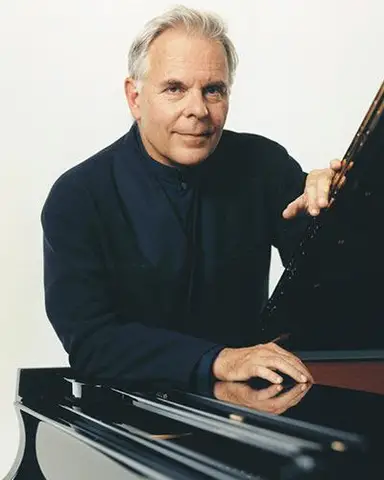
Lesson time: (15min 16sec)
Stephen Kovacevich begleitet einen Schüler durch Schuberts Impromptu Nr. 3, Op. 90, und arbeitet an Tempo, Anschlag und Pedalspiel.
Course preview
This lesson is part of the course Schubert - Impromptus Nr. 1 und Nr. 3, op. 90
Watch a preview of the full course below.
Lesson transcript:
Music Lesson Formatting
Introduction
I think we have to go to another one. Can we go to number three, which is one of the greatest of all? You know that when it was first published, it was in G flat major. His publisher sent it back and said, "Nobody can play it. You have to do it in G major."
Tempo and Touch
-
Discussion on Tempo:
- "Okay, okay. I'm going to accept the tempo."
- "I think it can be a little more undaunted, but I'm not going to."
-
Touch Feedback:
- "Your touch, it's you."
- "Begin! Uh. Oh, don't sit on it."
Relationship to Accompaniment
- "It's also the relation to the accompaniment."
- "Maybe let just vibrate a little bit before."
"Okay, that's good. I'm not stopping you because it wasn't good."
Pedaling Techniques
- "Try pedaling as an upbeat to make the piano already vibrating so that you don't start dry."
- "The piano is already... Yeah, good."
Expression and Interpretation
- "It's beautiful, but it's conventional."
- "Try in your head or your heart, or wherever you choose your tempo. Alebrev. It's Alebrev."
"Good. Think ala breve. Okay. It can be like this. It absolutely can be."
Love Declaration
- "But just for today, if it's a love declaration, it's very interesting."
Historical Perspective
"The way we play the codas of the Rachmaninoff concertos today is completely different from the way it was done when Rachmaninoff was playing it and Horowitz was playing it."
- "Today we have... And it's beautiful. We're always spacious."
"I think Hollywood has its, you know, the sunset and everything, but passion is always slow. It's a modern phenomenon."
Emotive Changes
- "And you hear Toscanini and Rachmaninoff, Horowitz footwing. It's often quite fast."
- "In other words, it is a love declaration, but the person is so intoxicated by the feeling. And you have a certain distance when you're too slow. Ala breve."
Expressing Dynamics
- "Okay, I think what shows... I mean, this piece isn't all in one tempo, each bar. Okay, I accept that."
"But I think the fact that he needs to add timpani in the trill means the emotions are really getting quite."
Capturing Colors
- "You're staying away. You don't show the extremes."
- "When he goes down to a pianissimo, this is... I'm sorry to talk. This is someone next to your pillow that you're talking to in pianissimo. And the other is someone in the same room."
"It's all these different things. You have to capture all these colors."
Urgency and Crescendo
- "Good. Go on soto voce. Again. Now it's urgent. Again. Go."
- "Now, crescendo. Go, go. Now open up the piano. Open. Away, away."
Levels of Intensity
- "Okay, I ask you not to repeat the same level of intensity."
- "Your left hand was beautiful, and it's forte again. But not strictly the same. It's more probably the second time."
"You must develop. Go on. Ding. The first one. Now pure forte."
Courage and Dynamics
- "Okay? What was beautiful was the pianissimo. And then you lost courage."
- "You lost courage and you started being bel canto again."
"It was beautiful. And then what does he ask for? Public? You. Me? He asks for three P's."
Striving for Perfection
- "It's like Tchaikovsky asks for five F's, you know, he's much more extreme."
- "Try, and anywhere. Here. This was beautiful. Stay, stay. And then it goes even less."
"Try. Yeah, sure, sure, sure. Beautiful. Three P's."
Final Thoughts
- "Nothing. Okay, that is okay."
- "But what he asked for sforzato in the middle of the second bar, Schubert. Maybe he means suddenly, in a way."
"The music is so impassioned that it needs a trill, needs timpani."
Conclusion
- "Try from before. Yes. Could the trill? The trill break us as well?"
- "Yeah, yeah, yeah. Not so classical now."
- "Real crescendo. Good. Back to pianissimo. Beautiful."
"Okay, end it once more. A couple bars. End it really beautifully. Don't at the end, no accent."
- "Good. You took a bit of time then. That's good. I think that's something to work on. Bravo."
About the instructor
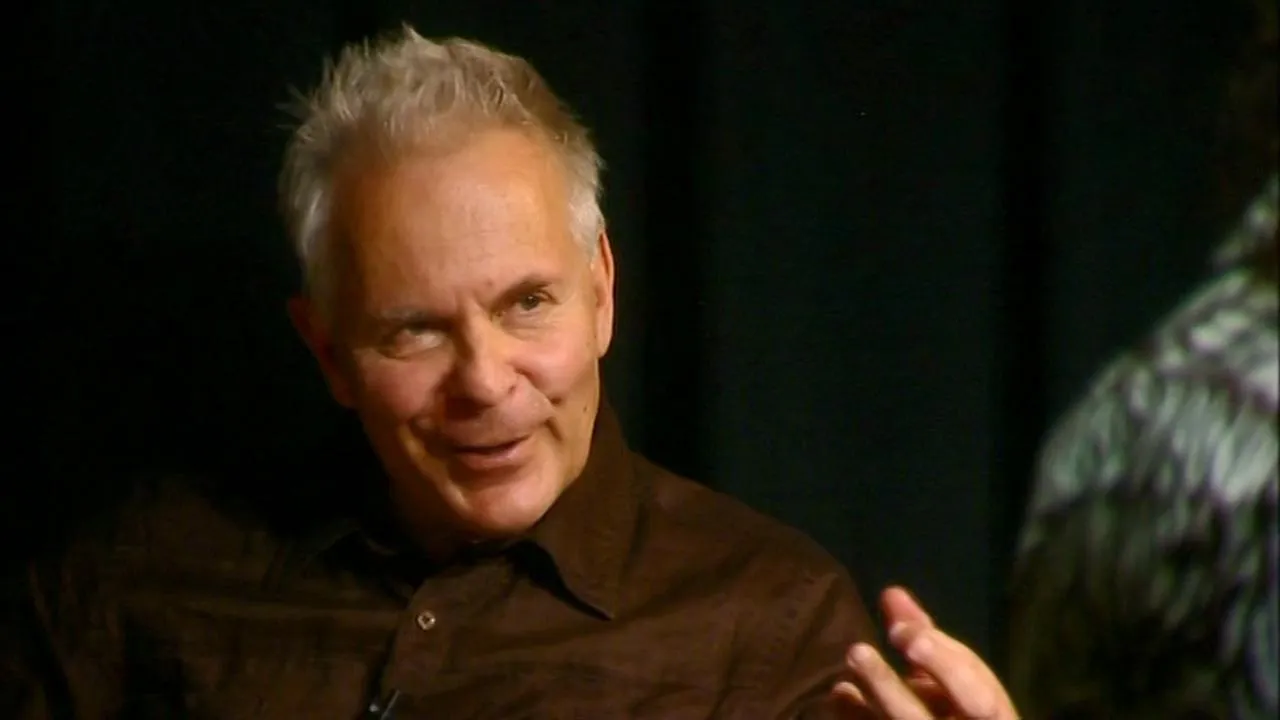
Stephen Kovacevich ist einer der forschendsten Interpreten am Klavier und hat sich mit seinem Spiel von Beethoven, Brahms, Mozart und Schubert unübertroffene Bewunderung erworben. Neben seiner langen und angesehenen Laufbahn als Solist hat er viele Jahre lang dirigiert und für seine Arbeit mit Orchestern in aller Welt im Repertoire des 18. und 19. Jahrhunderts warmes Lob geerntet. In Los Angeles geboren, gab er sein Konzertdebüt als Pianist im Alter von 11 Jahren. Mit 18 zog er nach England, um bei Dame Myra Hess zu studieren. Sein internationaler Ruf gründet sich sowohl auf seine Konzertauftritte, die für ihre Nachdenklichkeit und nachschöpferische Intensität gerühmt werden, als auch auf die hochgelobten Aufnahmen, die er im Laufe seiner Karriere gemacht hat. Kovacevich pflegte zwei langjährige Beziehungen zu Plattenfirmen, zunächst Philips und dann EMI. Seine Konzertaufnahmen für Philips, darunter Beethoven, Schumann und Bartók, sind seit Langem feste Größen des Katalogs. Als Exklusivkünstler von EMI nahm er beide Klavierkonzerte von Brahms mit dem London Philharmonic Orchestra und Sawallisch auf. Die weiteren großen Projekte seiner Arbeit mit EMI waren eine fesselnde Reihe von Schubert-Sonaten und eine 2003 vollendete Gesamteinspielung der 32 Beethoven-Sonaten, die als eine der maßgeblichsten je aufgenommenen gefeiert wurde. Seine Aufnahme der Diabelli-Variationen für Onyx gewann 2009 den Classic FM Gramophone Editor's Choice Award. Bei Kovacevich zu studieren ist ein direkter Zugang zu diesem interpretatorischen Geist: wie er eine Phrase formt, die Architektur bei Schubert, Beethoven und Chopin findet und Technik in Musik verwandelt, die wirklich etwas bedeutet. Es ist eine seltene Gelegenheit, dieses Repertoire von einem Pianisten zu lernen, der ein ganzes Leben darin verbracht hat. read more