



Umbrabella
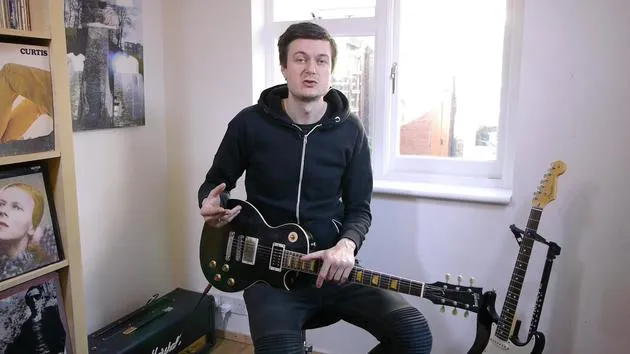
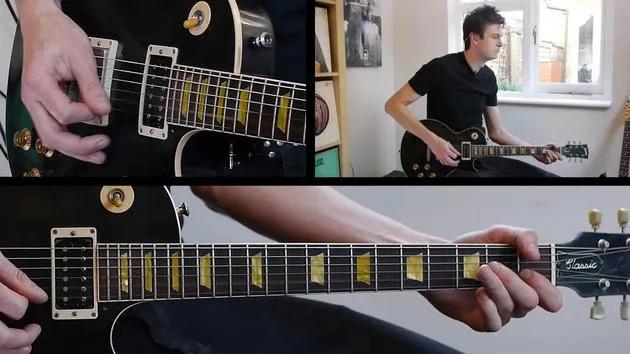
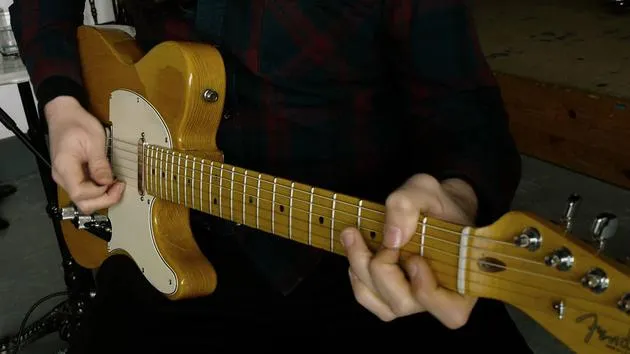
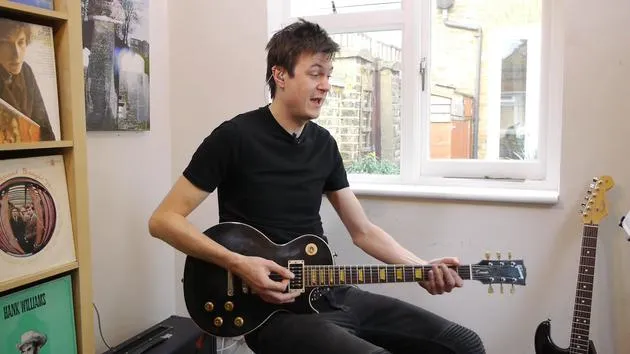
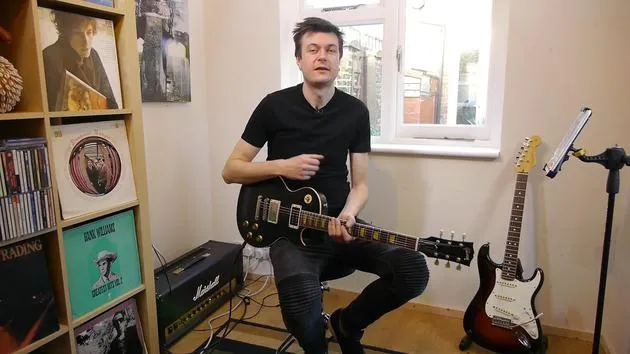
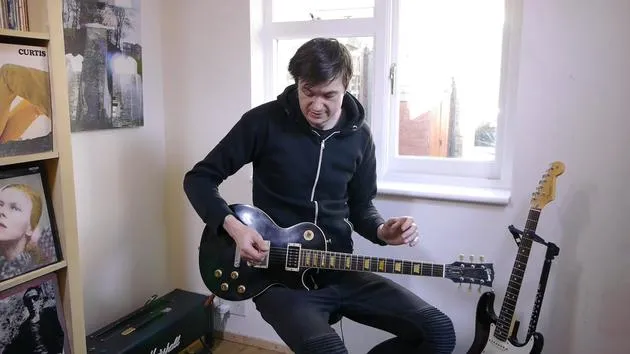
James Barratt geht 'Umbrabella' durch, ein Grade-1-Instrumental im Stil der Shadows, und konzentriert sich auf den cleanen Gitarrensound und die Melodie, die das Stück zum Leben erwecken.

Das steckt im Kurs
38 Lektionen (2h 32m) · 1 gratis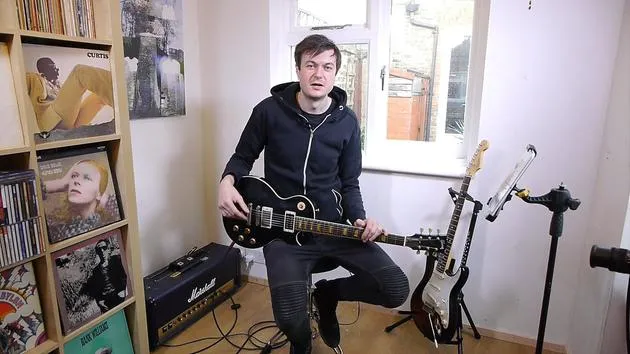
01. Einführung in die Ansätze der Improvisation
1:00
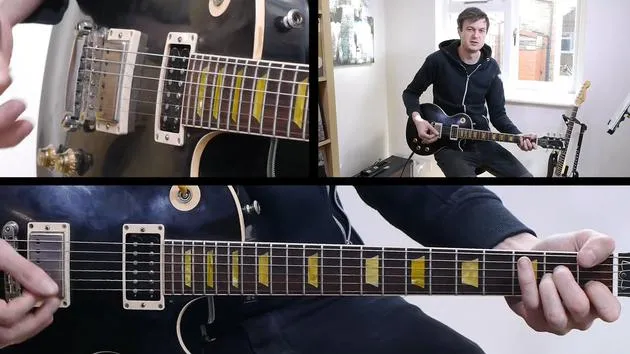
02. Erste Schritte in der Improvisation
9:22
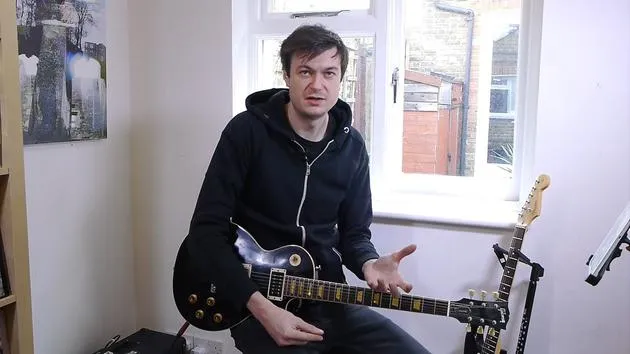
03. Mit Akkordtönen improvisieren
10:18
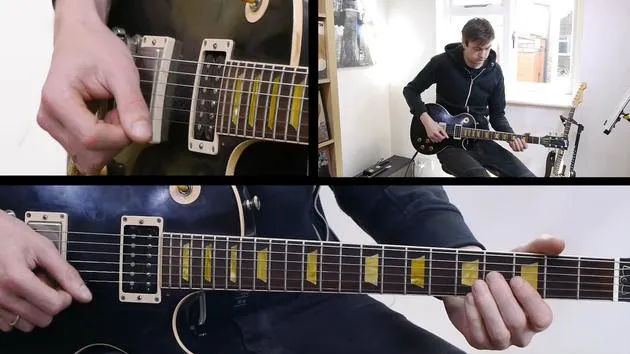
04. Aufgabe: Akkordtöne finden
4:05
05. Rhythmisches Interesse in deine Soli bringen
4:11
06. Aufgabe: Über einen Akkordwechsel improvisieren
2:52
07. Challenge: Reiche deine Improvisation ein
0:24
08. Rhythmische Improvisation und Comping
9:55
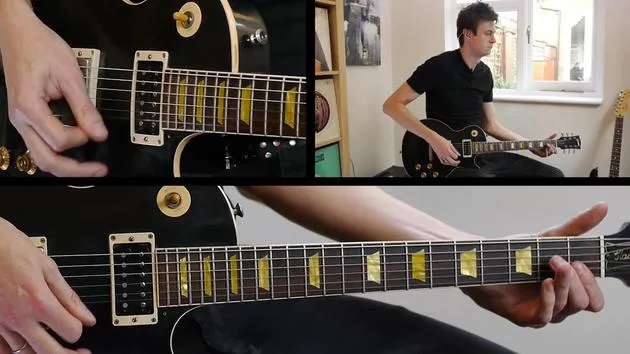
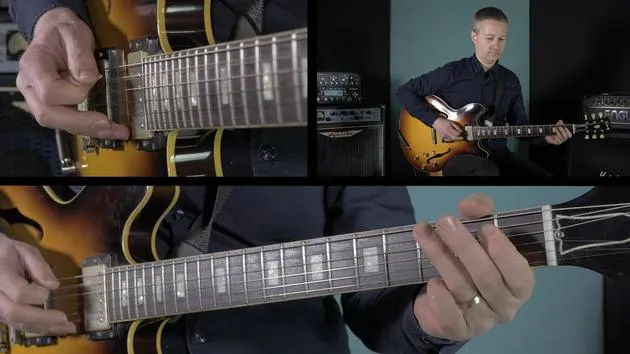
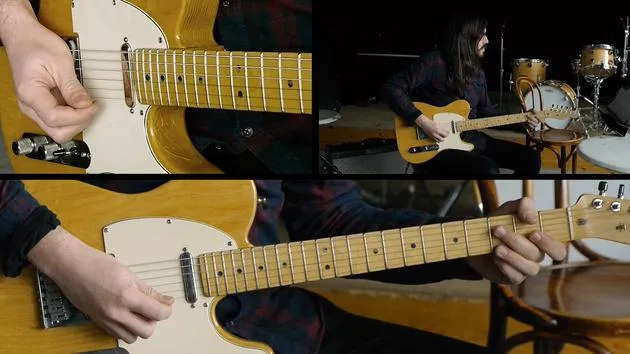
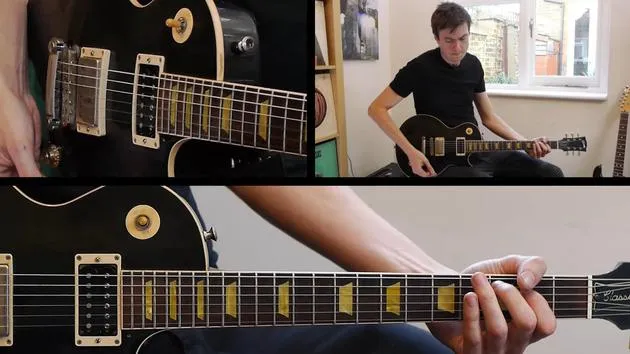
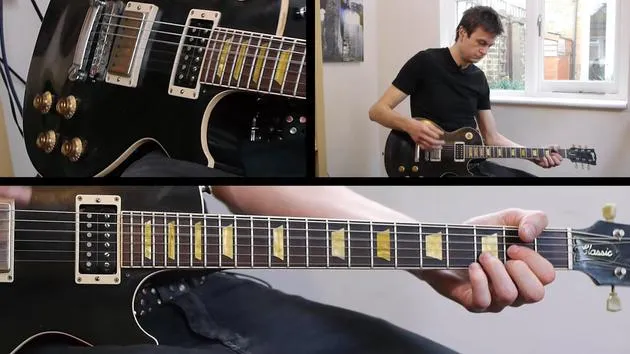
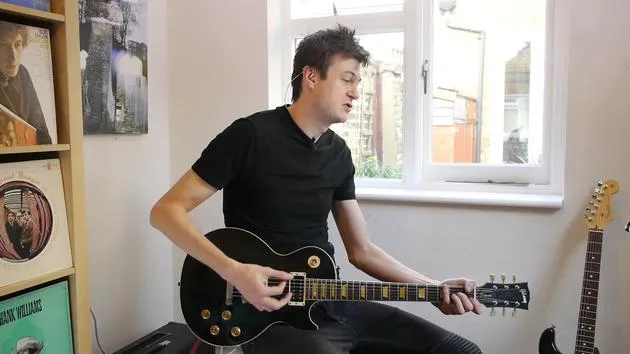
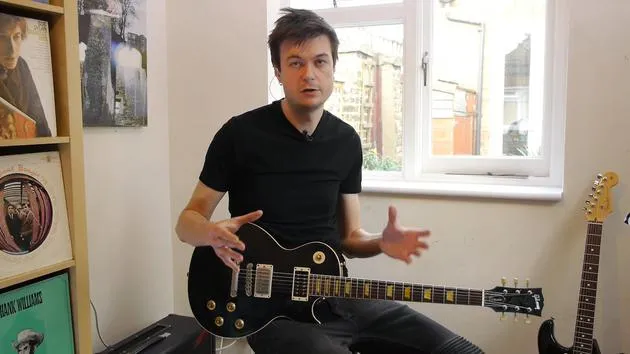
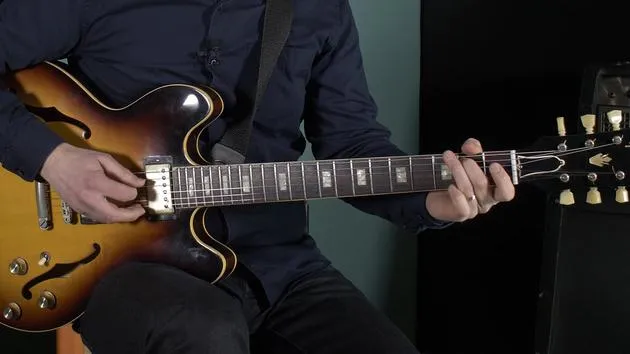
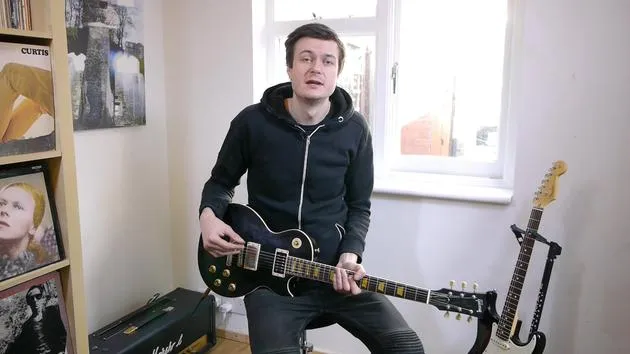
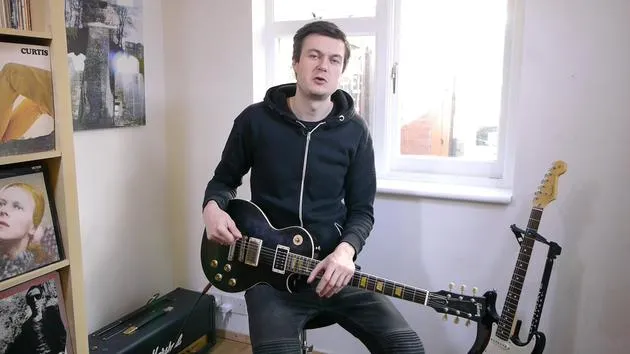
Transkript der Lektion
Umbra Bella - Grade One Guitar Lesson
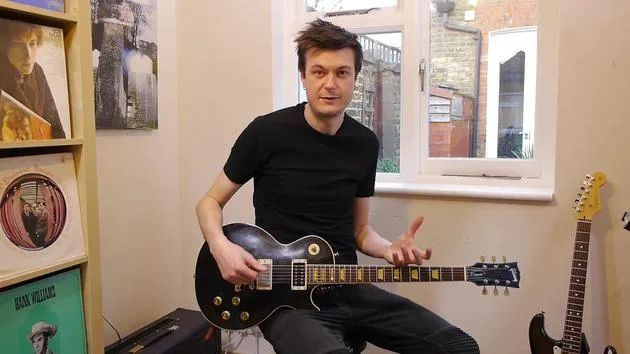
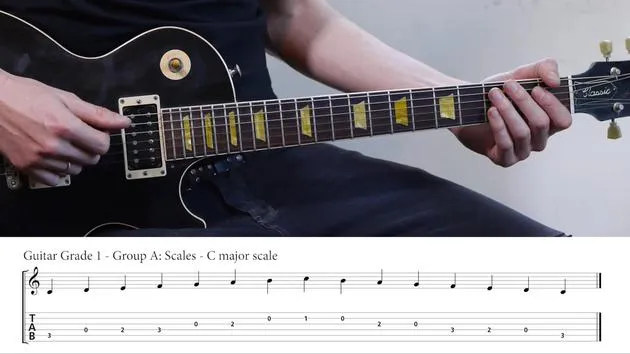
Okay then, so let's check out Umbra Bella from Grade One Guitar. This piece has been categorized as a guitar instrumental.
Interestingly, this likely refers to bands like The Shadows. This genre is indicative of that style, characterized by a clean guitar melody at the forefront.
Tonal Considerations
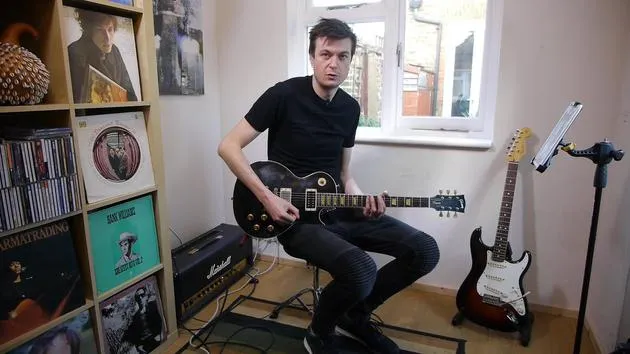
Before we get started, let's think about the sound we want.
- Clean Sound: For this piece, we want to predominantly use a clean sound. If it slightly verges on crunch, that's okay.
Effects to Consider
If you have access to effects (either built into your amp or pedals), here's what can help:
-
Reverb: Adding a little bit of reverb can make the guitar feel like it sits back in the track nicely.
-
Delay: Specifically, a slap-back delay. This is a very short delay that follows the note quickly. For example, when I hit a note, you can hear a quick echo. This is a common sound in this type of track.
-
Compressor: If available, set it up to allow single-note melodies to ring out a bit longer. It's a subtle effect, but it significantly enhances the overall feel when you play the song.
Analyzing the Track Structure
Let's take a look at the track and its sections. We begin with the A major chords.
- There's nothing too complex here, but we need to ensure we get the rhythms right.
- Practice transitioning from these chords into our main melody, which starts at B and continues throughout the whole track.
Melody Considerations
While looking at the melody, be very careful not to cut any long notes short.
- For example, the very first note in the B section (the A note) is a dotted minim, which should last for three beats. We must resist the urge to cut it short.
Avoiding Early Preparation
- You might be tempted to prepare for the next note early by cutting the current note short. This can lead to gaps in the melody.
- Instead, let those notes ring nice and long into the next note. In my performance of this piece, I found that overlapping notes without gaps sounded great.
Dynamics & Consistency
Dynamically, ensure that all notes are consistent for this style, and remember, the compressor can help with this.
Challenging Sections
The bottom of the first page contains some fingering and rhythmic challenges.
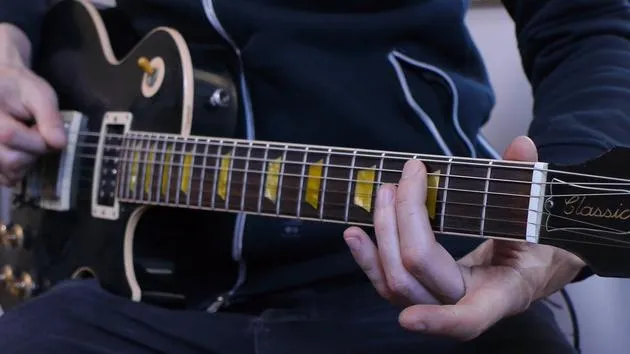
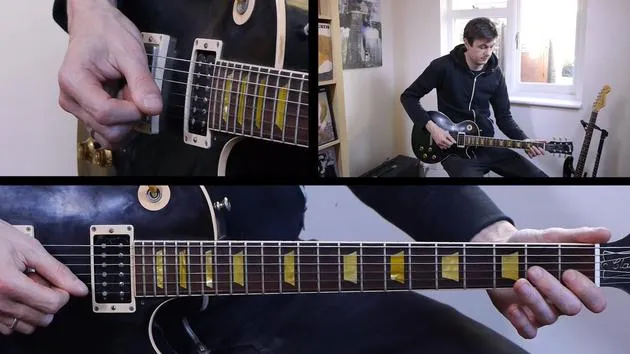
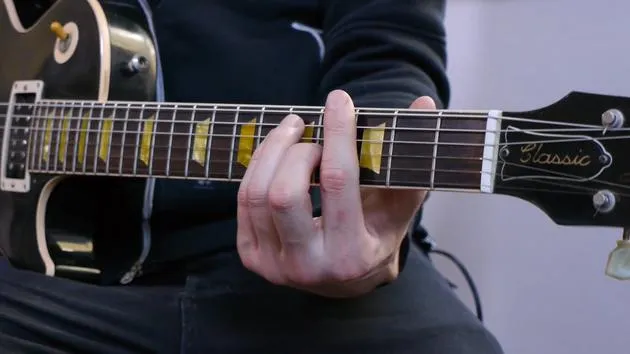
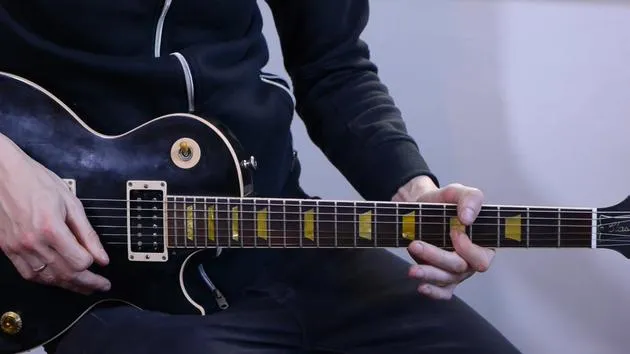
- Bars 14-15: Let's examine those bars in isolation. Starting from Bar 14, I'll demonstrate how to navigate this tricky part.
Count-in: 1, 2, 3, 4.
- I used my third finger to start on the first and third notes.
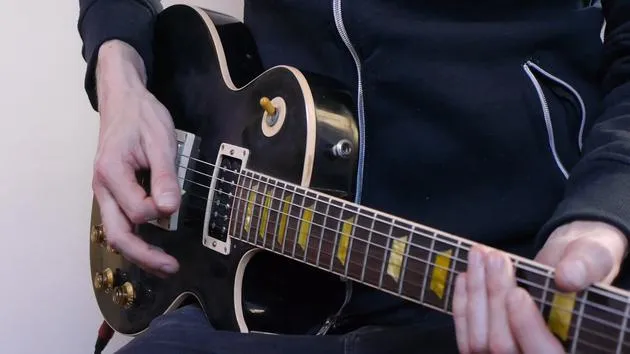
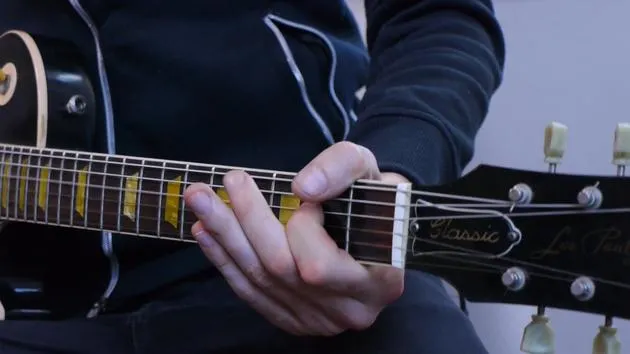
- Here, you might want to experiment with your little finger. The stretch from F to D sharp is significant; using your little finger makes it more manageable. Just keep in mind that the little finger can be the trickiest finger to control.
Tips for Fingering
- If you're comfortable with a larger stretch, consider using your third finger instead. It's worth experimenting with both options.
Closing the Piece
The melody returns to the earlier vibe we had at the beginning of section B, featuring the mini arpeggios.
- We'll finish by building an A major chord and letting all the notes ring, as discussed earlier.
At Bar 26, form the A major chord and pick through without lifting your fingers to allow all notes to ring together.
Summary
This song looks simple on paper, but playing it confidently requires practice.
- Relax and get familiar with the melodies.
- Allow long notes to ring out fully. Cutting them short disrupts the piece's flow.
- Practicing with a metronome can help emphasize this.
Lastly, have your teacher listen to you play. Getting feedback from someone else offers a different perspective that can be beneficial.
Enjoy your practice, take it steady, and we'll see you for the next piece!
38 Lektionen
2 Std. 32 Min. strukturierte Videolektionen
Erweiterte Videofunktionen
Verlangsamen, Passagen loopen, mitlesen
Handy, Tablet & Desktop
Üben, wo du willst
100 % Zufriedenheitsgarantie
30 Tage Geld-zurück-Garantie







