



Wechselschlag
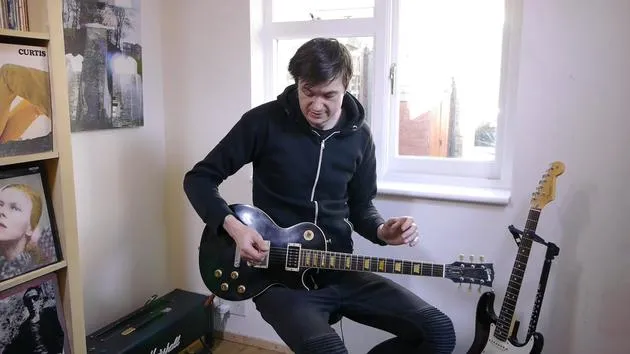
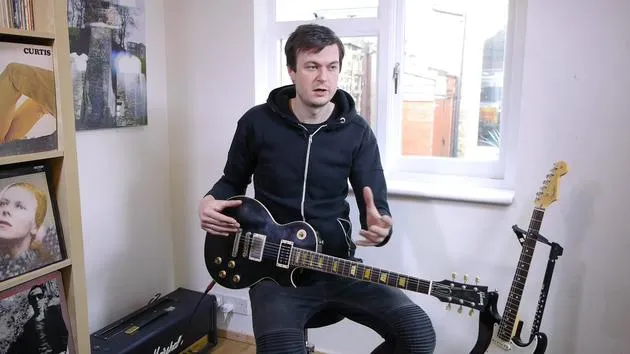
James Barratt führt den Wechselschlag ein und nutzt die C-Dur-Tonleiter, um deine Ab- und Aufschläge gleichmäßig, entspannt und mit der Greifhand synchronisiert zu machen.

Das steckt im Kurs
29 Lektionen (1h 29m) · 1 gratis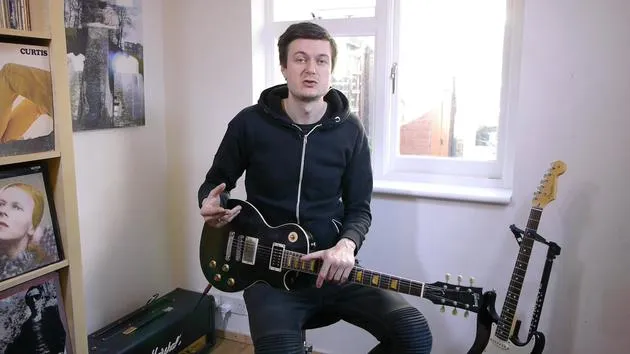

Transkript der Lektion
Alternate Picking Lesson
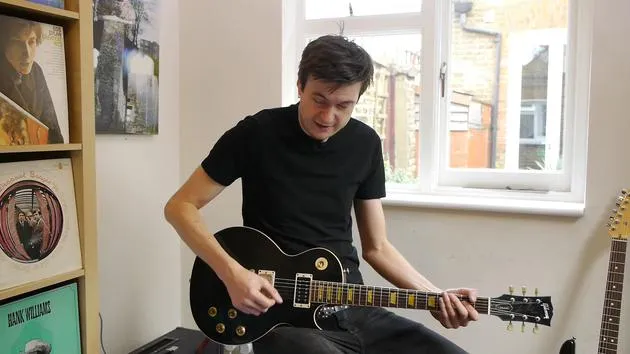
Okay, so let's start getting these hands working together. Now, we're going to talk about alternate picking. If you've got the grade books, you'll have access to lots of scales. It doesn't really matter which one you pick, but these are all great exercises to help the synchronization between your hands.
C Major Scale
We're going to use the C major scale today. This will be in the technical exercises, as I said, and we're going to practice this alternate picking.
-
Positioning:
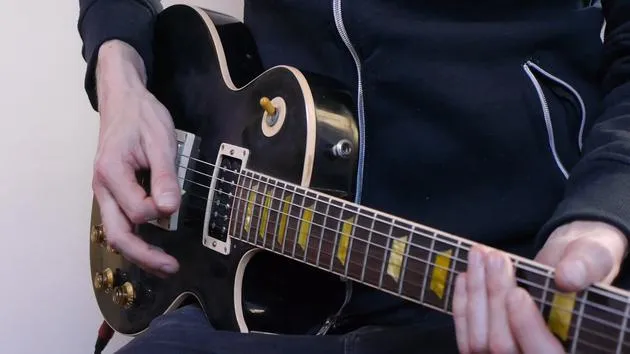
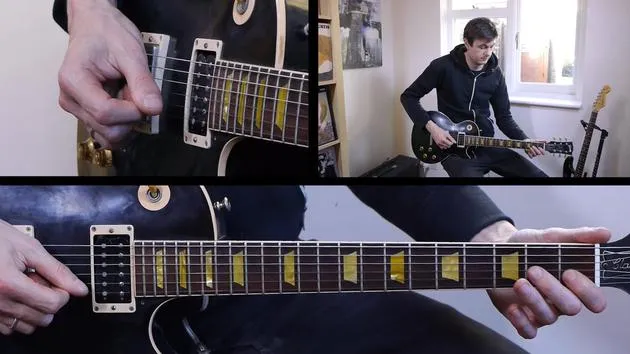
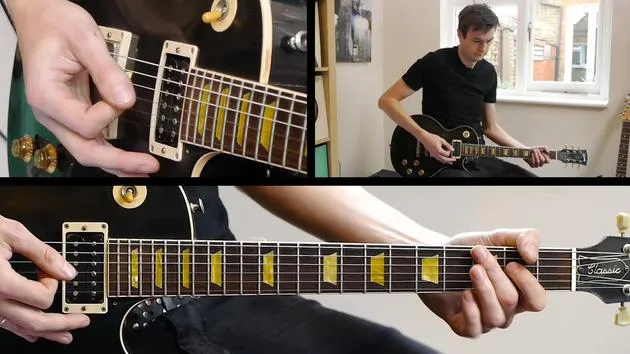
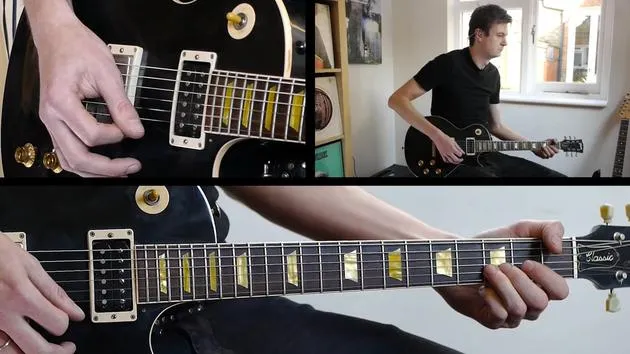
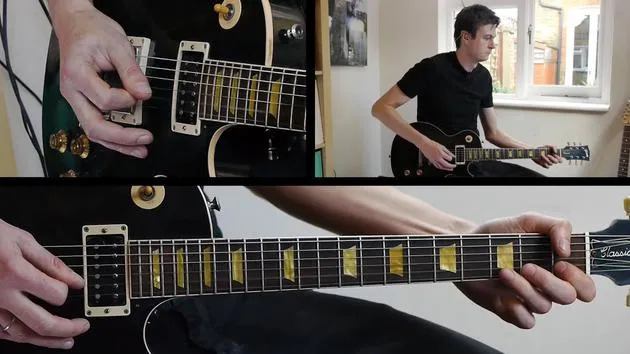
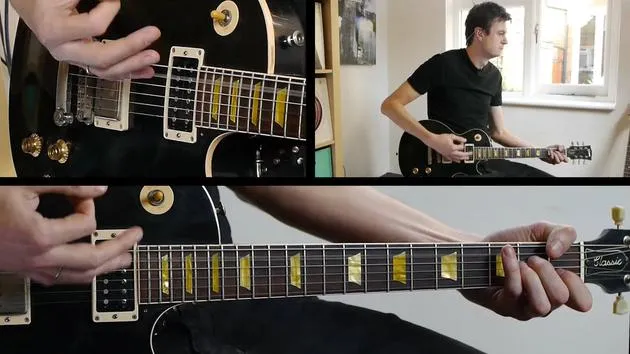
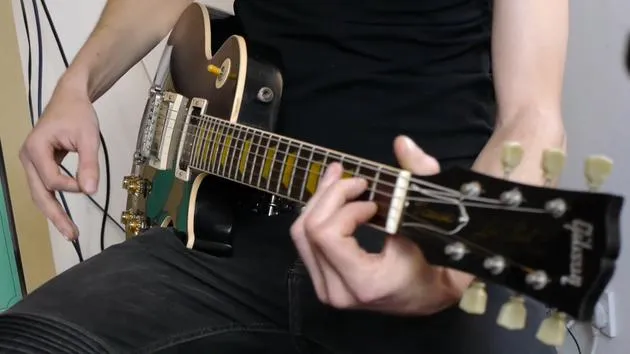
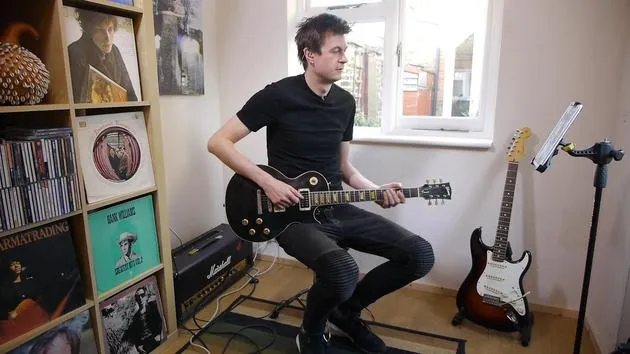
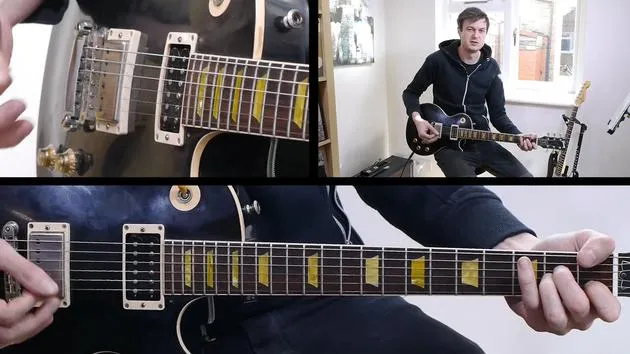
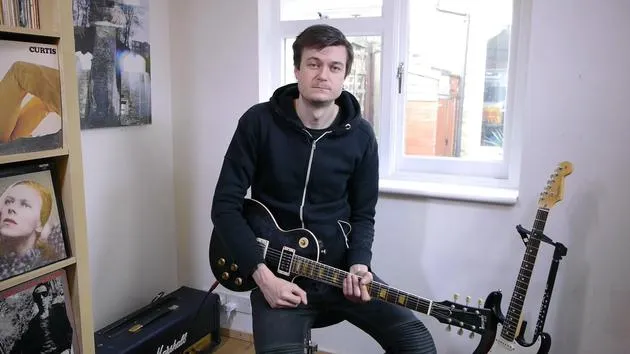
- Place your right hand on the bridge as we discussed.
-
Technique:
- Begin with a downstroke on the C note (the first note).
- Every note that follows will be in the opposite pick direction to the previous one:
- Down, up, down, up, down, up.
Let's Practice
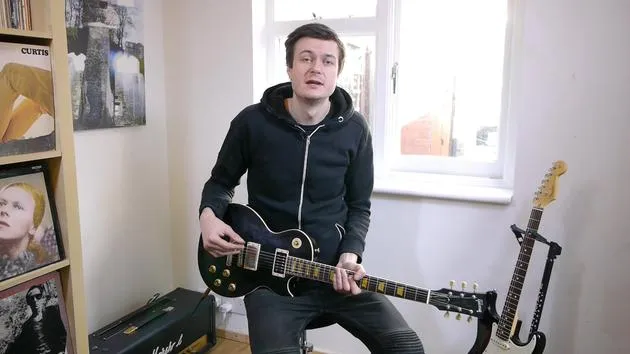
Let's have a go at it nice and slowly:
- Right hand on the bridge.
- Here we go: 2, 3, 4.
- Down, up, down, up, down, up, down, up.
You can try this with any of your scales. The C major scale is quite effective because there are different numbers of notes on each string, which means it's a bit of a challenge for your right hand to get used to.
Key Observations
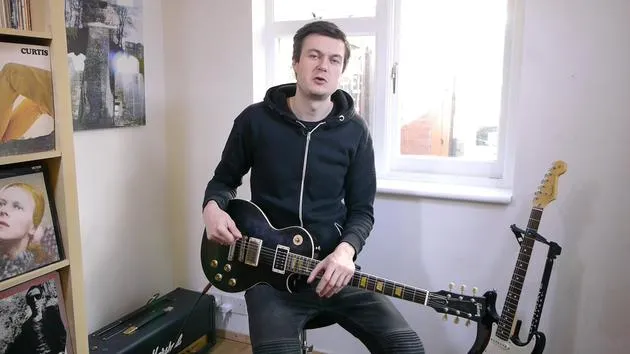
What hopefully you've noticed is that my downstrokes and upstrokes don't involve different hand techniques. I'm not rotating my wrist with extreme rotations; it's all just nice and relaxed.
- Example:
- Down, up, down, up, down, up.
Practice Variations
You can practice this with lots of different scales, or you might even just pick a few notes on a couple of strings and practice it across a pair of strings. For example:
- Go to the third fret on the D string:
- Play 3, 5,
- Then do the same on the next string: 3, 5.
- Repeat back and forth between those:
- Down, up, down, up.
Tips for Improvement
This is something you can practice with a metronome. Gradually build up the speed and just make sure that at all times you're feeling in control of what your right hand is doing.
- Audio Feedback:
- It's important to listen to the quality of the sound that's coming out.
- If you find yourself concentrating so hard that you forget to listen, try recording on your phone or laptop. Capture a bit of audio or video, then listen to it back while you're not concentrating.
- Ask yourself: "How did that sound? What could I do to improve it?"
- Then try it again.
It's a really good practice to do!
29 Lektionen
1 Std. 29 Min. strukturierte Videolektionen
Erweiterte Videofunktionen
Verlangsamen, Passagen loopen, mitlesen
Handy, Tablet & Desktop
Üben, wo du willst
100 % Zufriedenheitsgarantie
30 Tage Geld-zurück-Garantie







