



Analyse, Erklärung und Demonstration mit Maxim Vengerov
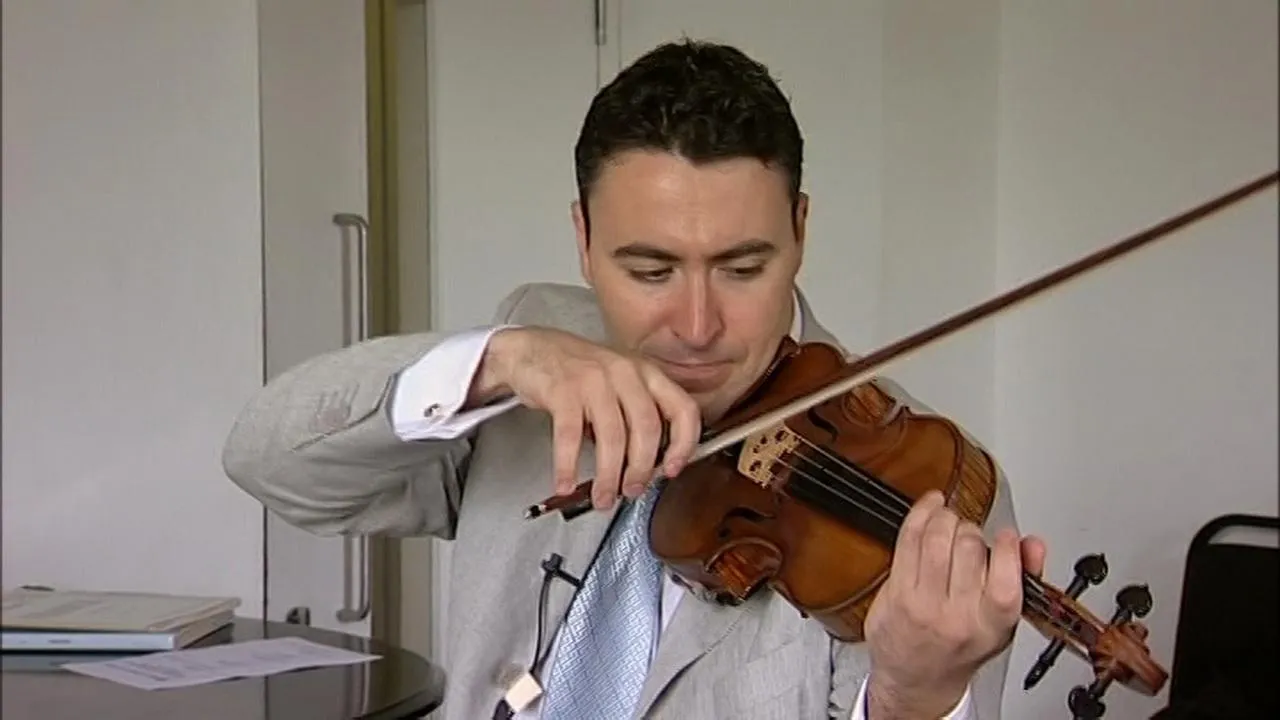
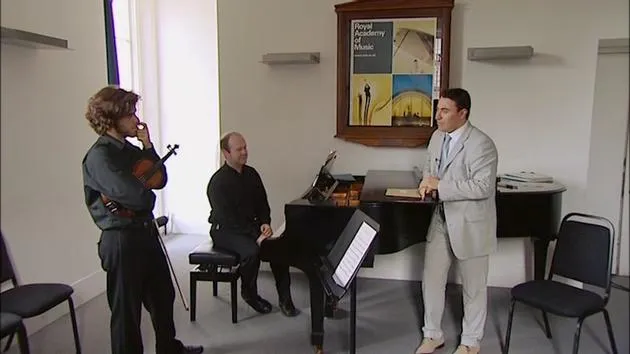
Maxim Vengerov arbeitet mit seinem Schüler Pedro an Ravels 'Tzigane' und erkundet mit Scharfsinn und Humor dessen Harmonie, Tempo, Interpretation und die Geschichte hinter der Musik.
Das steckt im Kurs
2 Lektionen (0h 45m) · 1 gratis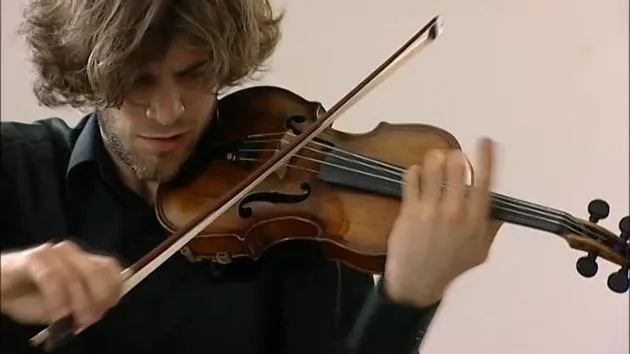
Transkript der Lektion
Music Lesson: Analyzing Ravel's "Tzigane"
Introduction
Pedro, wonderful, great performance. I like it. I like it very much. I like the spirit that you deliver in "Tzigane." As you know, the story goes back to when Ravel heard Jelly D'Aranyi, a wonderful violinist, in a concert in London. She really dazzled him with her incredible ability. I think she was also incredibly beautiful. He was inspired to write something for violin solo, a piece like "Tzigane."
The Story Behind "Tzigane"
After the concert that Jelly had given, Ravel asked her to exhibit some of the tricks that the violin can do when they went to the restaurant. Until 2:00 in the morning, she was playing for him and explaining what the violin can do and cannot do. So he was getting familiar with the instrument and its nature, but he was really inspired by the spirit of this incredible charismatic woman.
As a result, we have this beautiful "Tzigane," which is a concert piece. For me, this piece does have the spirit of "Tzigane," but we shouldn't approach it like one of the pieces we would hear a Tzigane playing in a restaurant or on the street for tips. A serious approach to the piece is crucial. Ravel was an incredible composer who had, first of all, a structured framework; he was very organized in his music.
To play this wonderful "Tzigane" without any structure would be quite wrong.
Analyzing the Piece
So, I would like you to perform a little analysis. Let's analyze together what this piece is all about.
-
The First Cadenza: This is separated into a few sections. First of all, there is a "Tzigane" alone and then two "Tzigane" sections with double stops. That's very important. When he starts this monologue, it carries a powerful message.
- G String's Power: He wanted to show that the most powerful string in the violin is the G string. You can play in the first position, but you can also play in the higher positions where you get the strength. The gypsies are very strong; they have strength from within. This character gives the piece an extroverted feel, but sometimes it goes inward, and that's where the conflict appears.
-
Introducing Yourself: This monologue should present who you are. It's important to say, "Here I am. My name is [insert name]."
-
Building the Theme:
- It should feel like a visit card introducing yourself, saying, "I come from Hungary."
- You can say, "And that is my friend, although we don't really get along. We grew up in the same village together."
-
Musical Points: The harmonic points, when in D minor, are repetitive but always accelerating. This represents who we are.
Performing the Cadenza
Let's try it! I don't know if you have analyzed it, but there is a particular rhythm, a kind of rubato that is already written.
-
Tempo Awareness:
- It is labeled "lento quasi cadenza."
- You have to know how long it is all about and then you can improvise, stretch, or shrink the rhythm. The basic frame must be there.
-
Ravel's Precision: Ravel was very particular in his works about what he wrote, including markings for dynamics like piano and forte.
- For instance, when he writes "espressivo," it's crucial to play it as he intended.
- "Tempo rubato" means that it begins more strictly and then it can loosen.
Interpretation Tips
-
Managing Expression: If you play without understanding the nuances, you lose a lot.
-
Acting in Poses: We need to act in the poses. This is essential music.
-
Be Explosive: Think about the bow and don't put all the strength at once.
-
Tempo Counts:
- Let's count together: Lento, lento, two, three.
- Take a slightly slower tempo to build the character.
Character and Expression
Pedro, remember that this is how the music starts.
-
The character begins short at the 32 mark.
-
Address your friend in the music, but with modesty.
-
Continue with the original markings and don't create anything new, as that may diminish the essence of the piece.
-
Gypsy Intonation: Utilize gypsy intonation, play with real dynamics, and leave the accents where appropriate.
Finding Your Voice
As you play, you should tell a story.
- Imagine the gypsy in his village practicing retakes.
- Don't rush; rhythmically explore the notes.
- Remember, for every note you play, you are paid.
Key Takeaways
- Keep in mind the detailed notations Ravel has provided.
- For every bar and phrase, feel the music rather than forcing musicality.
- Build up to the intensity in the variations, and convey the conflict and discontent within the song.
Conclusion
Finally, explore every note as if elaborating on a detailed narrative.
Thank you very much!
2 Lektionen
0 Std. 45 Min. strukturierte Videolektionen
Erweiterte Videofunktionen
Verlangsamen, Passagen loopen, mitlesen
Handy, Tablet & Desktop
Üben, wo du willst
100 % Zufriedenheitsgarantie
30 Tage Geld-zurück-Garantie
Lern deinen Guru kennen
Lern deinen Guru kennen
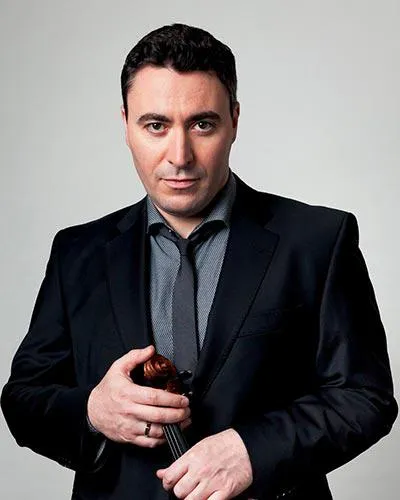
Maxim Vengerov gilt als einer der aufregendsten Geiger der Welt. Sein erstes Konzert gab er im Alter von fünf Jahren und gewann, nach dem Studium bei Galina Tourchaninova und Professor Zakhar Bron, mit zehn Jahren den Ersten Preis beim Junior Wieniawski Competition. 1990, mit fünfzehn Jahren, gewann er den Carl Flesch International Violin Competition und bestätigte damit seinen Ruf als Musiker allerhöchsten Ranges.
Im Mai 2000 unterzeichnete Maxim Vengerov nach einem zehnjährigen Plattenvertrag mit Teldec Classics einen Exklusivvertrag mit EMI Classics. Zu seinen Auszeichnungen und Preisen zählen der Gramophone Young Artist of the Year und der Ritmo (Spanien) Artist of the Year 1994; der Gramophone Record of the Year und Nominierungen für den Grammy Award in den Kategorien Classical Album of the Year und Best Instrumental Soloist with Orchestra 1996; der Edison Award für die Best Concerto Recording 1997; der Gramophone Artist of the Year 2002; sowie sowohl ein Edison Award als auch ein Grammy Award 2004 für die Best Instrumental Soloist Performance (with Orchestra) für seine Einspielung von Brittens Violinkonzert und Waltons Violakonzert.
1997 war Vengerov der erste klassische Musiker, der von UNICEF zum Envoy for Music ernannt wurde. In dieser Rolle hat er benachteiligte Kinder in Uganda, Harlem, Thailand und auf beiden Seiten der ethnischen Teilung des Kosovo getroffen und für sie gespielt – eine Arbeit, die es ihm ermöglicht hat, Kinder weltweit zu inspirieren und zugleich andere dazu zu bewegen, Spenden für UNICEF-unterstützte Programme zu sammeln. Eine weitere Leidenschaft in Vengerovs Leben ist sein Engagement für junge Menschen durch Meisterkurse. Eine solche Veranstaltung wurde von Channel Four Television im Rahmen einer Dokumentation über Vengerov mit dem Titel 'Playing by Heart' aufgezeichnet, die 1999 beim Cannes Television Festival gezeigt wurde. Seit Juni 2005 ist er Professor of Violin an der Royal Academy of Music in London.
Dieselbe Leidenschaft für das Unterrichten durchzieht seine Meisterkurse bei MusicGurus, in denen Vengerov dich in das große Violinrepertoire einführt – von Ravels Tzigane und Sarasates Carmen Fantasy bis zu den Konzerten von Sibelius, Mendelssohn, Britten und Schostakowitsch – und die Technik und Musikalität hinter jeder Phrase mit dir teilt.







