



Analyse, Erklärung und Demonstration mit Maxim Vengerov
Lesson time: (39min 48sec)
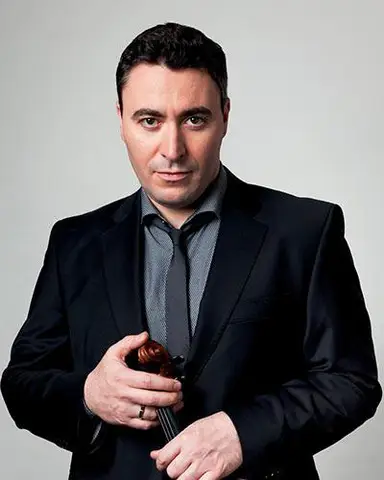
Maxim Vengerov coacht eine Schülerin durch Mendelssohns Violinkonzert und arbeitet sowohl an der musikalischen Interpretation — Harmonie, Tempo, Emotion — als auch an der Technik.
Course preview
This lesson is part of the course Mendelssohn - Violinkonzert
Watch a preview of the full course below.
Lesson transcript:
Music Lesson: Mendelssohn Concerto
Introduction
First of all, I'd love to praise you for your wonderful musicality. I see great potential in creating truly wonderful music from the Mendelssohn Concerto. You play with great charisma, energy, and dramatic flair, and I would like to maintain that.
However, there are some aspects that I would like us to explore and complement in your playing. We will discuss this on two different levels:
- Musical Level
- Technical Level
Musical Interpretation
In other words, we need to understand how we can choose the right techniques based on what the music requires, especially for a piece like Mendelssohn, which necessitates a deep personal attitude and vision. I want you to express your feelings about this music and find your own affinity for it.
You need to be more sensitive to this music, and I want you to share your thoughts on it.
Technical Aspects
Now, let's try to touch briefly on the technical point of view.
-
Energy Flow: I felt that your energy doesn't flow through your body while playing. The violin and the human body must become one. You may know the incredible painter Chagall; he depicts a violinist flying with the violin. That's the ideal moment I want you to achieve when you start playing. It's about creating that illusion where the violin seems to take flight, which is one of the miraculous moments in music.
-
Breathing: Firstly, your breathing needs attention. It seems a bit rushed, so:
- Relax: Lower your shoulders and ensure that no muscles are tense before you start playing.
- Pay attention to any tension in your right shoulder and neck as you strive for emotional effects in the music. Try to achieve dramatic expressions without forcing it.
-
Momentum: You can choose two paths:
- You can push through when feeling tired, which is dangerous.
- Alternatively, you could carry on and break the momentum when necessary.
Remember, we are not talking about sports; we're discussing how to achieve maximum results with minimal effort.
Starting from Nothingness
Now, let me give you an example from what I just played. You can play absolutely relaxed, only the muscles needed to hold the violin should be engaged.
-
Visualization: Imagine starting from 'nothingness.' Why? Because all great things begin from nothingness. This relaxed state, like a meditative one, allows your soul to shine through in your music.
-
Building Energy: This magical beginning of the Mendelssohn concert requires purity and intention; the energy can build within you. Each note should reflect this accumulation of energy and emotion.
Vibrato and Expression
I want the music to start from within, and I want you to sing with the same vibrato. If you aim to vibrate more, do it gradually, avoid shocking the audience. For example, you played a note beautifully, but remember that one note can spoil the overall effect if the vibrato is too abrupt.
-
Experiment Without Vibrato: Let's try the beginning without vibrato first. You'll find the beauty will emerge.
-
Listening: Listen to your sound. Perhaps you might notice a sandy quality to it. I mean, sand is lovely on a beach but not when you need clear air. Focus on your attack and be completely relaxed with your right hand; let the bow hang loosely.
-
Crescendo Technique: If you want to create a crescendo, rely on the speed of the bow rather than pressure.
Sensitivity to Sound
I want you to be very sensitive to your ears, as this is delicate music. Listen for the piano and let's begin very slowly.
-
Attack and Color: Focus on your attack, keeping it relaxed. Build each phrase without interruptions and create long, flowing lines.
-
Body Positioning: While playing, remember your position. If you shift weight too much, it could be dangerous. Maintain an earthy connection with the ground while allowing your upper body to remain free.
Movement and Flow
Let's continue with longer phrases, building them without interruption. If you stop, particularly avoid square shapes in your movements. Instead, keep everything in circles.
-
Accents: Make your accents softer; think about melodic singing without abrupt stop-and-starts.
-
Intonation: Pay special attention to the intonation. Tension can ruin your intonation, so relax every muscle that isn't needed.
Connecting Ideas
When introducing different themes, use different colors. Each harmony presents a unique color, much like bringing a different flower from your garden.
- Interpretation: When presenting music, don't over-explain; simply bring it to life, allowing your audience to enjoy the moment without excessive detail.
Remember, music is about creating a magical experience, presenting layers of emotion and color.
Conclusion
You should always take a lyrical approach to your interpretation. Think about how to balance dialogue within your playing, especially in a concerto setting. Mendelssohn's work is about emotional depth, and ensuring that you don't present the same colors for different themes is crucial.
Please practice these points and share your visions with me. Let's explore this beauty together!
About the instructor
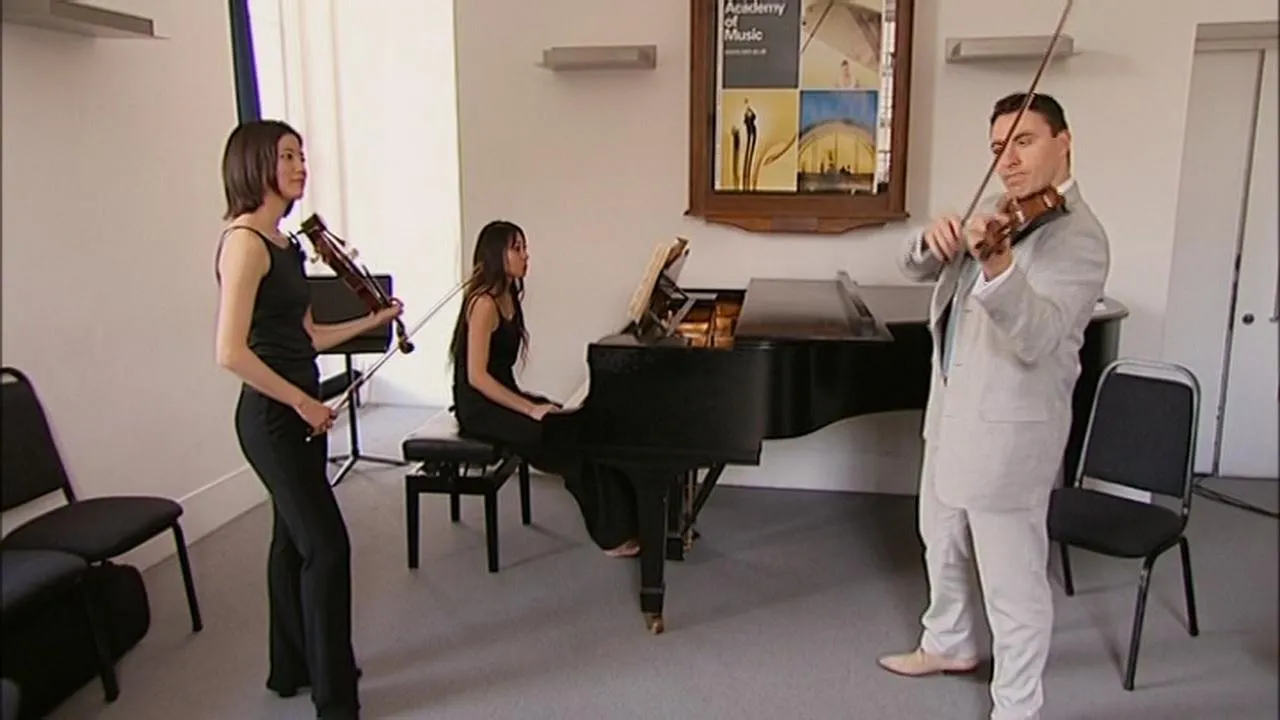
Maxim Vengerov gilt als einer der aufregendsten Geiger der Welt. Sein erstes Konzert gab er im Alter von fünf Jahren und gewann, nach dem Studium bei Galina Tourchaninova und Professor Zakhar Bron, mit zehn Jahren den Ersten Preis beim Junior Wieniawski Competition. 1990, mit fünfzehn Jahren, gewann er den Carl Flesch International Violin Competition und bestätigte damit seinen Ruf als Musiker allerhöchsten Ranges. Im Mai 2000 unterzeichnete Maxim Vengerov nach einem zehnjährigen Plattenvertrag mit Teldec Classics einen Exklusivvertrag mit EMI Classics. Zu seinen Auszeichnungen und Preisen zählen der Gramophone Young Artist of the Year und der Ritmo (Spanien) Artist of the Year 1994; der Gramophone Record of the Year und Nominierungen für den Grammy Award in den Kategorien Classical Album of the Year und Best Instrumental Soloist with Orchestra 1996; der Edison Award für die Best Concerto Recording 1997; der Gramophone Artist of the Year 2002; sowie sowohl ein Edison Award als auch ein Grammy Award 2004 für die Best Instrumental Soloist Performance (with Orchestra) für seine Einspielung von Brittens Violinkonzert und Waltons Violakonzert. 1997 war Vengerov der erste klassische Musiker, der von UNICEF zum Envoy for Music ernannt wurde. In dieser Rolle hat er benachteiligte Kinder in Uganda, Harlem, Thailand und auf beiden Seiten der ethnischen Teilung des Kosovo getroffen und für sie gespielt – eine Arbeit, die es ihm ermöglicht hat, Kinder weltweit zu inspirieren und zugleich andere dazu zu bewegen, Spenden für UNICEF-unterstützte Programme zu sammeln. Eine weitere Leidenschaft in Vengerovs Leben ist sein Engagement für junge Menschen durch Meisterkurse. Eine solche Veranstaltung wurde von Channel Four Television im Rahmen einer Dokumentation über Vengerov mit dem Titel 'Playing by Heart' aufgezeichnet, die 1999 beim Cannes Television Festival gezeigt wurde. Seit Juni 2005 ist er Professor of Violin an der Royal Academy of Music in London. Dieselbe Leidenschaft für das Unterrichten durchzieht seine Meisterkurse bei MusicGurus, in denen Vengerov dich in das große Violinrepertoire einführt – von Ravels Tzigane und Sarasates Carmen Fantasy bis zu den Konzerten von Sibelius, Mendelssohn, Britten und Schostakowitsch – und die Technik und Musikalität hinter jeder Phrase mit dir teilt. read more