



Analyse, Erklärung und Demonstration mit Maxim Vengerov
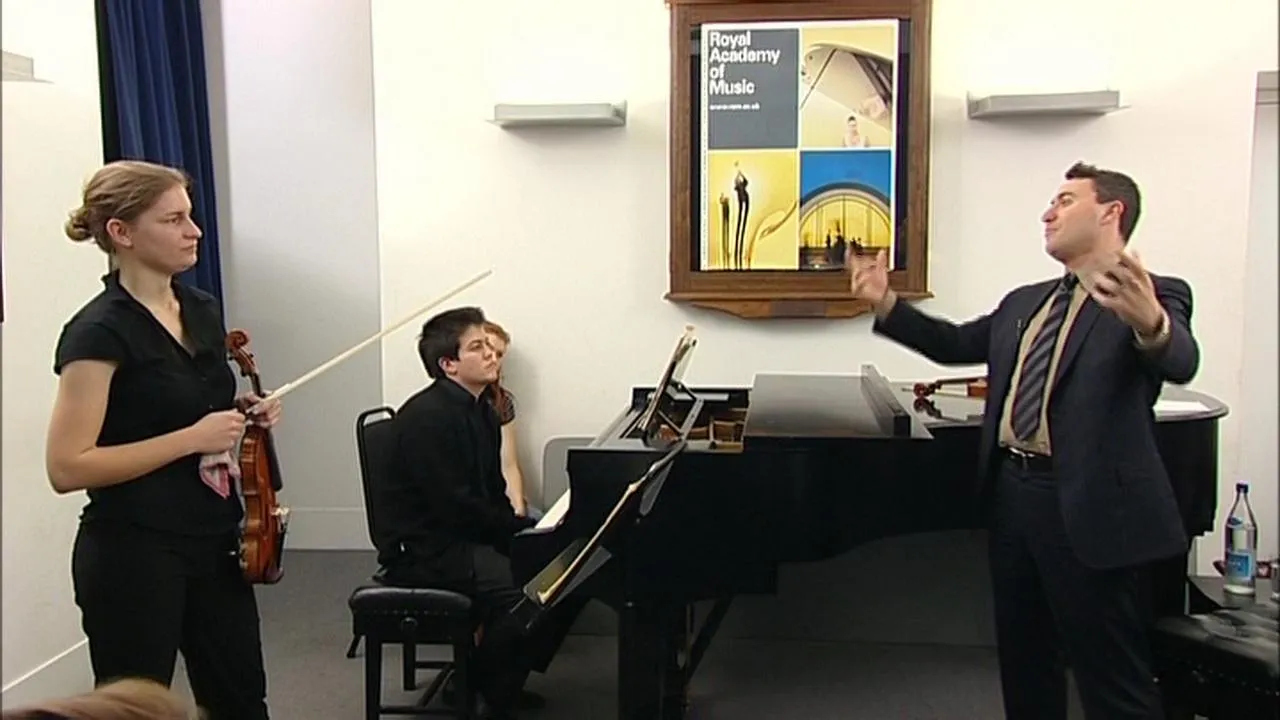
Maxim Vengerov coacht seinen Schüler durch das Violinkonzert von Mendelssohn und arbeitet an technischer Grundlage, Klangerzeugung und dem Gestalten der Emotion der Musik.
Das steckt im Kurs
2 Lektionen (0h 51m) · 1 gratis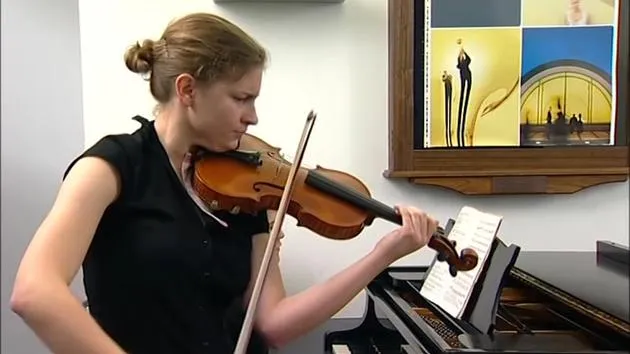
Transkript der Lektion
Music Lesson: Maria's Performance
Introduction
Maria, bravo, bravo! Unfortunately, we didn't have enough time to listen until the end, but it was a truly impressive performance.
Thoughtfulness in Performance
I appreciate your thoughtfulness in Mendelssohn's music. You take your time, unlike some performers who rush through the entire movement. Your careful approach is wonderful.
Great Potential
There is exceptional potential in every aspect of your playing:
- Virtuosity
- Sound production
We'll need to address various topics, starting with the technical execution of your performance, which is very important.
Technical Execution
This is our transport; without technical means, we cannot convey music effectively. I sense that you feel the Mendelssohn concerto more deeply than you can perform it. You imagine it more freely and spaciously.
Grounding Yourself
However, I feel you're sometimes losing the ground beneath your feet. It's crucial to feel grounded, like a tree, rooted down before reaching upwards.
- Always remember to stand confidently while playing.
- Ensure your:
- Shoulders are relaxed
- Breathing is normal (what I call "rabbit breathing" or "dog breathing")
Musicality and Movement
Your musicality shines through, and you express your phrases beautifully. However, there are some adjustments needed in your physical movements.
Enhancing Crescendo
Instead of merely moving your hands to create a crescendo, consider:
- Starting with a small bow stroke
- Gradually adding pressure and vibrato
For example:
- Start with less vibrato and expand it as you progress.
Controlling Vibrato
It's important to properly calculate your vibrato to avoid stopping abruptly. Check where you feel comfortable vibrating. Remember:
- Vibrato is already an interpretation; it must elicit a reaction from the audience.
- Gradual changes in vibrato are crucial, avoid sudden shifts.
Practical Exercise
Let's practice:
- Reduce vibrato gradually rather than all at once.
- Keep it comfortable and relaxed, allowing the story to unfold before reaching the culmination.
Bow Grip and Connection
Your bow grip needs to be more intentional. Your fingers should have defined roles:
- The end of the bow should feel heavy to produce rich sound.
- There must be a separation of functions between the left and right hands.
Embrace the Bow
I encourage you to hug the bow:
- Maintain a connection between the bow and your arm.
- Visualize a beautiful violinist from a Chagall painting, where the instrument and musician blend into one.
Interpretation and Strategy
Before starting to play, envision how you want it to sound. Your body and soul already know the music.
Creating a Narrative
Remember:
- Avoid revealing all secrets of the music at the beginning.
- Maintain a balance; don't give away too much too soon, as if serving only appetizers at a dinner when you have many courses prepared.
Final Thoughts
In the end, let's focus on:
- Maintaining a serene quality in your right hand.
- Ensuring the sound from the orchestra complements your performance.
Conclusion
Maria, with practice and attention to these details, you will continue to develop a beautiful, controlled sound. Your potential is evident, and I look forward to witnessing your progress!
Thank you very much.
2 Lektionen
0 Std. 51 Min. strukturierte Videolektionen
Erweiterte Videofunktionen
Verlangsamen, Passagen loopen, mitlesen
Handy, Tablet & Desktop
Üben, wo du willst
100 % Zufriedenheitsgarantie
30 Tage Geld-zurück-Garantie
Lern deinen Guru kennen
Lern deinen Guru kennen
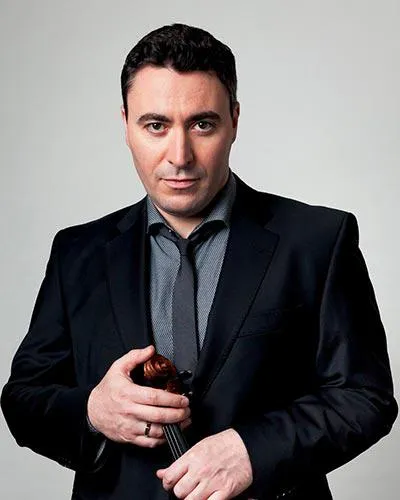
Maxim Vengerov gilt als einer der aufregendsten Geiger der Welt. Sein erstes Konzert gab er im Alter von fünf Jahren und gewann, nach dem Studium bei Galina Tourchaninova und Professor Zakhar Bron, mit zehn Jahren den Ersten Preis beim Junior Wieniawski Competition. 1990, mit fünfzehn Jahren, gewann er den Carl Flesch International Violin Competition und bestätigte damit seinen Ruf als Musiker allerhöchsten Ranges.
Im Mai 2000 unterzeichnete Maxim Vengerov nach einem zehnjährigen Plattenvertrag mit Teldec Classics einen Exklusivvertrag mit EMI Classics. Zu seinen Auszeichnungen und Preisen zählen der Gramophone Young Artist of the Year und der Ritmo (Spanien) Artist of the Year 1994; der Gramophone Record of the Year und Nominierungen für den Grammy Award in den Kategorien Classical Album of the Year und Best Instrumental Soloist with Orchestra 1996; der Edison Award für die Best Concerto Recording 1997; der Gramophone Artist of the Year 2002; sowie sowohl ein Edison Award als auch ein Grammy Award 2004 für die Best Instrumental Soloist Performance (with Orchestra) für seine Einspielung von Brittens Violinkonzert und Waltons Violakonzert.
1997 war Vengerov der erste klassische Musiker, der von UNICEF zum Envoy for Music ernannt wurde. In dieser Rolle hat er benachteiligte Kinder in Uganda, Harlem, Thailand und auf beiden Seiten der ethnischen Teilung des Kosovo getroffen und für sie gespielt – eine Arbeit, die es ihm ermöglicht hat, Kinder weltweit zu inspirieren und zugleich andere dazu zu bewegen, Spenden für UNICEF-unterstützte Programme zu sammeln. Eine weitere Leidenschaft in Vengerovs Leben ist sein Engagement für junge Menschen durch Meisterkurse. Eine solche Veranstaltung wurde von Channel Four Television im Rahmen einer Dokumentation über Vengerov mit dem Titel 'Playing by Heart' aufgezeichnet, die 1999 beim Cannes Television Festival gezeigt wurde. Seit Juni 2005 ist er Professor of Violin an der Royal Academy of Music in London.
Dieselbe Leidenschaft für das Unterrichten durchzieht seine Meisterkurse bei MusicGurus, in denen Vengerov dich in das große Violinrepertoire einführt – von Ravels Tzigane und Sarasates Carmen Fantasy bis zu den Konzerten von Sibelius, Mendelssohn, Britten und Schostakowitsch – und die Technik und Musikalität hinter jeder Phrase mit dir teilt.







