



Analyse, Erklärung und Demonstration mit Maxim Vengerov
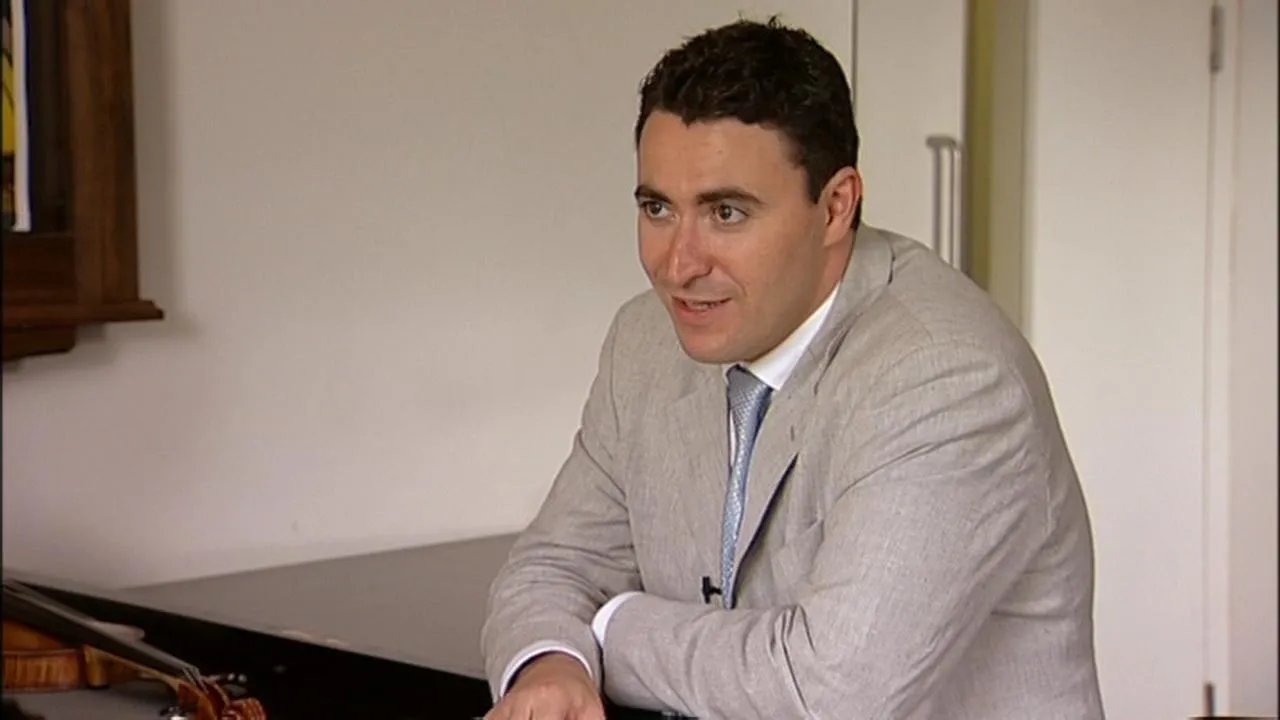
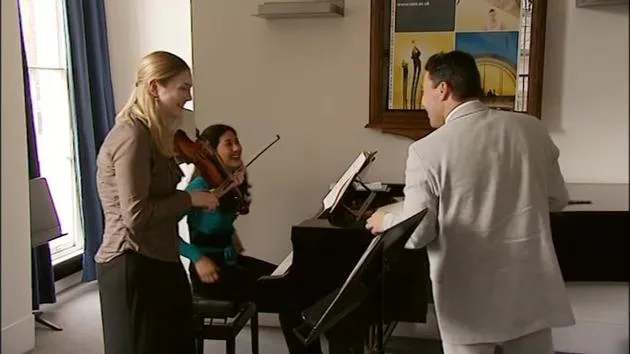
Maxim Vengerov erarbeitet Beethovens Violinsonate in a-Moll und behandelt Tempo, Ritardando, Phrasierung und den Raum zwischen den Phrasen, der ihre Emotion hervorbringt.
Das steckt im Kurs
2 Lektionen (0h 59m) · 1 gratis
Transkript der Lektion
Music Lesson
Overview
In today's lesson, we delve into the nuances of playing a baroque sonata, exploring its structure and emotional depth.
Key Concepts
-
Baroque Sonata: We're experimenting with compositions from the past, focusing on two sides: the beginning and the development, which unite in the recapitulation and coda.
-
Characterization:
- The characterization is somewhat lacking.
- Try to interpret the material with more dynamics and tempo variation.
-
Ritardando:
- Be cautious with ritardando where it isn't indicated in the sheet music.
- Understand the emotional weight behind the notes; sometimes, it's necessary to play with more space between phrases.
Performance Tips
-
Space and Expression:
- Pause and Space: Take a breath between phrases. Play as if you're learning to read between the music; stretch it out.
- Emotional Dynamics: Explore character development; it's important to take time and really express the emotions conveyed in the piece.
-
Listening and Collaboration:
- Partner Interaction: In chamber music, listen and react to your partner's playing, as if conversing.
- Play with intention, understand your role within the duet.
-
Technical Focus:
- Right-Hand Practice: Focus on bars six and five for precision.
- Smooth Transitions: Create a seamless transition between instruments. Listen closely to the piano while playing.
-
Musical Intention:
- Dynamic Nuances: Understand the differences between sforzando and other dynamic marks. Use each expressive technique to convey different emotions throughout the piece.
- Long Phrases: Maintain a longer line of music without abrupt cuts to ensure fluidity in the performance.
Interpretation Insight
-
Think of Beethoven's music as a conversation where each character has a distinct role. Pay attention to where you are leading and where your partner may take the lead.
-
Explore the emotional journey. Beethoven often balances conflicting harmonies with an intense narrative. Maintain a clear understanding of these dynamics.
-
Improvisation and Personality:
- It may seem easy at first, but the changes in personality are crucial in Beethoven's pieces. Don't be afraid to experiment with your interpretation.
Conclusion
Remember, creating music is about expressing emotion and character through careful attention to detail. Embrace the challenge of creating a narrative within the pieces you play, recognizing where emotions lead, and ensuring a fluid and intentional performance. Keep working on the dynamics, listening closely, and supporting your fellow musicians as you bring these pieces to life.
2 Lektionen
0 Std. 59 Min. strukturierte Videolektionen
Erweiterte Videofunktionen
Verlangsamen, Passagen loopen, mitlesen
Handy, Tablet & Desktop
Üben, wo du willst
100 % Zufriedenheitsgarantie
30 Tage Geld-zurück-Garantie
Lern deinen Guru kennen
Lern deinen Guru kennen
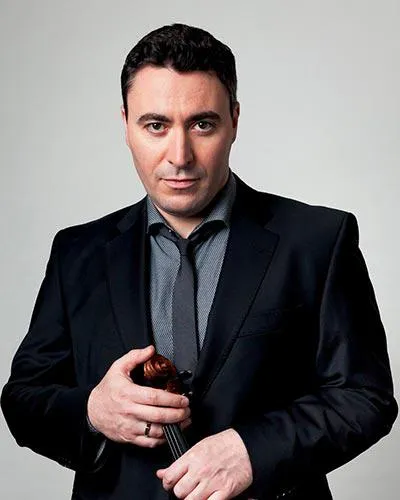
Maxim Vengerov gilt als einer der aufregendsten Geiger der Welt. Sein erstes Konzert gab er im Alter von fünf Jahren und gewann, nach dem Studium bei Galina Tourchaninova und Professor Zakhar Bron, mit zehn Jahren den Ersten Preis beim Junior Wieniawski Competition. 1990, mit fünfzehn Jahren, gewann er den Carl Flesch International Violin Competition und bestätigte damit seinen Ruf als Musiker allerhöchsten Ranges.
Im Mai 2000 unterzeichnete Maxim Vengerov nach einem zehnjährigen Plattenvertrag mit Teldec Classics einen Exklusivvertrag mit EMI Classics. Zu seinen Auszeichnungen und Preisen zählen der Gramophone Young Artist of the Year und der Ritmo (Spanien) Artist of the Year 1994; der Gramophone Record of the Year und Nominierungen für den Grammy Award in den Kategorien Classical Album of the Year und Best Instrumental Soloist with Orchestra 1996; der Edison Award für die Best Concerto Recording 1997; der Gramophone Artist of the Year 2002; sowie sowohl ein Edison Award als auch ein Grammy Award 2004 für die Best Instrumental Soloist Performance (with Orchestra) für seine Einspielung von Brittens Violinkonzert und Waltons Violakonzert.
1997 war Vengerov der erste klassische Musiker, der von UNICEF zum Envoy for Music ernannt wurde. In dieser Rolle hat er benachteiligte Kinder in Uganda, Harlem, Thailand und auf beiden Seiten der ethnischen Teilung des Kosovo getroffen und für sie gespielt – eine Arbeit, die es ihm ermöglicht hat, Kinder weltweit zu inspirieren und zugleich andere dazu zu bewegen, Spenden für UNICEF-unterstützte Programme zu sammeln. Eine weitere Leidenschaft in Vengerovs Leben ist sein Engagement für junge Menschen durch Meisterkurse. Eine solche Veranstaltung wurde von Channel Four Television im Rahmen einer Dokumentation über Vengerov mit dem Titel 'Playing by Heart' aufgezeichnet, die 1999 beim Cannes Television Festival gezeigt wurde. Seit Juni 2005 ist er Professor of Violin an der Royal Academy of Music in London.
Dieselbe Leidenschaft für das Unterrichten durchzieht seine Meisterkurse bei MusicGurus, in denen Vengerov dich in das große Violinrepertoire einführt – von Ravels Tzigane und Sarasates Carmen Fantasy bis zu den Konzerten von Sibelius, Mendelssohn, Britten und Schostakowitsch – und die Technik und Musikalität hinter jeder Phrase mit dir teilt.







